Description
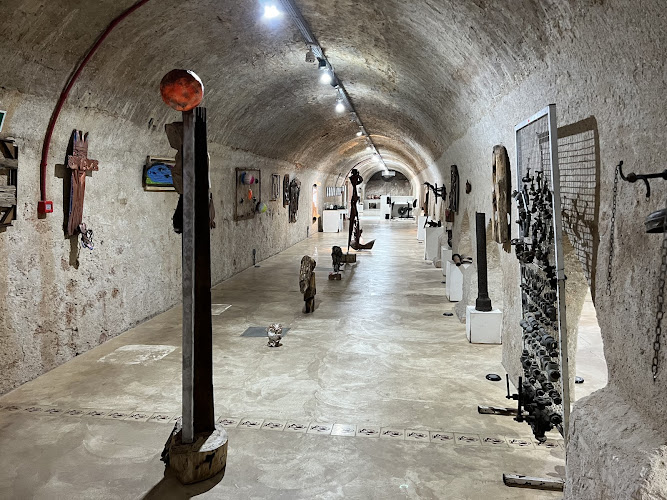
The Museu do Morro Da Caixa D’Água Velha offers something genuinely different from your typical museum experience. This isn’t just another collection of artifacts behind glass cases – it’s an atmospheric journey into a 19th-century underground reservoir that’s been transformed into an unexpected cultural space. When I first heard about visiting an old water tank, I’ll admit I was skeptical. But there’s something almost magical about descending into these restored chambers where history and contemporary art meet in the most unexpected ways.
The museum showcases rotating art exhibitions within the atmospheric confines of this historic infrastructure. Think about it – water storage infrastructure from the 1800s now serving as exhibition halls. The contrast between the utilitarian stone walls and modern artistic expressions creates this unique tension that you won’t find in conventional gallery spaces. It’s one of those places that reminds you how creative preservation can breathe new life into forgotten structures.
What makes this place particularly special is how it tells the story of urban development and water management in the region while simultaneously serving as a contemporary cultural venue. The underground chambers maintain a natural coolness that’s actually quite pleasant, especially if you’re visiting during warmer months. And honestly, there’s something about being surrounded by those thick stone walls that makes you appreciate the engineering prowess of past generations.
The museum doesn’t just rest on its architectural laurels though. The commitment to presenting quality art exhibitions means repeat visits can offer entirely different experiences. Photography enthusiasts will find themselves in heaven here – the interplay of natural and artificial light filtering through the structure creates dramatic shadows and textures that are absolutely captivating through a camera lens.
Key Features
The Museu do Morro Da Caixa D’Água Velha distinguishes itself through several remarkable characteristics that make it worth adding to your itinerary:
- 19th-Century Underground Architecture: The restored reservoir chambers provide an authentic glimpse into historical water infrastructure with original stonework and construction techniques that engineering buffs will genuinely appreciate
- Rotating Art Exhibitions: The museum hosts changing contemporary art displays that transform the historic space into a dynamic cultural venue, meaning no two visits are quite the same
- Photography Paradise: The unique lighting conditions, textured stone surfaces, and architectural details create exceptional opportunities for both amateur and professional photographers to capture stunning images
- Full Accessibility: Wheelchair accessible entrances and restroom facilities ensure that visitors of all mobility levels can explore this underground wonder without barriers
- Family-Friendly Environment: The space welcomes children and provides an educational experience that’s different enough from standard museums to keep younger visitors engaged
- Comfortable Climate: The underground location maintains naturally cool temperatures year-round, providing relief from external weather conditions
- Free Street Parking: Unlike many tourist attractions, visitors can typically find street parking nearby without additional costs eating into their travel budget
- Compact Visit Duration: The museum can be thoroughly explored in about an hour or two, making it perfect for fitting into a packed itinerary without consuming your entire day
Best Time to Visit
Here’s the thing about underground museums – they’re naturally climate-controlled, which means you’re somewhat insulated from the typical seasonal considerations that affect outdoor attractions. But that doesn’t mean timing doesn’t matter at all.
Weekday mornings tend to be your best bet if you’re hoping to experience the museum with fewer crowds. There’s something to be said for having those atmospheric chambers mostly to yourself, letting the space speak without the distraction of tour groups shuffling around. I’ve found that arriving right when doors open gives you that peaceful contemplation time before busier periods kick in.
If you’re particularly interested in photography, consider visiting during midday when natural light filters into the space at interesting angles. The way sunshine interacts with the underground architecture changes throughout the day, and photographers who time their visit right can capture some really exceptional shots. Early afternoon typically offers the best balance of natural and ambient lighting.
Exhibition opening periods can be fantastic times to visit if you enjoy the energy of fresh installations and potentially meeting artists or curators. However, these events naturally draw larger crowds. Check ahead to see what’s on display – some exhibitions might align more closely with your personal artistic preferences than others.
Avoid weekends and local holidays if crowds bother you. The museum’s popularity means it can get genuinely busy during peak times, and the underground chambers, while spacious, aren’t endless. That said, the overall visitor experience remains manageable even during busier periods because of how the space naturally distributes people through different chambers.
Weather considerations might actually influence your timing in reverse – rainy or extremely hot days make the climate-controlled underground environment even more appealing. While most tourists flee indoors during bad weather, you’ll already be comfortably underground.
How to Get There
Getting to the Museu do Morro Da Caixa D’Água Velha requires a bit of navigation, but it’s definitely manageable even if you’re not familiar with the area. The museum sits in a location that’s accessible by various transportation methods, though your choice will depend on your comfort level and where you’re staying.
For those relying on public transportation, local bus routes service the general area. You’ll want to ask your hotel concierge or check local transit maps for the most current route information, as schedules can shift. The walk from nearest bus stops is generally reasonable, though you’ll encounter some hills – the “Morro” (hill) in the name isn’t just for show. Comfortable walking shoes aren’t optional here; they’re essential.
If you’re driving, the availability of free street parking makes this option particularly attractive. GPS navigation systems generally handle the location well, though as with any historic area, streets can be narrow and winding. Give yourself extra time for parking reconnaissance, especially during peak visiting hours. Street parking near tourist attractions can be competitive, and you might need to park a short walk away.
Taxis and ride-sharing services offer the most straightforward option for visitors unfamiliar with the area. Drivers typically know the museum, and you can avoid navigation stress altogether. For the return journey, you might need to walk to a busier street to catch a ride depending on cellular coverage and driver availability in the immediate vicinity.
Walking from nearby accommodations or other attractions is entirely feasible if you’re staying relatively close. The approach involves some uphill sections – again, note that “Morro” designation – but the moderate exercise is manageable for most visitors with average fitness levels. The surrounding neighborhood provides interesting glimpses of local life that you’d miss in a vehicle anyway.
Tips for Visiting
Bring a decent camera or ensure your smartphone is charged. Seriously. The photographic opportunities here are too good to miss, and you’ll kick yourself later if your battery dies halfway through. The underground lighting can be challenging though, so if you’re using a phone, take advantage of any night mode or low-light settings. Don’t be afraid to take your time composing shots – this isn’t a place to rush through.
Temperature-wise, bring a light jacket or sweater even on warm days. The underground chambers maintain cooler temperatures that feel refreshing initially but can become chilly during extended visits. Layering is your friend here. I learned this the hard way during my first underground museum experience elsewhere, spending half the visit slightly uncomfortable.
Restroom facilities are available, which is worth noting before you descend into the chambers. Take advantage of them beforehand because once you’re deep into exploring the reservoir sections, you’ll want to avoid interrupting your experience.
The wheelchair accessibility is genuine and well-implemented, but if you’re traveling with someone with mobility concerns, perhaps call ahead to confirm current conditions. Accessibility features occasionally undergo maintenance, and it’s better to confirm than arrive with unexpected complications.
Plan for about 90 minutes to two hours for a thorough visit, though you could certainly spend less if you’re on a tight schedule. If there’s a particular exhibition you’re interested in, that might extend your visit time. But compared to massive museums that require entire days, this is refreshingly manageable.
Check what exhibition is currently showing before you visit. The rotating nature of displays means the museum’s appeal varies depending on your artistic preferences. Some exhibitions might align perfectly with your tastes while others less so. A quick look at current offerings helps set appropriate expectations.
If you’re visiting with children, the novelty of the underground setting usually captures their attention more effectively than traditional museum spaces. That said, supervise them carefully around any uneven surfaces or historic architectural features. The space is family-friendly, but it’s still a historic structure with authentic elements that require respectful handling.
Photography is welcomed, but be mindful of other visitors when setting up shots. Those atmospheric chambers have excellent acoustics, which means noise carries. Keep conversations at reasonable volumes and be aware that others are trying to enjoy the contemplative environment.
Free street parking sounds great, but don’t leave valuables visible in your vehicle. This is standard travel advice anywhere, but worth repeating. Take your important items with you or secure them completely out of sight.
Consider combining your museum visit with exploration of the surrounding area. The location offers opportunities to experience local neighborhoods that many tourists miss. Some of my best travel memories come from wandering areas around specific attractions rather than rushing from one highlight to another.
Finally, don’t expect a restaurant on-site. Plan your meals accordingly, either eating beforehand or knowing where you’ll grab food afterward. The compact nature of the museum means you won’t be there long enough to need sustenance during your visit, but it’s still worth planning around meal times if you’re traveling with hungry companions.