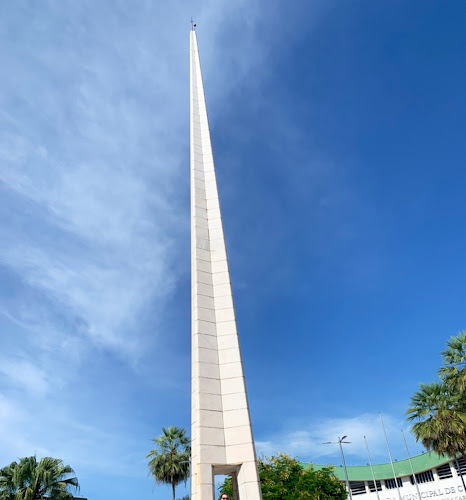
The América do Sul Geodesic Center marks one of those quirky geographical spots that travelers either absolutely love or find themselves scratching their heads about.
Highlights & Key Features
A concrete monument marking the precise geodesic center of the South American continent with detailed geographic information
Wheelchair accessible entrance and parking facilities making it one of the more inclusive geographic landmarks in the region
Family-friendly environment that's particularly suitable for traveling with children who might get restless at more demanding attractions
Free admission which is always a pleasant surprise when so many tourist spots charge premium prices
Quick visit timeframe ideal for breaking up long drives or adding to a packed itinerary without overwhelming your schedule
Photography opportunities with clear signage and the monument itself serving as a distinctive backdrop
Educational value for kids learning about geography, mathematics, and cartography in a hands-on setting
Maintained grounds that provide a clean, safe environment for visitors though admittedly basic in terms of facilities
Visitor Guide & Information
Description
I’ve always had a thing for these oddball geographic markers scattered around the world. They’re not flashy like waterfalls or dramatic like mountain peaks, but they tell a different kind of story. The center itself features a concrete monument with markings that indicate its special position on the map. It’s not going to take up your entire afternoon—most visitors spend maybe 30 to 45 minutes here—but it offers a unique photo opportunity and a legitimate claim to standing somewhere mathematically significant.
The site has become increasingly popular among road trippers and geography enthusiasts who appreciate the novelty of these calculated landmarks. Sure, you won’t find guided tours or elaborate visitor centers here, but that’s part of its charm in a way. It’s straightforward, honest, and doesn’t try to be something it’s not. You come, you see, you take your picture at the center of South America, and you move on with a fun fact to share at dinner parties.
What makes it particularly interesting is the accessibility factor. Unlike many tourist attractions that require hiking boots and stamina, this spot welcomes everyone. Families with young children find it an easy stop, and those with mobility concerns can access it without the usual headaches that come with visiting natural monuments.
Key Features
The América do Sul Geodesic Center offers several noteworthy aspects that make it worth considering for your South American itinerary:
A concrete monument marking the precise geodesic center of the South American continent with detailed geographic information
Wheelchair accessible entrance and parking facilities making it one of the more inclusive geographic landmarks in the region
Family-friendly environment that’s particularly suitable for traveling with children who might get restless at more demanding attractions
Free admission which is always a pleasant surprise when so many tourist spots charge premium prices
Quick visit timeframe ideal for breaking up long drives or adding to a packed itinerary without overwhelming your schedule
Photography opportunities with clear signage and the monument itself serving as a distinctive backdrop
Educational value for kids learning about geography, mathematics, and cartography in a hands-on setting
Maintained grounds that provide a clean, safe environment for visitors though admittedly basic in terms of facilities
Nearby areas for stretching your legs after long car journeys through the region
Best Time to Visit
Timing your visit to the América do Sul Geodesic Center isn’t quite as critical as planning a trip to see cherry blossoms or Northern Lights, but it still matters more than you’d think. The site is accessible year-round, which is great news for spontaneous travelers or those with fixed itineraries.
The dry season generally runs from May through September in this part of South America, and these months offer the most comfortable conditions for a visit. You’ll deal with less mud, clearer skies for photographs, and generally more pleasant weather for the drive there. I learned the hard way on one trip that visiting outdoor monuments during rainy season can turn a quick stop into a soggy, uncomfortable experience that leaves you questioning your life choices.
March, as it happens, sits right at that transition period between wet and dry seasons. You might catch some lingering rains, but temperatures are typically moderate and the landscape still holds that lush quality from the wetter months. Early morning visits, regardless of the month, tend to be less crowded—though “crowded” is relative here since this isn’t exactly Machu Picchu in terms of visitor numbers.
Weekends see slightly higher traffic, particularly from local families making day trips. If you prefer having the place mostly to yourself for uninterrupted photos and contemplation, aim for weekday mornings. The lighting is also better earlier in the day before the harsh midday sun washes out your pictures.
Avoid visiting during major Brazilian holidays if possible, as regional tourist spots experience upticks in visitors. But honestly, even during busy periods, you’re not likely to encounter the massive crowds that plague more famous attractions. The monument doesn’t require timed entry or advance planning, so you can be flexible based on weather conditions and your travel flow.
How to Get There
Getting to the América do Sul Geodesic Center requires a car—there’s really no getting around that fact. Public transportation doesn’t service this particular spot, which is simultaneously frustrating and part of what keeps it from being overrun with tourists.
Most visitors approach as part of a broader road trip through central Brazil. The monument is accessible via paved roads, though the final stretch might be a bit rough depending on recent weather and road maintenance schedules. A standard vehicle can make the journey without issues during dry conditions, but having an SUV or vehicle with decent clearance never hurts when traveling through this region.
GPS coordinates work reliably for navigation, though I’d recommend downloading offline maps before heading out. Cell service can be spotty in rural areas, and there’s nothing quite like the mild panic of losing signal when you’re trying to find a relatively obscure monument in the middle of South America. Trust me on this one.
The drive itself offers scenery that’s worth appreciating. You’ll pass through typical Brazilian countryside with cattle ranches, agricultural lands, and scattered small communities. It’s not dramatic in the postcard sense, but it provides authentic glimpses of everyday life away from tourist centers.
Plan for the journey to take longer than your GPS suggests. Roads in this part of the world don’t always accommodate the speed limits that mapping software assumes. Add buffer time for unexpected delays, whether that’s livestock crossing the road (a surprisingly common occurrence) or construction you didn’t anticipate.
Parking is straightforward with designated spaces near the monument. The wheelchair accessible parking mentioned earlier makes it easier for all travelers to enjoy the site without stressful maneuvering.
Tips for Visiting
Bring water and snacks because you won’t find vendors or facilities selling refreshments at the site. It’s a bring-your-own-supplies situation, which honestly I prefer over overpriced tourist trap concessions anyway. A small cooler in your car makes for a pleasant picnic opportunity if you want to extend your visit.
Sunscreen and hats are essential, especially during the warmer months. The monument area doesn’t offer much natural shade, and standing around in direct sunlight for even 20 minutes can lead to uncomfortable burns. I’ve got the farmer’s tan to prove what happens when you forget this basic step.
If you’re traveling with kids, frame the visit as a treasure hunt or scientific expedition. The educational angle works surprisingly well for keeping younger travelers engaged. “Standing at the exact center of a continent” sounds way cooler to a ten-year-old than “looking at a concrete monument in a field.”
Photography enthusiasts should consider the time of day for lighting. The monument faces a particular direction that looks best with specific sun angles. Golden hour shots work beautifully here if you’re willing to time your visit accordingly.
Don’t expect bathroom facilities, souvenir shops, or guided interpretive programs. This is a monument, not a developed tourist complex. Plan accordingly, especially if you’re traveling with young children or anyone who needs regular restroom access. The nearest town with facilities might be further than comfortable for some travelers.
Check the weather forecast before heading out. While the monument itself is always there, visiting during a downpour or extreme heat diminishes the experience significantly. Flexibility in your schedule allows you to pick optimal conditions.
Respect the site even though it’s not heavily monitored. It stays accessible and free partly because visitors have generally treated it well. Leave no trace, don’t vandalize the monument, and keep the area clean for future travelers.
Combine your visit with other regional attractions to maximize your travel time. The geodesic center works best as one stop on a larger journey rather than a standalone destination. Research what else lies within reasonable driving distance to create a fuller day of exploration.
Finally, manage expectations appropriately. This isn’t a theme park or natural wonder that will leave you speechless. It’s a marker of geographical significance that appeals to curiosity and appreciation for the mathematical precision behind mapping our world. If you approach it with that mindset, you’ll likely come away satisfied with the experience and maybe even a bit charmed by its understated presence.
The América do Sul Geodesic Center marks one of those quirky geographical spots that travelers either absolutely love or find themselves scratching their heads about. Sitting in the heart of South America, this monument pinpoints the exact geodesic center of the continent—basically the mathematical middle point when you crunch all the numbers. And honestly, there’s something pretty cool about standing in a spot that represents the geographical heart of an entire landmass.
I’ve always had a thing for these oddball geographic markers scattered around the world. They’re not flashy like waterfalls or dramatic like mountain peaks, but they tell a different kind of story. The center itself features a concrete monument with markings that indicate its special position on the map. It’s not going to take up your entire afternoon—most visitors spend maybe 30 to 45 minutes here—but it offers a unique photo opportunity and a legitimate claim to standing somewhere mathematically significant.
The site has become increasingly popular among road trippers and geography enthusiasts who appreciate the novelty of these calculated landmarks. Sure, you won’t find guided tours or elaborate visitor centers here, but that’s part of its charm in a way. It’s straightforward, honest, and doesn’t try to be something it’s not. You come, you see, you take your picture at the center of South America, and you move on with a fun fact to share at dinner parties.
What makes it particularly interesting is the accessibility factor. Unlike many tourist attractions that require hiking boots and stamina, this spot welcomes everyone. Families with young children find it an easy stop, and those with mobility concerns can access it without the usual headaches that come with visiting natural monuments.
Key Features
The América do Sul Geodesic Center offers several noteworthy aspects that make it worth considering for your South American itinerary:
A concrete monument marking the precise geodesic center of the South American continent with detailed geographic information
Wheelchair accessible entrance and parking facilities making it one of the more inclusive geographic landmarks in the region
Family-friendly environment that’s particularly suitable for traveling with children who might get restless at more demanding attractions
Free admission which is always a pleasant surprise when so many tourist spots charge premium prices
Quick visit timeframe ideal for breaking up long drives or adding to a packed itinerary without overwhelming your schedule
Photography opportunities with clear signage and the monument itself serving as a distinctive backdrop
Educational value for kids learning about geography, mathematics, and cartography in a hands-on setting
Maintained grounds that provide a clean, safe environment for visitors though admittedly basic in terms of facilities
Nearby areas for stretching your legs after long car journeys through the region
Best Time to Visit
Timing your visit to the América do Sul Geodesic Center isn’t quite as critical as planning a trip to see cherry blossoms or Northern Lights, but it still matters more than you’d think. The site is accessible year-round, which is great news for spontaneous travelers or those with fixed itineraries.
The dry season generally runs from May through September in this part of South America, and these months offer the most comfortable conditions for a visit. You’ll deal with less mud, clearer skies for photographs, and generally more pleasant weather for the drive there. I learned the hard way on one trip that visiting outdoor monuments during rainy season can turn a quick stop into a soggy, uncomfortable experience that leaves you questioning your life choices.
March, as it happens, sits right at that transition period between wet and dry seasons. You might catch some lingering rains, but temperatures are typically moderate and the landscape still holds that lush quality from the wetter months. Early morning visits, regardless of the month, tend to be less crowded—though “crowded” is relative here since this isn’t exactly Machu Picchu in terms of visitor numbers.
Weekends see slightly higher traffic, particularly from local families making day trips. If you prefer having the place mostly to yourself for uninterrupted photos and contemplation, aim for weekday mornings. The lighting is also better earlier in the day before the harsh midday sun washes out your pictures.
Avoid visiting during major Brazilian holidays if possible, as regional tourist spots experience upticks in visitors. But honestly, even during busy periods, you’re not likely to encounter the massive crowds that plague more famous attractions. The monument doesn’t require timed entry or advance planning, so you can be flexible based on weather conditions and your travel flow.
How to Get There
Getting to the América do Sul Geodesic Center requires a car—there’s really no getting around that fact. Public transportation doesn’t service this particular spot, which is simultaneously frustrating and part of what keeps it from being overrun with tourists.
Most visitors approach as part of a broader road trip through central Brazil. The monument is accessible via paved roads, though the final stretch might be a bit rough depending on recent weather and road maintenance schedules. A standard vehicle can make the journey without issues during dry conditions, but having an SUV or vehicle with decent clearance never hurts when traveling through this region.
GPS coordinates work reliably for navigation, though I’d recommend downloading offline maps before heading out. Cell service can be spotty in rural areas, and there’s nothing quite like the mild panic of losing signal when you’re trying to find a relatively obscure monument in the middle of South America. Trust me on this one.
The drive itself offers scenery that’s worth appreciating. You’ll pass through typical Brazilian countryside with cattle ranches, agricultural lands, and scattered small communities. It’s not dramatic in the postcard sense, but it provides authentic glimpses of everyday life away from tourist centers.
Plan for the journey to take longer than your GPS suggests. Roads in this part of the world don’t always accommodate the speed limits that mapping software assumes. Add buffer time for unexpected delays, whether that’s livestock crossing the road (a surprisingly common occurrence) or construction you didn’t anticipate.
Parking is straightforward with designated spaces near the monument. The wheelchair accessible parking mentioned earlier makes it easier for all travelers to enjoy the site without stressful maneuvering.
Tips for Visiting
Bring water and snacks because you won’t find vendors or facilities selling refreshments at the site. It’s a bring-your-own-supplies situation, which honestly I prefer over overpriced tourist trap concessions anyway. A small cooler in your car makes for a pleasant picnic opportunity if you want to extend your visit.
Sunscreen and hats are essential, especially during the warmer months. The monument area doesn’t offer much natural shade, and standing around in direct sunlight for even 20 minutes can lead to uncomfortable burns. I’ve got the farmer’s tan to prove what happens when you forget this basic step.
If you’re traveling with kids, frame the visit as a treasure hunt or scientific expedition. The educational angle works surprisingly well for keeping younger travelers engaged. “Standing at the exact center of a continent” sounds way cooler to a ten-year-old than “looking at a concrete monument in a field.”
Photography enthusiasts should consider the time of day for lighting. The monument faces a particular direction that looks best with specific sun angles. Golden hour shots work beautifully here if you’re willing to time your visit accordingly.
Don’t expect bathroom facilities, souvenir shops, or guided interpretive programs. This is a monument, not a developed tourist complex. Plan accordingly, especially if you’re traveling with young children or anyone who needs regular restroom access. The nearest town with facilities might be further than comfortable for some travelers.
Check the weather forecast before heading out. While the monument itself is always there, visiting during a downpour or extreme heat diminishes the experience significantly. Flexibility in your schedule allows you to pick optimal conditions.
Respect the site even though it’s not heavily monitored. It stays accessible and free partly because visitors have generally treated it well. Leave no trace, don’t vandalize the monument, and keep the area clean for future travelers.
Combine your visit with other regional attractions to maximize your travel time. The geodesic center works best as one stop on a larger journey rather than a standalone destination. Research what else lies within reasonable driving distance to create a fuller day of exploration.
Finally, manage expectations appropriately. This isn’t a theme park or natural wonder that will leave you speechless. It’s a marker of geographical significance that appeals to curiosity and appreciation for the mathematical precision behind mapping our world. If you approach it with that mindset, you’ll likely come away satisfied with the experience and maybe even a bit charmed by its understated presence.
Key Highlights
A concrete monument marking the precise geodesic center of the South American continent with detailed geographic information
Wheelchair accessible entrance and parking facilities making it one of the more inclusive geographic landmarks in the region
Family-friendly environment that's particularly suitable for traveling with children who might get restless at more demanding attractions
Free admission which is always a pleasant surprise when so many tourist spots charge premium prices
Quick visit timeframe ideal for breaking up long drives or adding to a packed itinerary without overwhelming your schedule
Photography opportunities with clear signage and the monument itself serving as a distinctive backdrop
Educational value for kids learning about geography, mathematics, and cartography in a hands-on setting
Maintained grounds that provide a clean, safe environment for visitors though admittedly basic in terms of facilities
Location
Places to Stay Near América do Sul Geodesic Center
Explore verified points of interest within walking or short transit distance.
No neighboring places mapped within 5 km yet.
Find Places to Stay Nearby
Stay22 provides this accommodation search. We may earn a commission if you book through it; verify current prices and terms with the provider.
🗺️
Interactive accommodation map requires marketing cookies to display live rates.
Recommended Experiences & Activities
GetYourGuide provides this tour inventory. We may earn a commission if you book through it; verify current availability, prices, and terms with the provider.
Top Viator Experiences & Guided Tours in Cuiabá
We may earn a commission if you book through links on this page at no extra cost to you. All tours feature verified customer reviews and flexible cancellation options.