
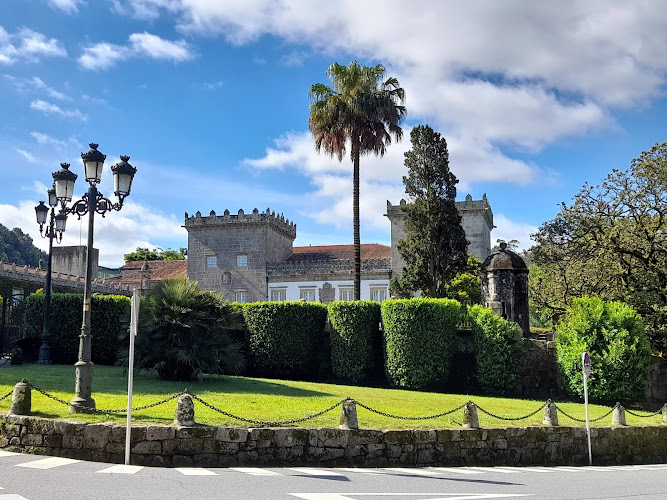
Museo Quiñones de León
About Museo Quiñones de León
Description
Hidden away in the lush outskirts of Vigo, the Museo Quiñones de León feels like stepping into a quiet conversation between art, history, and nature. It’s not one of those museums that try too hard to impress you with grandeur. Instead, it charms you in a slower, more personal way. The museum occupies a stately 17th-century manor that once belonged to the noble Quiñones de León family—a name that carries centuries of prestige in Galicia. Inside, the rooms preserve the atmosphere of an aristocratic home from the 18th to 20th centuries, complete with antique furniture, delicate tapestries, and portraits that seem to follow you with their eyes.
What makes this museum special, at least to me, is how it feels lived-in. You can almost imagine the rustle of silk gowns in the corridors or hear the faint clinking of porcelain cups during afternoon tea. The collection isn’t just about paintings or sculptures—it’s about a way of life. There’s a sense of intimacy here, a glimpse into how Galicia’s upper class once moved through their days, surrounded by art and refinement.
And then there’s the garden. Oh, the garden! If you’re anything like me, you’ll probably spend as much time outside as inside. The museum’s grounds stretch out into a perfectly kept park, dotted with fountains, statues, and the occasional peacock strutting by as if it owns the place. It’s a lovely spot to sit with a coffee (bring your own, since there’s no café) and just breathe in the quiet. The museum’s setting within Vigo’s Castrelos Park makes it feel both secluded and accessible—a rare balance.
Visitors often remark on the museum’s peaceful atmosphere, and I’d agree. It’s not crowded, even in summer, which gives you space to take it all in. Sure, some of the exhibits could use a bit of modern updating—labels can be a tad old-fashioned—but honestly, that’s part of the charm. It feels authentic, unpolished in the best way.
Key Features
- Historic Mansion: The museum is housed in the former Quiñones de León family residence, offering a rare glimpse into Galician aristocratic life from the 18th to 20th centuries.
- Art Collection: Features an impressive range of Spanish and European art, including works by local Galician artists and classic masters from various periods.
- Period Furniture & Décor: Each room is furnished as it might have been centuries ago, with antique furniture, tapestries, and personal objects that tell stories of daily life.
- Extensive Gardens: The surrounding parkland includes sculpted gardens, fountains, and walking paths that make it ideal for a leisurely stroll after exploring the exhibits.
- Accessibility: The museum is wheelchair-friendly, with accessible entrances, restrooms, and parking facilities.
- Family-Friendly: Welcoming to children, with open spaces and an inviting, relaxed environment that doesn’t feel overly formal.
- Free Admission: Entry is free, making it a budget-friendly cultural experience for travelers.
Best Time to Visit
If you ask me, spring and early autumn are the sweet spots for visiting the Museo Quiñones de León. The gardens are in full bloom around April and May, and the weather in Vigo is mild enough to wander comfortably. Summer can get busy, especially on weekends, but it’s still nowhere near the crush you’ll find at bigger Spanish attractions. Winter has its own quiet charm—misty mornings, fewer tourists, and that feeling of having the place almost to yourself.
One thing to note: the museum is closed on Mondays (like many in Spain), so plan accordingly. Weekdays are best if you like a calm, unhurried experience. I once visited on a rainy Thursday afternoon, and the sound of raindrops against the old windows made the whole place feel like a time capsule. It’s the kind of spot that rewards slow travel—where you can linger without feeling rushed.
How to Get There
Reaching the Museo Quiñones de León is straightforward if you’re already in Vigo. It’s located within the city’s Castrelos area, about a 10-minute drive from the city center. You can take a local bus—several routes stop nearby—or grab a taxi if you prefer convenience. For those driving, there’s a free parking lot right by the entrance, which is a rare treat in a city.
If you’re coming from further afield, Vigo’s train station connects easily with other Galician cities like Santiago de Compostela and A Coruña. From the station, a short taxi ride will get you to the museum in under 15 minutes. It’s also possible to walk from some nearby neighborhoods if you enjoy stretching your legs; the route takes you through leafy residential streets that give you a peek at everyday life in Vigo.
Tips for Visiting
Here’s the thing—this isn’t the kind of museum where you rush from one exhibit to the next. It’s more of a slow wander kind of place. So, give yourself at least two hours. Start inside, then take your time exploring the gardens afterward. Bring a bottle of water and maybe a snack, since there’s no restaurant on-site. The park has plenty of benches where you can sit and enjoy a quiet moment.
Photography is allowed in most areas, but always check the signs—some rooms restrict flash. If you’re traveling with kids, they’ll love the open spaces outside more than the paintings, so plan to spend extra time in the gardens. And if you’re into history, take a moment to read about the Quiñones de León family before you go—it adds depth to what you’re seeing.
Accessibility here is excellent, which is something I really appreciate. The museum has ramps, wide pathways, and accessible restrooms, making it comfortable for visitors with mobility needs. Parking is free and close to the entrance, which is a small but meaningful detail when you’ve been walking all day.
One personal tip: visit in the late afternoon if you can. The light filtering through the trees makes the gardens glow, and the atmosphere becomes almost cinematic. I once sat by the fountain as the sun dipped behind the trees, and for a few minutes, it felt like I’d slipped into another century. That’s the kind of memory this place gives you—not flashy, but quietly unforgettable.
All in all, the Museo Quiñones de León is the sort of destination that rewards curiosity. It’s not about ticking boxes or chasing famous masterpieces—it’s about stepping into a story. And if you’re the kind of traveler who values authenticity, history, and a touch of tranquility, this museum will absolutely speak to you.
Key Features
- Key Features
- Best Time to Visit
- How to Get There
- Tips for Visiting
More Details
Updated November 9, 2025
Table of Contents
Description
Hidden away in the lush outskirts of Vigo, the Museo Quiñones de León feels like stepping into a quiet conversation between art, history, and nature. It’s not one of those museums that try too hard to impress you with grandeur. Instead, it charms you in a slower, more personal way. The museum occupies a stately 17th-century manor that once belonged to the noble Quiñones de León family—a name that carries centuries of prestige in Galicia. Inside, the rooms preserve the atmosphere of an aristocratic home from the 18th to 20th centuries, complete with antique furniture, delicate tapestries, and portraits that seem to follow you with their eyes.
What makes this museum special, at least to me, is how it feels lived-in. You can almost imagine the rustle of silk gowns in the corridors or hear the faint clinking of porcelain cups during afternoon tea. The collection isn’t just about paintings or sculptures—it’s about a way of life. There’s a sense of intimacy here, a glimpse into how Galicia’s upper class once moved through their days, surrounded by art and refinement.
And then there’s the garden. Oh, the garden! If you’re anything like me, you’ll probably spend as much time outside as inside. The museum’s grounds stretch out into a perfectly kept park, dotted with fountains, statues, and the occasional peacock strutting by as if it owns the place. It’s a lovely spot to sit with a coffee (bring your own, since there’s no café) and just breathe in the quiet. The museum’s setting within Vigo’s Castrelos Park makes it feel both secluded and accessible—a rare balance.
Visitors often remark on the museum’s peaceful atmosphere, and I’d agree. It’s not crowded, even in summer, which gives you space to take it all in. Sure, some of the exhibits could use a bit of modern updating—labels can be a tad old-fashioned—but honestly, that’s part of the charm. It feels authentic, unpolished in the best way.
Key Features
- Historic Mansion: The museum is housed in the former Quiñones de León family residence, offering a rare glimpse into Galician aristocratic life from the 18th to 20th centuries.
- Art Collection: Features an impressive range of Spanish and European art, including works by local Galician artists and classic masters from various periods.
- Period Furniture & Décor: Each room is furnished as it might have been centuries ago, with antique furniture, tapestries, and personal objects that tell stories of daily life.
- Extensive Gardens: The surrounding parkland includes sculpted gardens, fountains, and walking paths that make it ideal for a leisurely stroll after exploring the exhibits.
- Accessibility: The museum is wheelchair-friendly, with accessible entrances, restrooms, and parking facilities.
- Family-Friendly: Welcoming to children, with open spaces and an inviting, relaxed environment that doesn’t feel overly formal.
- Free Admission: Entry is free, making it a budget-friendly cultural experience for travelers.
Best Time to Visit
If you ask me, spring and early autumn are the sweet spots for visiting the Museo Quiñones de León. The gardens are in full bloom around April and May, and the weather in Vigo is mild enough to wander comfortably. Summer can get busy, especially on weekends, but it’s still nowhere near the crush you’ll find at bigger Spanish attractions. Winter has its own quiet charm—misty mornings, fewer tourists, and that feeling of having the place almost to yourself.
One thing to note: the museum is closed on Mondays (like many in Spain), so plan accordingly. Weekdays are best if you like a calm, unhurried experience. I once visited on a rainy Thursday afternoon, and the sound of raindrops against the old windows made the whole place feel like a time capsule. It’s the kind of spot that rewards slow travel—where you can linger without feeling rushed.
How to Get There
Reaching the Museo Quiñones de León is straightforward if you’re already in Vigo. It’s located within the city’s Castrelos area, about a 10-minute drive from the city center. You can take a local bus—several routes stop nearby—or grab a taxi if you prefer convenience. For those driving, there’s a free parking lot right by the entrance, which is a rare treat in a city.
If you’re coming from further afield, Vigo’s train station connects easily with other Galician cities like Santiago de Compostela and A Coruña. From the station, a short taxi ride will get you to the museum in under 15 minutes. It’s also possible to walk from some nearby neighborhoods if you enjoy stretching your legs; the route takes you through leafy residential streets that give you a peek at everyday life in Vigo.
Tips for Visiting
Here’s the thing—this isn’t the kind of museum where you rush from one exhibit to the next. It’s more of a slow wander kind of place. So, give yourself at least two hours. Start inside, then take your time exploring the gardens afterward. Bring a bottle of water and maybe a snack, since there’s no restaurant on-site. The park has plenty of benches where you can sit and enjoy a quiet moment.
Photography is allowed in most areas, but always check the signs—some rooms restrict flash. If you’re traveling with kids, they’ll love the open spaces outside more than the paintings, so plan to spend extra time in the gardens. And if you’re into history, take a moment to read about the Quiñones de León family before you go—it adds depth to what you’re seeing.
Accessibility here is excellent, which is something I really appreciate. The museum has ramps, wide pathways, and accessible restrooms, making it comfortable for visitors with mobility needs. Parking is free and close to the entrance, which is a small but meaningful detail when you’ve been walking all day.
One personal tip: visit in the late afternoon if you can. The light filtering through the trees makes the gardens glow, and the atmosphere becomes almost cinematic. I once sat by the fountain as the sun dipped behind the trees, and for a few minutes, it felt like I’d slipped into another century. That’s the kind of memory this place gives you—not flashy, but quietly unforgettable.
All in all, the Museo Quiñones de León is the sort of destination that rewards curiosity. It’s not about ticking boxes or chasing famous masterpieces—it’s about stepping into a story. And if you’re the kind of traveler who values authenticity, history, and a touch of tranquility, this museum will absolutely speak to you.
Key Highlights
- Key Features
- Best Time to Visit
- How to Get There
- Tips for Visiting
Location
Places to Stay Near Museo Quiñones de León
Find and Book a Tour
Explore More Travel Guides
No reviews found! Be the first to review!
Traveler Reviews for Museo Quiñones de León
There are no reviews yet. Be the first one to write one.
Have you visited Museo Quiñones de León? Help other travelers by sharing your review.
You Might Also Like

Miradoiro da Oliveira
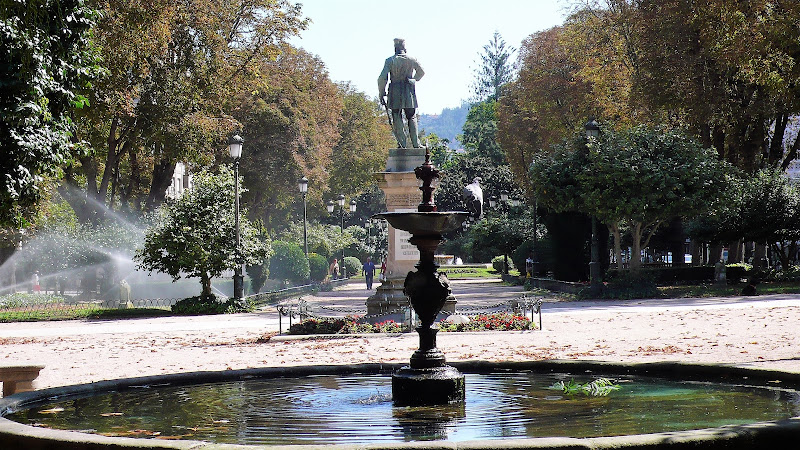
Alameda da Praza de Compostela
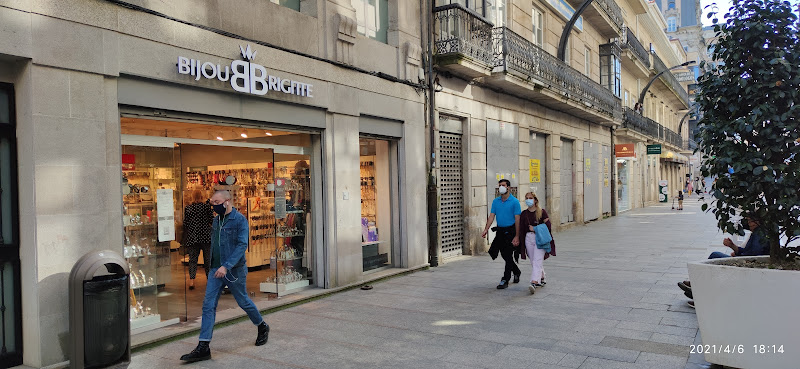
Centro Comercial Centro Príncipe
Find Accommodations Nearby
Recommended Tours & Activities
Visitor Reviews
There are no reviews yet. Be the first one to write one.
Share Your Experience
Have you visited Museo Quiñones de León? Help other travelers by leaving a review.