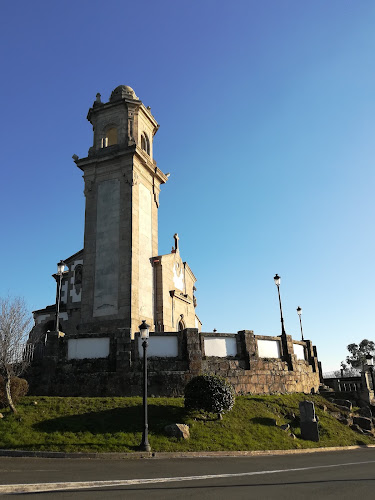
Perched above the city of Horta on Faial Island in the Azores, this ancient volcanic hill tells stories of fire and sea, of fishermen and faith, and of the raw beauty that defines the Atlantic archipelago. It’s not just a viewpoint—it’s a living, breathing landscape that feels both rugged and sacred. And honestly, there’s something deeply calming about standing up there, with the wind brushing past your face and the ocean stretching endlessly below.
This protected landscape is part of the Faial Nature Park and includes two volcanic cones—Monte da Guía and Monte Queimado. Together, they form a small peninsula that shelters the tranquil bay of Porto Pim. The area’s geological history is fascinating: Monte da Guía was once a submarine volcano that later fused with the island, creating the unique shape you see today. Over time, nature reclaimed it, covering the slopes with endemic plants and turning it into a sanctuary for seabirds. It’s a place where science, spirituality, and scenic beauty all meet.
At the summit, the Chapel of Nossa Senhora da Guia stands like a quiet guardian. Built in the 16th century and lovingly restored, it offers not just a glimpse into history but also a front-row seat to one of the best sunsets in the Azores. Locals often come here to reflect, pray, or simply watch the light fade over Horta’s harbor. I remember hiking up one late afternoon and sitting beside an elderly man who told me he’d been coming there since he was a boy. “This hill,” he said, “always listens.” And I believed him.
Key Features
Monte da Guía isn’t flashy or crowded, and that’s exactly its charm. It’s the kind of place where you can take your time—walk slowly, breathe deeply, and just exist for a while. And if you’re into photography, bring your camera. The play of light here—especially at dawn and dusk—is pure magic.
Best Time to Visit
While Monte da Guía is beautiful year-round, the best time to visit really depends on what you’re after. If you’re chasing those golden, cinematic sunsets, late spring through early autumn (May to September) is ideal. The weather is warm, the skies are clear, and the Atlantic breeze keeps things comfortable.
That said, I’ve been there in winter, and there’s something hauntingly peaceful about it too. The clouds roll in low, the sea turns a deeper shade of blue, and the chapel feels almost otherworldly. You’ll likely have the place to yourself, which, if you’re like me and enjoy a bit of solitude, is a gift. Just pack a light jacket—the wind can get playful up there.
Sunrise and sunset are the real showstoppers. Morning visits are quieter, with the city still waking up, while evenings bring a soft glow over Horta and the neighboring islands. If you’re lucky, you might even catch a few dolphins playing in the distant waters.
How to Get There
Monte da Guía sits just a short distance from the center of Horta, making it incredibly easy to reach whether you’re on foot, by car, or even by bike. Most visitors start from Porto Pim Beach—it’s a gentle climb from there, and the path is clearly marked. The walk takes about 20 to 30 minutes at a leisurely pace, depending on how often you stop to take photos (and trust me, you’ll stop a lot).
If you’re driving, there’s a small parking area near the base of the hill, with accessible spots available. Public transport in Horta is limited, but taxis and rental bikes are common. I personally love cycling up in the early morning—it’s a bit of a workout, sure, but the reward at the top makes every pedal stroke worth it.
For those with mobility concerns, the main viewpoint area can be accessed by vehicle, and the paths are relatively even, making it possible to enjoy the views without tackling steep trails.
Tips for Visiting
Here’s the thing about Monte da Guía—it’s not just about getting there; it’s about how you experience it. So before you go, here are a few tips from someone who’s been there more times than they can count.
- Go early or late: Midday can get a bit bright for photos, and the light is far softer in the early morning or late afternoon.
- Bring water and snacks: There aren’t many facilities on the hill itself, so pack a small picnic. There’s nothing quite like eating a sandwich with a view of the Atlantic.
- Wear comfortable shoes: The paths are well-maintained but can be uneven in spots, especially if you venture off the main route.
- Respect the chapel: It’s still an active place of devotion for locals, so keep voices low and be mindful if a service is happening.
- Check the weather: The Azores are known for their quick-changing conditions. A sunny morning can turn misty in minutes, which is beautiful but worth preparing for.
- Bring binoculars: Birdwatchers will love spotting seabirds nesting along the cliffs, and you might even catch sight of a whale offshore.
- Stay for sunset: Honestly, don’t rush back down. The view as the sun dips behind Pico Island is one of those moments that stays with you long after you’ve left.
Monte da Guía has this quiet power to make you slow down. Maybe it’s the sea air, maybe it’s the history, or maybe it’s just the way the place feels untouched by time. Whatever it is, it’s worth experiencing. You don’t need to be a hiker or a nature buff to appreciate it—just bring an open heart and a bit of curiosity.
And if you happen to meet a local up there, strike up a conversation. People in Horta love to share stories about the hill—legends of sailors who prayed at the chapel before heading out to sea, or how the volcano beneath shaped the island’s destiny. It’s these little details, these human touches, that make Monte da Guía so much more than just a viewpoint. It’s a place where land, sea, and spirit meet—and once you’ve been, you’ll understand why so many people return again and again.
 Real Journey Travels