
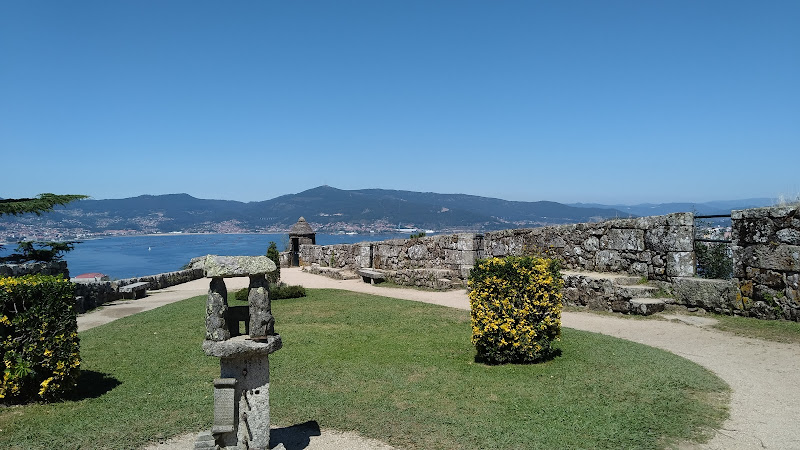
Castelo do Castro
About Castelo do Castro
Description
Perched high above the city of Vigo, the Castelo do Castro tells a story that’s older than most of the streets below. This fortress, built in the 17th century during the Portuguese Restoration War, was once the city’s shield against invading forces. Today, it’s a peaceful retreat where history and nature blend in a way that feels almost cinematic. You can walk along ancient stone walls, peek through old battlements, and imagine the soldiers who once stood guard over the shimmering Ría de Vigo. The view from the top—oh, that view—is the kind that makes you stop mid-sentence and just breathe it all in.
The fortress itself is part of a larger park, dotted with prehistoric ruins from the Castro culture that gave Vigo its name. It’s fascinating to think that people were living on this very hill thousands of years ago, long before the first stone of the castle was ever laid. The combination of medieval fortifications and ancient archaeological remains gives the place a layered, almost time-traveling feel. And while some of the walls have weathered centuries of storms, they still stand proud—solid reminders of Vigo’s resilience.
Walking through the gates, you’ll notice how the atmosphere shifts. The city noise fades, replaced by the rustle of leaves and the distant hum of seagulls. Families spread out picnics on the grass, couples take selfies against the skyline, and locals jog past like it’s their everyday route (which, honestly, I envy). It’s one of those rare places that feels both grand and approachable. Sure, it’s a fortress, but it’s also a park—a living, breathing part of the city.
Key Features
- Historic Fortress Walls: Built in the 1600s to defend Vigo from naval attacks, the walls still outline the original fort’s triangular design.
- Archaeological Site: Ancient ruins from the Castro culture are visible on the surrounding slopes, offering a glimpse into Vigo’s prehistoric roots.
- Panoramic Views: Sweeping views of the Ría de Vigo, the Cíes Islands, and the city skyline—especially magical at sunset.
- Gardens and Green Spaces: Landscaped areas filled with native flora, perfect for a quiet stroll or a picnic.
- Accessibility: Wheelchair-accessible paths and parking make it easy for everyone to explore.
- Family-Friendly: Safe open spaces where kids can run around and explore without worry.
- Cultural Exhibits: Occasional art installations and local exhibitions that connect Vigo’s past with its creative present.
Best Time to Visit
If you ask locals, they’ll tell you there’s no bad time to visit the Castelo do Castro—but let’s be honest, some times are just better than others. Spring and early autumn are ideal. The weather is mild, the gardens are in bloom, and the light has that golden softness that photographers dream about. Summer can get a bit busy, especially in the late afternoons when tourists and locals alike head up for the sunset. Still, even then, there’s enough space to find a quiet corner.
Winter has its own charm too. The air feels crisp, and the views are often clearer after a bit of rain. It’s also when you’ll find fewer crowds, which means you can wander the paths and really soak up the history without too many interruptions. Just bring a jacket—it gets breezy up there.
How to Get There
Reaching the Castelo do Castro is easier than it looks from below. If you’re staying in the city center, it’s about a 15- to 20-minute walk uphill. The route winds through Vigo’s older neighborhoods, which are worth exploring on their own. You’ll pass little cafés, stone stairways, and the occasional street musician playing something soulful enough to make you slow down.
For those who’d rather save their energy for the top, taxis and local buses can drop you near the park entrance. There’s also parking available nearby if you’re driving, including accessible spaces. Once inside, the paths are well-marked, and you can easily spend an hour or two exploring without ever feeling rushed. Just follow the flow of the walkways upward—every turn seems to reveal another postcard-worthy view.
Tips for Visiting
Here’s where a few insider thoughts might come in handy. First, wear comfortable shoes. The paths are paved but uneven in places, and you’ll want to wander off the main route to see the best spots. Bring water, especially in summer, because while there are shaded areas, the climb can warm you up fast.
If you’re into photography, plan to arrive a bit before sunset. The light hits the fortress walls just right, and the view over the estuary turns into a gradient of golds and pinks that’s impossible to capture fully—but worth trying anyway. Morning visits are great too, especially if you like peace and quiet. You’ll often find locals doing yoga or reading on the benches, and the whole place feels like a secret garden above the city.
Families will appreciate the open green spaces—kids can run around safely while parents relax on the grass. And if you’re a history buff, don’t miss the small interpretive signs scattered around the site. They give just enough context to bring the ruins to life without feeling like a lecture. I remember reading one about the original layout of the fort and realizing how much smaller the city used to be—it made the view even more impressive.
Lastly, give yourself time. Don’t just rush to the top for the view and leave. Sit for a while, maybe grab a snack from a nearby café and enjoy it on a bench overlooking the bay. Watch the ferries drifting across the water. Listen to the gulls. It’s one of those places that rewards stillness. The Castelo do Castro isn’t just a monument—it’s a reminder of how history, nature, and everyday life can coexist beautifully when given space to breathe.
So whether you’re a history lover, a casual wanderer, or someone just looking for a quiet escape above the city, this fortress delivers. It’s not flashy or overly polished, but that’s part of its charm. It feels real—worn in all the right ways, layered with stories, and always ready to share another one with whoever takes the time to listen.
Key Features
- Key Features
- Best Time to Visit
- How to Get There
- Tips for Visiting
More Details
Updated November 9, 2025
Table of Contents
Description
Perched high above the city of Vigo, the Castelo do Castro tells a story that’s older than most of the streets below. This fortress, built in the 17th century during the Portuguese Restoration War, was once the city’s shield against invading forces. Today, it’s a peaceful retreat where history and nature blend in a way that feels almost cinematic. You can walk along ancient stone walls, peek through old battlements, and imagine the soldiers who once stood guard over the shimmering Ría de Vigo. The view from the top—oh, that view—is the kind that makes you stop mid-sentence and just breathe it all in.
The fortress itself is part of a larger park, dotted with prehistoric ruins from the Castro culture that gave Vigo its name. It’s fascinating to think that people were living on this very hill thousands of years ago, long before the first stone of the castle was ever laid. The combination of medieval fortifications and ancient archaeological remains gives the place a layered, almost time-traveling feel. And while some of the walls have weathered centuries of storms, they still stand proud—solid reminders of Vigo’s resilience.
Walking through the gates, you’ll notice how the atmosphere shifts. The city noise fades, replaced by the rustle of leaves and the distant hum of seagulls. Families spread out picnics on the grass, couples take selfies against the skyline, and locals jog past like it’s their everyday route (which, honestly, I envy). It’s one of those rare places that feels both grand and approachable. Sure, it’s a fortress, but it’s also a park—a living, breathing part of the city.
Key Features
- Historic Fortress Walls: Built in the 1600s to defend Vigo from naval attacks, the walls still outline the original fort’s triangular design.
- Archaeological Site: Ancient ruins from the Castro culture are visible on the surrounding slopes, offering a glimpse into Vigo’s prehistoric roots.
- Panoramic Views: Sweeping views of the Ría de Vigo, the Cíes Islands, and the city skyline—especially magical at sunset.
- Gardens and Green Spaces: Landscaped areas filled with native flora, perfect for a quiet stroll or a picnic.
- Accessibility: Wheelchair-accessible paths and parking make it easy for everyone to explore.
- Family-Friendly: Safe open spaces where kids can run around and explore without worry.
- Cultural Exhibits: Occasional art installations and local exhibitions that connect Vigo’s past with its creative present.
Best Time to Visit
If you ask locals, they’ll tell you there’s no bad time to visit the Castelo do Castro—but let’s be honest, some times are just better than others. Spring and early autumn are ideal. The weather is mild, the gardens are in bloom, and the light has that golden softness that photographers dream about. Summer can get a bit busy, especially in the late afternoons when tourists and locals alike head up for the sunset. Still, even then, there’s enough space to find a quiet corner.
Winter has its own charm too. The air feels crisp, and the views are often clearer after a bit of rain. It’s also when you’ll find fewer crowds, which means you can wander the paths and really soak up the history without too many interruptions. Just bring a jacket—it gets breezy up there.
How to Get There
Reaching the Castelo do Castro is easier than it looks from below. If you’re staying in the city center, it’s about a 15- to 20-minute walk uphill. The route winds through Vigo’s older neighborhoods, which are worth exploring on their own. You’ll pass little cafés, stone stairways, and the occasional street musician playing something soulful enough to make you slow down.
For those who’d rather save their energy for the top, taxis and local buses can drop you near the park entrance. There’s also parking available nearby if you’re driving, including accessible spaces. Once inside, the paths are well-marked, and you can easily spend an hour or two exploring without ever feeling rushed. Just follow the flow of the walkways upward—every turn seems to reveal another postcard-worthy view.
Tips for Visiting
Here’s where a few insider thoughts might come in handy. First, wear comfortable shoes. The paths are paved but uneven in places, and you’ll want to wander off the main route to see the best spots. Bring water, especially in summer, because while there are shaded areas, the climb can warm you up fast.
If you’re into photography, plan to arrive a bit before sunset. The light hits the fortress walls just right, and the view over the estuary turns into a gradient of golds and pinks that’s impossible to capture fully—but worth trying anyway. Morning visits are great too, especially if you like peace and quiet. You’ll often find locals doing yoga or reading on the benches, and the whole place feels like a secret garden above the city.
Families will appreciate the open green spaces—kids can run around safely while parents relax on the grass. And if you’re a history buff, don’t miss the small interpretive signs scattered around the site. They give just enough context to bring the ruins to life without feeling like a lecture. I remember reading one about the original layout of the fort and realizing how much smaller the city used to be—it made the view even more impressive.
Lastly, give yourself time. Don’t just rush to the top for the view and leave. Sit for a while, maybe grab a snack from a nearby café and enjoy it on a bench overlooking the bay. Watch the ferries drifting across the water. Listen to the gulls. It’s one of those places that rewards stillness. The Castelo do Castro isn’t just a monument—it’s a reminder of how history, nature, and everyday life can coexist beautifully when given space to breathe.
So whether you’re a history lover, a casual wanderer, or someone just looking for a quiet escape above the city, this fortress delivers. It’s not flashy or overly polished, but that’s part of its charm. It feels real—worn in all the right ways, layered with stories, and always ready to share another one with whoever takes the time to listen.
Key Highlights
- Key Features
- Best Time to Visit
- How to Get There
- Tips for Visiting
Location
Places to Stay Near Castelo do Castro
Find and Book a Tour
Explore More Travel Guides
No reviews found! Be the first to review!
Traveler Reviews for Castelo do Castro
There are no reviews yet. Be the first one to write one.
Have you visited Castelo do Castro? Help other travelers by sharing your review.
You Might Also Like

Salinae - Centro Arqueolóxico do Areal
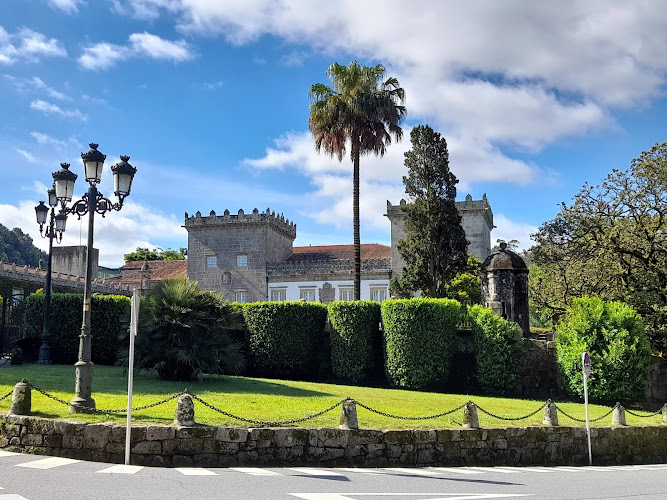
Museo Quiñones de León
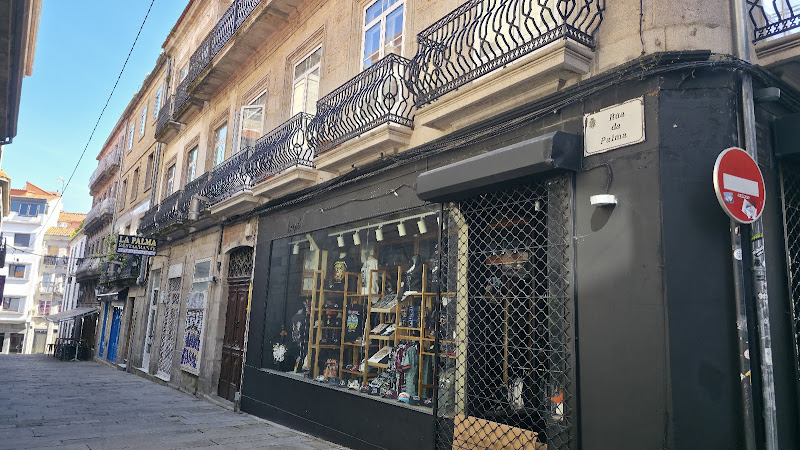
Mercado da Pedra
Find Accommodations Nearby
Recommended Tours & Activities
Visitor Reviews
There are no reviews yet. Be the first one to write one.
Share Your Experience
Have you visited Castelo do Castro? Help other travelers by leaving a review.