Museum 4.5 Amaicha del Valle, ArgentinaCommunity Guide

Museo Pachamama

San Miguel de Tucumán, RP307 km 118, T4137 Amaicha del Valle, Tucumán, Argentina

Museo Pachamama
24,023 Photos

About & Overview

Description

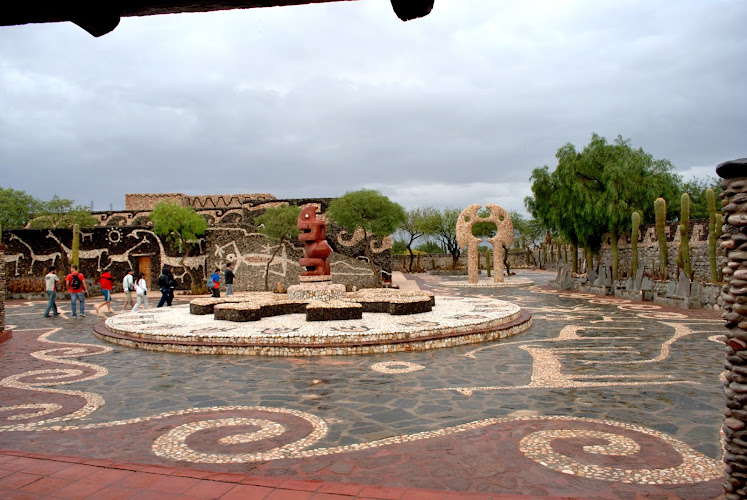
Perched in the high-altitude valley town of Amaicha del Valle, the Museo Pachamama — also called La Casa de Piedra — is an immersive celebration of Andean cosmology and local craft. Conceived and built by self-taught artist Héctor Cruz, the museum blends sculpture, murals, textiles and stone architecture to evoke pre-Hispanic ritual life and the continuing reverence for Pachamama (Mother Earth). Its fortress-like courtyard, carved stone figures of Inti and Quilla, and the dramatic “mesa de los 12 caciques” create a theatrical setting that feels both museum and sacred space. Visitors come for the intimate displays of weaving, pottery and ritual objects, the bold outdoor sculptures, and guided storytelling that links artifacts to living traditions in the Calchaquí Valleys. Beyond objects, the site is special for its location on Route 307 amid breathtaking desert-like landscapes and traditional villages — an ideal stop for travelers seeking cultural depth, photography opportunities and a deeper understanding of indigenous heritage in Tucumán Province. Plan to linger and let the place’s harmony between art, ritual and landscape sink in.

Highlights & Key Features

  • Stone courtyard with large sculptures representing Pachamama, Inti and Quilla
  • Works and installations by Héctor Cruz, including murals and carved figures
  • Mesa de los 12 caciques — a central ritual-themed sculptural table
  • Collection of regional textiles, pottery and ceremonial objects
  • Scenic setting on RP307 in Amaicha del Valle with panoramic valley views

Visitor Guide & Information

Description

The Museo Pachamama stands as a cultural treasure that offers travelers an authentic glimpse into indigenous traditions and ancient wisdom. This museum celebrates the connection between humanity and Mother Earth – which is exactly what Pachamama means in the native Quechua language. From the moment visitors step through the doors, they’re transported into a world where spirituality, art, and history blend together in ways that few museums manage to achieve.

What makes this place particularly special is how it presents pre-Columbian culture without the stuffiness you might expect from a traditional museum. The exhibits feel alive somehow, like they’re telling stories that have been waiting centuries to be heard. I’ve visited my fair share of museums around South America, and there’s something different about this one – maybe it’s the way the displays honor the earth-centered philosophies that still resonate with so many people today.

The museum houses an impressive collection of artifacts, ceremonial objects, and artistic pieces that span different indigenous cultures. But it’s not just about looking at old things behind glass. The space itself encourages reflection about our relationship with nature and how ancient peoples understood concepts we’re only now beginning to appreciate again. Climate change, sustainability, respect for natural resources – these aren’t new ideas, and the Museo Pachamama makes that abundantly clear.

Families will find this destination particularly rewarding because it sparks curiosity in both kids and adults. There’s educational value here that doesn’t feel like you’re being lectured to. And honestly, that’s refreshing.

Key Features

The museum presents several distinctive elements that make the visit worthwhile:

  • Comprehensive Indigenous Collections – The museum showcases artifacts from various pre-Columbian cultures, offering insights into daily life, spiritual practices, and artistic expression from civilizations that thrived long before European contact
  • Interactive Educational Approach – Unlike sterile museum experiences, the exhibits here engage visitors through thoughtful presentations that connect ancient wisdom to contemporary environmental concerns
  • Ceremonial Object Displays – Visitors can view authentic ceremonial items that were used in spiritual rituals, providing a window into the sacred practices that defined indigenous worldviews
  • Family-Oriented Design – The museum caters specifically to families with children, creating an environment where younger visitors can learn without getting bored or feeling overwhelmed
  • Complete Accessibility Features – Wheelchair accessible entrances, parking, and restrooms ensure that all visitors can explore the collections comfortably
  • Complimentary Parking – Free parking facilities remove one common travel headache from the equation
  • Restroom Facilities – Essential amenities are available onsite for visitor convenience
  • Cultural Context – The exhibits don’t just display objects – they explain the philosophical and practical contexts that made these items meaningful to their creators
  • Photography Opportunities – The museum’s layout and presentation style create numerous chances to capture memorable images of your visit
  • Educational Programs – Onsite services include various programs that deepen understanding of indigenous cultures and their continuing relevance

Best Time to Visit

Timing your visit to the Museo Pachamama can significantly impact your experience. Weekday mornings typically offer the most peaceful atmosphere – you’ll have more space to contemplate the exhibits without crowds pressing in around you. That quiet time matters when you’re trying to absorb complex cultural information or just want to sit with your thoughts for a moment.

But here’s the thing – if you’re traveling with kids, weekend visits might actually work better for your schedule even though they’re busier. The museum handles crowds pretty well, and children seem to feed off the energy of having other families around. I’ve noticed that kids get more excited about learning when they see other children engaged with the same exhibits.

The shoulder seasons – those periods just before or after peak tourist times – present the sweet spot for many travelers. You’ll find moderate crowds, comfortable weather for traveling to and from the museum, and often a more relaxed vibe overall. Plus, you won’t be fighting for parking spots or waiting in long lines.

If you’re visiting during local holiday periods, expect higher attendance but also potentially special programs or events. The museum sometimes offers enhanced experiences during culturally significant times of the year, which can add an extra layer of meaning to your visit.

Morning visits offer another advantage beyond smaller crowds – your mind is fresher, and you’re more likely to retain the information presented in the exhibits. By afternoon, museum fatigue is real, especially if you’ve already been sightseeing. Plan to spend at least two to three hours here if you really want to absorb everything. Rushing through defeats the purpose.

Weather doesn’t impact the museum experience as much as outdoor attractions, but it’s still worth checking forecasts. On rainy days, indoor attractions naturally see more visitors, so plan accordingly.

How to Get There

Getting to the Museo Pachamama requires a bit of planning, but it’s definitely manageable for most travelers. The museum’s location makes it accessible by various transportation methods, though having your own vehicle offers the most flexibility.

If you’re driving, you’ll appreciate that free parking lot mentioned earlier. GPS coordinates will get you there without much trouble, and the entrance is clearly marked. The roads leading to the museum are generally well-maintained, though conditions can vary depending on the season and recent weather. Always good to check current road conditions if you’re visiting during rainy periods.

For those relying on public transportation, research your options in advance. Bus routes and schedules change, so confirming current information before you leave your accommodation saves frustration. Some travelers find that hiring a taxi or using ride-sharing services (where available) provides a good balance between cost and convenience.

Many visitors combine their trip to the museum with other nearby attractions, which makes logistical sense. Planning a route that efficiently connects multiple destinations in the area maximizes your travel time and can actually reduce overall transportation costs.

The wheelchair accessible parking lot deserves special mention for travelers with mobility considerations. It’s positioned conveniently near the entrance, minimizing the distance visitors need to cover before entering the museum proper.

If you’re staying at a local hotel, ask the front desk about transportation recommendations. Staff often have insider knowledge about the most reliable and cost-effective ways to reach popular attractions. Some accommodations might even offer shuttle services or can arrange private transportation.

Walking from nearby areas is possible depending on where you’re staying, but check distances carefully. What looks close on a map can feel quite different when you’re actually covering that ground, especially in hot weather or if you have children in tow.

Tips for Visiting

Making the most of your Museo Pachamama experience comes down to smart preparation and the right mindset. First off, bring water – even though there are restrooms, staying hydrated helps you stay focused and comfortable throughout your visit. You won’t find a restaurant onsite, so eating a good meal beforehand or packing snacks (if permitted) prevents hunger from cutting your visit short.

Comfortable shoes matter more than you might think. You’ll be standing and walking for a couple hours at minimum, and tired feet quickly translate to a tired brain. Save the fashionable footwear for dinner and opt for practical comfort instead.

The wheelchair accessibility features aren’t just for wheelchair users – anyone with mobility challenges, including those using canes or walkers, will appreciate the thoughtful design. If you’re traveling with someone who has accessibility needs, don’t hesitate to ask staff about specific accommodations or the best route through the exhibits.

Photography policies vary by museum, so check before you start snapping pictures. Many places allow photography without flash, but some exhibits might have restrictions to protect delicate artifacts. Respecting these rules helps preserve the collections for future visitors.

Engage with the educational materials provided. Read those plaques, watch any videos, and don’t skip the explanatory text even when it seems lengthy. The context transforms random objects into meaningful cultural touchstones. And if something confuses you, ask questions – museum staff are typically passionate about the subject matter and happy to share additional insights.

For families with young children, set expectations before entering. A quick conversation about museum behavior – using inside voices, not touching exhibits, staying together – prevents problems before they start. But also give kids permission to take breaks if needed. Sometimes stepping outside for five minutes resets everyone’s patience and energy.

Consider visiting the museum early in your trip rather than at the end. The cultural context it provides can enhance your appreciation for other aspects of the region you’ll encounter later. Understanding indigenous perspectives shifts how you see landscapes, local customs, and even contemporary culture.

Don’t rush. Seriously, this isn’t the kind of place where speed-walking through benefits anyone. The whole point is contemplation and connection – with history, with different worldviews, with ideas about humanity’s place in the natural world. Give yourself permission to sit with exhibits that resonate with you.

Bathrooms are available, so use them when needed rather than letting discomfort distract from the experience. Sounds obvious, but you’d be surprised how many people try to “tough it out” at their own expense.

Finally, approach the museum with openness. You might encounter spiritual concepts or cultural practices that differ significantly from your own background. That’s the point – expanding your understanding of how different peoples have made meaning in the world. The Museo Pachamama offers that opportunity if you’re willing to receive it.

Community & Insider Notes

Last modified March 30, 2026

Description

The Museo Pachamama stands as a cultural treasure that offers travelers an authentic glimpse into indigenous traditions and ancient wisdom. This museum celebrates the connection between humanity and Mother Earth – which is exactly what Pachamama means in the native Quechua language. From the moment visitors step through the doors, they’re transported into a world where spirituality, art, and history blend together in ways that few museums manage to achieve.

What makes this place particularly special is how it presents pre-Columbian culture without the stuffiness you might expect from a traditional museum. The exhibits feel alive somehow, like they’re telling stories that have been waiting centuries to be heard. I’ve visited my fair share of museums around South America, and there’s something different about this one – maybe it’s the way the displays honor the earth-centered philosophies that still resonate with so many people today.

The museum houses an impressive collection of artifacts, ceremonial objects, and artistic pieces that span different indigenous cultures. But it’s not just about looking at old things behind glass. The space itself encourages reflection about our relationship with nature and how ancient peoples understood concepts we’re only now beginning to appreciate again. Climate change, sustainability, respect for natural resources – these aren’t new ideas, and the Museo Pachamama makes that abundantly clear.

Families will find this destination particularly rewarding because it sparks curiosity in both kids and adults. There’s educational value here that doesn’t feel like you’re being lectured to. And honestly, that’s refreshing.

Key Features

The museum presents several distinctive elements that make the visit worthwhile:

  • Comprehensive Indigenous Collections – The museum showcases artifacts from various pre-Columbian cultures, offering insights into daily life, spiritual practices, and artistic expression from civilizations that thrived long before European contact
  • Interactive Educational Approach – Unlike sterile museum experiences, the exhibits here engage visitors through thoughtful presentations that connect ancient wisdom to contemporary environmental concerns
  • Ceremonial Object Displays – Visitors can view authentic ceremonial items that were used in spiritual rituals, providing a window into the sacred practices that defined indigenous worldviews
  • Family-Oriented Design – The museum caters specifically to families with children, creating an environment where younger visitors can learn without getting bored or feeling overwhelmed
  • Complete Accessibility Features – Wheelchair accessible entrances, parking, and restrooms ensure that all visitors can explore the collections comfortably
  • Complimentary Parking – Free parking facilities remove one common travel headache from the equation
  • Restroom Facilities – Essential amenities are available onsite for visitor convenience
  • Cultural Context – The exhibits don’t just display objects – they explain the philosophical and practical contexts that made these items meaningful to their creators
  • Photography Opportunities – The museum’s layout and presentation style create numerous chances to capture memorable images of your visit
  • Educational Programs – Onsite services include various programs that deepen understanding of indigenous cultures and their continuing relevance

Best Time to Visit

Timing your visit to the Museo Pachamama can significantly impact your experience. Weekday mornings typically offer the most peaceful atmosphere – you’ll have more space to contemplate the exhibits without crowds pressing in around you. That quiet time matters when you’re trying to absorb complex cultural information or just want to sit with your thoughts for a moment.

But here’s the thing – if you’re traveling with kids, weekend visits might actually work better for your schedule even though they’re busier. The museum handles crowds pretty well, and children seem to feed off the energy of having other families around. I’ve noticed that kids get more excited about learning when they see other children engaged with the same exhibits.

The shoulder seasons – those periods just before or after peak tourist times – present the sweet spot for many travelers. You’ll find moderate crowds, comfortable weather for traveling to and from the museum, and often a more relaxed vibe overall. Plus, you won’t be fighting for parking spots or waiting in long lines.

If you’re visiting during local holiday periods, expect higher attendance but also potentially special programs or events. The museum sometimes offers enhanced experiences during culturally significant times of the year, which can add an extra layer of meaning to your visit.

Morning visits offer another advantage beyond smaller crowds – your mind is fresher, and you’re more likely to retain the information presented in the exhibits. By afternoon, museum fatigue is real, especially if you’ve already been sightseeing. Plan to spend at least two to three hours here if you really want to absorb everything. Rushing through defeats the purpose.

Weather doesn’t impact the museum experience as much as outdoor attractions, but it’s still worth checking forecasts. On rainy days, indoor attractions naturally see more visitors, so plan accordingly.

How to Get There

Getting to the Museo Pachamama requires a bit of planning, but it’s definitely manageable for most travelers. The museum’s location makes it accessible by various transportation methods, though having your own vehicle offers the most flexibility.

If you’re driving, you’ll appreciate that free parking lot mentioned earlier. GPS coordinates will get you there without much trouble, and the entrance is clearly marked. The roads leading to the museum are generally well-maintained, though conditions can vary depending on the season and recent weather. Always good to check current road conditions if you’re visiting during rainy periods.

For those relying on public transportation, research your options in advance. Bus routes and schedules change, so confirming current information before you leave your accommodation saves frustration. Some travelers find that hiring a taxi or using ride-sharing services (where available) provides a good balance between cost and convenience.

Many visitors combine their trip to the museum with other nearby attractions, which makes logistical sense. Planning a route that efficiently connects multiple destinations in the area maximizes your travel time and can actually reduce overall transportation costs.

The wheelchair accessible parking lot deserves special mention for travelers with mobility considerations. It’s positioned conveniently near the entrance, minimizing the distance visitors need to cover before entering the museum proper.

If you’re staying at a local hotel, ask the front desk about transportation recommendations. Staff often have insider knowledge about the most reliable and cost-effective ways to reach popular attractions. Some accommodations might even offer shuttle services or can arrange private transportation.

Walking from nearby areas is possible depending on where you’re staying, but check distances carefully. What looks close on a map can feel quite different when you’re actually covering that ground, especially in hot weather or if you have children in tow.

Tips for Visiting

Making the most of your Museo Pachamama experience comes down to smart preparation and the right mindset. First off, bring water – even though there are restrooms, staying hydrated helps you stay focused and comfortable throughout your visit. You won’t find a restaurant onsite, so eating a good meal beforehand or packing snacks (if permitted) prevents hunger from cutting your visit short.

Comfortable shoes matter more than you might think. You’ll be standing and walking for a couple hours at minimum, and tired feet quickly translate to a tired brain. Save the fashionable footwear for dinner and opt for practical comfort instead.

The wheelchair accessibility features aren’t just for wheelchair users – anyone with mobility challenges, including those using canes or walkers, will appreciate the thoughtful design. If you’re traveling with someone who has accessibility needs, don’t hesitate to ask staff about specific accommodations or the best route through the exhibits.

Photography policies vary by museum, so check before you start snapping pictures. Many places allow photography without flash, but some exhibits might have restrictions to protect delicate artifacts. Respecting these rules helps preserve the collections for future visitors.

Engage with the educational materials provided. Read those plaques, watch any videos, and don’t skip the explanatory text even when it seems lengthy. The context transforms random objects into meaningful cultural touchstones. And if something confuses you, ask questions – museum staff are typically passionate about the subject matter and happy to share additional insights.

For families with young children, set expectations before entering. A quick conversation about museum behavior – using inside voices, not touching exhibits, staying together – prevents problems before they start. But also give kids permission to take breaks if needed. Sometimes stepping outside for five minutes resets everyone’s patience and energy.

Consider visiting the museum early in your trip rather than at the end. The cultural context it provides can enhance your appreciation for other aspects of the region you’ll encounter later. Understanding indigenous perspectives shifts how you see landscapes, local customs, and even contemporary culture.

Don’t rush. Seriously, this isn’t the kind of place where speed-walking through benefits anyone. The whole point is contemplation and connection – with history, with different worldviews, with ideas about humanity’s place in the natural world. Give yourself permission to sit with exhibits that resonate with you.

Bathrooms are available, so use them when needed rather than letting discomfort distract from the experience. Sounds obvious, but you’d be surprised how many people try to “tough it out” at their own expense.

Finally, approach the museum with openness. You might encounter spiritual concepts or cultural practices that differ significantly from your own background. That’s the point – expanding your understanding of how different peoples have made meaning in the world. The Museo Pachamama offers that opportunity if you’re willing to receive it.

Key Highlights

  • Stone courtyard with large sculptures representing Pachamama, Inti and Quilla
  • Works and installations by Héctor Cruz, including murals and carved figures
  • Mesa de los 12 caciques — a central ritual-themed sculptural table
  • Collection of regional textiles, pottery and ceremonial objects
  • Scenic setting on RP307 in Amaicha del Valle with panoramic valley views

Location

Places to Stay Near Museo Pachamama

Find and Book a Tour

Explore More Travel Guides

No reviews found! Be the first to review!

Select a Rating5 Stars4 Stars3 Stars2 Stars1 Star

Museo Pachamama is a prominent museums located in Amaicha del Valle.

Visit us at: San Miguel de Tucumán, RP307 km 118, T4137 Amaicha del Valle, Tucumán, Argentina.

Nearby Attractions (Within 5 km)

Explore verified points of interest within walking or short transit distance.

No neighboring places mapped within 5 km yet.

Find Places to Stay Nearby

Stay22 provides this accommodation search. We may earn a commission if you book through it; verify current prices and terms with the provider.

Recommended Experiences & Activities

GetYourGuide provides this tour inventory. We may earn a commission if you book through it; verify current availability, prices, and terms with the provider.

Top Viator Experiences & Guided Tours in Amaicha del Valle

We may earn a commission if you book through links on this page at no extra cost to you. All tours feature verified customer reviews and flexible cancellation options.

Traveler Reviews & Community Q&A

No traveler reviews yet. Share your experience below!

No traveler questions yet. Be the first to ask a local!

Real Journey Travels Community

Reset your password · Create an account