4 de Noviembre 121
About 4 de Noviembre 121
Description
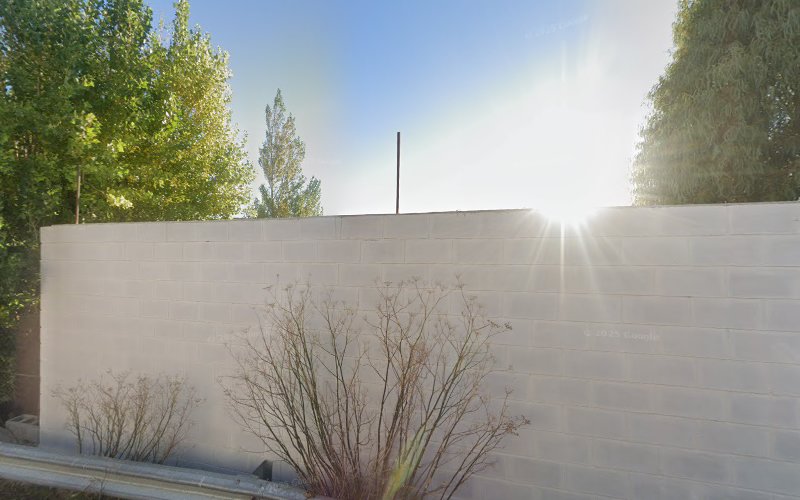
4 de Noviembre 121 is one of those places that quietly holds a story within its walls. Located in the heart of Comodoro Rivadavia, this building stands as a subtle reminder of the city’s evolving character—part industrial energy, part coastal calm. It’s not a flashy landmark, and that’s honestly part of its charm. Travelers who stumble upon it often find themselves pausing, curious about its understated presence among the busier streets and ocean winds that sweep through this Patagonian city.
The building itself reflects the architectural trends that shaped much of southern Argentina in the mid-20th century—strong lines, practical design, and a sense of endurance that fits perfectly with the rugged environment around it. You can tell it’s seen a lot: changing businesses, shifting communities, and the constant hum of life in a city that thrives on oil, trade, and the sea. Some visitors describe it as a snapshot of Comodoro’s working-class roots, while others see it as a symbol of the city’s quiet resilience. Either way, it’s worth more than just a passing glance.
When walking by, you might notice how the light hits the façade differently throughout the day. In the morning, it’s soft and golden, while by late afternoon the shadows stretch dramatically across the street. There’s something cinematic about it, especially if you’re the kind of traveler who likes to capture the soul of a place through your camera lens. I remember standing there once, coffee in hand, watching locals go about their day—kids heading to school, shopkeepers chatting, the distant sound of waves. It felt like a moment that perfectly summed up what Comodoro Rivadavia is all about: ordinary life, quietly extraordinary in its own way.
Key Features
- Architectural character: A solid, mid-century structure that tells the story of Comodoro’s industrial and maritime growth.
- Local atmosphere: Surrounded by everyday city life—small shops, cafes, and a steady rhythm that feels authentically Patagonian.
- Photographic appeal: The building’s textures and light play make it a favorite among travelers who enjoy urban photography.
- Accessibility: Situated in a central area, making it easy to reach by foot or short taxi ride from most parts of the city.
- Historical relevance: Though not a museum or monument, it reflects the architectural and social evolution of Comodoro Rivadavia over decades.
It’s not the kind of place that screams for attention, but if you’re the type who appreciates subtle details—the kind that reveal a city’s personality—it’s definitely worth including in your itinerary. Sometimes the most meaningful travel moments come from places that don’t make it onto postcards.
Best Time to Visit
Comodoro Rivadavia can be a bit unpredictable weather-wise. The wind here is practically a local celebrity—it never really takes a day off. But that’s part of the experience. The best time to visit 4 de Noviembre 121, and the city in general, is between late spring and early autumn (roughly November to March). During this period, temperatures are milder, and the sunlight lasts long into the evening, giving you plenty of time to explore without feeling rushed.
If you’re into photography, I’d say go in the late afternoon. The light softens, the colors deepen, and the whole area takes on a warm glow that’s just perfect for capturing the essence of the place. Winter, on the other hand, can be quite cold and windy, but if you enjoy that moody, windswept atmosphere, it might actually be your ideal time. I once visited in July, bundled up in layers, and the quiet streets had a certain introspective charm—like the city was taking a deep breath before spring returned.
How to Get There
Getting to 4 de Noviembre 121 is fairly straightforward once you’re in Comodoro Rivadavia. The city itself is well-connected by both air and land. The General Enrique Mosconi International Airport is about a 20-minute drive from the central area, depending on traffic. From there, you can grab a taxi or rent a car if you plan to explore more of the region. Public buses also run through most parts of the city, though they can be a bit tricky to navigate if you don’t speak much Spanish.
For travelers who enjoy walking, the city center is compact enough to explore on foot. You’ll find that strolling through Comodoro gives you a better sense of its rhythm—the mix of old and new buildings, the salty air from the nearby coast, and the friendly locals who’ll often nod or smile as you pass. And honestly, that’s one of my favorite things about traveling in smaller Argentine cities: people still take the time to acknowledge each other. It makes you feel like you belong, even if just for a day.
Tips for Visiting
Visiting 4 de Noviembre 121 isn’t about ticking off a major tourist attraction—it’s about slowing down and noticing the details. Here are a few tips that might make your visit more rewarding:
- Take your time: Don’t rush. Spend a few minutes just observing the building, the people, and the street life around it. You’ll notice things you’d miss otherwise.
- Bring a camera: The textures, shadows, and colors here can be surprisingly striking, especially in the late afternoon light.
- Dress for the wind: Comodoro Rivadavia is known for its gusty weather. A light jacket or windbreaker will make your visit much more comfortable.
- Chat with locals: If you speak a bit of Spanish (or even if you don’t), try striking up a conversation. People here are proud of their city and often happy to share stories.
- Pair your visit with nearby attractions: Since you’re already in the central area, you can easily explore other parts of the city—like the waterfront or local museums—on the same day.
One thing I’ve learned from traveling across Argentina is that the magic often hides in plain sight. 4 de Noviembre 121 might not appear in glossy travel magazines, but it’s a piece of the real Comodoro—a city that’s shaped by hard work, community, and the relentless beauty of Patagonia’s edge. If you’re the kind of traveler who values authenticity over spectacle, you’ll probably find yourself drawn to it like I was. And who knows, maybe you’ll leave with your own story about this unassuming yet quietly captivating spot.
So, when you find yourself wandering through Comodoro Rivadavia, take a little detour. Stand before 4 de Noviembre 121, breathe in the salty air, and let the city tell you its story in its own understated way. Sometimes, that’s all travel really needs to be—simple moments that linger long after you’ve gone home.
Key Features
- Key Features
- Best Time to Visit
- How to Get There
- Tips for Visiting
More Details
Updated November 7, 2025
Table of Contents
Description
4 de Noviembre 121 is one of those places that quietly holds a story within its walls. Located in the heart of Comodoro Rivadavia, this building stands as a subtle reminder of the city’s evolving character—part industrial energy, part coastal calm. It’s not a flashy landmark, and that’s honestly part of its charm. Travelers who stumble upon it often find themselves pausing, curious about its understated presence among the busier streets and ocean winds that sweep through this Patagonian city.
The building itself reflects the architectural trends that shaped much of southern Argentina in the mid-20th century—strong lines, practical design, and a sense of endurance that fits perfectly with the rugged environment around it. You can tell it’s seen a lot: changing businesses, shifting communities, and the constant hum of life in a city that thrives on oil, trade, and the sea. Some visitors describe it as a snapshot of Comodoro’s working-class roots, while others see it as a symbol of the city’s quiet resilience. Either way, it’s worth more than just a passing glance.
When walking by, you might notice how the light hits the façade differently throughout the day. In the morning, it’s soft and golden, while by late afternoon the shadows stretch dramatically across the street. There’s something cinematic about it, especially if you’re the kind of traveler who likes to capture the soul of a place through your camera lens. I remember standing there once, coffee in hand, watching locals go about their day—kids heading to school, shopkeepers chatting, the distant sound of waves. It felt like a moment that perfectly summed up what Comodoro Rivadavia is all about: ordinary life, quietly extraordinary in its own way.
Key Features
- Architectural character: A solid, mid-century structure that tells the story of Comodoro’s industrial and maritime growth.
- Local atmosphere: Surrounded by everyday city life—small shops, cafes, and a steady rhythm that feels authentically Patagonian.
- Photographic appeal: The building’s textures and light play make it a favorite among travelers who enjoy urban photography.
- Accessibility: Situated in a central area, making it easy to reach by foot or short taxi ride from most parts of the city.
- Historical relevance: Though not a museum or monument, it reflects the architectural and social evolution of Comodoro Rivadavia over decades.
It’s not the kind of place that screams for attention, but if you’re the type who appreciates subtle details—the kind that reveal a city’s personality—it’s definitely worth including in your itinerary. Sometimes the most meaningful travel moments come from places that don’t make it onto postcards.
Best Time to Visit
Comodoro Rivadavia can be a bit unpredictable weather-wise. The wind here is practically a local celebrity—it never really takes a day off. But that’s part of the experience. The best time to visit 4 de Noviembre 121, and the city in general, is between late spring and early autumn (roughly November to March). During this period, temperatures are milder, and the sunlight lasts long into the evening, giving you plenty of time to explore without feeling rushed.
If you’re into photography, I’d say go in the late afternoon. The light softens, the colors deepen, and the whole area takes on a warm glow that’s just perfect for capturing the essence of the place. Winter, on the other hand, can be quite cold and windy, but if you enjoy that moody, windswept atmosphere, it might actually be your ideal time. I once visited in July, bundled up in layers, and the quiet streets had a certain introspective charm—like the city was taking a deep breath before spring returned.
How to Get There
Getting to 4 de Noviembre 121 is fairly straightforward once you’re in Comodoro Rivadavia. The city itself is well-connected by both air and land. The General Enrique Mosconi International Airport is about a 20-minute drive from the central area, depending on traffic. From there, you can grab a taxi or rent a car if you plan to explore more of the region. Public buses also run through most parts of the city, though they can be a bit tricky to navigate if you don’t speak much Spanish.
For travelers who enjoy walking, the city center is compact enough to explore on foot. You’ll find that strolling through Comodoro gives you a better sense of its rhythm—the mix of old and new buildings, the salty air from the nearby coast, and the friendly locals who’ll often nod or smile as you pass. And honestly, that’s one of my favorite things about traveling in smaller Argentine cities: people still take the time to acknowledge each other. It makes you feel like you belong, even if just for a day.
Tips for Visiting
Visiting 4 de Noviembre 121 isn’t about ticking off a major tourist attraction—it’s about slowing down and noticing the details. Here are a few tips that might make your visit more rewarding:
- Take your time: Don’t rush. Spend a few minutes just observing the building, the people, and the street life around it. You’ll notice things you’d miss otherwise.
- Bring a camera: The textures, shadows, and colors here can be surprisingly striking, especially in the late afternoon light.
- Dress for the wind: Comodoro Rivadavia is known for its gusty weather. A light jacket or windbreaker will make your visit much more comfortable.
- Chat with locals: If you speak a bit of Spanish (or even if you don’t), try striking up a conversation. People here are proud of their city and often happy to share stories.
- Pair your visit with nearby attractions: Since you’re already in the central area, you can easily explore other parts of the city—like the waterfront or local museums—on the same day.
One thing I’ve learned from traveling across Argentina is that the magic often hides in plain sight. 4 de Noviembre 121 might not appear in glossy travel magazines, but it’s a piece of the real Comodoro—a city that’s shaped by hard work, community, and the relentless beauty of Patagonia’s edge. If you’re the kind of traveler who values authenticity over spectacle, you’ll probably find yourself drawn to it like I was. And who knows, maybe you’ll leave with your own story about this unassuming yet quietly captivating spot.
So, when you find yourself wandering through Comodoro Rivadavia, take a little detour. Stand before 4 de Noviembre 121, breathe in the salty air, and let the city tell you its story in its own understated way. Sometimes, that’s all travel really needs to be—simple moments that linger long after you’ve gone home.

Key Highlights
- Key Features
- Best Time to Visit
- How to Get There
- Tips for Visiting
Location
Places to Stay Near 4 de Noviembre 121
Find and Book a Tour
Explore More Travel Guides
No reviews found! Be the first to review!
Traveler Reviews for 4 de Noviembre 121
There are no reviews yet. Be the first one to write one.
Have you visited 4 de Noviembre 121? Help other travelers by sharing your review.
Find Accommodations Nearby
Recommended Tours & Activities
Visitor Reviews
There are no reviews yet. Be the first one to write one.
Share Your Experience
Have you visited 4 de Noviembre 121? Help other travelers by leaving a review.