About Museo la Magia del Pasado

Description

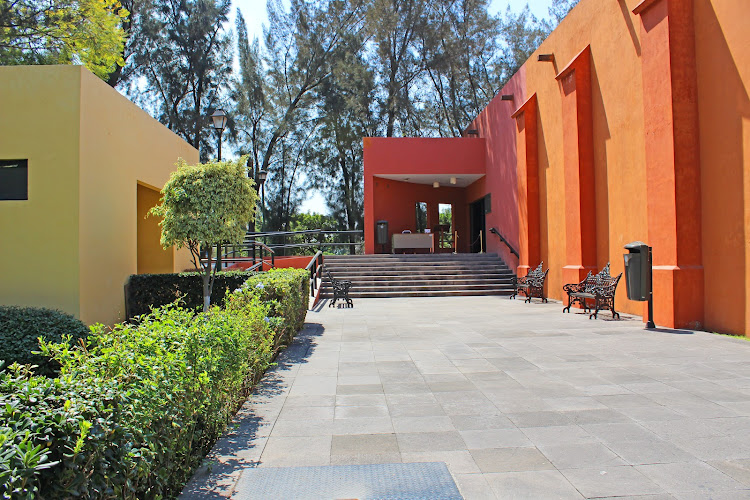
Museo la Magia del Pasado is one of those places in Querétaro that surprises you even if you think you’ve already seen every museum style out there. It’s not your typical “walk quietly through halls and read plaques” type of place. Instead, it’s designed to be interactive, playful, and immersive, which makes it a lot more approachable for people who don’t usually consider themselves museum-goers. The museum sits within the Cerro de las Campanas, a hill that already carries deep historical significance for Mexico, so the setting adds another layer of meaning to the experience.

What’s special here is the way the museum tells the story of Querétaro and Mexico’s past. It doesn’t just display artifacts behind glass cases; it uses multimedia, audio, video, and hands-on exhibits to bring history to life. You’ll walk through different stages of Mexican history, from the early Mesoamerican roots to more modern times, and the whole journey feels like a narrative rather than a collection of random facts. Kids usually love it because they can touch, interact, and move around, but adults often end up enjoying it just as much.

Of course, not everyone walks away blown away. Some visitors find the museum a bit small or wish it had more depth in certain areas, but overall the feeling you get is that it’s a fun and engaging way to understand the region’s history without it feeling like homework. And honestly, that’s a win in my book.

Key Features

  • Interactive exhibits that encourage hands-on learning rather than passive observation
  • Five permanent galleries that trace Mexican history from its origins to the 20th century
  • Use of multimedia, audio, and video tools to make history more engaging
  • Wheelchair accessible entrance and restrooms, making it inclusive for most visitors
  • Family-friendly environment that works well for children and school groups
  • Located within Cerro de las Campanas, a historic national park with its own significance
  • Restrooms available on-site, though no restaurant inside the museum

Best Time to Visit

If you’re planning a trip here, weekdays are usually quieter, which means you can take your time with the exhibits without feeling rushed. Weekends can get busier, especially with families and school groups, so if you prefer a calmer vibe, try a morning visit during the week. The museum itself is indoors, so weather won’t affect your experience much, but since it’s inside a park, you might want to plan your visit for a day when the weather is pleasant so you can also enjoy walking around the grounds. Personally, I find late mornings to be the sweet spot—enough time for coffee and breakfast before heading out, but still early enough to avoid the afternoon crowds.

How to Get There

The museum is located within Cerro de las Campanas, which is one of Querétaro’s most recognized landmarks. If you’re already staying in the historic center, it’s a short drive or a manageable walk depending on your pace. Taxis and rideshare apps are widely available in the city, and they’ll drop you right at the entrance of the park. Public transportation is an option too, though it can be a little less straightforward if you’re unfamiliar with the routes. Honestly, I’d suggest either walking if you’re up for it or just hopping in a cab—it saves time and lets you focus on the experience.

Tips for Visiting

First off, give yourself at least an hour or two here. Even though the museum isn’t massive, the interactive nature of the exhibits means you’ll want to linger and play around a bit. If you’re traveling with kids, this is one of those rare museums where you don’t have to constantly shush them, which is a relief in itself. Bring some water with you, especially if you plan to explore the surrounding park afterward, since there isn’t a restaurant inside the museum.

Another tip: take time to appreciate the location. The Cerro de las Campanas isn’t just a backdrop; it’s a site of major historical importance where Emperor Maximilian of Habsburg was executed in 1867. That context adds a gravity to the museum visit that you might miss if you rush straight in and out.

And here’s a little personal note—don’t expect this to be a Louvre-style experience. Go in with the mindset of learning in a fun, interactive way, and you’ll probably walk out smiling. If you’re a history buff, you’ll appreciate the effort to make the past come alive. If you’re more of a casual traveler, it’s a great way to connect with Querétaro’s story without it feeling heavy or overwhelming. Either way, it’s worth adding to your itinerary.

Key Features

  • Interactive exhibits that encourage hands-on learning rather than passive observation
  • Five permanent galleries that trace Mexican history from its origins to the 20th century
  • Use of multimedia, audio, and video tools to make history more engaging
  • Wheelchair accessible entrance and restrooms, making it inclusive for most visitors
  • Family-friendly environment that works well for children and school groups
  • Located within Cerro de las Campanas, a historic national park with its own significance
  • Restrooms available on-site, though no restaurant inside the museum

More Details

Updated September 23, 2025


Description

Museo la Magia del Pasado is one of those places in Querétaro that surprises you even if you think you’ve already seen every museum style out there. It’s not your typical “walk quietly through halls and read plaques” type of place. Instead, it’s designed to be interactive, playful, and immersive, which makes it a lot more approachable for people who don’t usually consider themselves museum-goers. The museum sits within the Cerro de las Campanas, a hill that already carries deep historical significance for Mexico, so the setting adds another layer of meaning to the experience.

What’s special here is the way the museum tells the story of Querétaro and Mexico’s past. It doesn’t just display artifacts behind glass cases; it uses multimedia, audio, video, and hands-on exhibits to bring history to life. You’ll walk through different stages of Mexican history, from the early Mesoamerican roots to more modern times, and the whole journey feels like a narrative rather than a collection of random facts. Kids usually love it because they can touch, interact, and move around, but adults often end up enjoying it just as much.

Of course, not everyone walks away blown away. Some visitors find the museum a bit small or wish it had more depth in certain areas, but overall the feeling you get is that it’s a fun and engaging way to understand the region’s history without it feeling like homework. And honestly, that’s a win in my book.

Key Features

  • Interactive exhibits that encourage hands-on learning rather than passive observation
  • Five permanent galleries that trace Mexican history from its origins to the 20th century
  • Use of multimedia, audio, and video tools to make history more engaging
  • Wheelchair accessible entrance and restrooms, making it inclusive for most visitors
  • Family-friendly environment that works well for children and school groups
  • Located within Cerro de las Campanas, a historic national park with its own significance
  • Restrooms available on-site, though no restaurant inside the museum

Best Time to Visit

If you’re planning a trip here, weekdays are usually quieter, which means you can take your time with the exhibits without feeling rushed. Weekends can get busier, especially with families and school groups, so if you prefer a calmer vibe, try a morning visit during the week. The museum itself is indoors, so weather won’t affect your experience much, but since it’s inside a park, you might want to plan your visit for a day when the weather is pleasant so you can also enjoy walking around the grounds. Personally, I find late mornings to be the sweet spot—enough time for coffee and breakfast before heading out, but still early enough to avoid the afternoon crowds.

How to Get There

The museum is located within Cerro de las Campanas, which is one of Querétaro’s most recognized landmarks. If you’re already staying in the historic center, it’s a short drive or a manageable walk depending on your pace. Taxis and rideshare apps are widely available in the city, and they’ll drop you right at the entrance of the park. Public transportation is an option too, though it can be a little less straightforward if you’re unfamiliar with the routes. Honestly, I’d suggest either walking if you’re up for it or just hopping in a cab—it saves time and lets you focus on the experience.

Tips for Visiting

First off, give yourself at least an hour or two here. Even though the museum isn’t massive, the interactive nature of the exhibits means you’ll want to linger and play around a bit. If you’re traveling with kids, this is one of those rare museums where you don’t have to constantly shush them, which is a relief in itself. Bring some water with you, especially if you plan to explore the surrounding park afterward, since there isn’t a restaurant inside the museum.

Another tip: take time to appreciate the location. The Cerro de las Campanas isn’t just a backdrop; it’s a site of major historical importance where Emperor Maximilian of Habsburg was executed in 1867. That context adds a gravity to the museum visit that you might miss if you rush straight in and out.

And here’s a little personal note—don’t expect this to be a Louvre-style experience. Go in with the mindset of learning in a fun, interactive way, and you’ll probably walk out smiling. If you’re a history buff, you’ll appreciate the effort to make the past come alive. If you’re more of a casual traveler, it’s a great way to connect with Querétaro’s story without it feeling heavy or overwhelming. Either way, it’s worth adding to your itinerary.

Key Highlights

  • Interactive exhibits that encourage hands-on learning rather than passive observation
  • Five permanent galleries that trace Mexican history from its origins to the 20th century
  • Use of multimedia, audio, and video tools to make history more engaging
  • Wheelchair accessible entrance and restrooms, making it inclusive for most visitors
  • Family-friendly environment that works well for children and school groups
  • Located within Cerro de las Campanas, a historic national park with its own significance
  • Restrooms available on-site, though no restaurant inside the museum

Location

Places to Stay Near Museo la Magia del Pasado

Find and Book a Tour

Explore More Travel Guides

No reviews found! Be the first to review!

Traveler Reviews for Museo la Magia del Pasado

There are no reviews yet. Be the first one to write one.

Share Your Experience

Have you visited Museo la Magia del Pasado? Help other travelers by sharing your review.

Find Accommodations Nearby

Recommended Tours & Activities

Visitor Reviews

There are no reviews yet. Be the first one to write one.

Share Your Experience

Have you visited Museo la Magia del Pasado? Help other travelers by leaving a review.