Museo Regional de Querétaro
About Museo Regional de Querétaro
Description
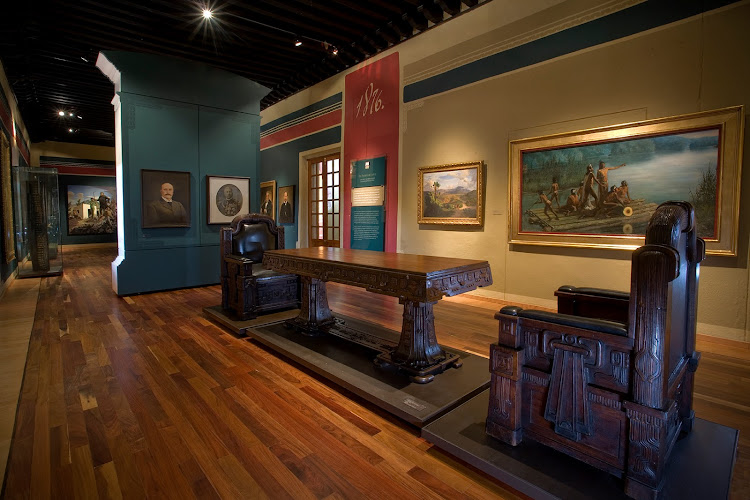
The Museo Regional de Querétaro is one of those places that quietly surprises you. Housed in a former Franciscan convent dating back to the 16th century, it’s not just a museum—it’s a walk through centuries of Mexican history layered into the very walls. The building itself is a piece of art, with thick stone corridors, peaceful courtyards, and that unmistakable colonial architecture that makes you feel like time slowed down. Inside, six exhibition rooms guide visitors from the pre-Hispanic era all the way to modern Mexico, weaving together the stories of Querétaro, the Bajío region, and even the Huasteca Potosina.
Some travelers rave about how immersive it feels, while others might say it’s a bit quieter than expected. And honestly, that’s part of its charm. You’re not rushed, you’re not overwhelmed—it’s just you, the artifacts, and the chance to imagine what life was like centuries ago. Families often find it approachable, kids get curious about the ancient tools and colorful displays, and history buffs could easily spend hours here. For me, it’s that rare combination of cultural depth and calm atmosphere, the kind of place where you can learn and still breathe.
Key Features
- Located inside the former Convento Grande de San Francisco, a historic building from the 1500s
- Six permanent exhibition rooms covering pre-Hispanic times to contemporary Mexico
- Beautiful colonial courtyards and architecture worth exploring on their own
- Family-friendly environment with displays that engage both adults and children
- Wheelchair accessible entrance and seating, making it inclusive for most visitors
- Restrooms available on-site (though no restaurant inside)
- Free street parking nearby, though it can fill up quickly on busy days
It’s not a flashy museum with interactive screens everywhere, but that’s exactly why people love it. The focus is on the artifacts and the stories they tell. And if you’re the kind of traveler who enjoys lingering in a courtyard after exploring, this place gives you that space.
Best Time to Visit
Querétaro has a fairly mild climate most of the year, so you can really visit any season without much trouble. That said, mornings tend to be the sweet spot. The museum opens early, and if you arrive within the first hour or so, you’ll often find the galleries almost empty. It’s a different experience when you can stand in front of a centuries-old sculpture and not feel rushed. Afternoons can get busier, especially on weekends when families come out, but it never feels overwhelming.
If you’re sensitive to heat, avoid the mid-summer afternoons when the stone walls can hold onto warmth. And if you’re in town during cultural festivals, like Día de los Muertos or Independence celebrations, the museum often feels even more alive because the surrounding historic center is buzzing with activity. Personally, I think late October is magical—not too hot, not too crowded, and the city itself has this festive energy that spills into every corner.
How to Get There
The museum is right in the heart of Querétaro’s historic center, which means you don’t really need a car to reach it if you’re already staying nearby. Walking through the cobblestone streets is half the experience—you’ll pass plazas, cafes, and colonial facades before even stepping inside. For those coming from further out, taxis and rideshare apps are reliable and affordable. Public buses also stop within a short walk, though they can be a bit tricky if you’re not familiar with the routes.
Driving is possible, and there’s free street parking around, but it’s not always guaranteed. I’ve personally circled a few blocks before finding a spot, so patience is key. If you’re the type who stresses about parking, I’d say just grab a taxi and save yourself the hassle. That way you can stroll straight in without worrying about meters or tight spaces.
Tips for Visiting
A few things I’ve learned from visiting and chatting with other travelers:
- Arrive early: The first hour is peaceful and gives you space to really soak in the details.
- Bring a little cash: Tickets are inexpensive, but having pesos on hand makes things smoother.
- Take your time in the courtyards: Don’t just rush through the galleries. The architecture itself is worth lingering over.
- Keep an eye on temporary exhibits: While the permanent rooms are fascinating, rotating displays add a fresh layer of discovery.
- Go with curiosity, not expectations: This isn’t a massive city museum—it’s more intimate, more local, and that’s exactly what makes it special.
If you’re traveling with kids, point out the pre-Hispanic artifacts—they tend to spark questions and keep little ones engaged. For accessibility, the entrance and seating are wheelchair-friendly, though parking can be a bit of a challenge. And one personal note: bring a notebook or use your phone to jot down thoughts as you go. I once scribbled a line about how the convent walls felt like they were holding centuries of whispers, and it’s still one of my favorite travel memories.
So, if you’re in Querétaro and want a place that blends history, architecture, and a sense of calm, the Museo Regional is a stop that really delivers. It’s not about rushing through—it’s about slowing down, listening to the stories, and letting the past meet you where you stand.
Key Features
- Located inside the former Convento Grande de San Francisco, a historic building from the 1500s
- Six permanent exhibition rooms covering pre-Hispanic times to contemporary Mexico
- Beautiful colonial courtyards and architecture worth exploring on their own
- Family-friendly environment with displays that engage both adults and children
- Wheelchair accessible entrance and seating, making it inclusive for most visitors
- Restrooms available on-site (though no restaurant inside)
- Free street parking nearby, though it can fill up quickly on busy days
More Details
Updated September 23, 2025
Table of Contents
Description
The Museo Regional de Querétaro is one of those places that quietly surprises you. Housed in a former Franciscan convent dating back to the 16th century, it’s not just a museum—it’s a walk through centuries of Mexican history layered into the very walls. The building itself is a piece of art, with thick stone corridors, peaceful courtyards, and that unmistakable colonial architecture that makes you feel like time slowed down. Inside, six exhibition rooms guide visitors from the pre-Hispanic era all the way to modern Mexico, weaving together the stories of Querétaro, the Bajío region, and even the Huasteca Potosina.
Some travelers rave about how immersive it feels, while others might say it’s a bit quieter than expected. And honestly, that’s part of its charm. You’re not rushed, you’re not overwhelmed—it’s just you, the artifacts, and the chance to imagine what life was like centuries ago. Families often find it approachable, kids get curious about the ancient tools and colorful displays, and history buffs could easily spend hours here. For me, it’s that rare combination of cultural depth and calm atmosphere, the kind of place where you can learn and still breathe.
Key Features
- Located inside the former Convento Grande de San Francisco, a historic building from the 1500s
- Six permanent exhibition rooms covering pre-Hispanic times to contemporary Mexico
- Beautiful colonial courtyards and architecture worth exploring on their own
- Family-friendly environment with displays that engage both adults and children
- Wheelchair accessible entrance and seating, making it inclusive for most visitors
- Restrooms available on-site (though no restaurant inside)
- Free street parking nearby, though it can fill up quickly on busy days
It’s not a flashy museum with interactive screens everywhere, but that’s exactly why people love it. The focus is on the artifacts and the stories they tell. And if you’re the kind of traveler who enjoys lingering in a courtyard after exploring, this place gives you that space.
Best Time to Visit
Querétaro has a fairly mild climate most of the year, so you can really visit any season without much trouble. That said, mornings tend to be the sweet spot. The museum opens early, and if you arrive within the first hour or so, you’ll often find the galleries almost empty. It’s a different experience when you can stand in front of a centuries-old sculpture and not feel rushed. Afternoons can get busier, especially on weekends when families come out, but it never feels overwhelming.
If you’re sensitive to heat, avoid the mid-summer afternoons when the stone walls can hold onto warmth. And if you’re in town during cultural festivals, like Día de los Muertos or Independence celebrations, the museum often feels even more alive because the surrounding historic center is buzzing with activity. Personally, I think late October is magical—not too hot, not too crowded, and the city itself has this festive energy that spills into every corner.
How to Get There
The museum is right in the heart of Querétaro’s historic center, which means you don’t really need a car to reach it if you’re already staying nearby. Walking through the cobblestone streets is half the experience—you’ll pass plazas, cafes, and colonial facades before even stepping inside. For those coming from further out, taxis and rideshare apps are reliable and affordable. Public buses also stop within a short walk, though they can be a bit tricky if you’re not familiar with the routes.
Driving is possible, and there’s free street parking around, but it’s not always guaranteed. I’ve personally circled a few blocks before finding a spot, so patience is key. If you’re the type who stresses about parking, I’d say just grab a taxi and save yourself the hassle. That way you can stroll straight in without worrying about meters or tight spaces.
Tips for Visiting
A few things I’ve learned from visiting and chatting with other travelers:
- Arrive early: The first hour is peaceful and gives you space to really soak in the details.
- Bring a little cash: Tickets are inexpensive, but having pesos on hand makes things smoother.
- Take your time in the courtyards: Don’t just rush through the galleries. The architecture itself is worth lingering over.
- Keep an eye on temporary exhibits: While the permanent rooms are fascinating, rotating displays add a fresh layer of discovery.
- Go with curiosity, not expectations: This isn’t a massive city museum—it’s more intimate, more local, and that’s exactly what makes it special.
If you’re traveling with kids, point out the pre-Hispanic artifacts—they tend to spark questions and keep little ones engaged. For accessibility, the entrance and seating are wheelchair-friendly, though parking can be a bit of a challenge. And one personal note: bring a notebook or use your phone to jot down thoughts as you go. I once scribbled a line about how the convent walls felt like they were holding centuries of whispers, and it’s still one of my favorite travel memories.
So, if you’re in Querétaro and want a place that blends history, architecture, and a sense of calm, the Museo Regional is a stop that really delivers. It’s not about rushing through—it’s about slowing down, listening to the stories, and letting the past meet you where you stand.

Key Highlights
- Located inside the former Convento Grande de San Francisco, a historic building from the 1500s
- Six permanent exhibition rooms covering pre-Hispanic times to contemporary Mexico
- Beautiful colonial courtyards and architecture worth exploring on their own
- Family-friendly environment with displays that engage both adults and children
- Wheelchair accessible entrance and seating, making it inclusive for most visitors
- Restrooms available on-site (though no restaurant inside)
- Free street parking nearby, though it can fill up quickly on busy days
Location
Places to Stay Near Museo Regional de Querétaro
Find and Book a Tour
Explore More Travel Guides
No reviews found! Be the first to review!
Traveler Reviews for Museo Regional de Querétaro
There are no reviews yet. Be the first one to write one.
Have you visited Museo Regional de Querétaro? Help other travelers by sharing your review.
Find Accommodations Nearby
Recommended Tours & Activities
Visitor Reviews
There are no reviews yet. Be the first one to write one.
Share Your Experience
Have you visited Museo Regional de Querétaro? Help other travelers by leaving a review.