Templo de Santa Rosa de Viterbo
About Templo de Santa Rosa de Viterbo
Description
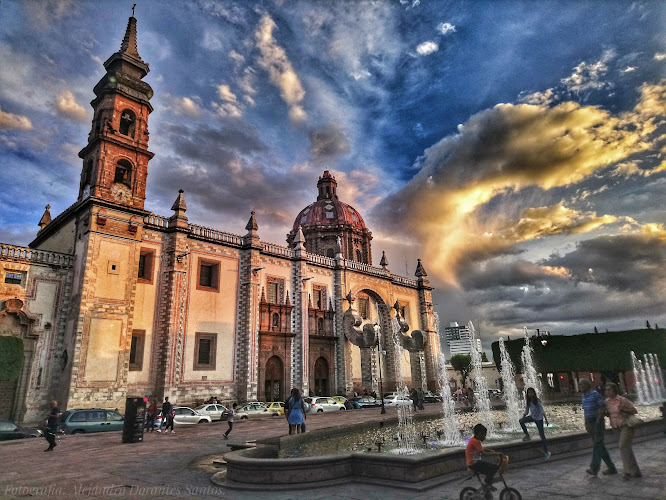
The Templo de Santa Rosa de Viterbo is one of those places that feels like stepping into a storybook, but with all the grit and grandeur of real history. Built in the 18th century, this Baroque church is often described as the crown jewel of Querétaro’s colonial architecture. And honestly, when you walk inside and see the golden altarpieces glowing in the dim light, it’s hard not to just stand there slack-jawed. The church is dedicated to Santa Rosa of Viterbo, a young Italian saint, and every corner of the building feels like it’s whispering her story through art and stone.
Now, to be fair, not every visitor walks out in awe. Some folks find the place a bit too ornate or even overwhelming—Baroque style isn’t exactly subtle. But the majority of travelers, myself included, find it breathtaking. The massive dome, the detailed carvings, and the way the interior feels like it’s layered with centuries of devotion—it’s not something you forget easily. Even if you’re not religious, the artistry alone makes it worth the stop.
What I personally find fascinating is how this church isn’t just an architectural showpiece but also a living part of Querétaro’s identity. It’s used for services, weddings, and local events, so you might stumble upon a celebration or a quiet moment of prayer. That mix of sacred and everyday life gives the place a very human heartbeat. And if you’re the type who likes to dig into quirky details, the clock on the tower is said to be the first with three dials ever built in the Americas. How’s that for a fun fact to impress your travel buddies?
Key Features
- 18th-century Baroque architecture designed by Ignacio Mariano de las Casas
- Ornate golden altarpieces and richly decorated chapels
- Iconic dome and bell tower with historic three-dial clock
- Interior filled with religious artworks, relics, and detailed carvings
- Still an active place of worship with services and community events
- Wheelchair accessible entrance and on-site restrooms
Best Time to Visit
If you’re anything like me, you’ll want to avoid the biggest crowds. Weekday mornings are ideal if you want to wander through the church in peace, soaking in the details without too much chatter around you. Afternoons can get busier, especially on weekends, when both tourists and locals come by. If you’re into photography, late morning is perfect—sunlight streams through the windows and lights up the golden altarpieces beautifully.
Season-wise, the dry months from November to April are the most comfortable for exploring Querétaro in general. During religious holidays like Semana Santa, the church is buzzing with ceremonies and processions. It’s a powerful experience, though you’ll definitely be sharing the space with a lot more people. Personally, I think seeing it during one of these celebrations adds another layer of meaning, but if you’re crowd-averse, stick to quieter times.
How to Get There
Reaching the Templo de Santa Rosa de Viterbo is pretty straightforward if you’re staying in Querétaro’s historic center. It’s within walking distance of most central hotels, plazas, and restaurants, so you can easily include it as part of a day wandering around the city’s UNESCO-listed streets. If you’re coming from farther out, taxis and ride-share apps are reliable and not too pricey. Public buses also pass nearby, though if you’re like me and get easily flustered by figuring out routes in a new city, a cab might be the less stressful option.
Parking is available in the area but can be limited, especially during weekends or events. Honestly, walking is the best way to get there—you’ll stumble across hidden courtyards, street vendors, and little cafés on the way, which is half the fun of exploring Querétaro.
Tips for Visiting
Here’s the thing: visiting a church like this is as much about respect as it is about sightseeing. Dress modestly if you plan to go inside, since it’s still an active place of worship. I once saw a traveler turned away at the door for wearing a tank top, and it was awkward for everyone. So, better to be safe and wear something that covers shoulders and knees.
Bring a camera, but be mindful. Some areas may not allow flash photography, and honestly, the natural light inside is more beautiful anyway. If you’re a history buff, consider reading a bit about Ignacio Mariano de las Casas before your visit—knowing the mind behind the design makes you appreciate the details so much more.
Accessibility is decent, with a wheelchair-friendly entrance, and restrooms are available, which is always good to know when you’re traveling. I’d also recommend setting aside at least 30–45 minutes to really appreciate everything. Rushing through would be like skimming a great book—you’d miss the magic. And if you can, strike up a conversation with a local guide or even one of the caretakers; they often share stories that you won’t find in guidebooks.
Lastly, don’t just stop at the church and leave. The area around it is full of interesting shops, cafés, and other historic buildings. Grab a coffee afterward and let the experience sink in. That’s usually my favorite part of traveling—those quiet moments where you just sit and reflect on what you’ve seen.
Key Features
- 18th-century Baroque architecture designed by Ignacio Mariano de las Casas
- Ornate golden altarpieces and richly decorated chapels
- Iconic dome and bell tower with historic three-dial clock
- Interior filled with religious artworks, relics, and detailed carvings
- Still an active place of worship with services and community events
- Wheelchair accessible entrance and on-site restrooms
More Details
Updated September 23, 2025
Table of Contents
Description
The Templo de Santa Rosa de Viterbo is one of those places that feels like stepping into a storybook, but with all the grit and grandeur of real history. Built in the 18th century, this Baroque church is often described as the crown jewel of Querétaro’s colonial architecture. And honestly, when you walk inside and see the golden altarpieces glowing in the dim light, it’s hard not to just stand there slack-jawed. The church is dedicated to Santa Rosa of Viterbo, a young Italian saint, and every corner of the building feels like it’s whispering her story through art and stone.
Now, to be fair, not every visitor walks out in awe. Some folks find the place a bit too ornate or even overwhelming—Baroque style isn’t exactly subtle. But the majority of travelers, myself included, find it breathtaking. The massive dome, the detailed carvings, and the way the interior feels like it’s layered with centuries of devotion—it’s not something you forget easily. Even if you’re not religious, the artistry alone makes it worth the stop.
What I personally find fascinating is how this church isn’t just an architectural showpiece but also a living part of Querétaro’s identity. It’s used for services, weddings, and local events, so you might stumble upon a celebration or a quiet moment of prayer. That mix of sacred and everyday life gives the place a very human heartbeat. And if you’re the type who likes to dig into quirky details, the clock on the tower is said to be the first with three dials ever built in the Americas. How’s that for a fun fact to impress your travel buddies?
Key Features
- 18th-century Baroque architecture designed by Ignacio Mariano de las Casas
- Ornate golden altarpieces and richly decorated chapels
- Iconic dome and bell tower with historic three-dial clock
- Interior filled with religious artworks, relics, and detailed carvings
- Still an active place of worship with services and community events
- Wheelchair accessible entrance and on-site restrooms
Best Time to Visit
If you’re anything like me, you’ll want to avoid the biggest crowds. Weekday mornings are ideal if you want to wander through the church in peace, soaking in the details without too much chatter around you. Afternoons can get busier, especially on weekends, when both tourists and locals come by. If you’re into photography, late morning is perfect—sunlight streams through the windows and lights up the golden altarpieces beautifully.
Season-wise, the dry months from November to April are the most comfortable for exploring Querétaro in general. During religious holidays like Semana Santa, the church is buzzing with ceremonies and processions. It’s a powerful experience, though you’ll definitely be sharing the space with a lot more people. Personally, I think seeing it during one of these celebrations adds another layer of meaning, but if you’re crowd-averse, stick to quieter times.
How to Get There
Reaching the Templo de Santa Rosa de Viterbo is pretty straightforward if you’re staying in Querétaro’s historic center. It’s within walking distance of most central hotels, plazas, and restaurants, so you can easily include it as part of a day wandering around the city’s UNESCO-listed streets. If you’re coming from farther out, taxis and ride-share apps are reliable and not too pricey. Public buses also pass nearby, though if you’re like me and get easily flustered by figuring out routes in a new city, a cab might be the less stressful option.
Parking is available in the area but can be limited, especially during weekends or events. Honestly, walking is the best way to get there—you’ll stumble across hidden courtyards, street vendors, and little cafés on the way, which is half the fun of exploring Querétaro.
Tips for Visiting
Here’s the thing: visiting a church like this is as much about respect as it is about sightseeing. Dress modestly if you plan to go inside, since it’s still an active place of worship. I once saw a traveler turned away at the door for wearing a tank top, and it was awkward for everyone. So, better to be safe and wear something that covers shoulders and knees.
Bring a camera, but be mindful. Some areas may not allow flash photography, and honestly, the natural light inside is more beautiful anyway. If you’re a history buff, consider reading a bit about Ignacio Mariano de las Casas before your visit—knowing the mind behind the design makes you appreciate the details so much more.
Accessibility is decent, with a wheelchair-friendly entrance, and restrooms are available, which is always good to know when you’re traveling. I’d also recommend setting aside at least 30–45 minutes to really appreciate everything. Rushing through would be like skimming a great book—you’d miss the magic. And if you can, strike up a conversation with a local guide or even one of the caretakers; they often share stories that you won’t find in guidebooks.
Lastly, don’t just stop at the church and leave. The area around it is full of interesting shops, cafés, and other historic buildings. Grab a coffee afterward and let the experience sink in. That’s usually my favorite part of traveling—those quiet moments where you just sit and reflect on what you’ve seen.

Key Highlights
- 18th-century Baroque architecture designed by Ignacio Mariano de las Casas
- Ornate golden altarpieces and richly decorated chapels
- Iconic dome and bell tower with historic three-dial clock
- Interior filled with religious artworks, relics, and detailed carvings
- Still an active place of worship with services and community events
- Wheelchair accessible entrance and on-site restrooms
Location
Places to Stay Near Templo de Santa Rosa de Viterbo
Find and Book a Tour
Explore More Travel Guides
No reviews found! Be the first to review!
Traveler Reviews for Templo de Santa Rosa de Viterbo
There are no reviews yet. Be the first one to write one.
Have you visited Templo de Santa Rosa de Viterbo? Help other travelers by sharing your review.
Find Accommodations Nearby
Recommended Tours & Activities
Visitor Reviews
There are no reviews yet. Be the first one to write one.
Share Your Experience
Have you visited Templo de Santa Rosa de Viterbo? Help other travelers by leaving a review.