
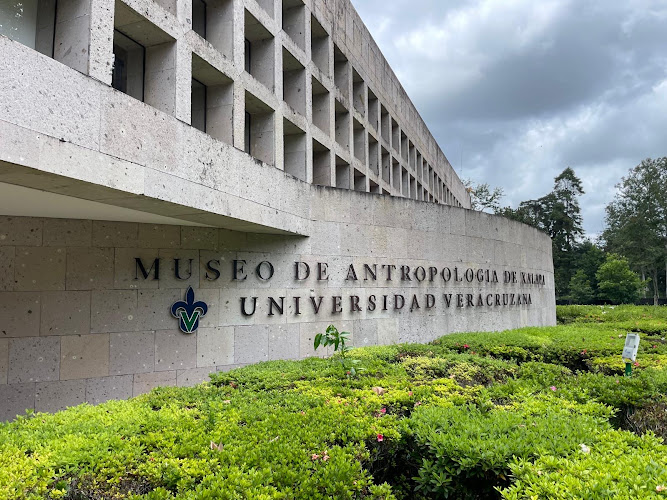
Museo de Antropología de Xalapa
About Museo de Antropología de Xalapa
Description
The Museo de Antropología de Xalapa stands as one of Mexico's most impressive archaeological institutions, though it somehow manages to fly under the radar compared to its more famous cousins in Mexico City. And honestly, that's part of its charm. This museum houses the second-largest collection of pre-Hispanic artifacts in the country, which is pretty remarkable when you think about it. The brutalist concrete structure designed by architect Paul Balev might seem imposing at first glance, but there's something about its angular modernist design that actually complements the ancient treasures inside. What makes this place truly special is its laser focus on the Gulf Coast cultures, particularly the Olmec civilization. You know how some museums try to be everything to everyone and end up feeling scattered? Not here. The collection is deeply rooted in the archaeological finds from Veracruz state, and that specificity gives visitors an incredible deep dive into cultures that don't always get their moment in the spotlight. Walking through the museum feels like traveling through time, starting around 1500 BCE and moving forward through successive Mesoamerican cultures. The building itself spans multiple levels that cascade down a hillside, which creates this natural progression through history. I've heard from travelers who spent four hours here without even realizing it, completely absorbed in the colossal stone heads and intricate jade pieces that tell stories of civilizations that thrived centuries before European contact. The museum opened in 1986, replacing an older institution that had simply run out of space. The architects understood something important: these artifacts needed room to breathe, and visitors needed space to contemplate. The galleries are thoughtfully arranged with natural light filtering in at strategic points, creating an atmosphere that's both scholarly and surprisingly meditative.Key Features
- Over 25,000 archaeological pieces in the permanent collection, with approximately 3,000 on display at any given time
- Seven enormous Olmec heads carved from basalt, each weighing several tons and displaying distinct facial features that scholars believe represent actual rulers
- The largest collection of Totonac and Huastec artifacts anywhere in the world, showcasing cultures that are often overshadowed by the Aztec and Maya
- Impressive jade and obsidian pieces that demonstrate the sophisticated craftsmanship of pre-Hispanic artisans
- Ceramic vessels and figurines that provide glimpses into daily life, religious practices, and social hierarchies of ancient Gulf Coast peoples
- A remarkable collection of stone sculptures including altars, stelae, and architectural elements from various archaeological sites
- Exhibition spaces designed with dramatic displays that allow visitors to walk around monumental sculptures and view them from multiple angles
- Live cultural performances that take place periodically, bringing contemporary indigenous traditions into dialogue with ancient heritage
- Outdoor gardens where additional stone monuments are displayed among tropical vegetation, creating a connection between the artifacts and the natural environment where they were created
- Temporary exhibition halls that host rotating displays and special collections from other institutions
- Educational materials and interpretive panels in Spanish that provide archaeological context and historical background
- Wheelchair accessible facilities throughout the museum, making it possible for all visitors to experience the collection
Best Time to Visit
Timing your visit to the Museo de Antropología de Xalapa can make a significant difference in your experience. Weekday mornings, especially Tuesday through Thursday, tend to be the quietest times. You'll have more space to contemplate those massive Olmec heads without jostling for position with school groups or weekend crowds. Xalapa's climate plays a role too. The city sits at about 1,400 meters elevation and has earned the nickname "the city of flowers" partly because it's frequently misty and cool. The museum's indoor climate is generally comfortable year-round, but if you plan to explore the outdoor sculpture gardens, you'll want to dress in layers. The rainy season runs from June through September, and while the museum itself is obviously indoors, getting there can be a bit soggy during afternoon downpours. School groups tend to flood the museum between 10 AM and 2 PM on weekdays during the academic year. If you're someone who likes a quieter, more contemplative experience, aim to arrive right when the museum opens or plan your visit during school vacation periods. But honestly? Sometimes watching kids react to those enormous stone heads is pretty entertaining. Their unfiltered reactions remind you just how impressive these artifacts really are. The museum sometimes hosts special events and temporary exhibitions during cultural festivals, particularly around Dia de Muertos in early November and during Xalapa's cultural festival season in spring. These can be fantastic times to visit if you want the full cultural experience, though you'll be sharing the space with more people. Sunday traditionally offers free or reduced admission at many Mexican museums, which means bigger crowds but also a more local atmosphere. It's a trade-off worth considering based on your priorities.How to Get There
Getting to the Museo de Antropología de Xalapa requires a bit of planning, but it's definitely manageable for independent travelers. The museum sits on the outskirts of Xalapa, the capital city of Veracruz state, which is about a four-hour drive from Mexico City. If you're coming from Mexico City, ADO buses run regularly from the TAPO terminal to Xalapa. These first-class buses are comfortable and reliable, though the route winds through mountains so it takes longer than you might expect. Once you arrive at Xalapa's CAXA bus station, you'll need to take a taxi or local bus to reach the museum. The ride takes about 15-20 minutes depending on traffic. Xalapa has a small airport that receives limited flights, mostly from Mexico City. Most travelers find the bus option more practical and economical. Plus, the scenery along the route is genuinely beautiful as you climb from the coastal plains into the cloud forests. Within Xalapa itself, local buses do run near the museum, though the system can be confusing for first-time visitors. The routes change periodically and aren't always clearly marked. Taxis and ride-sharing services are reasonably priced and will get you there without the navigation headaches. Just make sure the driver understands you want the anthropology museum specifically, not the newer interactive museums in town. If you're driving, the museum has a parking lot that accommodates both regular vehicles and those needing accessible parking spaces. The facility is located along Avenida Xalapa, one of the city's main thoroughfares. From the port city of Veracruz, it's about a 90-minute drive or bus ride inland and upward into the mountains. The temperature drops noticeably as you gain elevation, so bring a jacket even if you started your day at the hot, humid coast.Tips for Visiting
Bring cash for admission and any souvenirs you might want from the gift shop. While Mexico is increasingly card-friendly, not all museum facilities accept credit cards consistently. The admission price is quite reasonable, especially considering the quality of the collection you're about to experience. Wear comfortable shoes with good traction. The museum's multiple levels mean you'll be walking up and down ramps and stairs. The floors can occasionally be slippery, particularly near entrances where people track in moisture from Xalapa's frequent mist. Photography is generally permitted for personal use, but flash photography isn't allowed as it can damage ancient artifacts. Those Olmec heads photograph beautifully even in natural light, so don't worry about missing out. And please, resist the urge to touch the sculptures. I know they look like they could withstand anything after surviving millennia, but oils from human hands actually degrade the stone over time. The museum doesn't have a restaurant or cafe inside, which honestly surprised me the first time I visited. There's a small area with vending machines, but that's about it. Plan to eat before or after your visit, or bring snacks if you have dietary restrictions or traveling with kids. The good news is that Xalapa has excellent restaurants, and the city is famous for its coffee culture, so you'll have plenty of options nearby. English interpretive materials are limited throughout the museum. Most signage and explanatory texts are in Spanish. If your Spanish is rusty or nonexistent, consider downloading a translation app before your visit or hiring a guide. Some guides hang around the entrance offering their services, and their knowledge can really enhance your understanding of what you're seeing. Give yourself at least two to three hours for a thorough visit, though you could easily spend an entire afternoon here if you're deeply interested in pre-Hispanic cultures. The collection is extensive, and rushing through would mean missing nuances and details that make these artifacts so fascinating. The museum is genuinely family-friendly, with changing tables in the restrooms and enough visual interest to keep children engaged. Those massive stone heads capture kids' imaginations in ways that smaller artifacts sometimes don't. The outdoor gardens also give restless children a chance to move around while still experiencing the collection. Check whether any live performances are scheduled during your visit. The museum occasionally hosts traditional dance performances and other cultural events that provide contemporary context for the ancient artifacts you're viewing. These performances usually happen on weekends or during special events. The gift shop, while small, has some genuinely interesting books and replicas. It's worth browsing if you're looking for something more meaningful than typical tourist souvenirs. They carry academic publications about Gulf Coast archaeology that you won't easily find elsewhere. Consider combining your museum visit with exploration of Xalapa itself. The city has beautiful parks, excellent coffee shops, and a genuine cultural scene that's worth experiencing. The contrast between the ancient world inside the museum and the contemporary life outside creates a fuller understanding of Mexico's layered history.Key Features
- Over 25,000 archaeological pieces in the permanent collection, with approximately 3,000 on display at any given time
- Seven enormous Olmec heads carved from basalt, each weighing several tons and displaying distinct facial features that scholars believe represent actual rulers
- The largest collection of Totonac and Huastec artifacts anywhere in the world, showcasing cultures that are often overshadowed by the Aztec and Maya
- Impressive jade and obsidian pieces that demonstrate the sophisticated craftsmanship of pre-Hispanic artisans
- Ceramic vessels and figurines that provide glimpses into daily life, religious practices, and social hierarchies of ancient Gulf Coast peoples
- A remarkable collection of stone sculptures including altars, stelae, and architectural elements from various archaeological sites
- Exhibition spaces designed with dramatic displays that allow visitors to walk around monumental sculptures and view them from multiple angles
- Live cultural performances that take place periodically, bringing contemporary indigenous traditions into dialogue with ancient heritage
More Details
Updated January 16, 2026
Table of Contents
Description
The Museo de Antropología de Xalapa stands as one of Mexico’s most impressive archaeological institutions, though it somehow manages to fly under the radar compared to its more famous cousins in Mexico City. And honestly, that’s part of its charm. This museum houses the second-largest collection of pre-Hispanic artifacts in the country, which is pretty remarkable when you think about it. The brutalist concrete structure designed by architect Paul Balev might seem imposing at first glance, but there’s something about its angular modernist design that actually complements the ancient treasures inside.
What makes this place truly special is its laser focus on the Gulf Coast cultures, particularly the Olmec civilization. You know how some museums try to be everything to everyone and end up feeling scattered? Not here. The collection is deeply rooted in the archaeological finds from Veracruz state, and that specificity gives visitors an incredible deep dive into cultures that don’t always get their moment in the spotlight.
Walking through the museum feels like traveling through time, starting around 1500 BCE and moving forward through successive Mesoamerican cultures. The building itself spans multiple levels that cascade down a hillside, which creates this natural progression through history. I’ve heard from travelers who spent four hours here without even realizing it, completely absorbed in the colossal stone heads and intricate jade pieces that tell stories of civilizations that thrived centuries before European contact.
The museum opened in 1986, replacing an older institution that had simply run out of space. The architects understood something important: these artifacts needed room to breathe, and visitors needed space to contemplate. The galleries are thoughtfully arranged with natural light filtering in at strategic points, creating an atmosphere that’s both scholarly and surprisingly meditative.
Key Features
- Over 25,000 archaeological pieces in the permanent collection, with approximately 3,000 on display at any given time
- Seven enormous Olmec heads carved from basalt, each weighing several tons and displaying distinct facial features that scholars believe represent actual rulers
- The largest collection of Totonac and Huastec artifacts anywhere in the world, showcasing cultures that are often overshadowed by the Aztec and Maya
- Impressive jade and obsidian pieces that demonstrate the sophisticated craftsmanship of pre-Hispanic artisans
- Ceramic vessels and figurines that provide glimpses into daily life, religious practices, and social hierarchies of ancient Gulf Coast peoples
- A remarkable collection of stone sculptures including altars, stelae, and architectural elements from various archaeological sites
- Exhibition spaces designed with dramatic displays that allow visitors to walk around monumental sculptures and view them from multiple angles
- Live cultural performances that take place periodically, bringing contemporary indigenous traditions into dialogue with ancient heritage
- Outdoor gardens where additional stone monuments are displayed among tropical vegetation, creating a connection between the artifacts and the natural environment where they were created
- Temporary exhibition halls that host rotating displays and special collections from other institutions
- Educational materials and interpretive panels in Spanish that provide archaeological context and historical background
- Wheelchair accessible facilities throughout the museum, making it possible for all visitors to experience the collection
Best Time to Visit
Timing your visit to the Museo de Antropología de Xalapa can make a significant difference in your experience. Weekday mornings, especially Tuesday through Thursday, tend to be the quietest times. You’ll have more space to contemplate those massive Olmec heads without jostling for position with school groups or weekend crowds.
Xalapa’s climate plays a role too. The city sits at about 1,400 meters elevation and has earned the nickname “the city of flowers” partly because it’s frequently misty and cool. The museum’s indoor climate is generally comfortable year-round, but if you plan to explore the outdoor sculpture gardens, you’ll want to dress in layers. The rainy season runs from June through September, and while the museum itself is obviously indoors, getting there can be a bit soggy during afternoon downpours.
School groups tend to flood the museum between 10 AM and 2 PM on weekdays during the academic year. If you’re someone who likes a quieter, more contemplative experience, aim to arrive right when the museum opens or plan your visit during school vacation periods. But honestly? Sometimes watching kids react to those enormous stone heads is pretty entertaining. Their unfiltered reactions remind you just how impressive these artifacts really are.
The museum sometimes hosts special events and temporary exhibitions during cultural festivals, particularly around Dia de Muertos in early November and during Xalapa’s cultural festival season in spring. These can be fantastic times to visit if you want the full cultural experience, though you’ll be sharing the space with more people.
Sunday traditionally offers free or reduced admission at many Mexican museums, which means bigger crowds but also a more local atmosphere. It’s a trade-off worth considering based on your priorities.
How to Get There
Getting to the Museo de Antropología de Xalapa requires a bit of planning, but it’s definitely manageable for independent travelers. The museum sits on the outskirts of Xalapa, the capital city of Veracruz state, which is about a four-hour drive from Mexico City.
If you’re coming from Mexico City, ADO buses run regularly from the TAPO terminal to Xalapa. These first-class buses are comfortable and reliable, though the route winds through mountains so it takes longer than you might expect. Once you arrive at Xalapa’s CAXA bus station, you’ll need to take a taxi or local bus to reach the museum. The ride takes about 15-20 minutes depending on traffic.
Xalapa has a small airport that receives limited flights, mostly from Mexico City. Most travelers find the bus option more practical and economical. Plus, the scenery along the route is genuinely beautiful as you climb from the coastal plains into the cloud forests.
Within Xalapa itself, local buses do run near the museum, though the system can be confusing for first-time visitors. The routes change periodically and aren’t always clearly marked. Taxis and ride-sharing services are reasonably priced and will get you there without the navigation headaches. Just make sure the driver understands you want the anthropology museum specifically, not the newer interactive museums in town.
If you’re driving, the museum has a parking lot that accommodates both regular vehicles and those needing accessible parking spaces. The facility is located along Avenida Xalapa, one of the city’s main thoroughfares.
From the port city of Veracruz, it’s about a 90-minute drive or bus ride inland and upward into the mountains. The temperature drops noticeably as you gain elevation, so bring a jacket even if you started your day at the hot, humid coast.
Tips for Visiting
Bring cash for admission and any souvenirs you might want from the gift shop. While Mexico is increasingly card-friendly, not all museum facilities accept credit cards consistently. The admission price is quite reasonable, especially considering the quality of the collection you’re about to experience.
Wear comfortable shoes with good traction. The museum’s multiple levels mean you’ll be walking up and down ramps and stairs. The floors can occasionally be slippery, particularly near entrances where people track in moisture from Xalapa’s frequent mist.
Photography is generally permitted for personal use, but flash photography isn’t allowed as it can damage ancient artifacts. Those Olmec heads photograph beautifully even in natural light, so don’t worry about missing out. And please, resist the urge to touch the sculptures. I know they look like they could withstand anything after surviving millennia, but oils from human hands actually degrade the stone over time.
The museum doesn’t have a restaurant or cafe inside, which honestly surprised me the first time I visited. There’s a small area with vending machines, but that’s about it. Plan to eat before or after your visit, or bring snacks if you have dietary restrictions or traveling with kids. The good news is that Xalapa has excellent restaurants, and the city is famous for its coffee culture, so you’ll have plenty of options nearby.
English interpretive materials are limited throughout the museum. Most signage and explanatory texts are in Spanish. If your Spanish is rusty or nonexistent, consider downloading a translation app before your visit or hiring a guide. Some guides hang around the entrance offering their services, and their knowledge can really enhance your understanding of what you’re seeing.
Give yourself at least two to three hours for a thorough visit, though you could easily spend an entire afternoon here if you’re deeply interested in pre-Hispanic cultures. The collection is extensive, and rushing through would mean missing nuances and details that make these artifacts so fascinating.
The museum is genuinely family-friendly, with changing tables in the restrooms and enough visual interest to keep children engaged. Those massive stone heads capture kids’ imaginations in ways that smaller artifacts sometimes don’t. The outdoor gardens also give restless children a chance to move around while still experiencing the collection.
Check whether any live performances are scheduled during your visit. The museum occasionally hosts traditional dance performances and other cultural events that provide contemporary context for the ancient artifacts you’re viewing. These performances usually happen on weekends or during special events.
The gift shop, while small, has some genuinely interesting books and replicas. It’s worth browsing if you’re looking for something more meaningful than typical tourist souvenirs. They carry academic publications about Gulf Coast archaeology that you won’t easily find elsewhere.
Consider combining your museum visit with exploration of Xalapa itself. The city has beautiful parks, excellent coffee shops, and a genuine cultural scene that’s worth experiencing. The contrast between the ancient world inside the museum and the contemporary life outside creates a fuller understanding of Mexico’s layered history.
Key Highlights
- Over 25,000 archaeological pieces in the permanent collection, with approximately 3,000 on display at any given time
- Seven enormous Olmec heads carved from basalt, each weighing several tons and displaying distinct facial features that scholars believe represent actual rulers
- The largest collection of Totonac and Huastec artifacts anywhere in the world, showcasing cultures that are often overshadowed by the Aztec and Maya
- Impressive jade and obsidian pieces that demonstrate the sophisticated craftsmanship of pre-Hispanic artisans
- Ceramic vessels and figurines that provide glimpses into daily life, religious practices, and social hierarchies of ancient Gulf Coast peoples
- A remarkable collection of stone sculptures including altars, stelae, and architectural elements from various archaeological sites
- Exhibition spaces designed with dramatic displays that allow visitors to walk around monumental sculptures and view them from multiple angles
- Live cultural performances that take place periodically, bringing contemporary indigenous traditions into dialogue with ancient heritage
Location
Places to Stay Near Museo de Antropología de Xalapa
Find and Book a Tour
Explore More Travel Guides
No reviews found! Be the first to review!
Traveler Reviews for Museo de Antropología de Xalapa
There are no reviews yet. Be the first one to write one.
Have you visited Museo de Antropología de Xalapa? Help other travelers by sharing your review.
You Might Also Like

De Los Mangos

Callejón del diamante
Tlaqná, Cultural Center
Find Accommodations Nearby
Recommended Tours & Activities
Visitor Reviews
There are no reviews yet. Be the first one to write one.
Share Your Experience
Have you visited Museo de Antropología de Xalapa? Help other travelers by leaving a review.