About Santuario Del Bosque De Niebla

Description

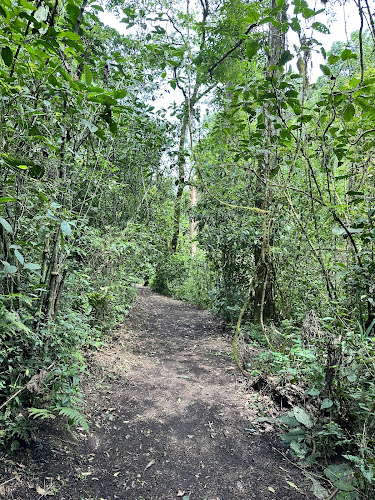
The Santuario Del Bosque De Niebla offers visitors an extraordinary journey into one of Mexico's most mystical and biodiverse ecosystems. This cloud forest sanctuary stands as a living testament to the incredible power of conservation, where moisture-laden clouds drift through ancient trees and create an almost otherworldly atmosphere that feels like stepping into a forgotten realm. The preserve protects a critical ecosystem that's rapidly disappearing across the globe, making every visit here not just a recreational experience but a chance to witness something genuinely rare and precious. What makes this place particularly special is how it manages to balance ecological preservation with accessibility for travelers who want to experience nature without roughing it too intensely. You'll find yourself walking through trails where epiphytes cling to every available surface, where the air itself feels alive with humidity and the calls of endemic bird species, and where every turn reveals another layer of green you didn't know existed. And honestly, after visiting dozens of nature preserves across Latin America, there's something about the way light filters through the fog here that just hits differently. The sanctuary functions as both a research station and a tourist destination, which means you're getting the real deal when it comes to environmental education and preservation efforts. Scientists regularly conduct studies here on everything from amphibian populations to the effects of climate change on cloud forest ecosystems. But don't worry – this isn't some stuffy, look-but-don't-touch kind of place. Families with curious kids absolutely thrive here, discovering new species of insects, learning about the water cycle in action, and getting that perfect mix of education and adventure that keeps everyone happy.

Key Features

The sanctuary delivers several distinctive experiences that separate it from your typical forest walk:
  • Authentic Cloud Forest Ecosystem: True cloud forests cover less than 1% of the world's woodland areas, making this an increasingly rare environment to experience firsthand
  • Well-Maintained Trail System: Multiple hiking routes accommodate different fitness levels and time constraints, from quick 30-minute loops to more challenging multi-hour treks
  • Educational Opportunities: Interpretive signage throughout the trails helps visitors understand the complex relationships between plants, animals, and the unique climate conditions
  • Cycling Infrastructure: Designated bike lanes allow for alternative exploration methods beyond traditional hiking
  • Family-Friendly Design: The presence of public restrooms and kid-appropriate trails makes this accessible for visitors traveling with children
  • Incredible Biodiversity: The sanctuary harbors numerous endemic species found nowhere else on Earth, including rare orchids, bromeliads, and amphibians
  • Running-Friendly Terrain: For visitors who enjoy trail running, the paths provide excellent opportunities for a morning jog through the clouds
  • Photography Paradise: The constant interplay between light, fog, and forest creates conditions that photographers dream about

Best Time to Visit

Here's where things get interesting – cloud forests don't really follow the typical "dry season good, wet season bad" rules that govern most nature tourism. The fog and mist that define this ecosystem are present year-round, which is kind of the whole point. But there are definitely some nuances worth considering when you're planning your trip. The period from November through March generally offers slightly cooler temperatures and less intense rainfall, though you should absolutely expect moisture in some form during your visit. These months tend to attract more visitors, particularly during Mexican holiday periods, so if you prefer solitude on the trails, you might want to adjust accordingly. April and May bring warmer conditions before the heavy summer rains arrive, and honestly, I've found these months to offer some of the most dramatic cloud formations. The forest seems to wake up during this transition period, with flowering plants putting on their best show and wildlife activity picking up noticeably. June through October constitutes the rainier season, but don't let that scare you off completely. Yes, you'll get wet – sometimes very wet – but the forest absolutely explodes with life during these months. Amphibians are more active, waterfalls run at full capacity, and the whole ecosystem hums with energy. Just pack proper rain gear and embrace the experience. Some of my most memorable forest experiences have happened while completely soaked, watching rain cascade through layers of canopy vegetation. Early morning visits, regardless of season, tend to provide the most magical conditions. The clouds sit heaviest in the forest during these hours, creating that classic ethereal atmosphere that makes cloud forests so captivating. Plus, you'll have better chances of spotting wildlife before the trails get busy and temperatures rise.

How to Get There

Getting to the Santuario Del Bosque De Niebla requires a bit more effort than simply rolling up to a roadside attraction, but that's partly what keeps it special. The sanctuary's location means you'll need to plan your approach with some intentionality. Most visitors arrive via Xalapa, the capital city of Veracruz state, which serves as the logical base for exploring this region. From Xalapa, you're looking at roughly 10-15 kilometers of travel depending on your exact starting point. The journey involves navigating roads that can be winding and occasionally challenging, particularly during wet conditions when surfaces become slippery. If you're driving yourself – which gives you the most flexibility for timing your visit – make sure your vehicle can handle mountain roads with decent grades and tight corners. A full-size SUV isn't necessary, but you'll appreciate having something with reasonable ground clearance and reliable brakes. GPS directions work reasonably well in this area, though signal can get spotty as you approach the higher elevations. Taxi services from Xalapa represent another viable option, especially if you're not comfortable driving unfamiliar mountain roads. Negotiate the fare beforehand and arrange a pickup time, as you won't find taxis waiting at the sanctuary itself. Some travelers coordinate with their accommodation in Xalapa to arrange transportation, which often works out smoothly. Public transportation exists but requires more patience and local knowledge. Buses heading toward certain mountain communities pass relatively near the sanctuary, but you'll likely face a walk of a kilometer or more from the nearest bus stop. This option works best for adventurous travelers who speak at least some Spanish and don't mind asking locals for directions. Tour operators in Xalapa offer organized trips to the sanctuary, sometimes packaged with other regional attractions. While this reduces your flexibility, it eliminates transportation headaches and often includes guide services that significantly enhance the educational value of your visit.

Tips for Visiting

After multiple trips to cloud forest environments, I've learned that proper preparation makes an enormous difference in how much you'll enjoy places like this sanctuary. Layer your clothing strategically because temperatures can shift quickly, especially when clouds roll in or the sun breaks through. Start with a moisture-wicking base layer, add an insulating middle layer, and top it with a waterproof shell that actually breathes. Those cheap plastic ponchos might keep you dry temporarily but you'll end up soaked with condensation from the inside. Trust me on this one – invest in proper rain gear. Footwear matters more than you might think. Trails can be muddy, slippery, and occasionally steep. Waterproof hiking boots with solid tread provide the traction and ankle support you'll appreciate. I once watched someone try to navigate these trails in fashion sneakers and it wasn't pretty. Bring more water than you think you'll need, even though the air feels saturated with moisture. The humidity can make you sweat more than you realize, and staying hydrated keeps energy levels up during longer hikes. The sanctuary has facilities, but you don't want to cut a good trail experience short because you ran out of water. Camera equipment needs protection from the constant moisture. Even when it's not actively raining, condensation will form on everything. Bring plastic bags, silica gel packets, or a proper camera rain cover. And maybe clean your lens between shots because water droplets will accumulate faster than you expect. Insect repellent proves useful though not absolutely essential. The cloud forest environment doesn't breed mosquitoes as intensely as lowland tropical areas, but you'll still encounter various flying and crawling creatures. Choose a repellent that won't immediately wash off with moisture. Start your visit early in the day for multiple reasons. The morning hours offer the best atmospheric conditions, fewer crowds, and cooler temperatures for hiking. Plus, if weather deteriorates later (which happens), you've already had your quality time in the forest. Take your time on the trails. This isn't the kind of place you want to rush through checking boxes. The whole point is immersing yourself in this unusual ecosystem, noticing the small details, and letting the atmosphere sink in. Slow down, listen to the forest sounds, watch how the clouds move through the canopy. If you're visiting with kids, frame the experience as an adventure or treasure hunt. Challenge them to spot different types of plants, look for interesting insects, or count how many shades of green they can identify. The sanctuary works beautifully for children who are given the right framework to engage with nature. Check current conditions before you go if possible, particularly during the wetter months when extreme weather occasionally makes trails temporarily inaccessible or unsafe. A quick call to your Xalapa accommodation or a local tour operator can provide useful current information. Finally – and I can't stress this enough – respect the "leave no trace" principles here. This sanctuary protects an endangered ecosystem that faces pressures from climate change, deforestation in surrounding areas, and human impact. Stay on marked trails, don't collect plants or disturb wildlife, and pack out everything you bring in. Future travelers deserve the chance to experience this place just as you have.

Key Features

  • Cloud forest (montane mesophytic) habitat with persistent mist and high humidity
  • Network of short, accessible trails through mossy trees, orchids and ferns
  • Rich birdlife — roughly 100 species recorded including hummingbirds and tanagers
  • Educational value and links to local research and the nearby Jardín Botánico Clavijero
  • Compact 30–77 hectare preserve offering close-up nature experiences near Xalapa

More Details

Updated January 5, 2026

Description

The Santuario Del Bosque De Niebla offers visitors an extraordinary journey into one of Mexico’s most mystical and biodiverse ecosystems. This cloud forest sanctuary stands as a living testament to the incredible power of conservation, where moisture-laden clouds drift through ancient trees and create an almost otherworldly atmosphere that feels like stepping into a forgotten realm. The preserve protects a critical ecosystem that’s rapidly disappearing across the globe, making every visit here not just a recreational experience but a chance to witness something genuinely rare and precious.

What makes this place particularly special is how it manages to balance ecological preservation with accessibility for travelers who want to experience nature without roughing it too intensely. You’ll find yourself walking through trails where epiphytes cling to every available surface, where the air itself feels alive with humidity and the calls of endemic bird species, and where every turn reveals another layer of green you didn’t know existed. And honestly, after visiting dozens of nature preserves across Latin America, there’s something about the way light filters through the fog here that just hits differently.

The sanctuary functions as both a research station and a tourist destination, which means you’re getting the real deal when it comes to environmental education and preservation efforts. Scientists regularly conduct studies here on everything from amphibian populations to the effects of climate change on cloud forest ecosystems. But don’t worry – this isn’t some stuffy, look-but-don’t-touch kind of place. Families with curious kids absolutely thrive here, discovering new species of insects, learning about the water cycle in action, and getting that perfect mix of education and adventure that keeps everyone happy.

Key Features

The sanctuary delivers several distinctive experiences that separate it from your typical forest walk:

  • Authentic Cloud Forest Ecosystem: True cloud forests cover less than 1% of the world’s woodland areas, making this an increasingly rare environment to experience firsthand
  • Well-Maintained Trail System: Multiple hiking routes accommodate different fitness levels and time constraints, from quick 30-minute loops to more challenging multi-hour treks
  • Educational Opportunities: Interpretive signage throughout the trails helps visitors understand the complex relationships between plants, animals, and the unique climate conditions
  • Cycling Infrastructure: Designated bike lanes allow for alternative exploration methods beyond traditional hiking
  • Family-Friendly Design: The presence of public restrooms and kid-appropriate trails makes this accessible for visitors traveling with children
  • Incredible Biodiversity: The sanctuary harbors numerous endemic species found nowhere else on Earth, including rare orchids, bromeliads, and amphibians
  • Running-Friendly Terrain: For visitors who enjoy trail running, the paths provide excellent opportunities for a morning jog through the clouds
  • Photography Paradise: The constant interplay between light, fog, and forest creates conditions that photographers dream about

Best Time to Visit

Here’s where things get interesting – cloud forests don’t really follow the typical “dry season good, wet season bad” rules that govern most nature tourism. The fog and mist that define this ecosystem are present year-round, which is kind of the whole point. But there are definitely some nuances worth considering when you’re planning your trip.

The period from November through March generally offers slightly cooler temperatures and less intense rainfall, though you should absolutely expect moisture in some form during your visit. These months tend to attract more visitors, particularly during Mexican holiday periods, so if you prefer solitude on the trails, you might want to adjust accordingly.

April and May bring warmer conditions before the heavy summer rains arrive, and honestly, I’ve found these months to offer some of the most dramatic cloud formations. The forest seems to wake up during this transition period, with flowering plants putting on their best show and wildlife activity picking up noticeably.

June through October constitutes the rainier season, but don’t let that scare you off completely. Yes, you’ll get wet – sometimes very wet – but the forest absolutely explodes with life during these months. Amphibians are more active, waterfalls run at full capacity, and the whole ecosystem hums with energy. Just pack proper rain gear and embrace the experience. Some of my most memorable forest experiences have happened while completely soaked, watching rain cascade through layers of canopy vegetation.

Early morning visits, regardless of season, tend to provide the most magical conditions. The clouds sit heaviest in the forest during these hours, creating that classic ethereal atmosphere that makes cloud forests so captivating. Plus, you’ll have better chances of spotting wildlife before the trails get busy and temperatures rise.

How to Get There

Getting to the Santuario Del Bosque De Niebla requires a bit more effort than simply rolling up to a roadside attraction, but that’s partly what keeps it special. The sanctuary’s location means you’ll need to plan your approach with some intentionality.

Most visitors arrive via Xalapa, the capital city of Veracruz state, which serves as the logical base for exploring this region. From Xalapa, you’re looking at roughly 10-15 kilometers of travel depending on your exact starting point. The journey involves navigating roads that can be winding and occasionally challenging, particularly during wet conditions when surfaces become slippery.

If you’re driving yourself – which gives you the most flexibility for timing your visit – make sure your vehicle can handle mountain roads with decent grades and tight corners. A full-size SUV isn’t necessary, but you’ll appreciate having something with reasonable ground clearance and reliable brakes. GPS directions work reasonably well in this area, though signal can get spotty as you approach the higher elevations.

Taxi services from Xalapa represent another viable option, especially if you’re not comfortable driving unfamiliar mountain roads. Negotiate the fare beforehand and arrange a pickup time, as you won’t find taxis waiting at the sanctuary itself. Some travelers coordinate with their accommodation in Xalapa to arrange transportation, which often works out smoothly.

Public transportation exists but requires more patience and local knowledge. Buses heading toward certain mountain communities pass relatively near the sanctuary, but you’ll likely face a walk of a kilometer or more from the nearest bus stop. This option works best for adventurous travelers who speak at least some Spanish and don’t mind asking locals for directions.

Tour operators in Xalapa offer organized trips to the sanctuary, sometimes packaged with other regional attractions. While this reduces your flexibility, it eliminates transportation headaches and often includes guide services that significantly enhance the educational value of your visit.

Tips for Visiting

After multiple trips to cloud forest environments, I’ve learned that proper preparation makes an enormous difference in how much you’ll enjoy places like this sanctuary.

Layer your clothing strategically because temperatures can shift quickly, especially when clouds roll in or the sun breaks through. Start with a moisture-wicking base layer, add an insulating middle layer, and top it with a waterproof shell that actually breathes. Those cheap plastic ponchos might keep you dry temporarily but you’ll end up soaked with condensation from the inside. Trust me on this one – invest in proper rain gear.

Footwear matters more than you might think. Trails can be muddy, slippery, and occasionally steep. Waterproof hiking boots with solid tread provide the traction and ankle support you’ll appreciate. I once watched someone try to navigate these trails in fashion sneakers and it wasn’t pretty.

Bring more water than you think you’ll need, even though the air feels saturated with moisture. The humidity can make you sweat more than you realize, and staying hydrated keeps energy levels up during longer hikes. The sanctuary has facilities, but you don’t want to cut a good trail experience short because you ran out of water.

Camera equipment needs protection from the constant moisture. Even when it’s not actively raining, condensation will form on everything. Bring plastic bags, silica gel packets, or a proper camera rain cover. And maybe clean your lens between shots because water droplets will accumulate faster than you expect.

Insect repellent proves useful though not absolutely essential. The cloud forest environment doesn’t breed mosquitoes as intensely as lowland tropical areas, but you’ll still encounter various flying and crawling creatures. Choose a repellent that won’t immediately wash off with moisture.

Start your visit early in the day for multiple reasons. The morning hours offer the best atmospheric conditions, fewer crowds, and cooler temperatures for hiking. Plus, if weather deteriorates later (which happens), you’ve already had your quality time in the forest.

Take your time on the trails. This isn’t the kind of place you want to rush through checking boxes. The whole point is immersing yourself in this unusual ecosystem, noticing the small details, and letting the atmosphere sink in. Slow down, listen to the forest sounds, watch how the clouds move through the canopy.

If you’re visiting with kids, frame the experience as an adventure or treasure hunt. Challenge them to spot different types of plants, look for interesting insects, or count how many shades of green they can identify. The sanctuary works beautifully for children who are given the right framework to engage with nature.

Check current conditions before you go if possible, particularly during the wetter months when extreme weather occasionally makes trails temporarily inaccessible or unsafe. A quick call to your Xalapa accommodation or a local tour operator can provide useful current information.

Finally – and I can’t stress this enough – respect the “leave no trace” principles here. This sanctuary protects an endangered ecosystem that faces pressures from climate change, deforestation in surrounding areas, and human impact. Stay on marked trails, don’t collect plants or disturb wildlife, and pack out everything you bring in. Future travelers deserve the chance to experience this place just as you have.

Key Highlights

  • Cloud forest (montane mesophytic) habitat with persistent mist and high humidity
  • Network of short, accessible trails through mossy trees, orchids and ferns
  • Rich birdlife — roughly 100 species recorded including hummingbirds and tanagers
  • Educational value and links to local research and the nearby Jardín Botánico Clavijero
  • Compact 30–77 hectare preserve offering close-up nature experiences near Xalapa

Location

Places to Stay Near Santuario Del Bosque De Niebla

Find and Book a Tour

Explore More Travel Guides

No reviews found! Be the first to review!

Traveler Reviews for Santuario Del Bosque De Niebla

There are no reviews yet. Be the first one to write one.

Share Your Experience

Have you visited Santuario Del Bosque De Niebla? Help other travelers by sharing your review.

Nearby Attractions

Jardín Botánico Clavijero (Clavijero Botanical Garden) Xalapa city center — museums and cultural sites (e.g., Museo de Antropología) Historic Coatepec — coffee-growing town and scenic viewpoints

Find Accommodations Nearby

Recommended Tours & Activities

Visitor Reviews

There are no reviews yet. Be the first one to write one.

Share Your Experience

Have you visited Santuario Del Bosque De Niebla? Help other travelers by leaving a review.