Description
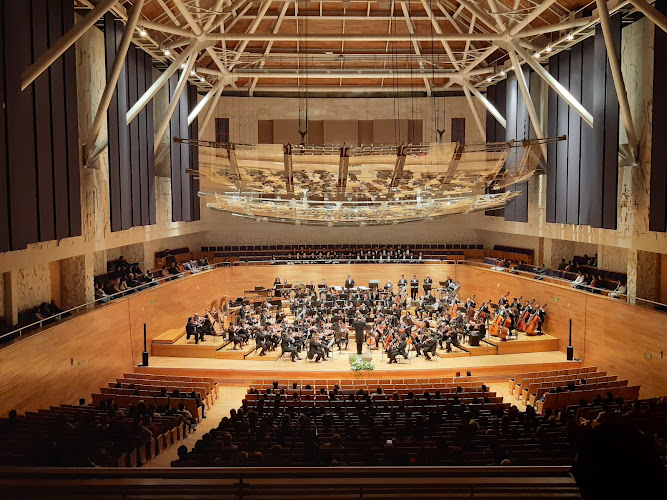
Tlaqná Cultural Center stands as a remarkable destination where Mexico’s rich cultural heritage comes alive through performance, art, and community gathering. This modern facility has quickly become a must-visit spot for travelers seeking authentic cultural experiences beyond typical tourist attractions. The center serves multiple purposes – functioning as both a concert hall and an interactive cultural space where visitors can immerse themselves in traditional and contemporary Mexican arts.
What really makes Tlaqná special is how it bridges the gap between preservation and innovation. You’ll find programming that honors centuries-old traditions while also showcasing cutting-edge performances from emerging artists. The architecture itself reflects this philosophy, with design elements that pay homage to indigenous aesthetics while incorporating modern amenities that ensure comfort for every visitor.
I remember chatting with a local artist who performs here regularly, and she described it as a space where cultural dialogue happens naturally. And honestly, that’s exactly what you feel when you step inside. The atmosphere encourages exploration and connection in ways that sterile museum settings sometimes miss. Whether you’re watching a traditional dance performance, attending a contemporary music concert, or participating in one of their cultural workshops, the experience feels genuine and unforced.
The center has earned its reputation through consistent quality programming and genuine commitment to accessibility. With overwhelmingly positive reception from visitors – the vast majority leave with glowing impressions – it’s clear that Tlaqná delivers on its promise to provide meaningful cultural encounters. Sure, like any venue, it has its occasional off nights or logistical hiccups, but the overall experience consistently exceeds expectations for most travelers.
Key Features
Tlaqná Cultural Center offers several distinctive features that set it apart from other cultural venues:
- Full Accessibility Infrastructure – The facility provides wheelchair accessible entrances, dedicated parking spaces, and accessible restrooms throughout, ensuring all visitors can enjoy the space comfortably regardless of mobility needs
- Professional Concert Hall – The main performance space features excellent acoustics and sightlines, hosting everything from symphony orchestras to folk music ensembles and contemporary artists
- Diverse Programming Schedule – Events range from traditional indigenous performances and folklore presentations to modern theatrical productions and international touring acts
- Interactive Cultural Workshops – Many visits include opportunities to participate in hands-on activities like traditional craft-making, dance lessons, or culinary experiences that deepen understanding of Mexican culture
- Modern Amenities – Clean, well-maintained facilities including restrooms and climate control ensure comfort during your visit
- Flexible Payment Options – The center accepts debit cards and various payment methods, making transactions convenient for international travelers
- Educational Exhibits – Rotating displays and permanent installations provide context about regional history, artistic traditions, and cultural significance
- Community Integration – Unlike tourist-focused venues that feel manufactured, Tlaqná attracts significant local attendance, creating an authentic atmosphere where visitors experience culture alongside community members
Best Time to Visit
Timing your visit to Tlaqná Cultural Center requires thinking about both practical considerations and what kind of experience you’re after. The venue operates year-round with programming scheduled throughout all seasons, so there’s really no “bad” time to go. But certain periods definitely offer advantages.
The dry season from November through April generally provides the most comfortable weather for travel in the region, which matters if you’re combining your cultural center visit with other activities. Temperatures stay pleasant, and you won’t be dealing with afternoon rain showers that characterize the summer months. Plus, many cultural festivals and special events get scheduled during these months, meaning the programming calendar tends to be especially packed with interesting performances.
Holiday periods and weekends naturally see higher attendance. If you enjoy the energy of a full house and don’t mind crowds, these times can actually enhance the experience – there’s something special about watching a performance alongside an enthusiastic audience. But if you prefer a more intimate setting where you can really take your time exploring the space, weekday evenings or matinee performances work better.
I’ve found that visiting during festival seasons offers unique opportunities. Mexico’s cultural calendar includes numerous celebrations throughout the year, and Tlaqná often hosts special programming tied to these events. Day of the Dead festivities, Christmas season posadas, spring equinox celebrations – these occasions bring extraordinary performances you won’t see during regular programming.
One thing worth mentioning: advance ticket purchase is highly recommended regardless of when you visit. Popular performances sell out quickly, sometimes weeks ahead. And honestly, even for events that don’t sell out completely, securing tickets early just eliminates stress and lets you plan the rest of your itinerary around your cultural center visit rather than hoping availability works out.
The shoulder seasons – May and October – can be sweet spots. You’ll encounter fewer tourists overall in the region, but programming quality remains high, and you might snag better accommodation rates for your trip.
How to Get There
Getting to Tlaqná Cultural Center involves some planning, but the journey itself becomes part of the cultural experience. The facility’s location makes it accessible through multiple transportation options, though which method works best depends on where you’re starting from and your comfort level with different travel modes.
For travelers coming from major Mexican cities, checking performance schedules first makes sense since you’ll want to coordinate your arrival with specific events. The center’s website lists upcoming programming, though purchasing tickets often works better through official channels once you’ve identified performances that interest you.
Many visitors arrive by car, and the center provides adequate parking facilities including designated accessible spaces close to the entrance. If you’re renting a vehicle during your Mexico travels, this option offers flexibility and convenience, especially if you’re combining your cultural center visit with exploration of surrounding areas. GPS navigation works reliably for the location, though having a backup map never hurts since technology occasionally fails.
Taxi services and ride-sharing apps operate in the region and can drop you directly at the entrance. This eliminates parking concerns and lets you relax before and after performances. Just make sure to arrange return transportation in advance, especially for evening events when finding rides might take longer.
Public transportation options exist, though routes and schedules vary. Local buses serve the area, and asking your accommodation host for specific route information helps since printed schedules aren’t always readily available. This method definitely saves money and provides authentic local interaction, but allow extra time for potential delays or route confusion.
Some organized tours include Tlaqná Cultural Center on their itineraries, which handles all transportation logistics if you prefer a guided experience. These typically combine the cultural center with other regional attractions, creating a full day of activities.
The surrounding area offers limited walking access from most accommodations, so planning some form of transportation is necessary for most visitors.
Tips for Visiting
Making the most of your Tlaqná Cultural Center experience involves more than just showing up. These practical tips come from both personal experience and insights gathered from fellow travelers who’ve discovered what works best.
First and foremost – buy tickets in advance. I can’t stress this enough. Even if you’re normally a spontaneous traveler who prefers keeping plans flexible, make an exception here. Popular performances sell out, and showing up hoping for availability often leads to disappointment. The advance purchase process is straightforward and saves considerable hassle.
Arrive earlier than you think necessary. Give yourself at least 30-45 minutes before performance start times. This buffer allows for parking, finding your seats, using restrooms, and most importantly, exploring the center’s exhibits and spaces before events begin. Rushing in at the last minute means missing context that enriches your understanding of what you’re about to experience.
Dress comfortably but respectfully. The venue maintains a welcoming atmosphere without strict dress codes, but remember you’re attending cultural performances, not beach parties. Business casual works perfectly – comfortable enough for sitting through performances while showing respect for artists and fellow attendees.
Bring a light jacket or wrap even if outside temperatures feel warm. Concert halls often run air conditioning fairly cold, and sitting still for extended periods means you’ll feel temperatures more than when moving around.
Photography policies vary by performance. Some events welcome photos while others prohibit them to avoid disrupting artists. Check signage or ask staff rather than assuming. And please, if photography is allowed, turn off your flash and keep phone brightness low – nothing ruins a performance faster than bright screens lighting up the audience.
Consider attending different types of events if your schedule allows multiple visits. A traditional folk performance offers completely different insights than a contemporary concert or theatrical production. The center’s programming diversity is one of its strengths, so experiencing that range provides deeper cultural understanding.
Language shouldn’t deter non-Spanish speakers from attending. Many performances transcend language barriers through music, dance, and visual elements. That said, brushing up on basic Spanish phrases enhances your experience and shows respect for the cultural context.
Take advantage of any pre-performance talks or post-show discussions if offered. These sessions provide valuable context and often include opportunities to meet artists, which transforms a performance from entertainment into genuine cultural exchange.
The center’s accessibility features mean visitors with mobility challenges can fully participate. Don’t hesitate to contact staff in advance if you have specific needs – they’re experienced in accommodating diverse requirements.
Plan for some flexibility in timing. While performances start promptly, intermissions and ending times can vary. If you’re scheduling dinner or other activities afterward, build in buffer time rather than booking back-to-back commitments.
Finally, approach your visit with openness. You might encounter unfamiliar art forms or performances that challenge expectations. That discomfort often signals you’re experiencing something genuinely different from your usual frame of reference – which is exactly why cultural travel matters. Let yourself be curious rather than judgmental, and you’ll leave with richer memories and broader perspectives.