
Musée Dobrée
About Musée Dobrée
Description
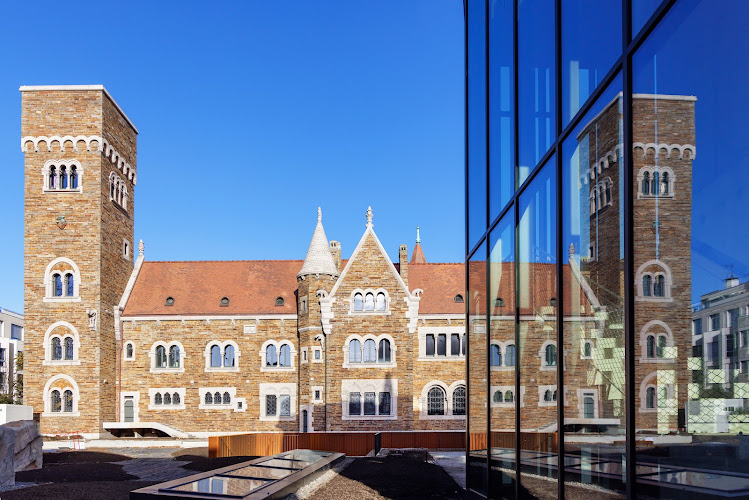
There’s something quietly magical about walking into the Musée Dobrée. Maybe it’s the way the 19th-century palace seems to whisper stories from another time, or maybe it’s because you can almost feel the presence of Thomas Dobrée himself—the passionate collector whose life’s work fills these rooms. This museum isn’t just a showcase of art and archaeology; it’s a love letter to history, craftsmanship, and curiosity. Located right in the heart of Nantes, it’s one of those places that pulls you in and keeps you wandering longer than you planned.
The museum’s collection is vast, stretching across five continents and over half a million years of human history. You’ll find everything from medieval manuscripts and ancient coins to Renaissance paintings and intricate sculptures. It’s the kind of place where you can lose track of time, especially if you’re the kind of traveler who loves to linger over small details—the delicate brushstroke on a portrait, or the worn edges of a centuries-old book. The building itself is a masterpiece too, with its neo-medieval architecture, tall turrets, and grand staircases that make you feel like you’ve stepped into a historical novel.
What makes the Musée Dobrée stand out, though, is its personality. After a long renovation that wrapped up in 2024, the museum reopened with a fresh, modern layout that still respects its heritage. It’s not stuffy or overly academic; it’s warm, engaging, and surprisingly intimate. You’ll see families exploring together, art lovers sketching in quiet corners, and the occasional student scribbling notes for a history paper. It’s a place that feels alive. And even if you’re not a museum person, there’s something about the Dobrée that might just change your mind.
Key Features
- A stunning 19th-century neo-medieval palace housing the personal collection of Thomas Dobrée.
- Over 2,400 objects spanning 500,000 years of history, from archaeological artifacts to fine art.
- Permanent and temporary exhibitions highlighting regional and global heritage.
- Accessibility-friendly facilities, including wheelchair access, assistive hearing loops, and restrooms designed for all visitors.
- Family-friendly amenities such as changing tables, kid-focused activities, and discounts for children.
- Free Wi-Fi and gender-neutral restrooms for a more inclusive visitor experience.
- Interactive displays and digital installations that bring history to life.
- Peaceful gardens and outdoor spaces perfect for a short break between exhibits.
Best Time to Visit
If you ask me, the best time to visit the Musée Dobrée is during spring or early autumn. The weather in Nantes is mild, the gardens around the museum are green and full of life, and the crowds haven’t yet reached their summer peak. There’s something special about stepping out of the museum after a morning of exploring and grabbing a coffee nearby while the city hums quietly around you. But honestly, any time of year works. The museum’s interior is cozy and well-lit, making it an excellent rainy-day escape (and Nantes does get its fair share of drizzle, so that’s a bonus).
Weekdays tend to be calmer, which means you can take your time wandering through the exhibits without feeling rushed. Sundays, on the other hand, bring a livelier crowd—families, locals, and travelers all mingling together. It’s a different kind of energy, more social and spontaneous. If you enjoy people-watching or chatting with other visitors, that’s your day. Just remember to check the museum’s official schedule, as special exhibitions and cultural events can change opening hours slightly.
How to Get There
Reaching the Musée Dobrée is pretty straightforward, especially if you’re already exploring central Nantes. The museum is within walking distance of several major landmarks, including the Château des Ducs de Bretagne and the Passage Pommeraye. If you’re staying in the city center, you can easily stroll over in about 10–15 minutes. For those coming from farther out, the local tram system is your best friend—lines 1 and 2 both stop nearby, and the public transport network in Nantes is reliable and easy to navigate.
If you prefer driving, there’s paid street parking around the area, though it can get busy during weekends. Personally, I’d skip the car if possible; the walk through the old streets leading to the museum is part of the charm. You’ll pass by cafés, boutique shops, and those classic French façades that make you stop for a quick photo. And if you’re cycling around Nantes (which is quite popular here), there are bike racks close to the museum entrance, making it a convenient stop on your route.
Tips for Visiting
Here’s the thing about the Musée Dobrée—it’s one of those places that rewards curiosity. So take your time. Don’t rush from one exhibit to another. Let yourself get lost a little. The museum layout flows naturally, but it’s easy to double back and discover something you missed the first time. I’d recommend starting with the archaeological section, then moving on to the art and manuscripts. The contrast between ancient artifacts and fine art gives you a deeper appreciation of how human creativity has evolved.
If you’re traveling with kids, you’re in luck. The museum is wonderfully family-friendly, with interactive exhibits and activities designed to keep younger visitors engaged. I once saw a group of kids completely absorbed in a digital treasure hunt about medieval life—it was honestly adorable. And for parents, there are changing tables and family discounts, which make the visit a bit easier on both logistics and budget.
Accessibility is another strong point here. Wheelchair users will find the museum easy to navigate, and there are assistive hearing devices available for those who need them. It’s clear that the museum has made an effort to be welcoming to all visitors, which is something I really appreciate.
Oh, and one more thing—don’t skip the small museum shop near the exit. It’s not your average souvenir stand; it’s full of beautifully curated items, from art books to local crafts. I picked up a postcard there once with a reproduction of a medieval illustration, and it still hangs above my desk. Little reminders like that make travel memories last longer.
Before you go, check if there’s a temporary exhibition running. The museum often collaborates with artists and cultural institutions to host limited-time displays that add a fresh twist to its permanent collection. These can range from contemporary reinterpretations of historical art to archaeological discoveries from recent digs in the region. It’s always worth seeing what’s new.
To wrap it up, the Musée Dobrée isn’t just another stop on a sightseeing itinerary—it’s a place that invites reflection and wonder. Whether you’re a history buff, an art lover, or just someone who enjoys a good story told through objects, this museum has a quiet charm that stays with you long after you’ve left. And maybe, like me, you’ll find yourself thinking about Thomas Dobrée—this man who spent his life collecting beauty and meaning—and feeling grateful that his passion still inspires visitors today.
Key Features
- A stunning 19th-century neo-medieval palace housing the personal collection of Thomas Dobrée.
- Over 2,400 objects spanning 500,000 years of history, from archaeological artifacts to fine art.
- Permanent and temporary exhibitions highlighting regional and global heritage.
- Accessibility-friendly facilities, including wheelchair access, assistive hearing loops, and restrooms designed for all visitors.
- Family-friendly amenities such as changing tables, kid-focused activities, and discounts for children.
- Free Wi-Fi and gender-neutral restrooms for a more inclusive visitor experience.
- Interactive displays and digital installations that bring history to life.
- Peaceful gardens and outdoor spaces perfect for a short break between exhibits.
More Details
Updated November 30, 2025
Table of Contents
Description
There’s something quietly magical about walking into the Musée Dobrée. Maybe it’s the way the 19th-century palace seems to whisper stories from another time, or maybe it’s because you can almost feel the presence of Thomas Dobrée himself—the passionate collector whose life’s work fills these rooms. This museum isn’t just a showcase of art and archaeology; it’s a love letter to history, craftsmanship, and curiosity. Located right in the heart of Nantes, it’s one of those places that pulls you in and keeps you wandering longer than you planned.
The museum’s collection is vast, stretching across five continents and over half a million years of human history. You’ll find everything from medieval manuscripts and ancient coins to Renaissance paintings and intricate sculptures. It’s the kind of place where you can lose track of time, especially if you’re the kind of traveler who loves to linger over small details—the delicate brushstroke on a portrait, or the worn edges of a centuries-old book. The building itself is a masterpiece too, with its neo-medieval architecture, tall turrets, and grand staircases that make you feel like you’ve stepped into a historical novel.
What makes the Musée Dobrée stand out, though, is its personality. After a long renovation that wrapped up in 2024, the museum reopened with a fresh, modern layout that still respects its heritage. It’s not stuffy or overly academic; it’s warm, engaging, and surprisingly intimate. You’ll see families exploring together, art lovers sketching in quiet corners, and the occasional student scribbling notes for a history paper. It’s a place that feels alive. And even if you’re not a museum person, there’s something about the Dobrée that might just change your mind.
Key Features
- A stunning 19th-century neo-medieval palace housing the personal collection of Thomas Dobrée.
- Over 2,400 objects spanning 500,000 years of history, from archaeological artifacts to fine art.
- Permanent and temporary exhibitions highlighting regional and global heritage.
- Accessibility-friendly facilities, including wheelchair access, assistive hearing loops, and restrooms designed for all visitors.
- Family-friendly amenities such as changing tables, kid-focused activities, and discounts for children.
- Free Wi-Fi and gender-neutral restrooms for a more inclusive visitor experience.
- Interactive displays and digital installations that bring history to life.
- Peaceful gardens and outdoor spaces perfect for a short break between exhibits.
Best Time to Visit
If you ask me, the best time to visit the Musée Dobrée is during spring or early autumn. The weather in Nantes is mild, the gardens around the museum are green and full of life, and the crowds haven’t yet reached their summer peak. There’s something special about stepping out of the museum after a morning of exploring and grabbing a coffee nearby while the city hums quietly around you. But honestly, any time of year works. The museum’s interior is cozy and well-lit, making it an excellent rainy-day escape (and Nantes does get its fair share of drizzle, so that’s a bonus).
Weekdays tend to be calmer, which means you can take your time wandering through the exhibits without feeling rushed. Sundays, on the other hand, bring a livelier crowd—families, locals, and travelers all mingling together. It’s a different kind of energy, more social and spontaneous. If you enjoy people-watching or chatting with other visitors, that’s your day. Just remember to check the museum’s official schedule, as special exhibitions and cultural events can change opening hours slightly.
How to Get There
Reaching the Musée Dobrée is pretty straightforward, especially if you’re already exploring central Nantes. The museum is within walking distance of several major landmarks, including the Château des Ducs de Bretagne and the Passage Pommeraye. If you’re staying in the city center, you can easily stroll over in about 10–15 minutes. For those coming from farther out, the local tram system is your best friend—lines 1 and 2 both stop nearby, and the public transport network in Nantes is reliable and easy to navigate.
If you prefer driving, there’s paid street parking around the area, though it can get busy during weekends. Personally, I’d skip the car if possible; the walk through the old streets leading to the museum is part of the charm. You’ll pass by cafés, boutique shops, and those classic French façades that make you stop for a quick photo. And if you’re cycling around Nantes (which is quite popular here), there are bike racks close to the museum entrance, making it a convenient stop on your route.
Tips for Visiting
Here’s the thing about the Musée Dobrée—it’s one of those places that rewards curiosity. So take your time. Don’t rush from one exhibit to another. Let yourself get lost a little. The museum layout flows naturally, but it’s easy to double back and discover something you missed the first time. I’d recommend starting with the archaeological section, then moving on to the art and manuscripts. The contrast between ancient artifacts and fine art gives you a deeper appreciation of how human creativity has evolved.
If you’re traveling with kids, you’re in luck. The museum is wonderfully family-friendly, with interactive exhibits and activities designed to keep younger visitors engaged. I once saw a group of kids completely absorbed in a digital treasure hunt about medieval life—it was honestly adorable. And for parents, there are changing tables and family discounts, which make the visit a bit easier on both logistics and budget.
Accessibility is another strong point here. Wheelchair users will find the museum easy to navigate, and there are assistive hearing devices available for those who need them. It’s clear that the museum has made an effort to be welcoming to all visitors, which is something I really appreciate.
Oh, and one more thing—don’t skip the small museum shop near the exit. It’s not your average souvenir stand; it’s full of beautifully curated items, from art books to local crafts. I picked up a postcard there once with a reproduction of a medieval illustration, and it still hangs above my desk. Little reminders like that make travel memories last longer.
Before you go, check if there’s a temporary exhibition running. The museum often collaborates with artists and cultural institutions to host limited-time displays that add a fresh twist to its permanent collection. These can range from contemporary reinterpretations of historical art to archaeological discoveries from recent digs in the region. It’s always worth seeing what’s new.
To wrap it up, the Musée Dobrée isn’t just another stop on a sightseeing itinerary—it’s a place that invites reflection and wonder. Whether you’re a history buff, an art lover, or just someone who enjoys a good story told through objects, this museum has a quiet charm that stays with you long after you’ve left. And maybe, like me, you’ll find yourself thinking about Thomas Dobrée—this man who spent his life collecting beauty and meaning—and feeling grateful that his passion still inspires visitors today.
Key Highlights
- A stunning 19th-century neo-medieval palace housing the personal collection of Thomas Dobrée.
- Over 2,400 objects spanning 500,000 years of history, from archaeological artifacts to fine art.
- Permanent and temporary exhibitions highlighting regional and global heritage.
- Accessibility-friendly facilities, including wheelchair access, assistive hearing loops, and restrooms designed for all visitors.
- Family-friendly amenities such as changing tables, kid-focused activities, and discounts for children.
- Free Wi-Fi and gender-neutral restrooms for a more inclusive visitor experience.
- Interactive displays and digital installations that bring history to life.
- Peaceful gardens and outdoor spaces perfect for a short break between exhibits.
Location
Places to Stay Near Musée Dobrée
Find and Book a Tour
Explore More Travel Guides
No reviews found! Be the first to review!
Traveler Reviews for Musée Dobrée
There are no reviews yet. Be the first one to write one.
Have you visited Musée Dobrée? Help other travelers by sharing your review.
You Might Also Like

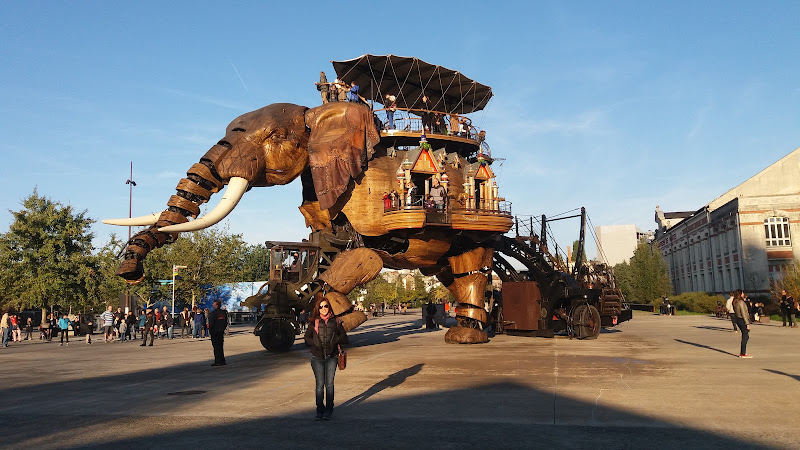
Les Machines de l'Île
44000 Nantes
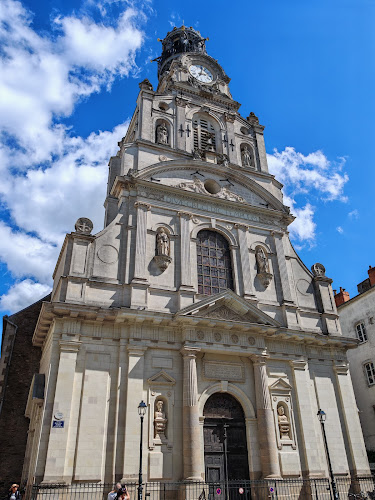
Église Sainte-Croix de Nantes
Find Accommodations Nearby
Recommended Tours & Activities
Visitor Reviews
There are no reviews yet. Be the first one to write one.
Share Your Experience
Have you visited Musée Dobrée? Help other travelers by leaving a review.