
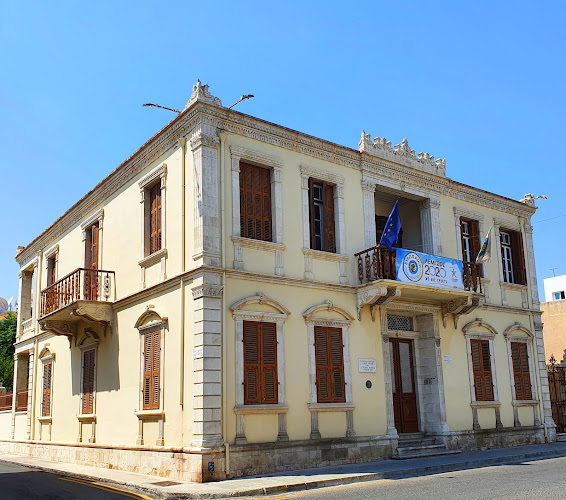
Municipal Museum of Folk Art
About Municipal Museum of Folk Art
Description
The Municipal Museum of Folk Art in Limassol, Cyprus, offers a concentrated and quietly powerful look at Cypriot folk art and everyday life from the 19th and 20th centuries. Housed in a restored municipal building, the museum is small enough to feel intimate yet rich enough in its collection that a single room can hold several surprises. The emphasis is on local craft, traditional Cypriot costumes, domestic furniture, wooden chests, jewellery and tools that once ruled rural routines. It is the kind of place that rewards slow walking and curious fingers on a mental level: look closely at a stitch in an embroidered garment and the island’s past opens up in threads.
Visitors often remark on how human the exhibits feel. The permanent collection of folk art and artifacts is arranged to evoke home life more than high art, so the displays read like snapshots of people: the mother who mended garments by lamplight, the farmer who polished his bronze tools on market day, the bride whose dowry included a hand-carved chest. There is a studied modesty here — no overwhelming galleries, no pedestal-sized installations — just a deliberate arrangement of items that together tell a fuller story about Cypriot traditions, social customs and regional style. The municipal museum approach keeps the focus local, which is exactly its strength; it doesn’t pretend to be a national repository but instead celebrates the island’s grassroots creativity and everyday ingenuity.
Architecturally, the building itself is part of the experience. Restored sensibly rather than sensationally, the space preserves an old-house feeling without sacrificing accessibility. A wheelchair accessible entrance is in place, which matters — not every heritage site thinks about that. The layout is straightforward: a handful of rooms (some guides call them six rooms) that guide visitors through costume, textiles, domestic furniture, wood-carved objects, agricultural implements, and small decorative arts like jewellery and bronze trinkets. For many travelers the charm lies in how the rooms are curated: objects are grouped by usage and season rather than by date, which makes it easy to imagine life on the island across decades.
This municipal museum does not rely on flashy multimedia; instead it leans on the tactile presence of objects. Embroidery, for example, deserves more than a quick glance. The needlework on display includes regional motifs that hint at local identity, trade contacts and shifts in taste over time. The costumes are not just pretty garments; they are coded garments — a sleeve shape or a woven border can indicate marital status, village origin, even profession. Those details fascinate people who like the small things that reveal big stories. The museum’s collection of wooden chests is another highlight. Often richly decorated and utilitarian, the chests carry both a decorative language and an economic history: dowry-storage, inheritance, migration. Again, it’s the nearby, the domestic, that tells the larger tale.
For families and travelers with children, the museum tends to be welcoming. It’s listed as good for kids, and many parents appreciate that the pace and scale allow children to engage without being overwhelmed. There are tactile learning opportunities (though handling original pieces is rarely permitted), and the narrative is simple enough for younger visitors to follow: who made the objects, what they were used for, how life changed between the 19th and 20th centuries. The absence of a restaurant on site means one should plan snacks or a nearby café stop, but that’s a small inconvenience compared to the value of the displays.
Another somewhat underrated aspect is the museum’s collection of agricultural tools and utensils. These aren’t glamorous, but they are insightful. Tools tell the story of work — saisonal rhythms, crop choices, communal labor — and they connect craft to survival. The agricultural implements, arranged next to domestic items like chests and cooking ware, give a fuller picture of rural life that many other museums separate into neat silos. Here, the visitor can piece together how a household functioned from sunup to sundown.
One useful thing to know: the Municipal Museum of Folk Art keeps a manageable scale, which suits travelers who want cultural depth without a marathon museum day. It’s not a place to rush through. The ideal visit is slow: read a label, lean in to see stitchwork, pause at a chest, imagine what it held. That experience often inspires the most memorable photographs — close-ups of textures, patterns and the odd handwritten note tucked into a display. People who love cultural layering — the way an object can be material, symbolic and social history at once — will be particularly pleased.
There is also a quiet curatorial intelligence behind the scenes. The municipal collection tends to highlight regional variation across Cyprus rather than focusing solely on one type of artifact. So while the traditional costumes and embroidery might grab initial attention, other items like wood-carved furniture and small decorative bronzes reveal cross-cultural exchange and local adaptation. When the museum mentions 19th and 20th century pieces, it really means it: visitors will find examples that show continuity and change, helping them understand how Cypriot folk traditions evolved as the island itself modernized.
Practical things, briefly: the museum is part of the city’s cultural map, easy to combine with a walk through nearby neighborhoods or a stop at other municipal attractions. There is a civic sensibility to the place — it’s a municipal museum after all — and that civic feeling is pleasant. The staff are typically friendly and helpful; they can point out small details that make the exhibits pop. And while some travelers wish for more interactive displays or a café to linger in, many end the visit satisfied precisely because the museum keeps things focused and intimate.
One anecdote that circulates among repeat visitors: a school group once turned the costume room into an impromptu storytelling session, with kids inventing lives for the figures suggested by the garments. That kind of spontaneous engagement is exactly what the museum seems to encourage without forcing. It’s education by suggestion — a quiet invitation to imagine, to ask questions, to connect objects to people. A traveler who enjoys this sort of low-key participation will leave thinking of details: a stitch, a carved handle, a small bronze that looks like it has been polished by many hands.
In terms of tone and expectations, the Municipal Museum of Folk Art in Limassol is honest about what it offers: a well-chosen municipal collection that preserves, explains and celebrates the island’s folk traditions. It’s not trying to be a blockbuster. Instead, it wants to be the place a thoughtful traveler visits to understand everyday Cypriot culture. That intent shows in the displays, in the accessible layout, and in the care taken to explain how garments, tools and furniture fit into life on the island across the 19th and 20th centuries.
For someone planning a cultural itinerary in Limassol, this municipal museum is the kind of stop that deepens perspective. Visit it after a stroll through the older parts of the city, or pair it with a nearby religious or historical site to get the full flavor of local life. Expect to leave with a collection of small mental images — the particular curve of a wooden chest, the color palette of embroidery, the anxious neatness of traditional jewellery — and with a clearer sense of how folk art is not just art but lived practice.
Finally, the museum rewards curiosity. Ask for more context about an object and staff will often oblige; if a label is brief, a short conversation will usually fill in the gaps. The location’s municipal identity keeps it grounded in community history, and that makes the visit feel like a conversation with the island rather than a lecture about it. In short, for travelers who care about authentic local narratives — the humble, practical, beautiful things of daily life — the Municipal Museum of Folk Art in Limassol is a small, essential stop worth budgeting an hour or two for. It gives the island back its textures, one stitch and one wooden chest at a time.
Key Features
More Details
Updated August 30, 2025
Table of Contents
Description
The Municipal Museum of Folk Art in Limassol, Cyprus, offers a concentrated and quietly powerful look at Cypriot folk art and everyday life from the 19th and 20th centuries. Housed in a restored municipal building, the museum is small enough to feel intimate yet rich enough in its collection that a single room can hold several surprises. The emphasis is on local craft, traditional Cypriot costumes, domestic furniture, wooden chests, jewellery and tools that once ruled rural routines. It is the kind of place that rewards slow walking and curious fingers on a mental level: look closely at a stitch in an embroidered garment and the island’s past opens up in threads.
Visitors often remark on how human the exhibits feel. The permanent collection of folk art and artifacts is arranged to evoke home life more than high art, so the displays read like snapshots of people: the mother who mended garments by lamplight, the farmer who polished his bronze tools on market day, the bride whose dowry included a hand-carved chest. There is a studied modesty here — no overwhelming galleries, no pedestal-sized installations — just a deliberate arrangement of items that together tell a fuller story about Cypriot traditions, social customs and regional style. The municipal museum approach keeps the focus local, which is exactly its strength; it doesn’t pretend to be a national repository but instead celebrates the island’s grassroots creativity and everyday ingenuity.
Architecturally, the building itself is part of the experience. Restored sensibly rather than sensationally, the space preserves an old-house feeling without sacrificing accessibility. A wheelchair accessible entrance is in place, which matters — not every heritage site thinks about that. The layout is straightforward: a handful of rooms (some guides call them six rooms) that guide visitors through costume, textiles, domestic furniture, wood-carved objects, agricultural implements, and small decorative arts like jewellery and bronze trinkets. For many travelers the charm lies in how the rooms are curated: objects are grouped by usage and season rather than by date, which makes it easy to imagine life on the island across decades.
This municipal museum does not rely on flashy multimedia; instead it leans on the tactile presence of objects. Embroidery, for example, deserves more than a quick glance. The needlework on display includes regional motifs that hint at local identity, trade contacts and shifts in taste over time. The costumes are not just pretty garments; they are coded garments — a sleeve shape or a woven border can indicate marital status, village origin, even profession. Those details fascinate people who like the small things that reveal big stories. The museum’s collection of wooden chests is another highlight. Often richly decorated and utilitarian, the chests carry both a decorative language and an economic history: dowry-storage, inheritance, migration. Again, it’s the nearby, the domestic, that tells the larger tale.
For families and travelers with children, the museum tends to be welcoming. It’s listed as good for kids, and many parents appreciate that the pace and scale allow children to engage without being overwhelmed. There are tactile learning opportunities (though handling original pieces is rarely permitted), and the narrative is simple enough for younger visitors to follow: who made the objects, what they were used for, how life changed between the 19th and 20th centuries. The absence of a restaurant on site means one should plan snacks or a nearby café stop, but that’s a small inconvenience compared to the value of the displays.
Another somewhat underrated aspect is the museum’s collection of agricultural tools and utensils. These aren’t glamorous, but they are insightful. Tools tell the story of work — saisonal rhythms, crop choices, communal labor — and they connect craft to survival. The agricultural implements, arranged next to domestic items like chests and cooking ware, give a fuller picture of rural life that many other museums separate into neat silos. Here, the visitor can piece together how a household functioned from sunup to sundown.
One useful thing to know: the Municipal Museum of Folk Art keeps a manageable scale, which suits travelers who want cultural depth without a marathon museum day. It’s not a place to rush through. The ideal visit is slow: read a label, lean in to see stitchwork, pause at a chest, imagine what it held. That experience often inspires the most memorable photographs — close-ups of textures, patterns and the odd handwritten note tucked into a display. People who love cultural layering — the way an object can be material, symbolic and social history at once — will be particularly pleased.
There is also a quiet curatorial intelligence behind the scenes. The municipal collection tends to highlight regional variation across Cyprus rather than focusing solely on one type of artifact. So while the traditional costumes and embroidery might grab initial attention, other items like wood-carved furniture and small decorative bronzes reveal cross-cultural exchange and local adaptation. When the museum mentions 19th and 20th century pieces, it really means it: visitors will find examples that show continuity and change, helping them understand how Cypriot folk traditions evolved as the island itself modernized.
Practical things, briefly: the museum is part of the city’s cultural map, easy to combine with a walk through nearby neighborhoods or a stop at other municipal attractions. There is a civic sensibility to the place — it’s a municipal museum after all — and that civic feeling is pleasant. The staff are typically friendly and helpful; they can point out small details that make the exhibits pop. And while some travelers wish for more interactive displays or a café to linger in, many end the visit satisfied precisely because the museum keeps things focused and intimate.
One anecdote that circulates among repeat visitors: a school group once turned the costume room into an impromptu storytelling session, with kids inventing lives for the figures suggested by the garments. That kind of spontaneous engagement is exactly what the museum seems to encourage without forcing. It’s education by suggestion — a quiet invitation to imagine, to ask questions, to connect objects to people. A traveler who enjoys this sort of low-key participation will leave thinking of details: a stitch, a carved handle, a small bronze that looks like it has been polished by many hands.
In terms of tone and expectations, the Municipal Museum of Folk Art in Limassol is honest about what it offers: a well-chosen municipal collection that preserves, explains and celebrates the island’s folk traditions. It’s not trying to be a blockbuster. Instead, it wants to be the place a thoughtful traveler visits to understand everyday Cypriot culture. That intent shows in the displays, in the accessible layout, and in the care taken to explain how garments, tools and furniture fit into life on the island across the 19th and 20th centuries.
For someone planning a cultural itinerary in Limassol, this municipal museum is the kind of stop that deepens perspective. Visit it after a stroll through the older parts of the city, or pair it with a nearby religious or historical site to get the full flavor of local life. Expect to leave with a collection of small mental images — the particular curve of a wooden chest, the color palette of embroidery, the anxious neatness of traditional jewellery — and with a clearer sense of how folk art is not just art but lived practice.
Finally, the museum rewards curiosity. Ask for more context about an object and staff will often oblige; if a label is brief, a short conversation will usually fill in the gaps. The location’s municipal identity keeps it grounded in community history, and that makes the visit feel like a conversation with the island rather than a lecture about it. In short, for travelers who care about authentic local narratives — the humble, practical, beautiful things of daily life — the Municipal Museum of Folk Art in Limassol is a small, essential stop worth budgeting an hour or two for. It gives the island back its textures, one stitch and one wooden chest at a time.
Key Highlights
Municipal Museum of Folk Art
Location
Places to Stay Near Municipal Museum of Folk Art
Find and Book a Tour
Explore More Travel Guides
No reviews found! Be the first to review!
Traveler Reviews for Municipal Museum of Folk Art
There are no reviews yet. Be the first one to write one.
Have you visited Municipal Museum of Folk Art? Help other travelers by sharing your review.
You Might Also Like
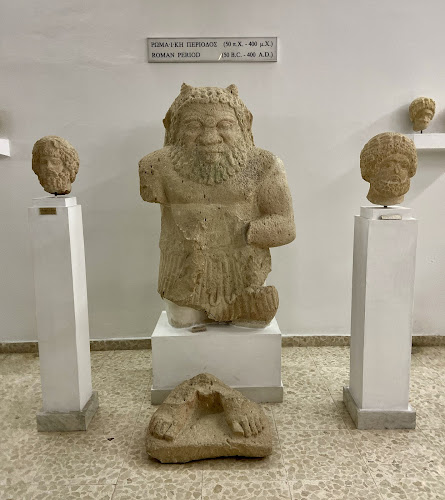
Archaeological Museum of the Lemesos (Limassol) District
City Park Souda Omonoia Limassol
ESCAPE Limassol Old Town
Find Accommodations Nearby
Recommended Tours & Activities
Visitor Reviews
There are no reviews yet. Be the first one to write one.
Share Your Experience
Have you visited Municipal Museum of Folk Art? Help other travelers by leaving a review.