
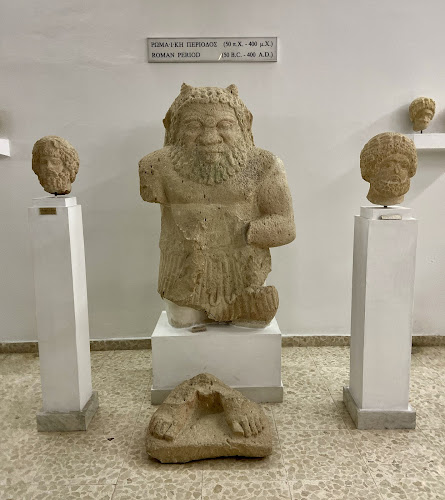
Archaeological Museum of the Lemesos (Limassol) District
About Archaeological Museum of the Lemesos (Limassol) District
The Archaeological Museum of the Lemesos (Limassol) District sits like a small, honest book on a busy shelf — modest in scale but full of chapters that take you back thousands of years. Housed in a building dating to about 1948, the museum presents artefacts, statuary and art recovered from the Lemesos region and nearby archaeological sites. It concentrates on the long arc of human presence on this patch of Cyprus, from Neolithic tools and pottery through the Roman period and later medieval finds. Visitors will see funerary stelae, sculpted heads, domestic pottery, coins and everyday tools that whisper more about ordinary lives than high drama ever could.
What makes the museum feel special is how intimate the experience is. Unlike sprawling national museums where single objects can disappear into an ocean of glass, here you get close — almost too close sometimes — to individual stories. The lighting is gentle, the labels are clear and compact, and the layout encourages a slow, curious wander. The museum is often used by students and local history buffs as a quiet teaching place, so expect groups of school children on some days and solitary admirers on others. It doesn’t pretend to be flashy. And that is its charm: authenticity, low fuss, and direct contact with real antiquities.
There are several focused displays that pay off for the patient observer. Finds from the important nearby sites such as Kourion are represented, giving context to grander ruins along the coast. A modest section explains the Roman period in Lemesos with mosaics fragments, architectural bits and funerary material. The Neolithic and Bronze Age objects — flint tools, early pottery sherds — remind the visitor that people settled and shaped this island for millennia. For someone who loves archaeology, or even people-watching through history, the museum offers quiet revelations rather than loud, curated narratives.
Accessibility is a practical strength here. There is a wheelchair accessible entrance, parking and restroom, which means the museum is easier to visit than many older sites on the island. Facilities are simple: there is a restroom on site but no restaurant. Families with kids generally find it a good stop — children can touch few things, but the displays are engaging enough to spark curiosity. The museum’s modest size also means a visit can be brief or long, depending on your appetite for detail.
People who expect blockbuster exhibits might be mildly disappointed, but those who appreciate context and continuity will leave pleased. The museum feels like a local secret that is, in reality, not so secret — it’s quietly well-loved. Expect a friendly, no-nonsense atmosphere and the occasional school group. And yes, bring a notebook. There are little nuggets — a coin with a tiny portrait, a chipped kylix — that reward scribbles and daydreaming.
Key Features
- Modest 1948-era museum building with a compact, easy-to-navigate layout
- Collections spanning Neolithic through Roman and medieval periods, including pottery, tools, coins and funerary artefacts
- Notable finds from the Limassol district and nearby archaeological sites such as Kourion
- Intimate display cases that allow close viewing of sculptures, reliefs and small finds
- Informative labels and photographic material that provide archaeological context without jargon overload
- Wheelchair accessible entrance, parking and restroom facilities for inclusive visits
- Family-friendly; well-suited to school groups and young curious minds
- No on-site restaurant; nearby cafes and municipal gardens offer pleasant places to rest after touring
- Quiet atmosphere ideal for slow exploration, sketching or research
Best Time to Visit
The museum is a fine weather-proof stop and therefore works any time of year, but timing does make a difference to your experience. If you travel in late spring (April to June) or early autumn (September to October), you get pleasant temperatures and fewer tour buses than in the height of summer. Winters are mild on the island, and this museum can be a welcome indoor break after exploring outdoor ruins when there’s a little wind or rain. Summers are popular — many travellers pair a morning at the museum with a seaside afternoon — so if you prefer quiet, aim for weekday mornings when light pours in and the displays feel like your private reading room.
A practical tip: arrive soon after opening if you want good light on the exhibits and a calmer atmosphere. Later in the day can feel rushed as groups trickle in. Also, school term times bring in classes; that is delightful if you like energy and local engagement, but slightly noisy if you’re craving solitude. If you love photography, check ahead about flash restrictions; natural light and the museum’s subtle interior often make for better, moody shots than harsh flash.
How to Get There
The museum sits within the city area of Limassol, so it is easily reached by local transport or a short taxi ride from most central points. If you are staying in Limassol, a short bus or taxi will do; buses in Cyprus are regular between main hubs, and local drivers usually know the district museum without needing the precise address. Driving is straightforward for those with a rental car; parking is available nearby and includes wheelchair accessible spaces. Pedestrians will appreciate a pleasant walk from the historical centre if they enjoy combining a museum visit with a stroll through urban streets and parks.
For travellers planning a day that includes archaeological outdoor sites, this museum pairs well with visits to Kourion, the Limassol castle area and the municipal gardens. Think of it as the context stop — you see the ruins and mosaics out in the open, then come here to hold the little things in your mind and connect the picture. Local guides often recommend slotting an hour here between larger excursions: enough to get value, not so long that you miss the sun on the coast.
Tips for Visiting
Visitors who get the most out of the Archaeological Museum of the Lemesos (Limassol) District tend to come prepared, curious and patient. Here are practical and slightly opinionated tips that help make the visit richer.
- Give yourself at least 45–90 minutes. The museum is small but dense; rushing through it wastes nuance. Sit, linger and read the labels. The details are where the charm lives.
- Bring a notebook or sketchbook. There are tiny details — decorative lines on pottery rims, coin portraits — that reward quick sketches or notes. This writer once sketched a battered amphora and later recognized the pattern at Kourion; it made the whole trip click together.
- Ask staff questions. The team tends to be approachable and sometimes will point out things not obvious from the labels. They can also give pointers to nearby sites worth seeing.
- Wear comfortable shoes. Even though the museum itself is compact, the best plan is often to combine it with walking in the town or visiting nearby ruins and gardens.
- Don’t expect a café inside. Plan a stop at a nearby cafe or the municipal gardens afterward for a proper break and some people-watching. Pack a small bottle of water though — Cyprus heat can be sneaky.
- Families: the museum is kid-friendly but with limited interactive elements. Prepare a simple scavenger hunt for your children — find the smallest coin, spot the oldest pot sherd — and they’ll be happier than you might expect.
- Accessibility: the entrance, restroom and parking are wheelchair accessible. If accessibility needs are critical, a quick phone call ahead can confirm the latest arrangements and any additional support the staff can provide.
- Combine with local sites: visit the nearby castle or Kourion to see the larger archaeological landscape. The juxtaposition of open-air ruins and indoor finds brings history to life.
- Photography: always check signage. For many objects photography without flash is acceptable, but some items may be off-limits. Respect the rules; it keeps the place open for everyone.
- Mindful visiting: because the museum is modestly sized and treasured by locals, avoid large backpacks or food inside exhibition spaces. Keep voices low and mobile phones on silent so others can enjoy the contemplative atmosphere.
For a visitor who loves history, this museum is one of those satisfying little stops — no grand theatrical staging, but real objects that connect you to the everyday lives of people who lived here long before modern Limassol took shape. If you leave with a single image in your head, let it be not a monumental statue but a tiny coin or a chipped pot that someone once used without thinking they were making history. Those are the finds that linger.
Finally, allow yourself to make a small, personal detour after the museum. Walk a block and find a café, or sit in a nearby park and let the patterns from the exhibits settle in your head. Trips like this are often about those quiet after-moments when history rearranges itself into something you can carry home. It’s not a drama, more like the satisfying click of a puzzle piece falling into place. And that — quietly and stubbornly — is why people come back.
Key Features
- Modest 1948-era museum building with a compact, easy-to-navigate layout
- Collections spanning Neolithic through Roman and medieval periods, including pottery, tools, coins and funerary artefacts
- Notable finds from the Limassol district and nearby archaeological sites such as Kourion
- Intimate display cases that allow close viewing of sculptures, reliefs and small finds
- Informative labels and photographic material that provide archaeological context without jargon overload
- Wheelchair accessible entrance, parking and restroom facilities for inclusive visits
- Family-friendly; well-suited to school groups and young curious minds
- No on-site restaurant; nearby cafes and municipal gardens offer pleasant places to rest after touring
You Might Also Like

A. G. Leventis Gallery

Acropolis Park
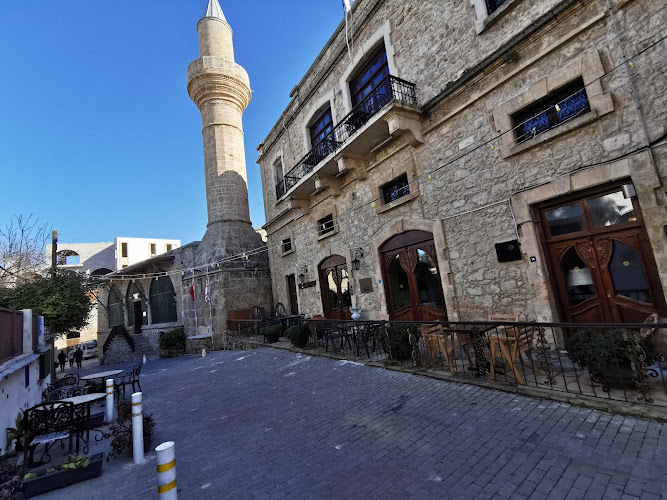
Ağa Cafer Pasha Mosque
Tours & Activities
GetYourGuide provides this tour inventory. We may earn a commission if you book through it; verify current availability, prices, and terms with the provider.
Visitor Reviews
There are no reviews yet. Be the first one to write one.
Share Your Experience
Have you visited Archaeological Museum of the Lemesos (Limassol) District? Help other travelers by leaving a review.