Mosque 3.9 Touba, SenegalCommunity Guide

Mosquée De Darou Khoudoss

V48C+29G, Touba, Senegal

Mosquée De Darou Khoudoss
27 Photos

About & Overview

Description

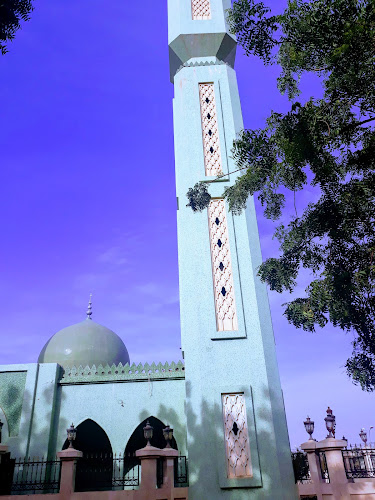
Set just east of the Dâru Qudûs quarter in Touba, Mosquée De Darou Khoudoss is a quiet, venerable community mosque that offers visitors a close-up look at the everyday devotional life that shapes this spiritual city. Founded within the historic concession of Serigne Mouhammadou Moustapha Mbacké and restored in 1980 under Serigne Mbacké Madina with the khalif’s approval, the mosque blends modest local architecture with well-kept grounds that sit near the road to Touba-Belel. Unlike the sprawling grandeur of the Great Mosque of Touba, Darou Khoudoss is intimate and accessible — a place to observe prayer rhythms, devotional recitation, and respectful social exchange. Travelers will appreciate its proximity to Touba’s pilgrimage sites while enjoying quieter moments of reflection beneath shaded trees and on the esplanade once tied to the Mbacké family concession. Visit to understand everyday Sufi practice in Senegal and to photograph human-scale architecture and neighborhood life (always asking permission first).

Highlights & Key Features

  • Historic association with Serigne Mouhammadou Moustapha Mbacké and restoration in 1980
  • Intimate, community-focused mosque atmosphere
  • Located near the road to Touba-Belel and the Dâru Qudûs esplanade
  • Well-maintained grounds and accessible esplanade for visitors
  • Close to major Touba pilgrimage sites while offering a quieter experience

Visitor Guide & Information

Description

The Mosquée De Darou Khoudoss stands as a significant place of worship that draws both devoted pilgrims and curious travelers seeking to understand the spiritual fabric of the region. This mosque represents more than just architectural beauty—it embodies a living connection to Islamic traditions and serves as a gathering point for the local community. Visitors often describe their experiences here as genuinely moving, though it’s worth noting that individual perspectives vary considerably based on personal expectations and cultural backgrounds.

What strikes most travelers upon arrival is the sense of authenticity that permeates the space. Unlike some religious sites that have been heavily commercialized for tourism, this mosque maintains its primary function as a place of worship and spiritual reflection. The atmosphere shifts throughout the day, from the quiet contemplation of early morning prayers to the busier congregational gatherings that bring the community together.

The mosque welcomes visitors of various backgrounds, though travelers should remember that this is first and foremost a sacred space for practicing Muslims. Many who visit speak of the peaceful environment and the opportunity to witness genuine religious devotion in action. I’ve always found that visiting working religious sites—whether mosques, temples, or churches—offers deeper insights than touring converted monuments. There’s something about observing people in prayer that transcends language barriers and cultural differences.

Some travelers report finding the experience profoundly spiritual, while others appreciate it more from an educational or cultural standpoint. And that’s perfectly fine—religious sites mean different things to different people. What matters most is approaching the visit with respect and an open mind.

Key Features

The Mosquée De Darou Khoudoss offers several practical features that enhance the visitor experience:

• Full wheelchair accessibility with dedicated entrance points, making the mosque welcoming to visitors with mobility challenges
• Wheelchair accessible parking facilities that allow for convenient arrival without navigating difficult terrain
• Clean restroom facilities available for visitors, which honestly can be a lifesaver when you’re traveling and exploring unfamiliar areas
• Active prayer spaces where you can observe Islamic worship practices in their authentic context
• Community gathering areas that showcase the mosque’s role as a social center beyond religious functions
• Traditional architectural elements that reflect regional design aesthetics and building techniques
• Peaceful courtyards and outdoor spaces suitable for quiet reflection or rest between prayer times
• Welcoming congregation members who often appreciate respectful visitors showing interest in their faith traditions

But beyond these practical amenities, the real feature here is the intangible atmosphere. The call to prayer echoing through the space, the careful attention to cleanliness and order, the rows of shoes left at the entrance—these details create an experience that photographs can’t quite capture.

Best Time to Visit

Timing your visit to the Mosquée De Darou Khoudoss requires some thoughtful planning. The mosque operates according to Islamic prayer schedules, which shift slightly throughout the year based on sunrise and sunset times. Friday midday prayers, known as Jumu’ah, represent the most important weekly gathering and attract the largest crowds. While witnessing this communal prayer can be impressive, it’s not necessarily the ideal time for casual visitors who might inadvertently disrupt the proceedings.

Early morning visits often provide the most serene experience. The Fajr prayer occurs before sunrise, and the period following this prayer until mid-morning typically sees fewer visitors. The light at this time of day also creates beautiful conditions if you’re hoping to appreciate architectural details.

Late afternoon, particularly between Asr and Maghrib prayers, offers another peaceful window. You’ll find locals coming and going, but the atmosphere remains relatively calm. I’ve learned through various travels that these in-between times at religious sites often provide the best opportunities for observation without feeling like you’re in the way.

Regarding seasons, weather patterns in the region should influence your planning. Dry seasons generally provide more comfortable conditions, though the mosque’s design offers shelter regardless of weather. Religious holidays and special observances bring increased activity and unique opportunities to witness celebrations, but they also mean larger crowds and less opportunity for quiet contemplation.

Ramadan presents a special consideration. During this holy month, the mosque’s rhythm changes dramatically. Daytime visits during Ramadan are certainly possible, but many travelers find the evening Taraweeh prayers more fascinating to observe. Just remember that fasting Muslims might have limited patience for tourist questions during daylight hours.

Some travelers make the mistake of rushing through mosque visits, ticking them off a checklist. Allow yourself at least an hour, preferably more, to truly absorb the atmosphere and observe how the space functions within the community.

How to Get There

Reaching the Mosquée De Darou Khoudoss requires some navigation skills and patience, as is often the case with authentic religious sites that weren’t built with tourism as their primary purpose. The good news is that the mosque’s significance means local residents know it well and can provide directions if you find yourself turned around.

For travelers relying on taxis or ride-sharing services, having the mosque’s name written clearly or saved on your phone helps immensely. Not all drivers speak English, and pronunciation differences can complicate verbal directions. I once spent twenty minutes going in circles in a different country before realizing the driver and I were saying the same place name completely differently.

If you’re driving yourself, the wheelchair accessible parking lot provides convenient arrival, though parking availability fluctuates based on prayer times and special events. GPS coordinates generally work well, though the final approach might require asking for guidance from locals, especially if road names aren’t clearly marked.

Public transportation options depend heavily on the local infrastructure. Research current bus or transit routes beforehand rather than assuming you’ll figure it out upon arrival. Transportation patterns can be irregular, particularly on Fridays and religious holidays.

Many travelers find hiring a local guide for their first visit worthwhile. A knowledgeable guide not only handles navigation but also provides cultural context and can facilitate interactions with community members. This investment often transforms a simple site visit into a genuinely educational experience.

Walking to the mosque is certainly possible if you’re staying nearby. Actually, I’d recommend it if the distance is reasonable. Walking through neighborhoods surrounding religious sites reveals daily life in ways that driving past never can. You’ll see how the mosque fits into its community rather than viewing it as an isolated attraction.

Plan extra time for your journey. Things take longer than expected when traveling, especially when visiting places where you don’t speak the language fluently or understand local customs thoroughly.

Tips for Visiting

Visiting the Mosquée De Darou Khoudoss successfully requires cultural awareness and practical preparation. Dress modestly—this isn’t optional. Women should cover their hair, arms, and legs. Many mosques provide loaner scarves or robes, but bringing your own ensures you’re not dependent on availability. Men should wear long pants and shirts that cover their shoulders. I’ve seen travelers turned away from religious sites for inappropriate clothing, and it’s an awkward situation that’s easily avoidable.

Remove your shoes before entering prayer areas. This custom maintains cleanliness in spaces where people pray on the floor. Bring or wear socks if walking barefoot makes you uncomfortable. Watch where you leave your shoes—keep them somewhere you’ll remember, as shoe piles at popular mosques can become confusing.

Photography deserves careful consideration. While the mosque’s accessibility features suggest openness to visitors, always ask permission before photographing people, especially those praying. Some mosques prohibit photography entirely during prayer times. I typically observe first and photograph second, if at all. Sometimes experiences are better preserved in memory than on camera anyway.

Avoid visiting during prayer times unless specifically invited or accompanied by someone familiar with the mosque. Even if you’re welcomed, stay at the back or sides of prayer spaces, remain quiet, and don’t walk in front of people praying. These aren’t just suggestions—they’re essential signs of respect.

Women may have separate prayer areas or entrances. Respect these boundaries. Mixed groups might need to split up temporarily, which is perfectly normal.

Bring a water bottle, especially during warmer weather, though be discreet about drinking if visiting during Ramadan daylight hours. The available restroom facilities are helpful, but pack any personal items you might need since supplies may be basic.

Learn a few basic Arabic greetings. “As-salamu alaykum” (peace be upon you) and “Shukran” (thank you) go a long way in showing respect and opening conversations. Don’t worry about perfect pronunciation—effort matters more than perfection.

Consider the sensory elements you’ll encounter. The call to prayer can be quite loud if you’re not accustomed to it. Incense or other scents may be present. These are normal parts of the mosque environment, not disruptions.

If you’re visiting during active prayer times, understand that you’re a guest observing something sacred. This isn’t a performance for tourists. Maintain reverent behavior regardless of your personal religious beliefs. And honestly, if you can’t approach the visit with genuine respect, choose a different attraction.

Many visitors find that their mosque experience becomes a trip highlight precisely because it offers authentic cultural immersion. The Mosquée De Darou Khoudoss provides that opportunity for those willing to visit thoughtfully and respectfully.

Community & Insider Notes

Last modified March 30, 2026

Description

The Mosquée De Darou Khoudoss stands as a significant place of worship that draws both devoted pilgrims and curious travelers seeking to understand the spiritual fabric of the region. This mosque represents more than just architectural beauty—it embodies a living connection to Islamic traditions and serves as a gathering point for the local community. Visitors often describe their experiences here as genuinely moving, though it’s worth noting that individual perspectives vary considerably based on personal expectations and cultural backgrounds.

What strikes most travelers upon arrival is the sense of authenticity that permeates the space. Unlike some religious sites that have been heavily commercialized for tourism, this mosque maintains its primary function as a place of worship and spiritual reflection. The atmosphere shifts throughout the day, from the quiet contemplation of early morning prayers to the busier congregational gatherings that bring the community together.

The mosque welcomes visitors of various backgrounds, though travelers should remember that this is first and foremost a sacred space for practicing Muslims. Many who visit speak of the peaceful environment and the opportunity to witness genuine religious devotion in action. I’ve always found that visiting working religious sites—whether mosques, temples, or churches—offers deeper insights than touring converted monuments. There’s something about observing people in prayer that transcends language barriers and cultural differences.

Some travelers report finding the experience profoundly spiritual, while others appreciate it more from an educational or cultural standpoint. And that’s perfectly fine—religious sites mean different things to different people. What matters most is approaching the visit with respect and an open mind.

Key Features

The Mosquée De Darou Khoudoss offers several practical features that enhance the visitor experience:

• Full wheelchair accessibility with dedicated entrance points, making the mosque welcoming to visitors with mobility challenges
• Wheelchair accessible parking facilities that allow for convenient arrival without navigating difficult terrain
• Clean restroom facilities available for visitors, which honestly can be a lifesaver when you’re traveling and exploring unfamiliar areas
• Active prayer spaces where you can observe Islamic worship practices in their authentic context
• Community gathering areas that showcase the mosque’s role as a social center beyond religious functions
• Traditional architectural elements that reflect regional design aesthetics and building techniques
• Peaceful courtyards and outdoor spaces suitable for quiet reflection or rest between prayer times
• Welcoming congregation members who often appreciate respectful visitors showing interest in their faith traditions

But beyond these practical amenities, the real feature here is the intangible atmosphere. The call to prayer echoing through the space, the careful attention to cleanliness and order, the rows of shoes left at the entrance—these details create an experience that photographs can’t quite capture.

Best Time to Visit

Timing your visit to the Mosquée De Darou Khoudoss requires some thoughtful planning. The mosque operates according to Islamic prayer schedules, which shift slightly throughout the year based on sunrise and sunset times. Friday midday prayers, known as Jumu’ah, represent the most important weekly gathering and attract the largest crowds. While witnessing this communal prayer can be impressive, it’s not necessarily the ideal time for casual visitors who might inadvertently disrupt the proceedings.

Early morning visits often provide the most serene experience. The Fajr prayer occurs before sunrise, and the period following this prayer until mid-morning typically sees fewer visitors. The light at this time of day also creates beautiful conditions if you’re hoping to appreciate architectural details.

Late afternoon, particularly between Asr and Maghrib prayers, offers another peaceful window. You’ll find locals coming and going, but the atmosphere remains relatively calm. I’ve learned through various travels that these in-between times at religious sites often provide the best opportunities for observation without feeling like you’re in the way.

Regarding seasons, weather patterns in the region should influence your planning. Dry seasons generally provide more comfortable conditions, though the mosque’s design offers shelter regardless of weather. Religious holidays and special observances bring increased activity and unique opportunities to witness celebrations, but they also mean larger crowds and less opportunity for quiet contemplation.

Ramadan presents a special consideration. During this holy month, the mosque’s rhythm changes dramatically. Daytime visits during Ramadan are certainly possible, but many travelers find the evening Taraweeh prayers more fascinating to observe. Just remember that fasting Muslims might have limited patience for tourist questions during daylight hours.

Some travelers make the mistake of rushing through mosque visits, ticking them off a checklist. Allow yourself at least an hour, preferably more, to truly absorb the atmosphere and observe how the space functions within the community.

How to Get There

Reaching the Mosquée De Darou Khoudoss requires some navigation skills and patience, as is often the case with authentic religious sites that weren’t built with tourism as their primary purpose. The good news is that the mosque’s significance means local residents know it well and can provide directions if you find yourself turned around.

For travelers relying on taxis or ride-sharing services, having the mosque’s name written clearly or saved on your phone helps immensely. Not all drivers speak English, and pronunciation differences can complicate verbal directions. I once spent twenty minutes going in circles in a different country before realizing the driver and I were saying the same place name completely differently.

If you’re driving yourself, the wheelchair accessible parking lot provides convenient arrival, though parking availability fluctuates based on prayer times and special events. GPS coordinates generally work well, though the final approach might require asking for guidance from locals, especially if road names aren’t clearly marked.

Public transportation options depend heavily on the local infrastructure. Research current bus or transit routes beforehand rather than assuming you’ll figure it out upon arrival. Transportation patterns can be irregular, particularly on Fridays and religious holidays.

Many travelers find hiring a local guide for their first visit worthwhile. A knowledgeable guide not only handles navigation but also provides cultural context and can facilitate interactions with community members. This investment often transforms a simple site visit into a genuinely educational experience.

Walking to the mosque is certainly possible if you’re staying nearby. Actually, I’d recommend it if the distance is reasonable. Walking through neighborhoods surrounding religious sites reveals daily life in ways that driving past never can. You’ll see how the mosque fits into its community rather than viewing it as an isolated attraction.

Plan extra time for your journey. Things take longer than expected when traveling, especially when visiting places where you don’t speak the language fluently or understand local customs thoroughly.

Tips for Visiting

Visiting the Mosquée De Darou Khoudoss successfully requires cultural awareness and practical preparation. Dress modestly—this isn’t optional. Women should cover their hair, arms, and legs. Many mosques provide loaner scarves or robes, but bringing your own ensures you’re not dependent on availability. Men should wear long pants and shirts that cover their shoulders. I’ve seen travelers turned away from religious sites for inappropriate clothing, and it’s an awkward situation that’s easily avoidable.

Remove your shoes before entering prayer areas. This custom maintains cleanliness in spaces where people pray on the floor. Bring or wear socks if walking barefoot makes you uncomfortable. Watch where you leave your shoes—keep them somewhere you’ll remember, as shoe piles at popular mosques can become confusing.

Photography deserves careful consideration. While the mosque’s accessibility features suggest openness to visitors, always ask permission before photographing people, especially those praying. Some mosques prohibit photography entirely during prayer times. I typically observe first and photograph second, if at all. Sometimes experiences are better preserved in memory than on camera anyway.

Avoid visiting during prayer times unless specifically invited or accompanied by someone familiar with the mosque. Even if you’re welcomed, stay at the back or sides of prayer spaces, remain quiet, and don’t walk in front of people praying. These aren’t just suggestions—they’re essential signs of respect.

Women may have separate prayer areas or entrances. Respect these boundaries. Mixed groups might need to split up temporarily, which is perfectly normal.

Bring a water bottle, especially during warmer weather, though be discreet about drinking if visiting during Ramadan daylight hours. The available restroom facilities are helpful, but pack any personal items you might need since supplies may be basic.

Learn a few basic Arabic greetings. “As-salamu alaykum” (peace be upon you) and “Shukran” (thank you) go a long way in showing respect and opening conversations. Don’t worry about perfect pronunciation—effort matters more than perfection.

Consider the sensory elements you’ll encounter. The call to prayer can be quite loud if you’re not accustomed to it. Incense or other scents may be present. These are normal parts of the mosque environment, not disruptions.

If you’re visiting during active prayer times, understand that you’re a guest observing something sacred. This isn’t a performance for tourists. Maintain reverent behavior regardless of your personal religious beliefs. And honestly, if you can’t approach the visit with genuine respect, choose a different attraction.

Many visitors find that their mosque experience becomes a trip highlight precisely because it offers authentic cultural immersion. The Mosquée De Darou Khoudoss provides that opportunity for those willing to visit thoughtfully and respectfully.

Key Highlights

  • Historic association with Serigne Mouhammadou Moustapha Mbacké and restoration in 1980
  • Intimate, community-focused mosque atmosphere
  • Located near the road to Touba-Belel and the Dâru Qudûs esplanade
  • Well-maintained grounds and accessible esplanade for visitors
  • Close to major Touba pilgrimage sites while offering a quieter experience

Location

Places to Stay Near Mosquée De Darou Khoudoss

Find and Book a Tour

Explore More Travel Guides

No reviews found! Be the first to review!

Select a Rating5 Stars4 Stars3 Stars2 Stars1 Star

Mosquée De Darou Khoudoss is a prominent Mosquée located in Touba.

Visit us at: V48C+29G, Touba, Senegal.

Nearby Attractions (Within 5 km)

Explore verified points of interest within walking or short transit distance.

No neighboring places mapped within 5 km yet.

Find Places to Stay Nearby

Stay22 provides this accommodation search. We may earn a commission if you book through it; verify current prices and terms with the provider.

Recommended Experiences & Activities

GetYourGuide provides this tour inventory. We may earn a commission if you book through it; verify current availability, prices, and terms with the provider.

Top Viator Experiences & Guided Tours in Touba

We may earn a commission if you book through links on this page at no extra cost to you. All tours feature verified customer reviews and flexible cancellation options.

Traveler Reviews & Community Q&A

No traveler reviews yet. Share your experience below!

No traveler questions yet. Be the first to ask a local!

Real Journey Travels Community

Reset your password · Create an account