Mosque 3.7 Touba, SenegalCommunity Guide

Great Mosque of Touba مسجد

R497+QX8, Touba, Senegal

Great Mosque of Touba مسجد
12,669 Photos

About & Overview

Description

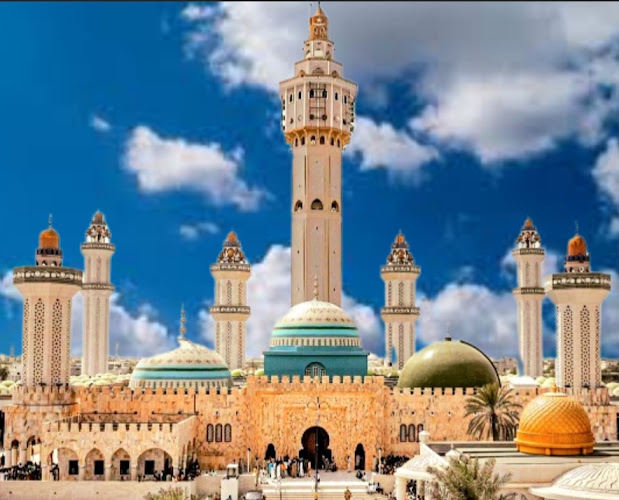
Perched at the spiritual heart of Touba, the Great Mosque of Touba is a monumental expression of Senegalese Sufi devotion and a must-see for travelers interested in faith, history, and architecture. Founded by Sheikh Ahmadou Bamba in 1887 and completed in the mid-20th century, the mosque is the focal point of the Mouride brotherhood and houses the founder’s tomb. Its skyline-dominating minaret (about 87 meters) and vast courtyard create an atmosphere of solemn grandeur, while the mix of local craftsmanship and Islamic architectural motifs gives the complex a distinctive Senegalese character. Visiting offers a window into living religious traditions: you can observe pilgrims, seasonal ceremonies, and daily prayers that animate the site. Respectful observation provides cultural insight into one of West Africa’s most influential religious communities, and photographers will find striking compositions in the mosque’s domes, arches, and the rhythm of worshippers moving through the space. Note that access around the tomb and during major religious events may be restricted to adherents or require guidance.

Highlights & Key Features

  • Historic burial site of Sheikh Ahmadou Bamba, founder of the Mouride brotherhood
  • Prominent 87-meter minaret visible across Touba
  • Expansive courtyard and large prayer halls accommodating thousands
  • Distinctive Senegalese interpretation of Islamic architecture with domes and arches
  • Center of major religious festivals and daily Mouride devotional life

Visitor Guide & Information

Description

The Great Mosque of Touba stands as one of West Africa’s most significant Islamic monuments, a towering testament to faith and architectural ambition that took 76 years to complete. When you first catch sight of its imposing minaret piercing the Senegalese sky at 87 meters, you’ll understand why this place draws millions of pilgrims and curious travelers alike. And honestly, there’s something deeply humbling about standing before a structure that required three-quarters of a century to finish—construction started way back in 1887 and wasn’t completed until 1963.

This isn’t just another mosque you’ll breeze through on your tourist circuit. The Great Mosque of Touba represents the spiritual heart of the Mouride Brotherhood, one of Senegal’s most influential Sufi orders, and serves as the final resting place of Cheikh Ahmadou Bamba, the brotherhood’s founder. I’ve spoken with travelers who visited expecting just another religious building and left with a completely transformed understanding of Senegalese culture and Islamic mysticism. The scale alone is breathtaking—you’re looking at one of the largest mosques on the entire African continent.

The architecture blends traditional Islamic design elements with local Senegalese influences, creating something that feels both familiar and distinctly unique. Five minarets punctuate the skyline, though the central minaret dominates your view from practically anywhere in the city. The mosque’s white and green exterior reflects the sun during the day, and when evening prayers begin, the atmosphere shifts into something almost otherworldly. You’ll notice that visitors approach this place with a reverence that’s palpable—this isn’t performance or show, it’s genuine devotion.

Key Features

  • The central minaret reaching 87 meters into the sky offers an unmistakable landmark visible throughout Touba and serves as the architectural centerpiece of the entire complex
  • Five minarets total grace the mosque’s exterior, creating a distinctive silhouette that photographers and architecture enthusiasts find endlessly fascinating
  • The tomb of Cheikh Ahmadou Bamba draws millions during the annual Magal pilgrimage, making this one of Africa’s largest religious gatherings with estimates ranging from 3 to 5 million attendees
  • Wheelchair accessible facilities throughout the grounds, including entrance ramps, designated parking areas, and restroom facilities designed for visitors with mobility challenges
  • Extensive prayer halls accommodate tens of thousands of worshippers simultaneously, with separate sections carefully organized to manage the massive crowds during peak times
  • Free parking facilities both in dedicated lots and along surrounding streets make arriving by vehicle remarkably convenient compared to many tourist destinations
  • On-site restroom facilities provide necessary amenities for visitors spending extended time exploring the grounds
  • Clothing recycling programs reflect the community’s commitment to sustainability and charitable giving, an aspect many visitors don’t anticipate
  • Intricate decorative elements including calligraphy, geometric patterns, and ornamental details showcase traditional Islamic artistic traditions adapted through a Senegalese cultural lens
  • The surrounding courtyard and plaza areas offer spaces for contemplation and rest between exploring the mosque’s various sections

Best Time to Visit

Timing your visit to the Great Mosque of Touba requires some strategic thinking because your experience will vary dramatically depending on when you arrive. The most popular time—which I’d actually suggest avoiding unless you specifically want the pilgrimage experience—is during the Grand Magal, which falls on the 18th day of the Islamic month of Safar. During this annual commemoration of Cheikh Ahmadou Bamba’s exile, Touba transforms into one of Africa’s most crowded cities practically overnight.

But here’s the thing about the Grand Magal: while it’s extraordinary to witness, you won’t get the contemplative, architectural appreciation experience many travelers seek. You’ll be shoulder-to-shoulder with millions of devoted pilgrims, and accessing the mosque itself becomes challenging. I’ve heard from people who attended and loved it, and others who found it overwhelming. Know yourself and what you’re hoping to experience.

For most travelers, visiting during the cooler months between November and February offers the most comfortable conditions. Senegal’s heat can be pretty intense, and exploring a massive religious complex under the scorching sun from March through October isn’t everyone’s idea of a good time. Early mornings provide the best light for photography and fewer crowds, giving you space to really absorb the architecture and atmosphere.

Friday prayers draw significant local crowds, which can be fascinating to observe from a respectful distance but might limit your ability to explore certain areas. And speaking from experience, arriving mid-week during non-prayer times gives you the most flexibility to move through the spaces at your own pace.

The Islamic calendar determines many of the mosque’s most significant events, so checking ahead for special observances helps you either participate or plan around them depending on your preferences. Ramadan brings its own unique energy, with evening prayers and the breaking of fast creating a community atmosphere that’s genuinely moving to witness, even if you’re not participating.

How to Get There

Getting to Touba from Dakar requires about three to four hours of travel time, depending on your mode of transport and traffic conditions. Most travelers start their journey from Senegal’s capital, and you’ve got several options that vary in comfort, cost, and convenience.

Shared taxis called sept-places (seven-seaters) depart regularly from Dakar and represent the most common local transport option. They’re affordable and leave once all seven seats fill up, which sometimes means waiting around but rarely more than 30 minutes during daytime hours. The experience gives you authentic local flavor, though comfort isn’t exactly premium—you’ll be cozy with your fellow passengers. Expect to pay around 3000-4000 CFA francs for this option.

Private taxi hire costs considerably more but gives you control over departure time and stops along the way. If you’re traveling with a group, splitting the cost makes this option much more reasonable, and having the flexibility to pause for photos or refreshments really improves the journey. Negotiate the price before departing, and expect to pay somewhere in the neighborhood of 40,000-60,000 CFA francs depending on your bargaining skills.

Car rental remains available in Dakar for those confident driving in Senegal. The route is straightforward along the N3 highway, though traffic patterns and driving customs differ from Western countries. Having your own vehicle lets you explore at your own pace and potentially visit other sites around Touba before returning.

Bus services operated by companies like Ndiaga Ndiaye offer another economical option with scheduled departures throughout the day. These tend to be slower than taxis since they make multiple stops, but they’re comfortable enough for the journey.

Once you arrive in Touba, the mosque dominates the city center and finding it poses no challenge whatsoever. Local motorcycle taxis called Jakarta can zip you right to the entrance if you’re arriving at the city’s edge, though walking through the surrounding neighborhoods provides cultural context you’ll miss otherwise.

Tips for Visiting

Dress code matters tremendously here, and this isn’t negotiable or a suggestion—it’s an essential requirement for entry. Women need to cover their heads, shoulders, arms, and legs completely. Bring your own scarf because while some may be available for loan, having your own ensures you’re prepared. Men should wear long pants and shirts that cover their shoulders. Shorts and tank tops will get you turned away at the entrance, and rightfully so considering this is an active place of worship, not merely a tourist attraction.

Non-Muslims face restrictions on entering certain areas, particularly the inner sanctum where Cheikh Ahmadou Bamba’s tomb is located. This disappoints some travelers, but respecting these boundaries is non-negotiable. You can still appreciate the architecture, experience the atmosphere, and explore significant portions of the complex. The restrictions exist for religious reasons that predate tourism, and honestly, maintaining that sacred space contributes to the site’s authenticity.

Timing your visit around prayer times requires some awareness. Five daily prayers temporarily limit access to certain areas, but witnessing these moments from designated observation points offers incredible cultural insight. The call to prayer echoing across the complex ranks among those travel moments you’ll remember years later.

Photography rules vary depending on where you’re standing and what you’re capturing. Generally, exterior architectural shots pose no problems, but always ask permission before photographing people. Many pilgrims welcome photos, others don’t, and assuming consent creates uncomfortable situations. The interior rules are stricter, so inquire with guards or guides before raising your camera.

Hiring a local guide enriches the experience substantially. They’ll explain architectural details, historical context, and religious significance you’d completely miss otherwise. Plus, navigating the complex and understanding which areas you can access becomes much simpler with someone knowledgeable leading the way. Guides typically gather near the entrance and charge negotiable fees usually around 5000-10,000 CFA francs.

Remove your shoes before entering prayer areas—this is fundamental mosque etiquette everywhere. The mosque provides shoe storage areas, though keeping an eye on your footwear makes sense during crowded times.

Bring cash because Touba operates primarily on paper money and coins, not credit cards. You’ll need it for guide fees, donations, refreshments, and transport. ATMs exist in the city, but they sometimes run out of money during peak pilgrimage periods.

Stay hydrated, especially during hotter months. The combination of heat, walking, and potentially modest clothing that covers most of your body requires drinking more water than you think. Vendors around the mosque sell bottled water and soft drinks.

Respectful behavior goes beyond clothing. Keep voices low inside the complex, refrain from displays of affection, and maintain an attitude of reverence even if you’re there primarily for architectural or cultural interest rather than religious reasons. The atmosphere demands it, and failing to respect that makes you that tourist everyone remembers for the wrong reasons.

Consider spending time in the surrounding area rather than rushing back immediately after visiting the mosque. Touba itself offers insight into Mouride culture, with markets, madrassas, and daily life that contextualize what makes the Great Mosque so central to this community. The city exists essentially to serve the mosque and its pilgrims, creating a unique urban environment where religious devotion shapes everything from commerce to urban planning.

Community & Insider Notes

Last modified March 30, 2026

Description

The Great Mosque of Touba stands as one of West Africa’s most significant Islamic monuments, a towering testament to faith and architectural ambition that took 76 years to complete. When you first catch sight of its imposing minaret piercing the Senegalese sky at 87 meters, you’ll understand why this place draws millions of pilgrims and curious travelers alike. And honestly, there’s something deeply humbling about standing before a structure that required three-quarters of a century to finish—construction started way back in 1887 and wasn’t completed until 1963.

This isn’t just another mosque you’ll breeze through on your tourist circuit. The Great Mosque of Touba represents the spiritual heart of the Mouride Brotherhood, one of Senegal’s most influential Sufi orders, and serves as the final resting place of Cheikh Ahmadou Bamba, the brotherhood’s founder. I’ve spoken with travelers who visited expecting just another religious building and left with a completely transformed understanding of Senegalese culture and Islamic mysticism. The scale alone is breathtaking—you’re looking at one of the largest mosques on the entire African continent.

The architecture blends traditional Islamic design elements with local Senegalese influences, creating something that feels both familiar and distinctly unique. Five minarets punctuate the skyline, though the central minaret dominates your view from practically anywhere in the city. The mosque’s white and green exterior reflects the sun during the day, and when evening prayers begin, the atmosphere shifts into something almost otherworldly. You’ll notice that visitors approach this place with a reverence that’s palpable—this isn’t performance or show, it’s genuine devotion.

Key Features

  • The central minaret reaching 87 meters into the sky offers an unmistakable landmark visible throughout Touba and serves as the architectural centerpiece of the entire complex
  • Five minarets total grace the mosque’s exterior, creating a distinctive silhouette that photographers and architecture enthusiasts find endlessly fascinating
  • The tomb of Cheikh Ahmadou Bamba draws millions during the annual Magal pilgrimage, making this one of Africa’s largest religious gatherings with estimates ranging from 3 to 5 million attendees
  • Wheelchair accessible facilities throughout the grounds, including entrance ramps, designated parking areas, and restroom facilities designed for visitors with mobility challenges
  • Extensive prayer halls accommodate tens of thousands of worshippers simultaneously, with separate sections carefully organized to manage the massive crowds during peak times
  • Free parking facilities both in dedicated lots and along surrounding streets make arriving by vehicle remarkably convenient compared to many tourist destinations
  • On-site restroom facilities provide necessary amenities for visitors spending extended time exploring the grounds
  • Clothing recycling programs reflect the community’s commitment to sustainability and charitable giving, an aspect many visitors don’t anticipate
  • Intricate decorative elements including calligraphy, geometric patterns, and ornamental details showcase traditional Islamic artistic traditions adapted through a Senegalese cultural lens
  • The surrounding courtyard and plaza areas offer spaces for contemplation and rest between exploring the mosque’s various sections

Best Time to Visit

Timing your visit to the Great Mosque of Touba requires some strategic thinking because your experience will vary dramatically depending on when you arrive. The most popular time—which I’d actually suggest avoiding unless you specifically want the pilgrimage experience—is during the Grand Magal, which falls on the 18th day of the Islamic month of Safar. During this annual commemoration of Cheikh Ahmadou Bamba’s exile, Touba transforms into one of Africa’s most crowded cities practically overnight.

But here’s the thing about the Grand Magal: while it’s extraordinary to witness, you won’t get the contemplative, architectural appreciation experience many travelers seek. You’ll be shoulder-to-shoulder with millions of devoted pilgrims, and accessing the mosque itself becomes challenging. I’ve heard from people who attended and loved it, and others who found it overwhelming. Know yourself and what you’re hoping to experience.

For most travelers, visiting during the cooler months between November and February offers the most comfortable conditions. Senegal’s heat can be pretty intense, and exploring a massive religious complex under the scorching sun from March through October isn’t everyone’s idea of a good time. Early mornings provide the best light for photography and fewer crowds, giving you space to really absorb the architecture and atmosphere.

Friday prayers draw significant local crowds, which can be fascinating to observe from a respectful distance but might limit your ability to explore certain areas. And speaking from experience, arriving mid-week during non-prayer times gives you the most flexibility to move through the spaces at your own pace.

The Islamic calendar determines many of the mosque’s most significant events, so checking ahead for special observances helps you either participate or plan around them depending on your preferences. Ramadan brings its own unique energy, with evening prayers and the breaking of fast creating a community atmosphere that’s genuinely moving to witness, even if you’re not participating.

How to Get There

Getting to Touba from Dakar requires about three to four hours of travel time, depending on your mode of transport and traffic conditions. Most travelers start their journey from Senegal’s capital, and you’ve got several options that vary in comfort, cost, and convenience.

Shared taxis called sept-places (seven-seaters) depart regularly from Dakar and represent the most common local transport option. They’re affordable and leave once all seven seats fill up, which sometimes means waiting around but rarely more than 30 minutes during daytime hours. The experience gives you authentic local flavor, though comfort isn’t exactly premium—you’ll be cozy with your fellow passengers. Expect to pay around 3000-4000 CFA francs for this option.

Private taxi hire costs considerably more but gives you control over departure time and stops along the way. If you’re traveling with a group, splitting the cost makes this option much more reasonable, and having the flexibility to pause for photos or refreshments really improves the journey. Negotiate the price before departing, and expect to pay somewhere in the neighborhood of 40,000-60,000 CFA francs depending on your bargaining skills.

Car rental remains available in Dakar for those confident driving in Senegal. The route is straightforward along the N3 highway, though traffic patterns and driving customs differ from Western countries. Having your own vehicle lets you explore at your own pace and potentially visit other sites around Touba before returning.

Bus services operated by companies like Ndiaga Ndiaye offer another economical option with scheduled departures throughout the day. These tend to be slower than taxis since they make multiple stops, but they’re comfortable enough for the journey.

Once you arrive in Touba, the mosque dominates the city center and finding it poses no challenge whatsoever. Local motorcycle taxis called Jakarta can zip you right to the entrance if you’re arriving at the city’s edge, though walking through the surrounding neighborhoods provides cultural context you’ll miss otherwise.

Tips for Visiting

Dress code matters tremendously here, and this isn’t negotiable or a suggestion—it’s an essential requirement for entry. Women need to cover their heads, shoulders, arms, and legs completely. Bring your own scarf because while some may be available for loan, having your own ensures you’re prepared. Men should wear long pants and shirts that cover their shoulders. Shorts and tank tops will get you turned away at the entrance, and rightfully so considering this is an active place of worship, not merely a tourist attraction.

Non-Muslims face restrictions on entering certain areas, particularly the inner sanctum where Cheikh Ahmadou Bamba’s tomb is located. This disappoints some travelers, but respecting these boundaries is non-negotiable. You can still appreciate the architecture, experience the atmosphere, and explore significant portions of the complex. The restrictions exist for religious reasons that predate tourism, and honestly, maintaining that sacred space contributes to the site’s authenticity.

Timing your visit around prayer times requires some awareness. Five daily prayers temporarily limit access to certain areas, but witnessing these moments from designated observation points offers incredible cultural insight. The call to prayer echoing across the complex ranks among those travel moments you’ll remember years later.

Photography rules vary depending on where you’re standing and what you’re capturing. Generally, exterior architectural shots pose no problems, but always ask permission before photographing people. Many pilgrims welcome photos, others don’t, and assuming consent creates uncomfortable situations. The interior rules are stricter, so inquire with guards or guides before raising your camera.

Hiring a local guide enriches the experience substantially. They’ll explain architectural details, historical context, and religious significance you’d completely miss otherwise. Plus, navigating the complex and understanding which areas you can access becomes much simpler with someone knowledgeable leading the way. Guides typically gather near the entrance and charge negotiable fees usually around 5000-10,000 CFA francs.

Remove your shoes before entering prayer areas—this is fundamental mosque etiquette everywhere. The mosque provides shoe storage areas, though keeping an eye on your footwear makes sense during crowded times.

Bring cash because Touba operates primarily on paper money and coins, not credit cards. You’ll need it for guide fees, donations, refreshments, and transport. ATMs exist in the city, but they sometimes run out of money during peak pilgrimage periods.

Stay hydrated, especially during hotter months. The combination of heat, walking, and potentially modest clothing that covers most of your body requires drinking more water than you think. Vendors around the mosque sell bottled water and soft drinks.

Respectful behavior goes beyond clothing. Keep voices low inside the complex, refrain from displays of affection, and maintain an attitude of reverence even if you’re there primarily for architectural or cultural interest rather than religious reasons. The atmosphere demands it, and failing to respect that makes you that tourist everyone remembers for the wrong reasons.

Consider spending time in the surrounding area rather than rushing back immediately after visiting the mosque. Touba itself offers insight into Mouride culture, with markets, madrassas, and daily life that contextualize what makes the Great Mosque so central to this community. The city exists essentially to serve the mosque and its pilgrims, creating a unique urban environment where religious devotion shapes everything from commerce to urban planning.

Key Highlights

  • Historic burial site of Sheikh Ahmadou Bamba, founder of the Mouride brotherhood
  • Prominent 87-meter minaret visible across Touba
  • Expansive courtyard and large prayer halls accommodating thousands
  • Distinctive Senegalese interpretation of Islamic architecture with domes and arches
  • Center of major religious festivals and daily Mouride devotional life

Location

Places to Stay Near Great Mosque of Touba مسجد

Find and Book a Tour

Explore More Travel Guides

No reviews found! Be the first to review!

Select a Rating5 Stars4 Stars3 Stars2 Stars1 Star

Great Mosque of Touba مسجد is a prominent attractions located in Touba.

Visit us at: R497+QX8, Touba, Senegal.

Nearby Attractions (Within 5 km)

Explore verified points of interest within walking or short transit distance.

No neighboring places mapped within 5 km yet.

Find Places to Stay Nearby

Stay22 provides this accommodation search. We may earn a commission if you book through it; verify current prices and terms with the provider.

Recommended Experiences & Activities

GetYourGuide provides this tour inventory. We may earn a commission if you book through it; verify current availability, prices, and terms with the provider.

Top Viator Experiences & Guided Tours in Touba

We may earn a commission if you book through links on this page at no extra cost to you. All tours feature verified customer reviews and flexible cancellation options.

Traveler Reviews & Community Q&A

No traveler reviews yet. Share your experience below!

No traveler questions yet. Be the first to ask a local!

Real Journey Travels Community

Reset your password · Create an account