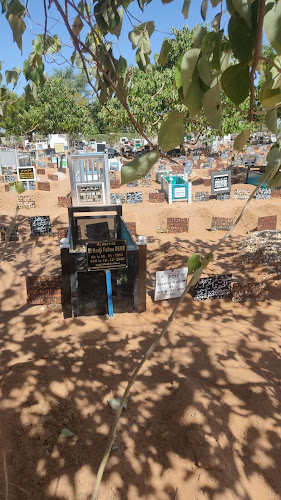
BAQIYYA stands as one of the most significant Islamic cemeteries in the world, drawing visitors from across the globe who seek to connect with Islamic history and pay respects to those laid to rest here.
Highlights & Key Features
Houses the graves of numerous companions of Prophet Muhammad, making it one of Islam's most venerated burial grounds
Contains the burial sites of several members of the Prophet's family, including some of his wives and children
Features wheelchair-accessible entrance points, ensuring visitors with mobility challenges can access this important site
Provides dedicated wheelchair-accessible parking areas for convenient arrival and departure
Maintains traditional Islamic burial practices with simple grave markers that reflect religious principles of equality and humility
Serves as an active cemetery that continues to be used today, connecting past and present Islamic traditions
Offers a contemplative atmosphere that encourages reflection and spiritual connection
Located in close proximity to other significant Islamic landmarks, allowing visitors to plan comprehensive religious tourism itineraries
Visitor Guide & Information
Description
Walking through BAQIYYA feels different from visiting typical tourist sites – there’s a palpable sense of reverence that hangs in the air. I’ve spoken with travelers who described their visits as deeply moving spiritual experiences, even those who initially came purely out of historical curiosity. The grounds are maintained with care, and you’ll notice that despite being centuries old, there’s an atmosphere of continued importance and active use.
The cemetery’s appearance might surprise first-time visitors who expect elaborate monuments or grand architectural features. Instead, BAQIYYA maintains a relatively simple aesthetic, which actually aligns with Islamic principles regarding burial practices. The graves themselves are marked modestly, reflecting the faith’s emphasis on humility even in death. This simplicity shouldn’t be mistaken for lack of significance though – quite the opposite, actually.
What makes BAQIYYA particularly noteworthy for travelers is its accessibility features. The site has made genuine efforts to ensure that visitors of all physical abilities can pay their respects and experience this historic location. Both wheelchair-accessible entrances and parking facilities demonstrate a commitment to inclusive visitation that you don’t always find at historic religious sites.
Key Features
Houses the graves of numerous companions of Prophet Muhammad, making it one of Islam’s most venerated burial grounds
Contains the burial sites of several members of the Prophet’s family, including some of his wives and children
Features wheelchair-accessible entrance points, ensuring visitors with mobility challenges can access this important site
Provides dedicated wheelchair-accessible parking areas for convenient arrival and departure
Maintains traditional Islamic burial practices with simple grave markers that reflect religious principles of equality and humility
Serves as an active cemetery that continues to be used today, connecting past and present Islamic traditions
Offers a contemplative atmosphere that encourages reflection and spiritual connection
Located in close proximity to other significant Islamic landmarks, allowing visitors to plan comprehensive religious tourism itineraries
Represents centuries of Islamic history in a single location, with graves dating back to the earliest days of the faith
Welcomes visitors from diverse backgrounds who come to learn about Islamic history and culture
Best Time to Visit
Timing your visit to BAQIYYA requires some thoughtful consideration, and honestly, it’s not just about weather – though that certainly plays a role. The region experiences extreme heat during summer months, with temperatures that can easily soar above 40°C (104°F). Trust me when I say that walking around a cemetery in that kind of heat isn’t just uncomfortable; it can be genuinely dangerous if you’re not prepared.
The ideal window for visiting falls between November and February when temperatures are considerably more moderate. During these cooler months, you’ll find daytime temperatures ranging from pleasant to warm rather than scorching. Early mornings and late afternoons offer particularly comfortable conditions for walking and contemplation.
But here’s where it gets a bit more nuanced – you’ll also want to consider the Islamic calendar and prayer times. BAQIYYA sees increased visitor numbers during religious holidays and significant dates in the Islamic calendar, particularly during Ramadan and the Hajj season. Some travelers prefer visiting during these periods to experience the heightened spiritual atmosphere, while others opt for quieter times when they can spend more contemplative moments without large crowds.
Friday mornings tend to be busier as locals visit after Friday prayers, which is a common practice. If you’re seeking a more solitary experience, weekday afternoons (outside of prayer times) generally see fewer visitors. However, if you want to observe and participate in the living traditions associated with the cemetery, those busier times offer valuable cultural insights.
Weather-wise, spring months (March to April) can also work well, though temperatures start climbing as you move deeper into spring. Autumn (October to early November) presents another reasonable option before the peak cool season arrives. Whatever you do, avoid planning your visit during the height of summer unless you absolutely have no other choice – and even then, limit your time there to very early morning hours.
How to Get There
Getting to BAQIYYA is relatively straightforward, particularly if you’re already visiting the area for religious or cultural tourism. The cemetery sits within walking distance of other major Islamic sites, which means many visitors incorporate it into a broader tour of significant locations.
For those staying in nearby accommodations, walking is often the most practical option. The pedestrian-friendly surroundings make it easy to approach on foot, and you’ll have the advantage of taking in the local atmosphere along the way. The available wheelchair-accessible parking means that visitors driving themselves or arriving via private car services have convenient options for parking close to the entrance points.
Taxis and ride-sharing services are readily available throughout the area and can drop you right at the entrance. If you’re using these services, it helps to have the cemetery’s name written in Arabic on your phone to show drivers, even though most are familiar with the location. The fare from central accommodation areas is generally quite reasonable.
Public transportation options exist, though they require a bit more navigation. Local buses serve the surrounding area, and you’ll need to ask about the specific routes and stops nearest to the cemetery. Many travelers find it easier to rely on taxis or organized tours rather than figuring out the public bus system, especially if they’re only visiting for a short period.
Organized tours frequently include BAQIYYA as part of religious heritage itineraries. These can be particularly helpful for first-time visitors who want historical context and guidance about appropriate etiquette. Tour operators typically handle all transportation logistics, picking visitors up from hotels and managing the entire route.
If you’re driving yourself, GPS navigation works well for locating the parking areas. Just remember that during busy periods, particularly around prayer times and religious holidays, parking can fill up quickly. Arriving earlier in the day often means better parking availability.
Tips for Visiting
Visiting BAQIYYA requires cultural sensitivity and awareness that goes beyond typical tourist site etiquette. First and foremost, dress modestly – this isn’t negotiable. Women should wear loose-fitting clothing that covers arms and legs, along with a headscarf. Men should also dress conservatively in long pants and shirts with sleeves. You’ll feel more comfortable and show proper respect by adhering to these standards.
Photography policies can be strict, and honestly, they vary. Before snapping any pictures, check current regulations or ask permission from cemetery staff. Many visitors find that simply being present and observing is more meaningful than documenting everything with photos anyway. Sometimes you just need to put the camera down and experience a place, you know?
Bring water with you, but be mindful about when and where you drink. Staying hydrated is important, especially if you’re visiting during warmer months, but consuming food or drinks should be done discreetly and away from grave sites. There’s a time and place for everything, and standing at historic graves while munching snacks isn’t it.
Plan for a quiet, contemplative visit. BAQIYYA isn’t a place for loud conversations or boisterous behavior. Keep your voice low, speak respectfully, and maintain an awareness of others who may be there for prayer or personal reflection. Your phone should be silenced – not just on vibrate, but completely silent.
If you’re not Muslim, you’re still welcome to visit, but do so with particular sensitivity to the sacred nature of the site. This is someone’s holy ground, and approaching it with genuine respect rather than casual tourism makes all the difference. I’ve found that visitors who take time to learn about Islamic burial traditions and the significance of those buried here get much more from their experience.
Practical considerations matter too. Wear comfortable walking shoes suitable for uneven ground. The cemetery grounds, while maintained, aren’t paved throughout, and you’ll be on your feet for a while if you want to see much of the area. Sunscreen and a hat are essential during most times of year – the sun here doesn’t mess around.
Consider hiring a knowledgeable guide who can provide historical context about specific graves and explain the religious significance of various areas within the cemetery. You’ll gain insights you’d completely miss otherwise. Local guides bring these grounds to life with stories and historical details that transform your understanding of what you’re seeing.
Respect any barriers or restricted areas. Not all sections may be open to general visitors, particularly areas where recent burials have taken place or where maintenance is ongoing. If you encounter signs or physical barriers, honor them without trying to peek around or get closer.
Finally, manage your time expectations. Some visitors spend thirty minutes here, others stay for several hours. There’s no right or wrong duration – it depends on your interest level and spiritual inclinations. What matters is that you approach your visit with the appropriate mindset and leave with a deeper appreciation for this remarkable piece of Islamic history.
BAQIYYA stands as one of the most significant Islamic cemeteries in the world, drawing visitors from across the globe who seek to connect with Islamic history and pay respects to those laid to rest here. This sacred burial ground holds profound religious and historical importance, serving as the final resting place for many companions of the Prophet Muhammad and members of his family. The cemetery’s name itself translates to “the survivor” or “the eternal,” which speaks volumes about its enduring significance in Islamic tradition.
Walking through BAQIYYA feels different from visiting typical tourist sites – there’s a palpable sense of reverence that hangs in the air. I’ve spoken with travelers who described their visits as deeply moving spiritual experiences, even those who initially came purely out of historical curiosity. The grounds are maintained with care, and you’ll notice that despite being centuries old, there’s an atmosphere of continued importance and active use.
The cemetery’s appearance might surprise first-time visitors who expect elaborate monuments or grand architectural features. Instead, BAQIYYA maintains a relatively simple aesthetic, which actually aligns with Islamic principles regarding burial practices. The graves themselves are marked modestly, reflecting the faith’s emphasis on humility even in death. This simplicity shouldn’t be mistaken for lack of significance though – quite the opposite, actually.
What makes BAQIYYA particularly noteworthy for travelers is its accessibility features. The site has made genuine efforts to ensure that visitors of all physical abilities can pay their respects and experience this historic location. Both wheelchair-accessible entrances and parking facilities demonstrate a commitment to inclusive visitation that you don’t always find at historic religious sites.
Key Features
Houses the graves of numerous companions of Prophet Muhammad, making it one of Islam’s most venerated burial grounds
Contains the burial sites of several members of the Prophet’s family, including some of his wives and children
Features wheelchair-accessible entrance points, ensuring visitors with mobility challenges can access this important site
Provides dedicated wheelchair-accessible parking areas for convenient arrival and departure
Maintains traditional Islamic burial practices with simple grave markers that reflect religious principles of equality and humility
Serves as an active cemetery that continues to be used today, connecting past and present Islamic traditions
Offers a contemplative atmosphere that encourages reflection and spiritual connection
Located in close proximity to other significant Islamic landmarks, allowing visitors to plan comprehensive religious tourism itineraries
Represents centuries of Islamic history in a single location, with graves dating back to the earliest days of the faith
Welcomes visitors from diverse backgrounds who come to learn about Islamic history and culture
Best Time to Visit
Timing your visit to BAQIYYA requires some thoughtful consideration, and honestly, it’s not just about weather – though that certainly plays a role. The region experiences extreme heat during summer months, with temperatures that can easily soar above 40°C (104°F). Trust me when I say that walking around a cemetery in that kind of heat isn’t just uncomfortable; it can be genuinely dangerous if you’re not prepared.
The ideal window for visiting falls between November and February when temperatures are considerably more moderate. During these cooler months, you’ll find daytime temperatures ranging from pleasant to warm rather than scorching. Early mornings and late afternoons offer particularly comfortable conditions for walking and contemplation.
But here’s where it gets a bit more nuanced – you’ll also want to consider the Islamic calendar and prayer times. BAQIYYA sees increased visitor numbers during religious holidays and significant dates in the Islamic calendar, particularly during Ramadan and the Hajj season. Some travelers prefer visiting during these periods to experience the heightened spiritual atmosphere, while others opt for quieter times when they can spend more contemplative moments without large crowds.
Friday mornings tend to be busier as locals visit after Friday prayers, which is a common practice. If you’re seeking a more solitary experience, weekday afternoons (outside of prayer times) generally see fewer visitors. However, if you want to observe and participate in the living traditions associated with the cemetery, those busier times offer valuable cultural insights.
Weather-wise, spring months (March to April) can also work well, though temperatures start climbing as you move deeper into spring. Autumn (October to early November) presents another reasonable option before the peak cool season arrives. Whatever you do, avoid planning your visit during the height of summer unless you absolutely have no other choice – and even then, limit your time there to very early morning hours.
How to Get There
Getting to BAQIYYA is relatively straightforward, particularly if you’re already visiting the area for religious or cultural tourism. The cemetery sits within walking distance of other major Islamic sites, which means many visitors incorporate it into a broader tour of significant locations.
For those staying in nearby accommodations, walking is often the most practical option. The pedestrian-friendly surroundings make it easy to approach on foot, and you’ll have the advantage of taking in the local atmosphere along the way. The available wheelchair-accessible parking means that visitors driving themselves or arriving via private car services have convenient options for parking close to the entrance points.
Taxis and ride-sharing services are readily available throughout the area and can drop you right at the entrance. If you’re using these services, it helps to have the cemetery’s name written in Arabic on your phone to show drivers, even though most are familiar with the location. The fare from central accommodation areas is generally quite reasonable.
Public transportation options exist, though they require a bit more navigation. Local buses serve the surrounding area, and you’ll need to ask about the specific routes and stops nearest to the cemetery. Many travelers find it easier to rely on taxis or organized tours rather than figuring out the public bus system, especially if they’re only visiting for a short period.
Organized tours frequently include BAQIYYA as part of religious heritage itineraries. These can be particularly helpful for first-time visitors who want historical context and guidance about appropriate etiquette. Tour operators typically handle all transportation logistics, picking visitors up from hotels and managing the entire route.
If you’re driving yourself, GPS navigation works well for locating the parking areas. Just remember that during busy periods, particularly around prayer times and religious holidays, parking can fill up quickly. Arriving earlier in the day often means better parking availability.
Tips for Visiting
Visiting BAQIYYA requires cultural sensitivity and awareness that goes beyond typical tourist site etiquette. First and foremost, dress modestly – this isn’t negotiable. Women should wear loose-fitting clothing that covers arms and legs, along with a headscarf. Men should also dress conservatively in long pants and shirts with sleeves. You’ll feel more comfortable and show proper respect by adhering to these standards.
Photography policies can be strict, and honestly, they vary. Before snapping any pictures, check current regulations or ask permission from cemetery staff. Many visitors find that simply being present and observing is more meaningful than documenting everything with photos anyway. Sometimes you just need to put the camera down and experience a place, you know?
Bring water with you, but be mindful about when and where you drink. Staying hydrated is important, especially if you’re visiting during warmer months, but consuming food or drinks should be done discreetly and away from grave sites. There’s a time and place for everything, and standing at historic graves while munching snacks isn’t it.
Plan for a quiet, contemplative visit. BAQIYYA isn’t a place for loud conversations or boisterous behavior. Keep your voice low, speak respectfully, and maintain an awareness of others who may be there for prayer or personal reflection. Your phone should be silenced – not just on vibrate, but completely silent.
If you’re not Muslim, you’re still welcome to visit, but do so with particular sensitivity to the sacred nature of the site. This is someone’s holy ground, and approaching it with genuine respect rather than casual tourism makes all the difference. I’ve found that visitors who take time to learn about Islamic burial traditions and the significance of those buried here get much more from their experience.
Practical considerations matter too. Wear comfortable walking shoes suitable for uneven ground. The cemetery grounds, while maintained, aren’t paved throughout, and you’ll be on your feet for a while if you want to see much of the area. Sunscreen and a hat are essential during most times of year – the sun here doesn’t mess around.
Consider hiring a knowledgeable guide who can provide historical context about specific graves and explain the religious significance of various areas within the cemetery. You’ll gain insights you’d completely miss otherwise. Local guides bring these grounds to life with stories and historical details that transform your understanding of what you’re seeing.
Respect any barriers or restricted areas. Not all sections may be open to general visitors, particularly areas where recent burials have taken place or where maintenance is ongoing. If you encounter signs or physical barriers, honor them without trying to peek around or get closer.
Finally, manage your time expectations. Some visitors spend thirty minutes here, others stay for several hours. There’s no right or wrong duration – it depends on your interest level and spiritual inclinations. What matters is that you approach your visit with the appropriate mindset and leave with a deeper appreciation for this remarkable piece of Islamic history.
Key Highlights
Houses the graves of numerous companions of Prophet Muhammad, making it one of Islam's most venerated burial grounds
Contains the burial sites of several members of the Prophet's family, including some of his wives and children
Features wheelchair-accessible entrance points, ensuring visitors with mobility challenges can access this important site
Provides dedicated wheelchair-accessible parking areas for convenient arrival and departure
Maintains traditional Islamic burial practices with simple grave markers that reflect religious principles of equality and humility
Serves as an active cemetery that continues to be used today, connecting past and present Islamic traditions
Offers a contemplative atmosphere that encourages reflection and spiritual connection
Located in close proximity to other significant Islamic landmarks, allowing visitors to plan comprehensive religious tourism itineraries
Explore verified points of interest within walking or short transit distance.
No neighboring places mapped within 5 km yet.
Find Places to Stay Nearby
Stay22 provides this accommodation search. We may earn a commission if you book through it; verify current prices and terms with the provider.
🗺️
Interactive accommodation map requires marketing cookies to display live rates.
Recommended Experiences & Activities
GetYourGuide provides this tour inventory. We may earn a commission if you book through it; verify current availability, prices, and terms with the provider.
Top Viator Experiences & Guided Tours in Touba
We may earn a commission if you book through links on this page at no extra cost to you. All tours feature verified customer reviews and flexible cancellation options.