
Morioka Takuboku & Kenji Museum
About Morioka Takuboku & Kenji Museum
Description
The Morioka Takuboku & Kenji Museum sits in a handsome old bank building constructed in 1910 and repurposed to honor two of Morioka's most cherished literary sons. The museum is a smallish, thoughtfully arranged space that feels like an invitation to slow down: wood floors, tall windows that catch the light in a way older buildings do, and display cases that treat paper — poems, letters, notebooks — with the reverence they deserve. It is not a flashy, modern glass box; it is an intimate, steady place where a city remembers the writers who grew up on its streets and whose words still ripple out beyond Iwate prefecture.
Visitors, especially those who care about literature, Japanese cultural history, or quirky architectural conversions, will find the building itself as striking as the exhibits. The façade and interior retain traces of a bank’s original dignity — solid lines, decorative details around doorways and windows — which makes the encounter with poetry unexpected in the nicest way. That tension, between the solidity of a former financial institution and the fragile, wandering nature of poetry, is part of the museum’s quiet charm.
Inside, the permanent displays focus on two figures: Ishikawa Takuboku, the short, emotionally raw poet whose tanka and free verse cut close to modern sensibilities; and Miyazawa Kenji, a beloved name in Japanese children’s literature and poetry, known for his imaginative, often nature-infused tales. The museum frames both lives not as distant museum-label biographies but as local stories: boys who walked Morioka streets, went to nearby schools, left letters and drafts that still look remarkably immediate. The exhibits mix originals, reproductions, photographs, and contextual panels that help visitors—whether they are already fans of Takuboku and Kenji or meeting them for the first time—understand why these writers matter to the city’s identity.
One of the museum's strengths is its pace. It deliberately resists information overload. Instead of trying to be encyclopedic, it offers key manuscripts, a few personal artifacts, and well-curated commentary. There are moments where a single poem is given space to breathe on a wall, accompanied by a tidy translation and notes on the historical context. That approach tends to reward slow readers and people who like to stand and actually read. The author once lingered so long reading a single Takuboku tanka that a museum attendant smilingly placed a small stool nearby; it was a tiny, human exchange that felt emblematic of the whole place — calm, personal, considerate.
Practical details are handled with similar care. Restrooms are available and one of them is wheelchair accessible, which matters more than the brochures sometimes admit. For travelers with mobility concerns, that accessibility, in a vintage building, is a pleasant surprise. On the flip side, there is no on-site restaurant, so plan lunches or coffee stops elsewhere in Morioka. But that lack of a café keeps the museum’s rhythm unhurried; visitors tend to move from exhibit to exhibit instead of lingering over lattes, and that keeps the atmosphere gently focused.
People who approach the museum with a love of architecture will notice the ways early 20th-century banking design meets local sensibilities. The building’s bones—heavy doors, tall ceilings, and the sense of a bygone civic purpose—mean the museum often feels like part literary shrine, part civic memory. It is worth pausing in the entrance hall for a moment, looking up, and thinking about the hands that built the place, the machines and ledgers that once hummed inside, and how paper and poetry have replaced coin and account. Yes, that sounds a bit poetic, but then the place invites that sort of thought.
For travelers wondering how much time to allot, two things are useful to know. First, the museum is compact enough that a focused visit can be wrapped up in 45 minutes. But second, the kind of visitor who appreciates text and context will happily spend 90 minutes or more, reading display panels, comparing translations, and walking between rooms. The museum does a good job of serving both types of visitors. Families with children sometimes breeze through the main exhibits, then gather in a small activity corner where younger readers can find adapted materials that nod to Miyazawa Kenji’s storytelling magic. Schools and local community groups also use the space periodically, so at certain times the mood can be lively and social rather than contemplative.
Another nice, slightly unexpected feature is how the museum ties local history to national literary currents. Rather than isolating Takuboku and Kenji as simply local celebrities, the curators sketch how their work resonated with broader movements in Japanese poetry and children’s literature, how translation and publication routes changed across the early 20th century, and how Morioka’s social life fed into creative work. That kind of context makes the place more than a hometown shrine: it becomes an educational node for understanding Japan’s literary development in the modern era. It’s the kind of detail that helps history feel alive, and not merely dated.
There are, of course, small compromises. The building’s vintage nature means a few corners feel tight, and at peak times—weekends, school holiday periods—it can get a little crowded in the narrower galleries. Also the signage is primarily in Japanese, with some English translations. Travelers who do not read Japanese will still follow the main storylines, but they might miss some nuance. The museum compensates by offering attractive visual displays and thoughtful object choices that communicate across language barriers. Still, if a visitor really wants to dig into the poetry, a quick primer on Takuboku Ishikawa and Kenji Miyazawa beforehand enriches the visit enormously.
Seasonal atmosphere is part of the museum’s appeal. In spring, the light through the tall windows takes on a certain softness that makes old paper look particularly gentle; in late autumn, the weight of gray skies outside makes inside reading feel cocooned and intense. The museum’s proximity to other Morioka sites—castle site park, local streets that still show old-town traces—means it’s easy to fold the museum into a day of leisurely exploration. The author remembers visiting on a cold November morning, then walking out into crisp air and ending the day at a nearby soba shop; the poems read felt somehow warmed by the noodles that followed. Yes, that is personal, maybe a bit silly, but it’s the kind of small travel memory that lingers.
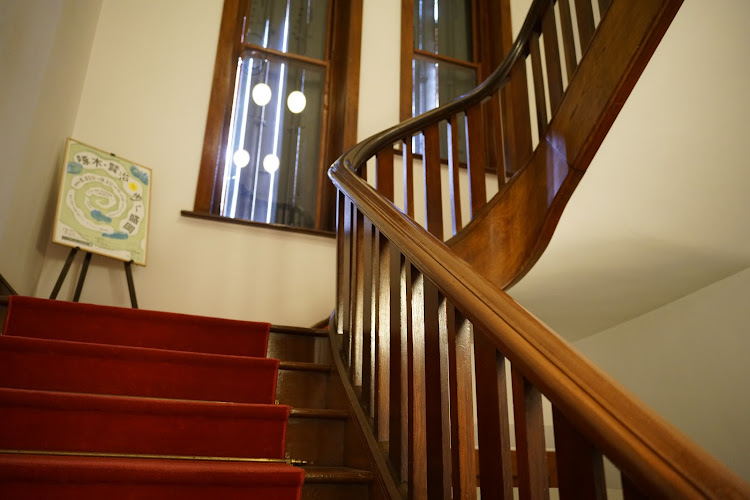
For planners and photographers, note that the museum typically restricts photography in display areas to protect delicate documents. That said, the building’s common spaces and exterior are photogenic, and taking quiet photos of the bank-turned-museum’s staircase or light-filled rooms is fine in many cases. If a visitor hopes to photograph specific items, it is best to ask staff; sometimes exceptions are made for personal, non-commercial use.
Finally, the museum has a sense of modest pride. It does not shout its importance; it offers instead a steady series of objects and explanations that accumulate into understanding. Visitors who come expecting blockbuster displays may be mildly disappointed, but those open to discovery — people who enjoy poetry, regional culture, or the odd pleasure of a turned-over bank ledger repurposed into a place of memory — will find it rewarding. The museum reframes two great writers as living parts of a city rather than museum-case celebrities, and for many travelers that approach makes the experience unexpectedly intimate and satisfying.
All told, the Morioka Takuboku & Kenji Museum is the kind of stop that upgrades a visit to Morioka from sightseeing to meaningful cultural contact. It is modest in scale, rich in personality, and practical enough for most travelers: restrooms are available, wheelchair-accessible facilities exist, and the curated focus makes it manageable within a broader travel itinerary. The museum signals that Morioka remembers its writers, and remembers them in a way that invites conversation, reading, and—if the visitor is lucky—quiet reflection that lasts well beyond the museum walls.
Key Features
More Details
Updated August 29, 2025
Table of Contents
Description
The Morioka Takuboku & Kenji Museum sits in a handsome old bank building constructed in 1910 and repurposed to honor two of Morioka’s most cherished literary sons. The museum is a smallish, thoughtfully arranged space that feels like an invitation to slow down: wood floors, tall windows that catch the light in a way older buildings do, and display cases that treat paper — poems, letters, notebooks — with the reverence they deserve. It is not a flashy, modern glass box; it is an intimate, steady place where a city remembers the writers who grew up on its streets and whose words still ripple out beyond Iwate prefecture.
Visitors, especially those who care about literature, Japanese cultural history, or quirky architectural conversions, will find the building itself as striking as the exhibits. The façade and interior retain traces of a bank’s original dignity — solid lines, decorative details around doorways and windows — which makes the encounter with poetry unexpected in the nicest way. That tension, between the solidity of a former financial institution and the fragile, wandering nature of poetry, is part of the museum’s quiet charm.
Inside, the permanent displays focus on two figures: Ishikawa Takuboku, the short, emotionally raw poet whose tanka and free verse cut close to modern sensibilities; and Miyazawa Kenji, a beloved name in Japanese children’s literature and poetry, known for his imaginative, often nature-infused tales. The museum frames both lives not as distant museum-label biographies but as local stories: boys who walked Morioka streets, went to nearby schools, left letters and drafts that still look remarkably immediate. The exhibits mix originals, reproductions, photographs, and contextual panels that help visitors—whether they are already fans of Takuboku and Kenji or meeting them for the first time—understand why these writers matter to the city’s identity.
One of the museum’s strengths is its pace. It deliberately resists information overload. Instead of trying to be encyclopedic, it offers key manuscripts, a few personal artifacts, and well-curated commentary. There are moments where a single poem is given space to breathe on a wall, accompanied by a tidy translation and notes on the historical context. That approach tends to reward slow readers and people who like to stand and actually read. The author once lingered so long reading a single Takuboku tanka that a museum attendant smilingly placed a small stool nearby; it was a tiny, human exchange that felt emblematic of the whole place — calm, personal, considerate.
Practical details are handled with similar care. Restrooms are available and one of them is wheelchair accessible, which matters more than the brochures sometimes admit. For travelers with mobility concerns, that accessibility, in a vintage building, is a pleasant surprise. On the flip side, there is no on-site restaurant, so plan lunches or coffee stops elsewhere in Morioka. But that lack of a café keeps the museum’s rhythm unhurried; visitors tend to move from exhibit to exhibit instead of lingering over lattes, and that keeps the atmosphere gently focused.
People who approach the museum with a love of architecture will notice the ways early 20th-century banking design meets local sensibilities. The building’s bones—heavy doors, tall ceilings, and the sense of a bygone civic purpose—mean the museum often feels like part literary shrine, part civic memory. It is worth pausing in the entrance hall for a moment, looking up, and thinking about the hands that built the place, the machines and ledgers that once hummed inside, and how paper and poetry have replaced coin and account. Yes, that sounds a bit poetic, but then the place invites that sort of thought.
For travelers wondering how much time to allot, two things are useful to know. First, the museum is compact enough that a focused visit can be wrapped up in 45 minutes. But second, the kind of visitor who appreciates text and context will happily spend 90 minutes or more, reading display panels, comparing translations, and walking between rooms. The museum does a good job of serving both types of visitors. Families with children sometimes breeze through the main exhibits, then gather in a small activity corner where younger readers can find adapted materials that nod to Miyazawa Kenji’s storytelling magic. Schools and local community groups also use the space periodically, so at certain times the mood can be lively and social rather than contemplative.
Another nice, slightly unexpected feature is how the museum ties local history to national literary currents. Rather than isolating Takuboku and Kenji as simply local celebrities, the curators sketch how their work resonated with broader movements in Japanese poetry and children’s literature, how translation and publication routes changed across the early 20th century, and how Morioka’s social life fed into creative work. That kind of context makes the place more than a hometown shrine: it becomes an educational node for understanding Japan’s literary development in the modern era. It’s the kind of detail that helps history feel alive, and not merely dated.
There are, of course, small compromises. The building’s vintage nature means a few corners feel tight, and at peak times—weekends, school holiday periods—it can get a little crowded in the narrower galleries. Also the signage is primarily in Japanese, with some English translations. Travelers who do not read Japanese will still follow the main storylines, but they might miss some nuance. The museum compensates by offering attractive visual displays and thoughtful object choices that communicate across language barriers. Still, if a visitor really wants to dig into the poetry, a quick primer on Takuboku Ishikawa and Kenji Miyazawa beforehand enriches the visit enormously.
Seasonal atmosphere is part of the museum’s appeal. In spring, the light through the tall windows takes on a certain softness that makes old paper look particularly gentle; in late autumn, the weight of gray skies outside makes inside reading feel cocooned and intense. The museum’s proximity to other Morioka sites—castle site park, local streets that still show old-town traces—means it’s easy to fold the museum into a day of leisurely exploration. The author remembers visiting on a cold November morning, then walking out into crisp air and ending the day at a nearby soba shop; the poems read felt somehow warmed by the noodles that followed. Yes, that is personal, maybe a bit silly, but it’s the kind of small travel memory that lingers.
For planners and photographers, note that the museum typically restricts photography in display areas to protect delicate documents. That said, the building’s common spaces and exterior are photogenic, and taking quiet photos of the bank-turned-museum’s staircase or light-filled rooms is fine in many cases. If a visitor hopes to photograph specific items, it is best to ask staff; sometimes exceptions are made for personal, non-commercial use.
Finally, the museum has a sense of modest pride. It does not shout its importance; it offers instead a steady series of objects and explanations that accumulate into understanding. Visitors who come expecting blockbuster displays may be mildly disappointed, but those open to discovery — people who enjoy poetry, regional culture, or the odd pleasure of a turned-over bank ledger repurposed into a place of memory — will find it rewarding. The museum reframes two great writers as living parts of a city rather than museum-case celebrities, and for many travelers that approach makes the experience unexpectedly intimate and satisfying.
All told, the Morioka Takuboku & Kenji Museum is the kind of stop that upgrades a visit to Morioka from sightseeing to meaningful cultural contact. It is modest in scale, rich in personality, and practical enough for most travelers: restrooms are available, wheelchair-accessible facilities exist, and the curated focus makes it manageable within a broader travel itinerary. The museum signals that Morioka remembers its writers, and remembers them in a way that invites conversation, reading, and—if the visitor is lucky—quiet reflection that lasts well beyond the museum walls.
Key Highlights
Morioka Takuboku & Kenji Museum
Location
Places to Stay Near Morioka Takuboku & Kenji Museum
Find and Book a Tour
Explore More Travel Guides
No reviews found! Be the first to review!
Traveler Reviews for Morioka Takuboku & Kenji Museum
There are no reviews yet. Be the first one to write one.
Have you visited Morioka Takuboku & Kenji Museum? Help other travelers by sharing your review.
You Might Also Like

Plaza Odette
Morioka Zoological Park ZOOMO
Hara-Kei Memorial Museum
Find Accommodations Nearby
Recommended Tours & Activities
Visitor Reviews
There are no reviews yet. Be the first one to write one.
Share Your Experience
Have you visited Morioka Takuboku & Kenji Museum? Help other travelers by leaving a review.