About Monagas

Description

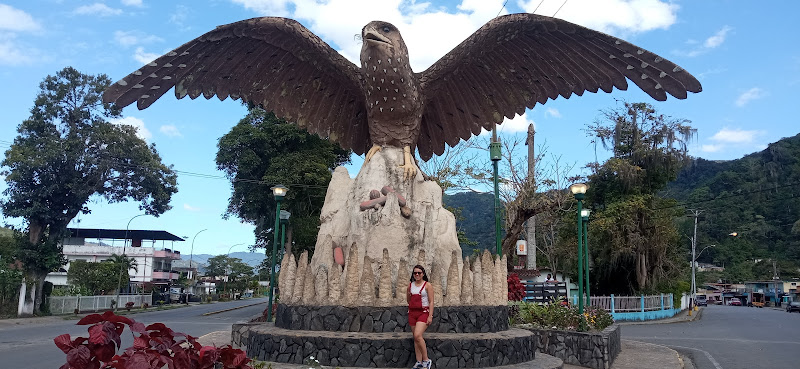
Monagas State sprawls across Venezuela's northeastern region, claiming 28,900 square kilometers of territory that most travelers honestly overlook when planning their South American adventures. And that's kind of a shame, really. With just over 900,000 residents according to recent census data, this state offers an experience that feels refreshingly untouched by mass tourism while still providing genuine cultural depth and natural beauty. The landscape here shifts dramatically depending on where you find yourself. You've got lowland plains that stretch toward the horizon, dense tropical forests that make you feel like you've stepped into another world entirely, and the mighty Orinoco River delta system weaving through portions of the territory. I remember talking to a local guide who described Monagas as Venezuela's "best-kept secret," and after spending time exploring the region, I couldn't help but agree with him. Maturín serves as the state capital, a city that pulses with oil industry activity but maintains a surprisingly authentic Venezuelan character. The petroleum sector dominates the economy here, which means you'll notice a different energy compared to more tourist-focused destinations. But that's actually part of the appeal for travelers who want to see how real Venezuelans live and work beyond the postcard images. The cultural heritage runs deep in Monagas. Indigenous communities have called this land home for thousands of years, and their influence remains visible in local traditions, food, and festivals. The Chaima, Kariña, and Warao peoples have shaped the region's identity in ways that continue to this day. You'll find that the locals take genuine pride in their roots, and they're usually more than willing to share stories about their heritage if you show genuine interest.

Key Features

The attractions and characteristics that define Monagas State include several elements that make this destination worth considering: • The Guarapiche River system provides opportunities for fishing, boat tours, and observing diverse wildlife in their natural habitats • Cueva del Guácharo National Park protects one of Venezuela's most impressive cave systems, home to thousands of oilbirds that have adapted to complete darkness • Agricultural traditions centered around cacao, coffee, and tropical fruit production that visitors can sometimes observe during harvest seasons • The annual Feria de Maturín brings together agricultural exhibitions, cultural performances, and traditional Venezuelan celebrations each October • Petroleum industry infrastructure creates a unique industrial landscape that contrasts with natural surroundings in unexpected ways • Traditional joropo music and dance performances reflect the region's connection to Venezuelan llano culture • Local gastronomy featuring cachapa, hallacas, and fresh river fish prepared according to generations-old recipes • Access to portions of the Orinoco Delta ecosystem with its labyrinth of waterways and exceptional biodiversity • Historical churches and colonial-era architecture scattered throughout smaller towns and villages • Craft markets where artisans sell handmade goods using techniques passed down through indigenous traditions

Best Time to Visit

Timing your visit to Monagas requires understanding the region's tropical climate patterns, which basically divide into wet and dry seasons. The dry season runs roughly from December through April, and this is when most travelers choose to visit. Makes sense too, since you'll deal with less rain and more predictable conditions for outdoor activities. But here's the thing – the wet season from May through November has its own advantages that people don't always consider. Sure, you'll encounter afternoon rainstorms pretty regularly, but the landscape transforms into something absolutely stunning. Everything turns this deep, rich green, and the rivers swell with water that makes boat trips more feasible in certain areas. Plus, you'll find fewer tourists competing for accommodations and tour spots. Temperature-wise, Monagas stays pretty consistent year-round, hovering between 25 and 28 degrees Celsius. The humidity can get intense though, especially during the rainy months. I learned that lesson the hard way my first time visiting – packed way too many heavy clothes and basically lived in lightweight cotton for the entire trip. If you're planning around festivals, October becomes particularly appealing because of the Feria de Maturín. This agricultural fair attracts visitors from across Venezuela and showcases the best of the region's culture, food, and traditions. Hotels book up fast during this period, so advance planning becomes essential. The shoulder months of November and April offer potentially the best balance. You'll catch the tail end of either season, meaning decent weather without the peak crowds or highest prices. The natural environment remains beautiful, and you'll have better chances of connecting with locals who have more time to engage with visitors.

How to Get There

Getting to Monagas requires some planning since this isn't exactly a region with abundant international flight options. Most travelers fly into Caracas first, then either catch a domestic flight to Maturín or opt for ground transportation. The domestic flight takes about an hour and saves considerable time, though availability can be unpredictable depending on current conditions in the country. By road, you're looking at approximately 500 kilometers from Caracas to Maturín, which translates to around 7-8 hours of driving depending on traffic and road conditions. The highway system connecting these cities has improved over the years, but you'll still want to travel during daylight hours for safety reasons. Many travelers hire private drivers or join organized tours rather than attempting the drive themselves, which honestly makes sense if you're unfamiliar with the area. Bus services operate between major cities and Maturín, offering a more economical option for budget-conscious travelers. The experience gives you a genuine slice of Venezuelan life – you'll share space with locals heading home, farmers transporting goods, and students traveling between cities. Just be prepared for a long journey and bring snacks, water, and entertainment. If you're coming from eastern Venezuela, particularly from cities like Cumaná or Barcelona, the distances shrink considerably. Maturín becomes much more accessible as a day trip or weekend destination from these coastal areas. Once you arrive in Maturín, getting around requires either taxis, hired vehicles, or tour arrangements for reaching attractions outside the city. Public transportation exists but can be confusing for visitors unfamiliar with local routes and customs.

Tips for Visiting

Traveling in Monagas demands a different mindset than visiting more developed tourist destinations. First off, brush up on your Spanish before arriving. English speakers are rare outside major hotels, and even basic Spanish phrases will dramatically improve your experience. I've watched travelers struggle unnecessarily simply because they couldn't communicate basic needs. Cash remains king throughout much of Monagas. While Maturín has ATMs and some establishments accept cards, smaller towns operate almost exclusively on cash transactions. The currency situation in Venezuela changes frequently, so research current conditions before your trip and understand which currencies locals prefer for transactions. Accommodation options range from basic hotels to more comfortable mid-range properties in Maturín. Don't expect luxury resorts or international chain hotels – that's just not the scene here. But what you lose in amenities, you gain in authentic experiences and reasonable prices. Book ahead when possible, especially during festival periods or holiday weekends. Food safety deserves attention. Stick to bottled water, avoid raw vegetables unless you know they've been properly washed, and choose restaurants that appear clean and busy with local customers. Street food can be incredible, but use judgment about vendors and preparation conditions. The local cuisine is absolutely worth trying – cachapas (corn pancakes) and fresh river fish prepared with local seasonings are particular highlights. Photography etiquette matters here. Always ask permission before photographing people, particularly indigenous community members or in smaller villages. Some situations and locations may be sensitive due to the petroleum industry presence, so exercise discretion about what you photograph. Connect with local guides for exploring natural areas and visiting communities outside Maturín. These guides provide safety, navigation, cultural context, and often access to experiences you'd never find independently. The investment pays off multiple times over in the quality of your experience. Pack appropriately for tropical conditions – lightweight, breathable clothing, good walking shoes that can get wet, insect repellent, sunscreen, and a rain jacket regardless of when you visit. Power outages can occur, so bring a flashlight and power banks for charging devices. Finally, keep your expectations flexible. Things don't always run on schedule here, plans sometimes change unexpectedly, and services may not meet international standards. But that's part of what makes Monagas authentic. You're experiencing a real place where real people live their lives, not a manufactured tourist destination. Embrace the unpredictability, stay patient, and you'll discover a side of Venezuela that most travelers never see.

Key Features

  • Key Features
  • Best Time to Visit
  • How to Get There
  • Tips for Visiting

More Details

Updated March 30, 2026

Description

Monagas State sprawls across Venezuela’s northeastern region, claiming 28,900 square kilometers of territory that most travelers honestly overlook when planning their South American adventures. And that’s kind of a shame, really. With just over 900,000 residents according to recent census data, this state offers an experience that feels refreshingly untouched by mass tourism while still providing genuine cultural depth and natural beauty.

The landscape here shifts dramatically depending on where you find yourself. You’ve got lowland plains that stretch toward the horizon, dense tropical forests that make you feel like you’ve stepped into another world entirely, and the mighty Orinoco River delta system weaving through portions of the territory. I remember talking to a local guide who described Monagas as Venezuela’s “best-kept secret,” and after spending time exploring the region, I couldn’t help but agree with him.

Maturín serves as the state capital, a city that pulses with oil industry activity but maintains a surprisingly authentic Venezuelan character. The petroleum sector dominates the economy here, which means you’ll notice a different energy compared to more tourist-focused destinations. But that’s actually part of the appeal for travelers who want to see how real Venezuelans live and work beyond the postcard images.

The cultural heritage runs deep in Monagas. Indigenous communities have called this land home for thousands of years, and their influence remains visible in local traditions, food, and festivals. The Chaima, Kariña, and Warao peoples have shaped the region’s identity in ways that continue to this day. You’ll find that the locals take genuine pride in their roots, and they’re usually more than willing to share stories about their heritage if you show genuine interest.

Key Features

The attractions and characteristics that define Monagas State include several elements that make this destination worth considering:

• The Guarapiche River system provides opportunities for fishing, boat tours, and observing diverse wildlife in their natural habitats

• Cueva del Guácharo National Park protects one of Venezuela’s most impressive cave systems, home to thousands of oilbirds that have adapted to complete darkness

• Agricultural traditions centered around cacao, coffee, and tropical fruit production that visitors can sometimes observe during harvest seasons

• The annual Feria de Maturín brings together agricultural exhibitions, cultural performances, and traditional Venezuelan celebrations each October

• Petroleum industry infrastructure creates a unique industrial landscape that contrasts with natural surroundings in unexpected ways

• Traditional joropo music and dance performances reflect the region’s connection to Venezuelan llano culture

• Local gastronomy featuring cachapa, hallacas, and fresh river fish prepared according to generations-old recipes

• Access to portions of the Orinoco Delta ecosystem with its labyrinth of waterways and exceptional biodiversity

• Historical churches and colonial-era architecture scattered throughout smaller towns and villages

• Craft markets where artisans sell handmade goods using techniques passed down through indigenous traditions

Best Time to Visit

Timing your visit to Monagas requires understanding the region’s tropical climate patterns, which basically divide into wet and dry seasons. The dry season runs roughly from December through April, and this is when most travelers choose to visit. Makes sense too, since you’ll deal with less rain and more predictable conditions for outdoor activities.

But here’s the thing – the wet season from May through November has its own advantages that people don’t always consider. Sure, you’ll encounter afternoon rainstorms pretty regularly, but the landscape transforms into something absolutely stunning. Everything turns this deep, rich green, and the rivers swell with water that makes boat trips more feasible in certain areas. Plus, you’ll find fewer tourists competing for accommodations and tour spots.

Temperature-wise, Monagas stays pretty consistent year-round, hovering between 25 and 28 degrees Celsius. The humidity can get intense though, especially during the rainy months. I learned that lesson the hard way my first time visiting – packed way too many heavy clothes and basically lived in lightweight cotton for the entire trip.

If you’re planning around festivals, October becomes particularly appealing because of the Feria de Maturín. This agricultural fair attracts visitors from across Venezuela and showcases the best of the region’s culture, food, and traditions. Hotels book up fast during this period, so advance planning becomes essential.

The shoulder months of November and April offer potentially the best balance. You’ll catch the tail end of either season, meaning decent weather without the peak crowds or highest prices. The natural environment remains beautiful, and you’ll have better chances of connecting with locals who have more time to engage with visitors.

How to Get There

Getting to Monagas requires some planning since this isn’t exactly a region with abundant international flight options. Most travelers fly into Caracas first, then either catch a domestic flight to Maturín or opt for ground transportation. The domestic flight takes about an hour and saves considerable time, though availability can be unpredictable depending on current conditions in the country.

By road, you’re looking at approximately 500 kilometers from Caracas to Maturín, which translates to around 7-8 hours of driving depending on traffic and road conditions. The highway system connecting these cities has improved over the years, but you’ll still want to travel during daylight hours for safety reasons. Many travelers hire private drivers or join organized tours rather than attempting the drive themselves, which honestly makes sense if you’re unfamiliar with the area.

Bus services operate between major cities and Maturín, offering a more economical option for budget-conscious travelers. The experience gives you a genuine slice of Venezuelan life – you’ll share space with locals heading home, farmers transporting goods, and students traveling between cities. Just be prepared for a long journey and bring snacks, water, and entertainment.

If you’re coming from eastern Venezuela, particularly from cities like Cumaná or Barcelona, the distances shrink considerably. Maturín becomes much more accessible as a day trip or weekend destination from these coastal areas.

Once you arrive in Maturín, getting around requires either taxis, hired vehicles, or tour arrangements for reaching attractions outside the city. Public transportation exists but can be confusing for visitors unfamiliar with local routes and customs.

Tips for Visiting

Traveling in Monagas demands a different mindset than visiting more developed tourist destinations. First off, brush up on your Spanish before arriving. English speakers are rare outside major hotels, and even basic Spanish phrases will dramatically improve your experience. I’ve watched travelers struggle unnecessarily simply because they couldn’t communicate basic needs.

Cash remains king throughout much of Monagas. While Maturín has ATMs and some establishments accept cards, smaller towns operate almost exclusively on cash transactions. The currency situation in Venezuela changes frequently, so research current conditions before your trip and understand which currencies locals prefer for transactions.

Accommodation options range from basic hotels to more comfortable mid-range properties in Maturín. Don’t expect luxury resorts or international chain hotels – that’s just not the scene here. But what you lose in amenities, you gain in authentic experiences and reasonable prices. Book ahead when possible, especially during festival periods or holiday weekends.

Food safety deserves attention. Stick to bottled water, avoid raw vegetables unless you know they’ve been properly washed, and choose restaurants that appear clean and busy with local customers. Street food can be incredible, but use judgment about vendors and preparation conditions. The local cuisine is absolutely worth trying – cachapas (corn pancakes) and fresh river fish prepared with local seasonings are particular highlights.

Photography etiquette matters here. Always ask permission before photographing people, particularly indigenous community members or in smaller villages. Some situations and locations may be sensitive due to the petroleum industry presence, so exercise discretion about what you photograph.

Connect with local guides for exploring natural areas and visiting communities outside Maturín. These guides provide safety, navigation, cultural context, and often access to experiences you’d never find independently. The investment pays off multiple times over in the quality of your experience.

Pack appropriately for tropical conditions – lightweight, breathable clothing, good walking shoes that can get wet, insect repellent, sunscreen, and a rain jacket regardless of when you visit. Power outages can occur, so bring a flashlight and power banks for charging devices.

Finally, keep your expectations flexible. Things don’t always run on schedule here, plans sometimes change unexpectedly, and services may not meet international standards. But that’s part of what makes Monagas authentic. You’re experiencing a real place where real people live their lives, not a manufactured tourist destination. Embrace the unpredictability, stay patient, and you’ll discover a side of Venezuela that most travelers never see.

Key Highlights

  • Key Features
  • Best Time to Visit
  • How to Get There
  • Tips for Visiting

Location

Places to Stay Near Monagas

Find and Book a Tour

Explore More Travel Guides

No reviews found! Be the first to review!

Monagas is a prominent Attractions located in VE.

Visit us at: PRW6+7H, Maturín 6201, Monagas, Venezuela.

Traveler Reviews for Monagas

There are no reviews yet. Be the first one to write one.

Share Your Experience

Have you visited Monagas? Help other travelers by sharing your review.

Find Accommodations Nearby

Recommended Tours & Activities

Visitor Reviews

There are no reviews yet. Be the first one to write one.

Share Your Experience

Have you visited Monagas? Help other travelers by leaving a review.