

Delta del Orinoco National Park
About Delta del Orinoco National Park
Description
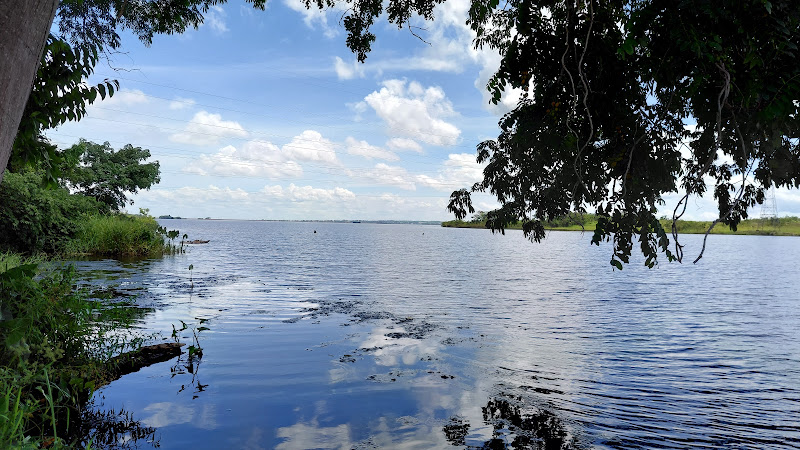
The Delta del Orinoco National Park is one of those rare places that feels like stepping into another world—wild, raw, and utterly captivating. This protected wetland area sprawls across a labyrinth of swamps, mangroves, and waterways where the mighty Orinoco River finally surrenders to the Atlantic Ocean. It’s not just a park; it’s a living, breathing ecosystem teeming with life that’s as mysterious as it is beautiful.
If you’ve got a soft spot for wildlife, you’ll find yourself in paradise here. The park is home to the elusive Orinoco crocodile, one of the largest and most endangered crocodile species on the planet. Catching a glimpse of one in its natural habitat is nothing short of thrilling. And then there are the Amazon river dolphins—those pink-hued, playful creatures that seem to dance through the water with a mischievous grin. They’re a highlight for many visitors, including kids who tend to be utterly fascinated by these unique mammals.
The landscape itself is a patchwork of dense mangrove forests, flooded savannas, and countless channels that weave through thousands of tiny islands. This mosaic creates a haven for birdwatchers; the variety of bird species here is staggering. From colorful parrots to elusive kingfishers, your binoculars will get a serious workout. And don’t be surprised if you hear the haunting calls of howler monkeys echoing through the trees—it’s all part of the wild symphony.
While it’s a natural wonder, the park isn’t just about the animals and plants. It’s a cultural treasure trove too. The indigenous Warao people have lived here for centuries, navigating these waters and living in harmony with the land. Visiting the Delta del Orinoco offers a unique chance to glimpse their way of life, which is deeply connected to the rhythms of the river and forest.
Now, it’s fair to say that this place isn’t your typical tourist trap. Infrastructure is limited, which means you won’t find fancy hotels or paved roads. But if you’re up for an adventure, a bit of rustic charm, and a whole lot of nature, this park delivers big time. It’s a place where you can truly unplug, reconnect, and maybe even get a little lost in the magic of the wilderness.
Key Features
- Extensive wetlands with swamps and dense mangrove forests creating a unique ecosystem
- Home to the endangered Orinoco crocodile, offering rare wildlife sightings
- Amazon river dolphins frequent the waterways, delighting visitors with their playful antics
- Rich birdlife, making it a hotspot for birdwatchers and nature photographers
- Traditional Warao indigenous communities providing cultural insight and authentic experiences
- Opportunities for boat tours through intricate channels and creeks, showcasing the park’s natural beauty
- Family-friendly environment suitable for children eager to explore and learn about nature
Best Time to Visit
Timing your visit to the Delta del Orinoco is crucial if you want to make the most of your trip. Generally, the dry season—from December to April—is the best window. During these months, the water levels drop, making it easier to navigate the channels and spot wildlife. The weather is also more pleasant, with less humidity and fewer mosquitoes (a big win in a tropical wetland).
That said, the wet season, running roughly from May to November, has its own charm. The landscape transforms dramatically as the waters rise, flooding the forests and creating a surreal floating world. It’s a bit trickier to get around, but the lush greenery and increased animal activity can be a real treat if you don’t mind the rain. Just pack your waterproof gear and be ready for some muddy adventures.
How to Get There
Getting to the Delta del Orinoco is part of the adventure, and it’s not exactly a walk in the park. Most travelers start their journey from Caracas, Venezuela’s capital. From there, you’ll catch a domestic flight—usually about an hour—to either Maturín or Puerto Ordáz. These cities serve as gateways to the delta region.
Once you touch down, the real fun begins. You’ll transfer to a boat for a trip through the maze of waterways that define the delta. These boat rides can vary from a few hours to a full day, depending on your destination within the park. It’s not just transportation—it’s a chance to soak in the scenery, spot wildlife, and feel the pulse of this unique environment.
Keep in mind that the park’s remote location means you should plan your logistics carefully. Flights can be irregular, and weather conditions sometimes cause delays. But hey, that’s part of the charm, right? Embrace the unpredictability and enjoy the journey as much as the destination.
Tips for Visiting
Alright, so you’re gearing up for a trip to the Delta del Orinoco. Here are some down-to-earth tips that could save you a headache or two:
- Pack light but smart: Bring breathable clothes, sturdy shoes for wet terrain, and don’t forget insect repellent. Mosquitoes can be relentless, especially during the wet season.
- Waterproof everything: Whether it’s your camera, phone, or a good old notebook, keep your essentials dry. A waterproof bag or dry sack is a lifesaver.
- Respect local customs: The Warao people are welcoming but maintain a respectful distance. Learning a few phrases or customs can go a long way in building goodwill.
- Stay patient and flexible: Travel in the delta isn’t always on a tight schedule. Weather, boats, and local conditions can change plans, so go with the flow.
- Hire a knowledgeable guide: A local guide can open doors to hidden spots, explain the ecosystem, and enrich your experience with stories you won’t find in any guidebook.
- Bring snacks and water: Facilities are scarce, so it’s better to be prepared with your own supplies, especially if you’re traveling with kids.
- Be mindful of wildlife: Keep a safe distance from animals, especially the crocodiles. They might look lazy, but they’re wild and unpredictable.
Visiting the Delta del Orinoco National Park isn’t just a trip; it’s stepping into a living mosaic of nature and culture that few places on Earth can match. It’s a place that stays with you long after you leave—whether it’s the echo of bird calls at dawn, the thrill of spotting a pink dolphin, or the warmth of a Warao smile. So, if you’re craving an authentic adventure that’s a little off the beaten path, this is where you want to be.
Key Features
- Extensive wetlands with swamps and dense mangrove forests creating a unique ecosystem
- Home to the endangered Orinoco crocodile, offering rare wildlife sightings
- Amazon river dolphins frequent the waterways, delighting visitors with their playful antics
- Rich birdlife, making it a hotspot for birdwatchers and nature photographers
- Traditional Warao indigenous communities providing cultural insight and authentic experiences
- Opportunities for boat tours through intricate channels and creeks, showcasing the park’s natural beauty
- Family-friendly environment suitable for children eager to explore and learn about nature
More Details
Updated July 13, 2025
Table of Contents
Description
The Delta del Orinoco National Park is one of those rare places that feels like stepping into another world—wild, raw, and utterly captivating. This protected wetland area sprawls across a labyrinth of swamps, mangroves, and waterways where the mighty Orinoco River finally surrenders to the Atlantic Ocean. It’s not just a park; it’s a living, breathing ecosystem teeming with life that’s as mysterious as it is beautiful.
If you’ve got a soft spot for wildlife, you’ll find yourself in paradise here. The park is home to the elusive Orinoco crocodile, one of the largest and most endangered crocodile species on the planet. Catching a glimpse of one in its natural habitat is nothing short of thrilling. And then there are the Amazon river dolphins—those pink-hued, playful creatures that seem to dance through the water with a mischievous grin. They’re a highlight for many visitors, including kids who tend to be utterly fascinated by these unique mammals.
The landscape itself is a patchwork of dense mangrove forests, flooded savannas, and countless channels that weave through thousands of tiny islands. This mosaic creates a haven for birdwatchers; the variety of bird species here is staggering. From colorful parrots to elusive kingfishers, your binoculars will get a serious workout. And don’t be surprised if you hear the haunting calls of howler monkeys echoing through the trees—it’s all part of the wild symphony.
While it’s a natural wonder, the park isn’t just about the animals and plants. It’s a cultural treasure trove too. The indigenous Warao people have lived here for centuries, navigating these waters and living in harmony with the land. Visiting the Delta del Orinoco offers a unique chance to glimpse their way of life, which is deeply connected to the rhythms of the river and forest.
Now, it’s fair to say that this place isn’t your typical tourist trap. Infrastructure is limited, which means you won’t find fancy hotels or paved roads. But if you’re up for an adventure, a bit of rustic charm, and a whole lot of nature, this park delivers big time. It’s a place where you can truly unplug, reconnect, and maybe even get a little lost in the magic of the wilderness.
Key Features
- Extensive wetlands with swamps and dense mangrove forests creating a unique ecosystem
- Home to the endangered Orinoco crocodile, offering rare wildlife sightings
- Amazon river dolphins frequent the waterways, delighting visitors with their playful antics
- Rich birdlife, making it a hotspot for birdwatchers and nature photographers
- Traditional Warao indigenous communities providing cultural insight and authentic experiences
- Opportunities for boat tours through intricate channels and creeks, showcasing the park’s natural beauty
- Family-friendly environment suitable for children eager to explore and learn about nature
Best Time to Visit
Timing your visit to the Delta del Orinoco is crucial if you want to make the most of your trip. Generally, the dry season—from December to April—is the best window. During these months, the water levels drop, making it easier to navigate the channels and spot wildlife. The weather is also more pleasant, with less humidity and fewer mosquitoes (a big win in a tropical wetland).
That said, the wet season, running roughly from May to November, has its own charm. The landscape transforms dramatically as the waters rise, flooding the forests and creating a surreal floating world. It’s a bit trickier to get around, but the lush greenery and increased animal activity can be a real treat if you don’t mind the rain. Just pack your waterproof gear and be ready for some muddy adventures.
How to Get There
Getting to the Delta del Orinoco is part of the adventure, and it’s not exactly a walk in the park. Most travelers start their journey from Caracas, Venezuela’s capital. From there, you’ll catch a domestic flight—usually about an hour—to either Maturín or Puerto Ordáz. These cities serve as gateways to the delta region.
Once you touch down, the real fun begins. You’ll transfer to a boat for a trip through the maze of waterways that define the delta. These boat rides can vary from a few hours to a full day, depending on your destination within the park. It’s not just transportation—it’s a chance to soak in the scenery, spot wildlife, and feel the pulse of this unique environment.
Keep in mind that the park’s remote location means you should plan your logistics carefully. Flights can be irregular, and weather conditions sometimes cause delays. But hey, that’s part of the charm, right? Embrace the unpredictability and enjoy the journey as much as the destination.
Tips for Visiting
Alright, so you’re gearing up for a trip to the Delta del Orinoco. Here are some down-to-earth tips that could save you a headache or two:
- Pack light but smart: Bring breathable clothes, sturdy shoes for wet terrain, and don’t forget insect repellent. Mosquitoes can be relentless, especially during the wet season.
- Waterproof everything: Whether it’s your camera, phone, or a good old notebook, keep your essentials dry. A waterproof bag or dry sack is a lifesaver.
- Respect local customs: The Warao people are welcoming but maintain a respectful distance. Learning a few phrases or customs can go a long way in building goodwill.
- Stay patient and flexible: Travel in the delta isn’t always on a tight schedule. Weather, boats, and local conditions can change plans, so go with the flow.
- Hire a knowledgeable guide: A local guide can open doors to hidden spots, explain the ecosystem, and enrich your experience with stories you won’t find in any guidebook.
- Bring snacks and water: Facilities are scarce, so it’s better to be prepared with your own supplies, especially if you’re traveling with kids.
- Be mindful of wildlife: Keep a safe distance from animals, especially the crocodiles. They might look lazy, but they’re wild and unpredictable.
Visiting the Delta del Orinoco National Park isn’t just a trip; it’s stepping into a living mosaic of nature and culture that few places on Earth can match. It’s a place that stays with you long after you leave—whether it’s the echo of bird calls at dawn, the thrill of spotting a pink dolphin, or the warmth of a Warao smile. So, if you’re craving an authentic adventure that’s a little off the beaten path, this is where you want to be.
Key Highlights
- Extensive wetlands with swamps and dense mangrove forests creating a unique ecosystem
- Home to the endangered Orinoco crocodile, offering rare wildlife sightings
- Amazon river dolphins frequent the waterways, delighting visitors with their playful antics
- Rich birdlife, making it a hotspot for birdwatchers and nature photographers
- Traditional Warao indigenous communities providing cultural insight and authentic experiences
- Opportunities for boat tours through intricate channels and creeks, showcasing the park’s natural beauty
- Family-friendly environment suitable for children eager to explore and learn about nature
Location
Places to Stay Near Delta del Orinoco National Park
Find and Book a Tour
Explore More Travel Guides
No reviews found! Be the first to review!
Traveler Reviews for Delta del Orinoco National Park
There are no reviews yet. Be the first one to write one.
Have you visited Delta del Orinoco National Park? Help other travelers by sharing your review.
You Might Also Like
Ruinas de Las Misiones del Caroni

Pariapan Hill

Dunes of Coro National Park
Find Accommodations Nearby
Recommended Tours & Activities
Visitor Reviews
There are no reviews yet. Be the first one to write one.
Share Your Experience
Have you visited Delta del Orinoco National Park? Help other travelers by leaving a review.