
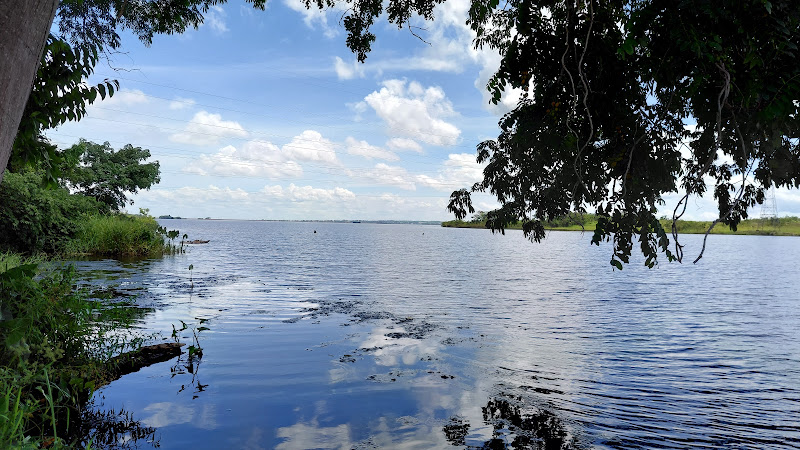
Ruinas de Las Misiones del Caroni
About Ruinas de Las Misiones del Caroni
Description
Hidden away in the heart of Venezuela’s Bolívar state, the Ruinas de las Misiones del Caroní tell a story that feels both ancient and oddly alive. These ruins, once part of the grand network of Capuchin missions founded in 1724, stand quietly among the trees, the echoes of chants and laughter long faded but somehow still lingering in the air. The site, also known as San Antonio de Caroní, was one of the earliest missionary settlements in the region, built by Catalan Capuchin friars who sought to teach, cultivate, and build a new kind of community among the Indigenous peoples of Guayana. Today, it’s a fascinating mix of crumbling stone walls, half-buried foundations, and open skies—a place where history breathes softly through the cracks.
Walking through the ruins, you can almost imagine the rhythm of daily life centuries ago: friars tending to crops, children learning prayers, artisans shaping clay under the sun. It’s not a polished or overly curated site, and that’s part of its charm. The authenticity here hits you right away—no flashy signs, no big crowds, just the raw bones of a story that shaped this region. Some visitors describe feeling a strange calm, even reverence, when standing among the weathered stones. Others say it’s the perfect spot for quiet reflection or photography, especially when the late afternoon light paints the ruins gold.
As someone who’s wandered through a fair share of historical sites across Latin America, I can say this one feels different. There’s a humility to it. It doesn’t try to impress you—it just exists, quietly reminding you that entire worlds once thrived here. The surrounding nature has reclaimed parts of the old mission, vines curling around doorways, birds nesting in old niches. And yet, despite time’s slow erosion, the site still feels sturdy, proud even. It’s a reminder of both human ambition and the unstoppable power of nature.
Key Features
- Historic Foundations: The ruins date back to 1724, marking one of the first Capuchin missions in the Guayana region, dedicated to the Purísima Concepción del Caroní.
- Architectural Remnants: Visitors can explore stone walls, remnants of the church façade, and traces of colonial-era construction techniques that reveal the friars’ craftsmanship.
- Cultural Significance: The site once housed over 20,000 Indigenous inhabitants during its peak in the late 18th century, a testament to its importance in regional development.
- Natural Surroundings: Set amid lush vegetation near the Caroní River, the area provides a serene and scenic escape for those seeking peace and connection with nature.
- Photographic Appeal: The interplay of light, shadow, and crumbling stone makes it a dream location for photographers and history enthusiasts alike.
- Educational Value: Ideal for travelers interested in Venezuelan colonial history, missionary architecture, and Indigenous heritage.
What stands out most is how the ruins blend history and wilderness. You might spot a butterfly landing on a centuries-old wall or hear parrots squawking from the treetops. It’s a living museum, but without the glass cases or velvet ropes. You can touch the stones, feel the texture of time itself. And if you’re traveling with kids, they’ll love the open spaces and the sense of adventure—there’s something inherently magical about exploring ruins that feel like a real-life treasure hunt.
Best Time to Visit
The best time to visit the Ruinas de las Misiones del Caroní is during the dry season, typically from December to April. The weather is warm but manageable, and the paths are easier to navigate without the heavy rains that can turn the ground muddy. Early mornings or late afternoons are especially beautiful, when the sunlight filters through the trees and casts long shadows across the ruins. If you’re into photography, that’s your golden hour—literally.
During the rainy season (May to November), the area transforms into a lush green paradise, with the surrounding vegetation bursting to life. It’s undeniably picturesque, but you’ll want sturdy shoes and maybe a poncho because the humidity can be intense. Personally, I visited after a light rain, and the smell of wet earth mixed with the old stones was unforgettable. There’s something poetic about watching raindrops slide down a 300-year-old wall—it’s like seeing time itself weep softly.
How to Get There
Reaching the Ruinas de las Misiones del Caroní isn’t complicated, but it does require a bit of planning. The site lies a short drive from Puerto Ordaz, one of the main urban centers in Bolívar. From the city, you can take a taxi, hire a local guide, or even rent a car if you prefer to explore at your own pace. The drive is scenic, passing through stretches of countryside that slowly give way to forested areas. Signage can be minimal, so having GPS or a local driver who knows the route helps.
If you’re coming from Ciudad Guayana, it’s roughly a 25-kilometer journey southwest, following the road toward San Félix and then branching off toward the mission site. Public transport options are limited, so a private vehicle is the most convenient choice. Some local tour operators offer half-day excursions that combine the ruins with nearby attractions like the Caroní River viewpoints or local Indigenous craft markets. I’d recommend that option if you like having context and stories told along the way—it really brings the place to life.
And here’s a little tip from experience: bring snacks and water. There aren’t many vendors nearby, and you’ll want to linger longer than you think once you’re there. The peacefulness of the site tends to slow you down in the best way possible.
Tips for Visiting
Visiting the Ruinas de las Misiones del Caroní is less about ticking off a tourist checklist and more about immersing yourself in a moment of quiet history. That said, a few practical tips can make your trip smoother and more rewarding:
- Wear comfortable shoes: The terrain can be uneven with patches of grass and loose stones, so sturdy footwear is a must.
- Bring sun protection: There’s limited shade in some areas, and the midday sun in Bolívar can be fierce. A hat, sunscreen, and water bottle go a long way.
- Hire a local guide: If you can, find a guide from the nearby community. They often share fascinating stories about the friars, the Indigenous peoples, and the mission’s role in local history.
- Respect the site: These ruins are fragile and culturally significant. Avoid climbing on walls or disturbing any structures.
- Plan for quiet time: Bring a notebook or camera and just sit for a while. The atmosphere here invites reflection—it’s not every day you stand in a place where centuries of human effort still whisper through the stones.
- Travel with kids: It’s a family-friendly spot, and children often find it exciting to explore the open grounds. Just keep an eye on them near the uneven areas.
- Combine with nearby attractions: The Caroní River, local markets, and regional parks make great additions to your itinerary if you have extra time.
One more thing—don’t rush. The Ruinas de las Misiones del Caroní aren’t about spectacle; they’re about presence. Take a slow walk, breathe in the humid air, listen to the birds, and imagine the centuries that have passed since these walls first rose from the earth. I remember leaning against one of the old stones, tracing the grooves carved by hand, and thinking how many people before me had done the same. That’s the magic of this place—it connects you, quietly but powerfully, to a shared human story that stretches far beyond your own lifetime.
So if you find yourself in Venezuela’s Bolívar region and crave something authentic, something that feels untouched by time, make your way to the Ruinas de las Misiones del Caroní. It’s not a grand monument or a flashy tourist trap—it’s a whisper of history, waiting patiently for you to listen.
Key Features
- Key Features
- Best Time to Visit
- How to Get There
- Tips for Visiting
More Details
Updated November 7, 2025
Table of Contents
Description
Hidden away in the heart of Venezuela’s Bolívar state, the Ruinas de las Misiones del Caroní tell a story that feels both ancient and oddly alive. These ruins, once part of the grand network of Capuchin missions founded in 1724, stand quietly among the trees, the echoes of chants and laughter long faded but somehow still lingering in the air. The site, also known as San Antonio de Caroní, was one of the earliest missionary settlements in the region, built by Catalan Capuchin friars who sought to teach, cultivate, and build a new kind of community among the Indigenous peoples of Guayana. Today, it’s a fascinating mix of crumbling stone walls, half-buried foundations, and open skies—a place where history breathes softly through the cracks.
Walking through the ruins, you can almost imagine the rhythm of daily life centuries ago: friars tending to crops, children learning prayers, artisans shaping clay under the sun. It’s not a polished or overly curated site, and that’s part of its charm. The authenticity here hits you right away—no flashy signs, no big crowds, just the raw bones of a story that shaped this region. Some visitors describe feeling a strange calm, even reverence, when standing among the weathered stones. Others say it’s the perfect spot for quiet reflection or photography, especially when the late afternoon light paints the ruins gold.
As someone who’s wandered through a fair share of historical sites across Latin America, I can say this one feels different. There’s a humility to it. It doesn’t try to impress you—it just exists, quietly reminding you that entire worlds once thrived here. The surrounding nature has reclaimed parts of the old mission, vines curling around doorways, birds nesting in old niches. And yet, despite time’s slow erosion, the site still feels sturdy, proud even. It’s a reminder of both human ambition and the unstoppable power of nature.
Key Features
- Historic Foundations: The ruins date back to 1724, marking one of the first Capuchin missions in the Guayana region, dedicated to the Purísima Concepción del Caroní.
- Architectural Remnants: Visitors can explore stone walls, remnants of the church façade, and traces of colonial-era construction techniques that reveal the friars’ craftsmanship.
- Cultural Significance: The site once housed over 20,000 Indigenous inhabitants during its peak in the late 18th century, a testament to its importance in regional development.
- Natural Surroundings: Set amid lush vegetation near the Caroní River, the area provides a serene and scenic escape for those seeking peace and connection with nature.
- Photographic Appeal: The interplay of light, shadow, and crumbling stone makes it a dream location for photographers and history enthusiasts alike.
- Educational Value: Ideal for travelers interested in Venezuelan colonial history, missionary architecture, and Indigenous heritage.
What stands out most is how the ruins blend history and wilderness. You might spot a butterfly landing on a centuries-old wall or hear parrots squawking from the treetops. It’s a living museum, but without the glass cases or velvet ropes. You can touch the stones, feel the texture of time itself. And if you’re traveling with kids, they’ll love the open spaces and the sense of adventure—there’s something inherently magical about exploring ruins that feel like a real-life treasure hunt.
Best Time to Visit
The best time to visit the Ruinas de las Misiones del Caroní is during the dry season, typically from December to April. The weather is warm but manageable, and the paths are easier to navigate without the heavy rains that can turn the ground muddy. Early mornings or late afternoons are especially beautiful, when the sunlight filters through the trees and casts long shadows across the ruins. If you’re into photography, that’s your golden hour—literally.
During the rainy season (May to November), the area transforms into a lush green paradise, with the surrounding vegetation bursting to life. It’s undeniably picturesque, but you’ll want sturdy shoes and maybe a poncho because the humidity can be intense. Personally, I visited after a light rain, and the smell of wet earth mixed with the old stones was unforgettable. There’s something poetic about watching raindrops slide down a 300-year-old wall—it’s like seeing time itself weep softly.
How to Get There
Reaching the Ruinas de las Misiones del Caroní isn’t complicated, but it does require a bit of planning. The site lies a short drive from Puerto Ordaz, one of the main urban centers in Bolívar. From the city, you can take a taxi, hire a local guide, or even rent a car if you prefer to explore at your own pace. The drive is scenic, passing through stretches of countryside that slowly give way to forested areas. Signage can be minimal, so having GPS or a local driver who knows the route helps.
If you’re coming from Ciudad Guayana, it’s roughly a 25-kilometer journey southwest, following the road toward San Félix and then branching off toward the mission site. Public transport options are limited, so a private vehicle is the most convenient choice. Some local tour operators offer half-day excursions that combine the ruins with nearby attractions like the Caroní River viewpoints or local Indigenous craft markets. I’d recommend that option if you like having context and stories told along the way—it really brings the place to life.
And here’s a little tip from experience: bring snacks and water. There aren’t many vendors nearby, and you’ll want to linger longer than you think once you’re there. The peacefulness of the site tends to slow you down in the best way possible.
Tips for Visiting
Visiting the Ruinas de las Misiones del Caroní is less about ticking off a tourist checklist and more about immersing yourself in a moment of quiet history. That said, a few practical tips can make your trip smoother and more rewarding:
- Wear comfortable shoes: The terrain can be uneven with patches of grass and loose stones, so sturdy footwear is a must.
- Bring sun protection: There’s limited shade in some areas, and the midday sun in Bolívar can be fierce. A hat, sunscreen, and water bottle go a long way.
- Hire a local guide: If you can, find a guide from the nearby community. They often share fascinating stories about the friars, the Indigenous peoples, and the mission’s role in local history.
- Respect the site: These ruins are fragile and culturally significant. Avoid climbing on walls or disturbing any structures.
- Plan for quiet time: Bring a notebook or camera and just sit for a while. The atmosphere here invites reflection—it’s not every day you stand in a place where centuries of human effort still whisper through the stones.
- Travel with kids: It’s a family-friendly spot, and children often find it exciting to explore the open grounds. Just keep an eye on them near the uneven areas.
- Combine with nearby attractions: The Caroní River, local markets, and regional parks make great additions to your itinerary if you have extra time.
One more thing—don’t rush. The Ruinas de las Misiones del Caroní aren’t about spectacle; they’re about presence. Take a slow walk, breathe in the humid air, listen to the birds, and imagine the centuries that have passed since these walls first rose from the earth. I remember leaning against one of the old stones, tracing the grooves carved by hand, and thinking how many people before me had done the same. That’s the magic of this place—it connects you, quietly but powerfully, to a shared human story that stretches far beyond your own lifetime.
So if you find yourself in Venezuela’s Bolívar region and crave something authentic, something that feels untouched by time, make your way to the Ruinas de las Misiones del Caroní. It’s not a grand monument or a flashy tourist trap—it’s a whisper of history, waiting patiently for you to listen.
Key Highlights
- Key Features
- Best Time to Visit
- How to Get There
- Tips for Visiting
Location
Places to Stay Near Ruinas de Las Misiones del Caroni
Find and Book a Tour
Explore More Travel Guides
No reviews found! Be the first to review!
Traveler Reviews for Ruinas de Las Misiones del Caroni
There are no reviews yet. Be the first one to write one.
Have you visited Ruinas de Las Misiones del Caroni? Help other travelers by sharing your review.
You Might Also Like

6101, Sucre
ISLA DE TORTOLA
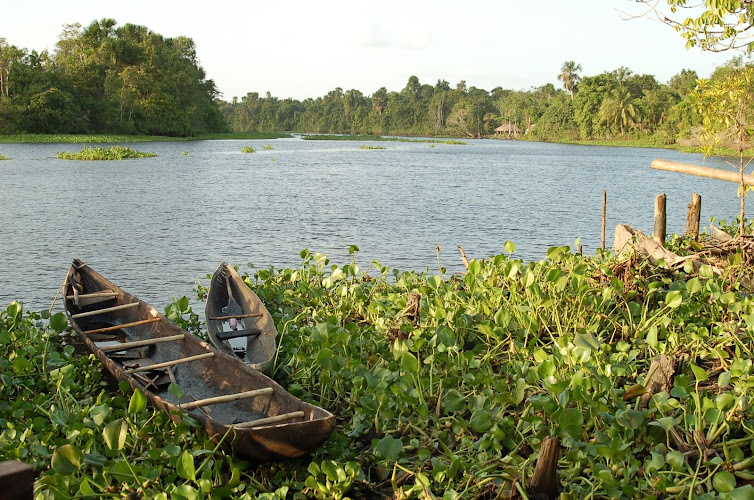
Orinoco delta
Find Accommodations Nearby
Recommended Tours & Activities
Visitor Reviews
There are no reviews yet. Be the first one to write one.
Share Your Experience
Have you visited Ruinas de Las Misiones del Caroni? Help other travelers by leaving a review.