
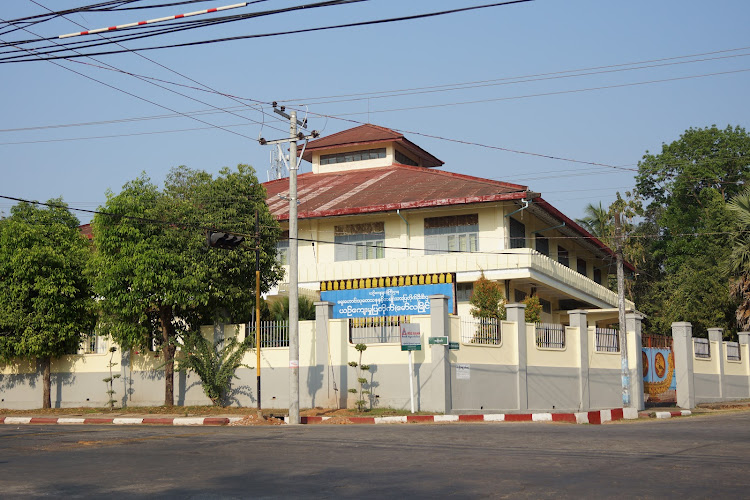
Mon Cultural Museum
About Mon Cultural Museum
Description
The Mon Cultural Museum offers travelers an authentic window into one of Southeast Asia's most ancient and influential civilizations. For anyone curious about the Mon people—who've been shaping the region's cultural landscape for over two millennia—this museum presents a fascinating collection that goes beyond typical tourist attractions. You'll find an impressive array of Buddha images that showcase the distinctive Mon artistic style, alongside artifacts that tell the story of a civilization that once dominated vast territories across present-day Myanmar and Thailand. Walking through this museum feels a bit like stepping into a time capsule, honestly. The Mon people developed one of the earliest Buddhist kingdoms in Southeast Asia, and their influence on art, architecture, and religious practice still resonates throughout the region today. What I really appreciate about this place is how it doesn't just throw artifacts at you without context—there's a genuine effort to help visitors understand the Mon heritage and its lasting impact on Southeast Asian culture. The museum houses a substantial collection of Buddha images that reflect the Mon's sophisticated approach to Buddhist iconography. These aren't just religious objects; they're artistic masterpieces that demonstrate advanced metalworking techniques and a unique aesthetic sensibility that influenced neighboring cultures for centuries. And the diversity of styles represented here shows how Mon artisans adapted and evolved their craft over different historical periods. What makes this museum particularly worthwhile is its focus on preserving a culture that doesn't always get the spotlight it deserves in mainstream travel narratives. The Mon people have faced significant challenges throughout history, including cultural assimilation pressures, making institutions like this incredibly important for maintaining their distinct identity and traditions.Key Features
The Mon Cultural Museum distinguishes itself through several compelling features that make it worth adding to your travel itinerary:- An extensive collection of Buddha images representing different periods of Mon craftsmanship and artistic evolution, each piece telling its own story about religious devotion and artistic innovation
- Artifacts and exhibits that chronicle Mon civilization from ancient times through the present day, providing historical context that helps visitors understand the Mon people's contributions to Southeast Asian culture
- Wheelchair accessible facilities including restrooms, making the museum genuinely accessible for visitors with mobility considerations—something that unfortunately can't be said for every cultural institution in the region
- Educational displays that explain Mon language, script, and literature, offering insights into one of Southeast Asia's oldest written languages still in use today
- Traditional Mon crafts and everyday objects that illustrate daily life, trade practices, and the sophisticated material culture the Mon developed over centuries
- Religious artifacts beyond Buddha images, including ceremonial objects and ritual items that demonstrate the depth of Mon Buddhist practice
- Photography opportunities with well-curated displays that allow visitors to capture memories while respecting the sacred nature of many exhibits
- A family-friendly environment where children can learn about cultural diversity and ancient civilizations in an engaging setting that doesn't feel overwhelming or too academic
Best Time to Visit
Timing your visit to the Mon Cultural Museum can significantly impact your experience, and I've learned that considering both weather and crowd patterns makes a real difference. The cooler months between November and February provide the most comfortable conditions for exploring the museum and surrounding area. Temperatures during this period are far more pleasant than the intense heat that characterizes other seasons, and you'll probably find yourself able to spend more time thoroughly examining the exhibits without feeling drained by the climate. But these months also attract the highest number of tourists, so expect more company during your visit. If you prefer a quieter experience, consider visiting during the shoulder season—October or March. The weather's still manageable during these months, though you might encounter occasional rain in October. The trade-off is fewer crowds and a more contemplative atmosphere that some visitors prefer when engaging with cultural and religious artifacts. Weekday mornings tend to be the quietest times regardless of season. Arriving when the museum opens gives you the chance to explore at your own pace without jostling for position in front of popular exhibits. I've always found that museums reveal more when you can stand quietly before an object without feeling rushed by crowds behind you. The hot season from March through May can be challenging if you're not accustomed to tropical heat. However, the museum's indoor environment provides respite from the weather, and you'll definitely encounter fewer tourists during these months. Just plan your visit for earlier in the day before temperatures peak. Getting tickets in advance is recommended, particularly during peak tourist season or if you're visiting during local festivals or holidays when domestic tourism increases. This advance planning ensures you won't waste precious travel time waiting in queues or, worse, finding the museum at capacity.How to Get There
Reaching the Mon Cultural Museum requires some planning, but it's entirely manageable for independent travelers and those on organized tours alike. For travelers already in the region, hiring a local taxi or using ride-sharing services provides the most straightforward option. Drivers in the area generally know the museum's location, though having the name written in local script can prevent confusion. The ride itself offers a chance to see more of the local landscape and daily life beyond typical tourist zones. If you're the adventurous type who prefers public transportation, local buses serve the area, though routes and schedules can be irregular. This option requires flexibility and a willingness to navigate with limited English signage in some cases. But honestly, taking local transport connects you more authentically with daily life in the region, and fellow passengers are often friendly and helpful if you look a bit lost. Many travelers choose to visit the museum as part of a broader cultural tour that includes other Mon heritage sites in the area. This approach makes logistical sense since it eliminates transportation worries and often provides knowledgeable guides who can enhance your understanding of what you're seeing. Group tours also typically handle ticket arrangements in advance. For those renting motorbikes or cars—common options for independent travelers in Southeast Asia—the museum is accessible via main roads, though parking availability should be confirmed beforehand. Driving yourself offers maximum flexibility for exploring the surrounding area at your own pace. Some travelers combine their museum visit with stays at nearby guesthouses or hotels that cater to cultural tourists. These accommodations often arrange transportation or provide detailed directions for reaching the museum independently.Tips for Visiting
Making the most of your Mon Cultural Museum experience involves some practical preparation and cultural awareness that'll enhance your visit considerably. Dress respectfully when visiting, keeping in mind that you're exploring a space filled with religious artifacts and images. Covering shoulders and knees is appropriate, and you'll feel more comfortable knowing you're showing proper respect for Mon cultural values. And honestly, modest clothing also works better in the climate than you might think. Allow at least two to three hours for a thorough visit. Rushing through diminishes the experience, and some of the most interesting details reveal themselves only when you slow down and really observe the craftsmanship and symbolism in the exhibits. I've found that sitting quietly in front of a particularly beautiful Buddha image for a few minutes often leads to noticing details that initially escaped attention. Photography policies should be confirmed upon arrival, as some sacred objects may have restrictions. Even where photography is permitted, be mindful about using flash, which can damage delicate artifacts over time. Taking fewer, more thoughtful photos often results in better memories than snapping everything in sight anyway. The museum's restroom facilities are available and wheelchair accessible, which is particularly helpful for travelers with accessibility needs or families with young children. Don't hesitate to ask staff about these facilities—they're generally helpful and understanding of visitor needs. Bringing a small notebook can enhance your experience if you enjoy jotting down observations or questions that arise during your visit. Many travelers find that writing brief notes helps them remember specific details later and provides material for sharing experiences with others after returning home. Consider hiring a guide if available, especially if you're particularly interested in Mon history and culture. Guides provide context that plaques and signage can't fully convey, and they often share stories and insights that bring the exhibits to life. Even just an hour with a knowledgeable guide can transform your understanding. Keep an open mind about cultural differences in museum presentation styles. The Mon Cultural Museum may organize and present information differently than Western museums you're familiar with, and that's part of its authenticity. Embrace these differences rather than comparing them unfavorably to what you're accustomed to. Stay hydrated, especially if visiting during warmer months. While the museum provides indoor shelter, you'll still be walking and standing for extended periods. Carrying a water bottle ensures you can stay comfortable throughout your visit. If traveling with children, prepare them beforehand with some basic information about Mon culture and explain the importance of quiet, respectful behavior in spaces containing religious artifacts. Kids who understand why respectful behavior matters are generally more engaged and cooperative than those simply told to "be good." Finally, take time after your visit to reflect on what you've learned. Perhaps find a nearby café or quiet spot to process the experience while it's fresh. The Mon Cultural Museum offers insights into a culture that has profoundly shaped Southeast Asia yet remains relatively unknown to many travelers, and that knowledge is worth carrying forward thoughtfully into the rest of your journey.Key Features
- Collections of Mon-era bronze, stone and Buddhist sculpture
- Traditional Mon textiles, silverware and lacquerware displays
- Manuscript cabinets and religious artifacts from local monasteries
- Musical instruments and everyday cultural objects illustrating daily life
- Central Mawlamyine location useful as a cultural primer before local sightseeing
More Details
Updated January 5, 2026
Table of Contents
Description
The Mon Cultural Museum offers travelers an authentic window into one of Southeast Asia’s most ancient and influential civilizations. For anyone curious about the Mon people—who’ve been shaping the region’s cultural landscape for over two millennia—this museum presents a fascinating collection that goes beyond typical tourist attractions. You’ll find an impressive array of Buddha images that showcase the distinctive Mon artistic style, alongside artifacts that tell the story of a civilization that once dominated vast territories across present-day Myanmar and Thailand.
Walking through this museum feels a bit like stepping into a time capsule, honestly. The Mon people developed one of the earliest Buddhist kingdoms in Southeast Asia, and their influence on art, architecture, and religious practice still resonates throughout the region today. What I really appreciate about this place is how it doesn’t just throw artifacts at you without context—there’s a genuine effort to help visitors understand the Mon heritage and its lasting impact on Southeast Asian culture.
The museum houses a substantial collection of Buddha images that reflect the Mon’s sophisticated approach to Buddhist iconography. These aren’t just religious objects; they’re artistic masterpieces that demonstrate advanced metalworking techniques and a unique aesthetic sensibility that influenced neighboring cultures for centuries. And the diversity of styles represented here shows how Mon artisans adapted and evolved their craft over different historical periods.
What makes this museum particularly worthwhile is its focus on preserving a culture that doesn’t always get the spotlight it deserves in mainstream travel narratives. The Mon people have faced significant challenges throughout history, including cultural assimilation pressures, making institutions like this incredibly important for maintaining their distinct identity and traditions.
Key Features
The Mon Cultural Museum distinguishes itself through several compelling features that make it worth adding to your travel itinerary:
- An extensive collection of Buddha images representing different periods of Mon craftsmanship and artistic evolution, each piece telling its own story about religious devotion and artistic innovation
- Artifacts and exhibits that chronicle Mon civilization from ancient times through the present day, providing historical context that helps visitors understand the Mon people’s contributions to Southeast Asian culture
- Wheelchair accessible facilities including restrooms, making the museum genuinely accessible for visitors with mobility considerations—something that unfortunately can’t be said for every cultural institution in the region
- Educational displays that explain Mon language, script, and literature, offering insights into one of Southeast Asia’s oldest written languages still in use today
- Traditional Mon crafts and everyday objects that illustrate daily life, trade practices, and the sophisticated material culture the Mon developed over centuries
- Religious artifacts beyond Buddha images, including ceremonial objects and ritual items that demonstrate the depth of Mon Buddhist practice
- Photography opportunities with well-curated displays that allow visitors to capture memories while respecting the sacred nature of many exhibits
- A family-friendly environment where children can learn about cultural diversity and ancient civilizations in an engaging setting that doesn’t feel overwhelming or too academic
Best Time to Visit
Timing your visit to the Mon Cultural Museum can significantly impact your experience, and I’ve learned that considering both weather and crowd patterns makes a real difference.
The cooler months between November and February provide the most comfortable conditions for exploring the museum and surrounding area. Temperatures during this period are far more pleasant than the intense heat that characterizes other seasons, and you’ll probably find yourself able to spend more time thoroughly examining the exhibits without feeling drained by the climate. But these months also attract the highest number of tourists, so expect more company during your visit.
If you prefer a quieter experience, consider visiting during the shoulder season—October or March. The weather’s still manageable during these months, though you might encounter occasional rain in October. The trade-off is fewer crowds and a more contemplative atmosphere that some visitors prefer when engaging with cultural and religious artifacts.
Weekday mornings tend to be the quietest times regardless of season. Arriving when the museum opens gives you the chance to explore at your own pace without jostling for position in front of popular exhibits. I’ve always found that museums reveal more when you can stand quietly before an object without feeling rushed by crowds behind you.
The hot season from March through May can be challenging if you’re not accustomed to tropical heat. However, the museum’s indoor environment provides respite from the weather, and you’ll definitely encounter fewer tourists during these months. Just plan your visit for earlier in the day before temperatures peak.
Getting tickets in advance is recommended, particularly during peak tourist season or if you’re visiting during local festivals or holidays when domestic tourism increases. This advance planning ensures you won’t waste precious travel time waiting in queues or, worse, finding the museum at capacity.
How to Get There
Reaching the Mon Cultural Museum requires some planning, but it’s entirely manageable for independent travelers and those on organized tours alike.
For travelers already in the region, hiring a local taxi or using ride-sharing services provides the most straightforward option. Drivers in the area generally know the museum’s location, though having the name written in local script can prevent confusion. The ride itself offers a chance to see more of the local landscape and daily life beyond typical tourist zones.
If you’re the adventurous type who prefers public transportation, local buses serve the area, though routes and schedules can be irregular. This option requires flexibility and a willingness to navigate with limited English signage in some cases. But honestly, taking local transport connects you more authentically with daily life in the region, and fellow passengers are often friendly and helpful if you look a bit lost.
Many travelers choose to visit the museum as part of a broader cultural tour that includes other Mon heritage sites in the area. This approach makes logistical sense since it eliminates transportation worries and often provides knowledgeable guides who can enhance your understanding of what you’re seeing. Group tours also typically handle ticket arrangements in advance.
For those renting motorbikes or cars—common options for independent travelers in Southeast Asia—the museum is accessible via main roads, though parking availability should be confirmed beforehand. Driving yourself offers maximum flexibility for exploring the surrounding area at your own pace.
Some travelers combine their museum visit with stays at nearby guesthouses or hotels that cater to cultural tourists. These accommodations often arrange transportation or provide detailed directions for reaching the museum independently.
Tips for Visiting
Making the most of your Mon Cultural Museum experience involves some practical preparation and cultural awareness that’ll enhance your visit considerably.
Dress respectfully when visiting, keeping in mind that you’re exploring a space filled with religious artifacts and images. Covering shoulders and knees is appropriate, and you’ll feel more comfortable knowing you’re showing proper respect for Mon cultural values. And honestly, modest clothing also works better in the climate than you might think.
Allow at least two to three hours for a thorough visit. Rushing through diminishes the experience, and some of the most interesting details reveal themselves only when you slow down and really observe the craftsmanship and symbolism in the exhibits. I’ve found that sitting quietly in front of a particularly beautiful Buddha image for a few minutes often leads to noticing details that initially escaped attention.
Photography policies should be confirmed upon arrival, as some sacred objects may have restrictions. Even where photography is permitted, be mindful about using flash, which can damage delicate artifacts over time. Taking fewer, more thoughtful photos often results in better memories than snapping everything in sight anyway.
The museum’s restroom facilities are available and wheelchair accessible, which is particularly helpful for travelers with accessibility needs or families with young children. Don’t hesitate to ask staff about these facilities—they’re generally helpful and understanding of visitor needs.
Bringing a small notebook can enhance your experience if you enjoy jotting down observations or questions that arise during your visit. Many travelers find that writing brief notes helps them remember specific details later and provides material for sharing experiences with others after returning home.
Consider hiring a guide if available, especially if you’re particularly interested in Mon history and culture. Guides provide context that plaques and signage can’t fully convey, and they often share stories and insights that bring the exhibits to life. Even just an hour with a knowledgeable guide can transform your understanding.
Keep an open mind about cultural differences in museum presentation styles. The Mon Cultural Museum may organize and present information differently than Western museums you’re familiar with, and that’s part of its authenticity. Embrace these differences rather than comparing them unfavorably to what you’re accustomed to.
Stay hydrated, especially if visiting during warmer months. While the museum provides indoor shelter, you’ll still be walking and standing for extended periods. Carrying a water bottle ensures you can stay comfortable throughout your visit.
If traveling with children, prepare them beforehand with some basic information about Mon culture and explain the importance of quiet, respectful behavior in spaces containing religious artifacts. Kids who understand why respectful behavior matters are generally more engaged and cooperative than those simply told to “be good.”
Finally, take time after your visit to reflect on what you’ve learned. Perhaps find a nearby café or quiet spot to process the experience while it’s fresh. The Mon Cultural Museum offers insights into a culture that has profoundly shaped Southeast Asia yet remains relatively unknown to many travelers, and that knowledge is worth carrying forward thoughtfully into the rest of your journey.
Key Highlights
- Collections of Mon-era bronze, stone and Buddhist sculpture
- Traditional Mon textiles, silverware and lacquerware displays
- Manuscript cabinets and religious artifacts from local monasteries
- Musical instruments and everyday cultural objects illustrating daily life
- Central Mawlamyine location useful as a cultural primer before local sightseeing
Location
Places to Stay Near Mon Cultural Museum
Find and Book a Tour
Explore More Travel Guides
No reviews found! Be the first to review!
Traveler Reviews for Mon Cultural Museum
There are no reviews yet. Be the first one to write one.
Have you visited Mon Cultural Museum? Help other travelers by sharing your review.
Nearby Attractions
You Might Also Like
Find Accommodations Nearby
Recommended Tours & Activities
Visitor Reviews
There are no reviews yet. Be the first one to write one.
Share Your Experience
Have you visited Mon Cultural Museum? Help other travelers by leaving a review.