Kyaikthanlan Pagoda
About Kyaikthanlan Pagoda
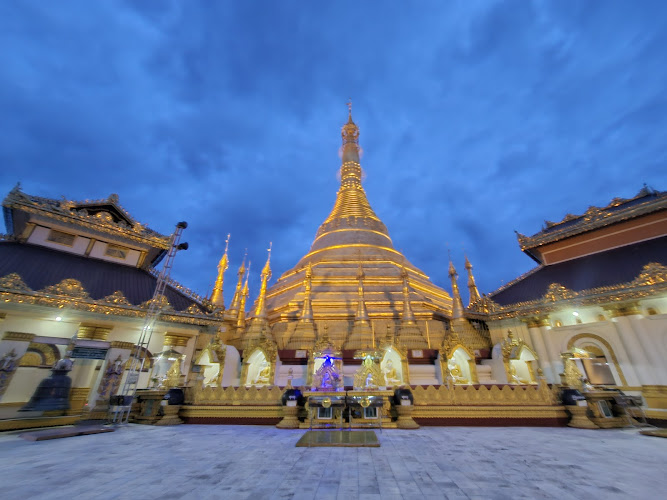
Kyaikthanlan Pagoda sits on a low hill and quietly watches over its surroundings, the kind of place that doesn’t shout for attention but somehow keeps it anyway. Travelers often come here expecting a quick look and end up lingering, shoes in hand, because the air feels different once the white and gold structures come into view. The pagoda is an active Buddhist temple and a tourist attraction at the same time, which means prayer bells, murmured chants, and the soft shuffle of visitors all mix together. It’s not polished to perfection, and honestly that’s part of the charm. There are cracks in the stone, uneven steps, and views that don’t feel staged. And yes, the sunsets from up here are the real deal. I still remember thinking I’d stay ten minutes and then losing track of time completely, watching the sky change colors like it had nowhere else to be.
Description
The main stupa of Kyaikthanlan Pagoda rises clean and white, capped with gold that catches the light in a way photos rarely get right. Around it, smaller shrines and statues create a loose circle, not perfectly symmetrical, but lived-in. This is not a museum-style temple where everything feels frozen. Monks pass by, locals come to pray, and travelers try to be respectful while also soaking it all in. And sometimes they forget and whisper too loudly, then smile apologetically. It happens.
What stands out most is the sense of openness. The hilltop location gives you wide views over the surrounding area, especially toward evening. Sunset here isn’t a marketed event, but it might as well be. The sky often fades from harsh afternoon light into softer tones, and the pagoda seems to glow from the inside out. On one visit, I sat near a family from out of town sharing snacks, and for a few minutes nobody spoke at all. That kind of shared silence is rare when traveling.
The grounds are generally clean, with basic amenities that make visiting easier than some older temples. Restrooms are available, and accessibility has clearly been considered. Wheelchair-friendly entrances, parking, and restrooms mean that more people can experience the place without stress. That might sound like a small thing, but if you’ve ever traveled with someone who needs those features, you know how big it actually is.
It’s fair to say the pagoda isn’t flawless. Some areas feel a bit worn, and on busy days the peaceful atmosphere can thin out. But those imperfections make it feel honest. This is a real religious site that happens to welcome travelers, not the other way around.
Key Features
- Hilltop setting with open views, especially memorable at sunset
- Large central stupa with smaller surrounding shrines
- Active Buddhist temple with daily worship and rituals
- Wheelchair accessible entrance, parking, and restroom facilities
- On-site restrooms, which is not always a given at pagodas
- Space for quiet reflection as well as casual wandering
- Clothing recycling option, a thoughtful touch that often goes unnoticed
Best Time to Visit
Late afternoon into early evening is the sweet spot. The heat eases off, the light softens, and the pagoda starts to show off a little. Sunset is the obvious draw, and for good reason. Watching the sky change while the pagoda slowly catches the last light of day is something that sticks with you. But if crowds aren’t your thing, early morning has its own rewards. The air feels fresher, monks move quietly through their routines, and there’s a calm that’s harder to find later on.
Season-wise, drier months make walking around easier and safer. During the rainy season, the steps can get slippery, and the views may be hidden behind heavy clouds. That said, I once visited on a slightly overcast day and found the mood almost cinematic, so it’s not a total loss. Just bring sensible shoes and a bit of patience.
Weekdays tend to be calmer than weekends. If your schedule is flexible, aim for a weekday visit and you’ll have more space to breathe. And think about timing around local religious holidays. Those days can be crowded, but they also offer a deeper look into local traditions if you’re comfortable navigating busy spaces.
How to Get There
Getting to Kyaikthanlan Pagoda is fairly straightforward, especially if you’re already staying in the nearby town or city. Most travelers use local taxis or ride-hailing services, which know the pagoda well enough that you don’t need to explain much. Just say the name and you’ll usually get a nod. For the more adventurous, renting a motorbike is an option, but be prepared for uneven roads and local traffic habits that follow their own logic.
Public transport can get you part of the way, followed by a short walk uphill. That final stretch is actually quite nice if the weather cooperates. And yes, it’s uphill, but manageable. If mobility is a concern, private transport is the better choice, and the good news is that parking at the site is accessible.
One small tip from experience: plan your return trip in advance if you’re staying for sunset. Taxis can be less frequent once it gets dark, and while walking back is possible, it’s nicer not to rush the moment.
Tips for Visiting
Dress modestly. It sounds obvious, but it’s worth repeating. Covered shoulders and knees are expected, and you’ll need to remove your shoes before entering certain areas. If you forget, you won’t be the first, and usually there’s a way to make it work, but planning ahead saves awkwardness.
Bring water, especially if you’re visiting during warmer months. There are restrooms on-site, which is a blessing, but don’t count on shops right at the pagoda. A small bottle in your bag goes a long way.
Be patient with crowds and with yourself. This is a shared space, used by locals for worship and by travelers for exploration. Sometimes those purposes clash a little. A smile and a step back usually fix things.
If you’re into photography, sunset offers dramatic shots, but remember to put the camera down at least once. I’ve made the mistake of viewing places only through a lens, and Kyaikthanlan Pagoda taught me to slow it down. The memory of the moment, oddly enough, lasts longer than the photo.
Finally, take time to walk around the less obvious corners. The main stupa gets all the attention, but smaller shrines and quiet benches offer moments of calm that many visitors miss. And who knows, you might end up sitting there longer than planned, watching the light fade and thinking, yeah, this was worth the trip.
Key Features
- Hilltop setting with open views, especially memorable at sunset
- Large central stupa with smaller surrounding shrines
- Active Buddhist temple with daily worship and rituals
- Wheelchair accessible entrance, parking, and restroom facilities
- On-site restrooms, which is not always a given at pagodas
- Space for quiet reflection as well as casual wandering
- Clothing recycling option, a thoughtful touch that often goes unnoticed
More Details
Updated January 1, 2026
Kyaikthanlan Pagoda sits on a low hill and quietly watches over its surroundings, the kind of place that doesn’t shout for attention but somehow keeps it anyway. Travelers often come here expecting a quick look and end up lingering, shoes in hand, because the air feels different once the white and gold structures come into view. The pagoda is an active Buddhist temple and a tourist attraction at the same time, which means prayer bells, murmured chants, and the soft shuffle of visitors all mix together. It’s not polished to perfection, and honestly that’s part of the charm. There are cracks in the stone, uneven steps, and views that don’t feel staged. And yes, the sunsets from up here are the real deal. I still remember thinking I’d stay ten minutes and then losing track of time completely, watching the sky change colors like it had nowhere else to be.
Table of Contents
Description
The main stupa of Kyaikthanlan Pagoda rises clean and white, capped with gold that catches the light in a way photos rarely get right. Around it, smaller shrines and statues create a loose circle, not perfectly symmetrical, but lived-in. This is not a museum-style temple where everything feels frozen. Monks pass by, locals come to pray, and travelers try to be respectful while also soaking it all in. And sometimes they forget and whisper too loudly, then smile apologetically. It happens.
What stands out most is the sense of openness. The hilltop location gives you wide views over the surrounding area, especially toward evening. Sunset here isn’t a marketed event, but it might as well be. The sky often fades from harsh afternoon light into softer tones, and the pagoda seems to glow from the inside out. On one visit, I sat near a family from out of town sharing snacks, and for a few minutes nobody spoke at all. That kind of shared silence is rare when traveling.
The grounds are generally clean, with basic amenities that make visiting easier than some older temples. Restrooms are available, and accessibility has clearly been considered. Wheelchair-friendly entrances, parking, and restrooms mean that more people can experience the place without stress. That might sound like a small thing, but if you’ve ever traveled with someone who needs those features, you know how big it actually is.
It’s fair to say the pagoda isn’t flawless. Some areas feel a bit worn, and on busy days the peaceful atmosphere can thin out. But those imperfections make it feel honest. This is a real religious site that happens to welcome travelers, not the other way around.
Key Features
- Hilltop setting with open views, especially memorable at sunset
- Large central stupa with smaller surrounding shrines
- Active Buddhist temple with daily worship and rituals
- Wheelchair accessible entrance, parking, and restroom facilities
- On-site restrooms, which is not always a given at pagodas
- Space for quiet reflection as well as casual wandering
- Clothing recycling option, a thoughtful touch that often goes unnoticed
Best Time to Visit
Late afternoon into early evening is the sweet spot. The heat eases off, the light softens, and the pagoda starts to show off a little. Sunset is the obvious draw, and for good reason. Watching the sky change while the pagoda slowly catches the last light of day is something that sticks with you. But if crowds aren’t your thing, early morning has its own rewards. The air feels fresher, monks move quietly through their routines, and there’s a calm that’s harder to find later on.
Season-wise, drier months make walking around easier and safer. During the rainy season, the steps can get slippery, and the views may be hidden behind heavy clouds. That said, I once visited on a slightly overcast day and found the mood almost cinematic, so it’s not a total loss. Just bring sensible shoes and a bit of patience.
Weekdays tend to be calmer than weekends. If your schedule is flexible, aim for a weekday visit and you’ll have more space to breathe. And think about timing around local religious holidays. Those days can be crowded, but they also offer a deeper look into local traditions if you’re comfortable navigating busy spaces.
How to Get There
Getting to Kyaikthanlan Pagoda is fairly straightforward, especially if you’re already staying in the nearby town or city. Most travelers use local taxis or ride-hailing services, which know the pagoda well enough that you don’t need to explain much. Just say the name and you’ll usually get a nod. For the more adventurous, renting a motorbike is an option, but be prepared for uneven roads and local traffic habits that follow their own logic.
Public transport can get you part of the way, followed by a short walk uphill. That final stretch is actually quite nice if the weather cooperates. And yes, it’s uphill, but manageable. If mobility is a concern, private transport is the better choice, and the good news is that parking at the site is accessible.
One small tip from experience: plan your return trip in advance if you’re staying for sunset. Taxis can be less frequent once it gets dark, and while walking back is possible, it’s nicer not to rush the moment.
Tips for Visiting
Dress modestly. It sounds obvious, but it’s worth repeating. Covered shoulders and knees are expected, and you’ll need to remove your shoes before entering certain areas. If you forget, you won’t be the first, and usually there’s a way to make it work, but planning ahead saves awkwardness.
Bring water, especially if you’re visiting during warmer months. There are restrooms on-site, which is a blessing, but don’t count on shops right at the pagoda. A small bottle in your bag goes a long way.
Be patient with crowds and with yourself. This is a shared space, used by locals for worship and by travelers for exploration. Sometimes those purposes clash a little. A smile and a step back usually fix things.
If you’re into photography, sunset offers dramatic shots, but remember to put the camera down at least once. I’ve made the mistake of viewing places only through a lens, and Kyaikthanlan Pagoda taught me to slow it down. The memory of the moment, oddly enough, lasts longer than the photo.
Finally, take time to walk around the less obvious corners. The main stupa gets all the attention, but smaller shrines and quiet benches offer moments of calm that many visitors miss. And who knows, you might end up sitting there longer than planned, watching the light fade and thinking, yeah, this was worth the trip.

Key Highlights
- Hilltop setting with open views, especially memorable at sunset
- Large central stupa with smaller surrounding shrines
- Active Buddhist temple with daily worship and rituals
- Wheelchair accessible entrance, parking, and restroom facilities
- On-site restrooms, which is not always a given at pagodas
- Space for quiet reflection as well as casual wandering
- Clothing recycling option, a thoughtful touch that often goes unnoticed
Location
Places to Stay Near Kyaikthanlan Pagoda
Find and Book a Tour
Explore More Travel Guides
No reviews found! Be the first to review!
Traveler Reviews for Kyaikthanlan Pagoda
There are no reviews yet. Be the first one to write one.
Have you visited Kyaikthanlan Pagoda? Help other travelers by sharing your review.
Find Accommodations Nearby
Recommended Tours & Activities
Visitor Reviews
There are no reviews yet. Be the first one to write one.
Share Your Experience
Have you visited Kyaikthanlan Pagoda? Help other travelers by leaving a review.