
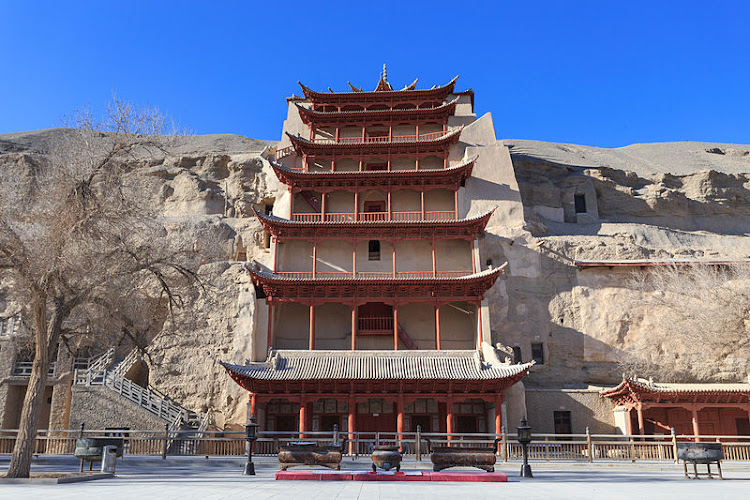
Mogao Caves
About Mogao Caves
Description
The Mogao Caves in Dunhuang, often called the Thousand Buddha Grottoes, are one of those rare places where time feels layered. Walking through the complex of 492 cave temples, you can almost sense the weight of centuries pressing in—art and devotion carved into stone from as early as the 4th century right up to the 14th. It’s not just about pretty murals or statues; it’s about standing at a crossroads where merchants, monks, and travelers once passed along the Silk Road, carrying stories, spices, and ideas that shaped cultures far beyond China.
Now, I’ll be honest—some travelers find the experience overwhelming, and not every cave is equally breathtaking. A few chambers are small or worn down, and you might catch yourself thinking, “Is that it?” But then you step into one of the larger halls with its towering painted Buddhas and intricate frescoes, and suddenly you’re floored. The artistry is staggering, the colors (though faded) still carry a kind of quiet fire, and the sheer scale of it all is humbling. It’s a place that doesn’t shout for your attention—it whispers, and you have to lean in to hear its story.
What makes the Mogao Caves special isn’t just the art, but the survival of it. Desert winds, centuries of shifting empires, even neglect—it’s remarkable these treasures are still here at all. And while preservation efforts mean that access is carefully managed (you can’t just wander into every cave you like), that control is what keeps the site alive for future generations. It’s a balance between tourism and conservation, and honestly, I think they’ve done a pretty good job.
Key Features
- Nearly 500 caves filled with Buddhist murals, sculptures, and manuscripts spanning 1,000 years of history
- Some caves house colossal statues of the Buddha, rising up to 35 meters tall
- Intricate wall paintings depicting everything from religious stories to daily life along the Silk Road
- The Library Cave (Cave 17), once sealed for centuries, revealed tens of thousands of manuscripts when rediscovered
- Guided tours that rotate access to different caves, protecting artwork from light and humidity damage
- On-site museum and digital exhibits for a deeper dive into the history and preservation work
- Wheelchair accessible entrance and parking, making the site more inclusive for visitors with mobility needs
Best Time to Visit
Timing matters here, both for comfort and experience. The Mogao Caves sit in the Gobi Desert, which means summers can get brutally hot—think scorching sun, dry winds, and that kind of heat that makes you question your life choices. Winters, on the other hand, are icy and sharp, though the desert skies are crystal clear. Personally, I’d say spring (April to June) and autumn (September to October) are the sweet spots. The weather is mild, the skies are often blue, and you won’t feel like you’re melting or freezing.
Crowds are another factor. During Chinese national holidays, especially Golden Week in October, the caves can feel packed. If you’re someone who prefers a little more breathing room (like me), aim for weekdays outside of peak travel seasons. Early morning tours also tend to be quieter, and the light slanting across the desert at that hour is something special.
How to Get There
Reaching the Mogao Caves is surprisingly straightforward given their remote desert setting. Most travelers start in Dunhuang city, which has its own small airport with flights from major Chinese cities like Beijing, Xi’an, and Lanzhou. There’s also a train station with connections across Gansu province and beyond. From Dunhuang, the caves are about a 25-minute drive southeast. Taxis, private cars, and organized tours are all options, though I’d recommend booking your entry tickets in advance since daily numbers are capped.
If you’re up for a bit of adventure, cycling from Dunhuang to the caves is doable and gives you a taste of the desert landscape along the way. Just bring water—it’s dry, and the sun doesn’t play around out here.
Tips for Visiting
Here’s where the practical advice comes in, mixed with a few lessons I learned the hard way:
- Book ahead: Entry tickets sell out quickly, especially in peak months. Reserve online before you even land in Dunhuang.
- Guided tours only: You can’t wander solo through the caves. Guides lead small groups, and honestly, it’s a blessing—they share details you’d never pick up on your own.
- No photography inside: It might be disappointing, but the ban protects fragile pigments from light damage. Take mental snapshots instead.
- Bring layers: Even in summer, the caves themselves are cool and dim. A light jacket can make a difference.
- Stay hydrated: The desert climate is dry, and you’ll feel it. Carry a water bottle, especially if you’re combining your visit with a hike in the surrounding area.
- Allow half a day: Between the caves, the museum, and transport, set aside at least four to five hours. Rushing through won’t do justice to the site.
- Travel with kids: The caves are surprisingly family-friendly. Kids often find the giant Buddhas fascinating, though you’ll want to prep them for the no-touching rule.
- Accessibility: For travelers with mobility needs, there are wheelchair-accessible entrances and parking. Not every cave is accessible, but the main highlights are reachable.
One last thing—don’t underestimate the emotional impact of the place. I thought I’d just be ticking off another UNESCO site, but standing in front of a thousand-year-old mural, realizing it survived sandstorms, wars, and time itself, I felt a kind of quiet awe. And that’s something no guidebook or blog (not even this one) can fully prepare you for. You just have to stand there and feel it.
Key Features
- Nearly 500 caves filled with Buddhist murals, sculptures, and manuscripts spanning 1,000 years of history
- Some caves house colossal statues of the Buddha, rising up to 35 meters tall
- Intricate wall paintings depicting everything from religious stories to daily life along the Silk Road
- The Library Cave (Cave 17), once sealed for centuries, revealed tens of thousands of manuscripts when rediscovered
- Guided tours that rotate access to different caves, protecting artwork from light and humidity damage
- On-site museum and digital exhibits for a deeper dive into the history and preservation work
- Wheelchair accessible entrance and parking, making the site more inclusive for visitors with mobility needs
More Details
Updated September 23, 2025
Table of Contents
Description
The Mogao Caves in Dunhuang, often called the Thousand Buddha Grottoes, are one of those rare places where time feels layered. Walking through the complex of 492 cave temples, you can almost sense the weight of centuries pressing in—art and devotion carved into stone from as early as the 4th century right up to the 14th. It’s not just about pretty murals or statues; it’s about standing at a crossroads where merchants, monks, and travelers once passed along the Silk Road, carrying stories, spices, and ideas that shaped cultures far beyond China.
Now, I’ll be honest—some travelers find the experience overwhelming, and not every cave is equally breathtaking. A few chambers are small or worn down, and you might catch yourself thinking, “Is that it?” But then you step into one of the larger halls with its towering painted Buddhas and intricate frescoes, and suddenly you’re floored. The artistry is staggering, the colors (though faded) still carry a kind of quiet fire, and the sheer scale of it all is humbling. It’s a place that doesn’t shout for your attention—it whispers, and you have to lean in to hear its story.
What makes the Mogao Caves special isn’t just the art, but the survival of it. Desert winds, centuries of shifting empires, even neglect—it’s remarkable these treasures are still here at all. And while preservation efforts mean that access is carefully managed (you can’t just wander into every cave you like), that control is what keeps the site alive for future generations. It’s a balance between tourism and conservation, and honestly, I think they’ve done a pretty good job.
Key Features
- Nearly 500 caves filled with Buddhist murals, sculptures, and manuscripts spanning 1,000 years of history
- Some caves house colossal statues of the Buddha, rising up to 35 meters tall
- Intricate wall paintings depicting everything from religious stories to daily life along the Silk Road
- The Library Cave (Cave 17), once sealed for centuries, revealed tens of thousands of manuscripts when rediscovered
- Guided tours that rotate access to different caves, protecting artwork from light and humidity damage
- On-site museum and digital exhibits for a deeper dive into the history and preservation work
- Wheelchair accessible entrance and parking, making the site more inclusive for visitors with mobility needs
Best Time to Visit
Timing matters here, both for comfort and experience. The Mogao Caves sit in the Gobi Desert, which means summers can get brutally hot—think scorching sun, dry winds, and that kind of heat that makes you question your life choices. Winters, on the other hand, are icy and sharp, though the desert skies are crystal clear. Personally, I’d say spring (April to June) and autumn (September to October) are the sweet spots. The weather is mild, the skies are often blue, and you won’t feel like you’re melting or freezing.
Crowds are another factor. During Chinese national holidays, especially Golden Week in October, the caves can feel packed. If you’re someone who prefers a little more breathing room (like me), aim for weekdays outside of peak travel seasons. Early morning tours also tend to be quieter, and the light slanting across the desert at that hour is something special.
How to Get There
Reaching the Mogao Caves is surprisingly straightforward given their remote desert setting. Most travelers start in Dunhuang city, which has its own small airport with flights from major Chinese cities like Beijing, Xi’an, and Lanzhou. There’s also a train station with connections across Gansu province and beyond. From Dunhuang, the caves are about a 25-minute drive southeast. Taxis, private cars, and organized tours are all options, though I’d recommend booking your entry tickets in advance since daily numbers are capped.
If you’re up for a bit of adventure, cycling from Dunhuang to the caves is doable and gives you a taste of the desert landscape along the way. Just bring water—it’s dry, and the sun doesn’t play around out here.
Tips for Visiting
Here’s where the practical advice comes in, mixed with a few lessons I learned the hard way:
- Book ahead: Entry tickets sell out quickly, especially in peak months. Reserve online before you even land in Dunhuang.
- Guided tours only: You can’t wander solo through the caves. Guides lead small groups, and honestly, it’s a blessing—they share details you’d never pick up on your own.
- No photography inside: It might be disappointing, but the ban protects fragile pigments from light damage. Take mental snapshots instead.
- Bring layers: Even in summer, the caves themselves are cool and dim. A light jacket can make a difference.
- Stay hydrated: The desert climate is dry, and you’ll feel it. Carry a water bottle, especially if you’re combining your visit with a hike in the surrounding area.
- Allow half a day: Between the caves, the museum, and transport, set aside at least four to five hours. Rushing through won’t do justice to the site.
- Travel with kids: The caves are surprisingly family-friendly. Kids often find the giant Buddhas fascinating, though you’ll want to prep them for the no-touching rule.
- Accessibility: For travelers with mobility needs, there are wheelchair-accessible entrances and parking. Not every cave is accessible, but the main highlights are reachable.
One last thing—don’t underestimate the emotional impact of the place. I thought I’d just be ticking off another UNESCO site, but standing in front of a thousand-year-old mural, realizing it survived sandstorms, wars, and time itself, I felt a kind of quiet awe. And that’s something no guidebook or blog (not even this one) can fully prepare you for. You just have to stand there and feel it.
Key Highlights
- Nearly 500 caves filled with Buddhist murals, sculptures, and manuscripts spanning 1,000 years of history
- Some caves house colossal statues of the Buddha, rising up to 35 meters tall
- Intricate wall paintings depicting everything from religious stories to daily life along the Silk Road
- The Library Cave (Cave 17), once sealed for centuries, revealed tens of thousands of manuscripts when rediscovered
- Guided tours that rotate access to different caves, protecting artwork from light and humidity damage
- On-site museum and digital exhibits for a deeper dive into the history and preservation work
- Wheelchair accessible entrance and parking, making the site more inclusive for visitors with mobility needs
Location
Places to Stay Near Mogao Caves
Find and Book a Tour
Explore More Travel Guides
No reviews found! Be the first to review!
Traveler Reviews for Mogao Caves
There are no reviews yet. Be the first one to write one.
Have you visited Mogao Caves? Help other travelers by sharing your review.
You Might Also Like
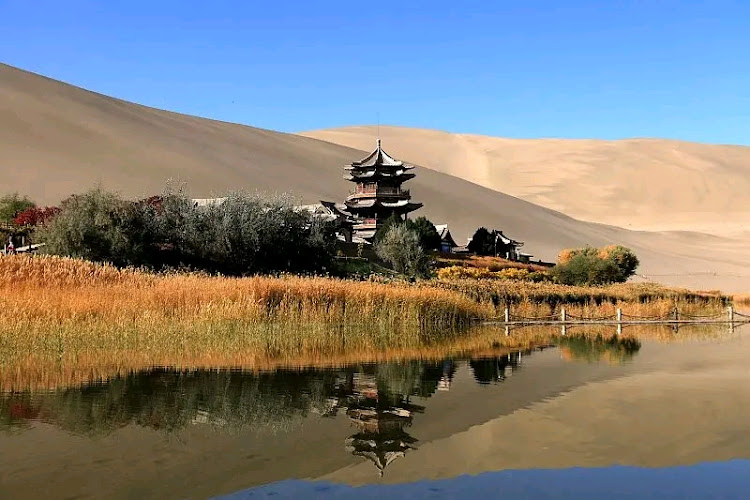
Mingsha Mountain and Crescent Moon Spring
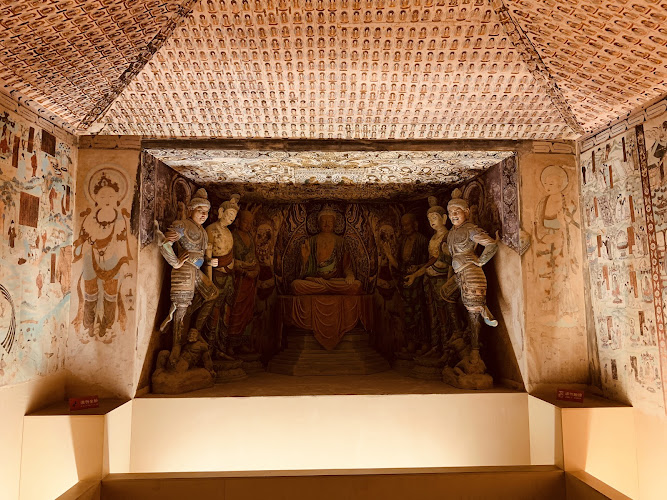
Dunhuang Museum
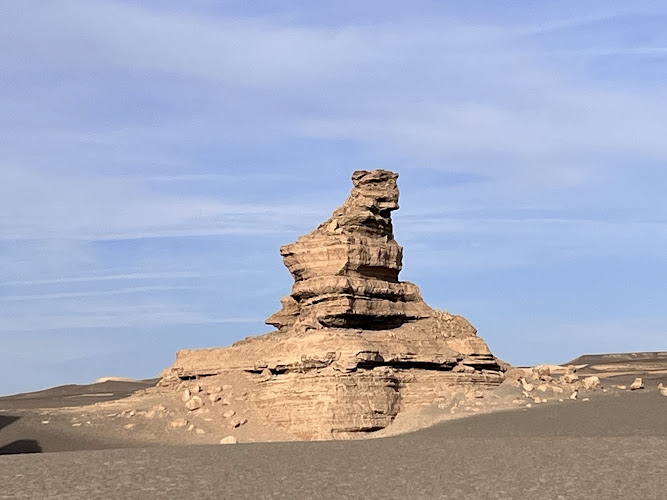
Geological Park Yadan Scenic Spot
Find Accommodations Nearby
Recommended Tours & Activities
Visitor Reviews
There are no reviews yet. Be the first one to write one.
Share Your Experience
Have you visited Mogao Caves? Help other travelers by leaving a review.