
Dunhuang Museum
About Dunhuang Museum
Description
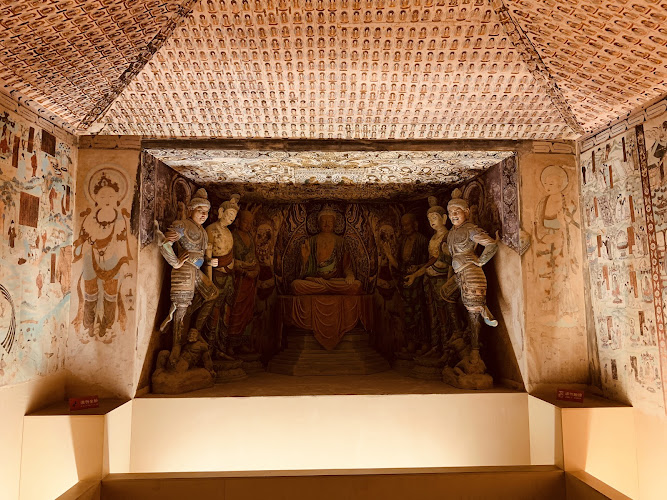
The Dunhuang Museum sits as a quietly authoritative hub for Silk Road history in Dunhuang, Jiuquan, Gansu, China. It presents local archaeology, regional art, and cultural narratives in a way that feels thoughtful rather than flashy. This is a place where murals, pottery shards, ancient coins, and carefully preserved textiles are arranged to tell the long story of desert travel, trade, and faith. Visitors will notice right away the museum's emphasis on context: objects are not just displayed, they are placed within tales of caravans, oasis towns, and the artists who painted worship spaces centuries ago.
Accessibility is clearly considered here. The entrance is wheelchair friendly, the parking areas include accessible spaces, and restrooms are designed for wheelchair users. For travelers who value dignity and ease, especially those with mobility challenges or elderly companions, these practical features make the museum feel welcoming. It’s not over-the-top inclusive design, but it covers the essentials—and that matters when one has been traipsing through dusty sites all morning.
There is no full-service restaurant on site, so plan accordingly. The museum does provide restrooms, seating areas, and spaces to pause and absorb. Families with children often appreciate the layout: exhibitions are broken into digestible sections, many displays include clear labeling and reproductions that kids can relate to. The museum is recommended for kids, though, fair warning, some of the more delicate artifacts are behind glass and the lighting is intentionally low in parts to protect pigments; keep little hands in check and everyone will have a richer experience.
Tickets are best bought in advance, particularly during high season when Dunhuang attracts international travelers and Chinese domestic tourists alike. Advance tickets reduce wait times and guarantee entry for timed exhibitions; the place can be surprisingly popular on weekends and national holidays. The museum also runs rotating exhibits and occasional special lectures—so checking the schedule before planning a visit is wise. But even with careful planning, spontaneity can be rewarded: sometimes a quiet weekday morning yields near-private views of key pieces, and the light in the galleries is oddly soothing, like a small desert dawn.
What sets this museum apart from some larger, more metropolitan institutions is its local focus and the way it frames Dunhuang as both a crossroads and a maker of culture. There are fewer blockbuster sweeping showpieces meant to dazzle at first glance and more objects that gain meaning the longer one looks. A faded wall painting fragment will quietly reveal the brushwork, and a simple clay figurine will suggest a trade route habit or a family ritual. For travelers chasing authenticity rather than spectacle, that is a big plus.
Less commonly known is the museum’s involvement in conservation and research. Behind several galleries, conservation labs and document rooms support ongoing preservation efforts. Visitors who pay attention might catch glimpses of conservators at work through viewing windows or read about recent restoration projects in display panels. That sense of active care gives the museum a living quality; it feels more like a workshop of memory than a static cabinet of curiosities. For those who enjoy the technical side of heritage work—how pigments are stabilized, how murals are transferred—this is quietly rewarding.
Audio guides and multilingual signage are often available, though availability may vary by season. Labels are generally concise and useful. And despite being an educational institution, the tone of information is usually approachable; it tries not to overburden the casual visitor. Many travelers report that the exhibitions help them understand why Dunhuang mattered historically—why caravans chose this route, how religions and artistic styles mingled, and what daily life may have looked like for a caravan leader or a pilgrim on the way to a distant temple.
Time-wise, plan on spending about one and a half to two hours for a focused visit, and up to half a day if one wants to take in rotating exhibits, watch museum films, and spend a relaxed hour in the reading or display areas. Some visitors race through in forty-five minutes, but that’s a pity; the gallery text rewards slow reading. The layout encourages a linear walkthrough of topics, but there are spaces for lingering and reflection, which can turn a museum stop into one of the more memorable parts of a Dunhuang itinerary.
The museum is not a replacement for the region’s more famous cave shrines, yet it serves as an excellent primer. For many travelers, the museum provides context that greatly enhances the experience of visiting local sites. Seeing artifacts and explanatory material here primes the imagination—suddenly the caves' mural fragments and monumental Buddhas encountered in the field make sense in new ways. In short: it’s a perfect prelude or coda to explorations of the surrounding heritage landscape.
Practical details that matter: photography policies can be strict in certain galleries—flash and tripods are usually banned to protect pigments—so check signage and staff instructions. The museum does a solid job of balancing preservation needs with visitor curiosity; expect open exhibit cases, controlled lighting, and courteous staff who will answer questions when asked. There’s a modest gift area that sells postcards, guidebooks, and reproduction prints; it’s handy for last-minute souvenirs but do not expect a large, high-end museum shop.
Visitors often comment on the museum’s atmosphere: calm, methodical, and a little austere. That suits the subject matter. And yet the space avoids being cold or clinical—there’s a human warmth in the storytelling that pulls objects into narrative. It’s easy to imagine caravan leaders counting coins under a tent, or local artisans mixing pigments in low light, when reading the panels and examining the implements on display. Those narrative threads are what turn a collection into an experience.
For the curious traveler who likes deeper dives, the museum occasionally hosts short talks or displays featuring recent archaeological digs. These mini-events can be gems: a conservator might demonstrate pigment analysis, or a researcher might outline a new interpretation of a trade pattern. Such moments are small, but they add up; they transform the museum from a place that shows objects into one that creates understanding.
There are a few small drawbacks to note, candidly. The absence of an on-site restaurant means most visitors will need to factor in dining before or after the visit. Rest stops and cafés exist in nearby areas, but walkers should plan. Also, while the museum is designed with accessibility in mind, some older auxiliary buildings and adjacent sites around Dunhuang may not be as easy for mobility-impaired visitors; think of the museum as a well-prepared oasis rather than a guarantee for every corner of the region.
Overall, the Dunhuang Museum is a smart, quietly impressive stop for travelers who want orientation and depth. It rewards patience, curiosity, and a willingness to read and reflect. For families, history students, and casual tourists alike, it functions as a cultural compass—clearing up the hows and whys before stepping out into the sun and the sand to see the real archaeological landscapes that made Dunhuang famous.
One little anecdote that tends to float around among frequent visitors: a young family once arrived late because their bus was delayed, and instead of feeling rushed they found a docent willing to arrange a short, focused tour of highlights. The kids came away thrilled by a life-size reproduction of a caravan scene, and the parents appreciated the extra context. Small moments like that—human flexibility in the face of travel messiness—speak louder than a brochure headline. It’s those interactions that make the museum feel like part of the travel story rather than just a stop on a checklist.
In short, for anyone plotting a trip through Gansu province and stopping in Dunhuang, adding the museum to an itinerary is sensible and satisfying. It’s an accessible, well-curated anchor that will help visitors make better sense of the region’s caves, relics, and desert history. Expect to learn, to linger, and to leave with a deeper curiosity about the Silk Road’s many routes and voices.
Key Features
More Details
Updated August 30, 2025
Table of Contents
Description
The Dunhuang Museum sits as a quietly authoritative hub for Silk Road history in Dunhuang, Jiuquan, Gansu, China. It presents local archaeology, regional art, and cultural narratives in a way that feels thoughtful rather than flashy. This is a place where murals, pottery shards, ancient coins, and carefully preserved textiles are arranged to tell the long story of desert travel, trade, and faith. Visitors will notice right away the museum’s emphasis on context: objects are not just displayed, they are placed within tales of caravans, oasis towns, and the artists who painted worship spaces centuries ago.
Accessibility is clearly considered here. The entrance is wheelchair friendly, the parking areas include accessible spaces, and restrooms are designed for wheelchair users. For travelers who value dignity and ease, especially those with mobility challenges or elderly companions, these practical features make the museum feel welcoming. It’s not over-the-top inclusive design, but it covers the essentials—and that matters when one has been traipsing through dusty sites all morning.
There is no full-service restaurant on site, so plan accordingly. The museum does provide restrooms, seating areas, and spaces to pause and absorb. Families with children often appreciate the layout: exhibitions are broken into digestible sections, many displays include clear labeling and reproductions that kids can relate to. The museum is recommended for kids, though, fair warning, some of the more delicate artifacts are behind glass and the lighting is intentionally low in parts to protect pigments; keep little hands in check and everyone will have a richer experience.
Tickets are best bought in advance, particularly during high season when Dunhuang attracts international travelers and Chinese domestic tourists alike. Advance tickets reduce wait times and guarantee entry for timed exhibitions; the place can be surprisingly popular on weekends and national holidays. The museum also runs rotating exhibits and occasional special lectures—so checking the schedule before planning a visit is wise. But even with careful planning, spontaneity can be rewarded: sometimes a quiet weekday morning yields near-private views of key pieces, and the light in the galleries is oddly soothing, like a small desert dawn.
What sets this museum apart from some larger, more metropolitan institutions is its local focus and the way it frames Dunhuang as both a crossroads and a maker of culture. There are fewer blockbuster sweeping showpieces meant to dazzle at first glance and more objects that gain meaning the longer one looks. A faded wall painting fragment will quietly reveal the brushwork, and a simple clay figurine will suggest a trade route habit or a family ritual. For travelers chasing authenticity rather than spectacle, that is a big plus.
Less commonly known is the museum’s involvement in conservation and research. Behind several galleries, conservation labs and document rooms support ongoing preservation efforts. Visitors who pay attention might catch glimpses of conservators at work through viewing windows or read about recent restoration projects in display panels. That sense of active care gives the museum a living quality; it feels more like a workshop of memory than a static cabinet of curiosities. For those who enjoy the technical side of heritage work—how pigments are stabilized, how murals are transferred—this is quietly rewarding.
Audio guides and multilingual signage are often available, though availability may vary by season. Labels are generally concise and useful. And despite being an educational institution, the tone of information is usually approachable; it tries not to overburden the casual visitor. Many travelers report that the exhibitions help them understand why Dunhuang mattered historically—why caravans chose this route, how religions and artistic styles mingled, and what daily life may have looked like for a caravan leader or a pilgrim on the way to a distant temple.
Time-wise, plan on spending about one and a half to two hours for a focused visit, and up to half a day if one wants to take in rotating exhibits, watch museum films, and spend a relaxed hour in the reading or display areas. Some visitors race through in forty-five minutes, but that’s a pity; the gallery text rewards slow reading. The layout encourages a linear walkthrough of topics, but there are spaces for lingering and reflection, which can turn a museum stop into one of the more memorable parts of a Dunhuang itinerary.
The museum is not a replacement for the region’s more famous cave shrines, yet it serves as an excellent primer. For many travelers, the museum provides context that greatly enhances the experience of visiting local sites. Seeing artifacts and explanatory material here primes the imagination—suddenly the caves’ mural fragments and monumental Buddhas encountered in the field make sense in new ways. In short: it’s a perfect prelude or coda to explorations of the surrounding heritage landscape.
Practical details that matter: photography policies can be strict in certain galleries—flash and tripods are usually banned to protect pigments—so check signage and staff instructions. The museum does a solid job of balancing preservation needs with visitor curiosity; expect open exhibit cases, controlled lighting, and courteous staff who will answer questions when asked. There’s a modest gift area that sells postcards, guidebooks, and reproduction prints; it’s handy for last-minute souvenirs but do not expect a large, high-end museum shop.
Visitors often comment on the museum’s atmosphere: calm, methodical, and a little austere. That suits the subject matter. And yet the space avoids being cold or clinical—there’s a human warmth in the storytelling that pulls objects into narrative. It’s easy to imagine caravan leaders counting coins under a tent, or local artisans mixing pigments in low light, when reading the panels and examining the implements on display. Those narrative threads are what turn a collection into an experience.
For the curious traveler who likes deeper dives, the museum occasionally hosts short talks or displays featuring recent archaeological digs. These mini-events can be gems: a conservator might demonstrate pigment analysis, or a researcher might outline a new interpretation of a trade pattern. Such moments are small, but they add up; they transform the museum from a place that shows objects into one that creates understanding.
There are a few small drawbacks to note, candidly. The absence of an on-site restaurant means most visitors will need to factor in dining before or after the visit. Rest stops and cafés exist in nearby areas, but walkers should plan. Also, while the museum is designed with accessibility in mind, some older auxiliary buildings and adjacent sites around Dunhuang may not be as easy for mobility-impaired visitors; think of the museum as a well-prepared oasis rather than a guarantee for every corner of the region.
Overall, the Dunhuang Museum is a smart, quietly impressive stop for travelers who want orientation and depth. It rewards patience, curiosity, and a willingness to read and reflect. For families, history students, and casual tourists alike, it functions as a cultural compass—clearing up the hows and whys before stepping out into the sun and the sand to see the real archaeological landscapes that made Dunhuang famous.
One little anecdote that tends to float around among frequent visitors: a young family once arrived late because their bus was delayed, and instead of feeling rushed they found a docent willing to arrange a short, focused tour of highlights. The kids came away thrilled by a life-size reproduction of a caravan scene, and the parents appreciated the extra context. Small moments like that—human flexibility in the face of travel messiness—speak louder than a brochure headline. It’s those interactions that make the museum feel like part of the travel story rather than just a stop on a checklist.
In short, for anyone plotting a trip through Gansu province and stopping in Dunhuang, adding the museum to an itinerary is sensible and satisfying. It’s an accessible, well-curated anchor that will help visitors make better sense of the region’s caves, relics, and desert history. Expect to learn, to linger, and to leave with a deeper curiosity about the Silk Road’s many routes and voices.
Key Highlights
Dunhuang Museum
Location
Places to Stay Near Dunhuang Museum
Find and Book a Tour
Explore More Travel Guides
No reviews found! Be the first to review!
Traveler Reviews for Dunhuang Museum
There are no reviews yet. Be the first one to write one.
Have you visited Dunhuang Museum? Help other travelers by sharing your review.
You Might Also Like
Silk Road Int'l. Cultural Expo
Dunhuang Park (Northwest Gate)
Yangguan Museum
Find Accommodations Nearby
Recommended Tours & Activities
Visitor Reviews
There are no reviews yet. Be the first one to write one.
Share Your Experience
Have you visited Dunhuang Museum? Help other travelers by leaving a review.