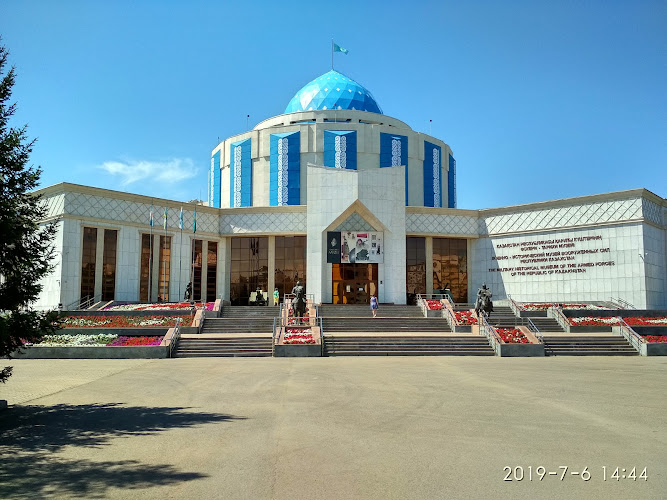
Military Historical Museum of the Armed Forces of the Republic of Kazakhstan
About Military Historical Museum of the Armed Forces of the Republic of Kazakhstan
Description
There’s something quietly powerful about walking through the Military Historical Museum of the Armed Forces of the Republic of Kazakhstan. It’s not just a museum—it’s a story told through steel, fabric, and memory. The place feels alive with history, from the clang of ancient armor to the sleek lines of modern aircraft models. Every corner whispers tales of courage, sacrifice, and the evolution of a nation’s defense. And while some visitors might find it a bit smaller than expected, it’s the kind of museum that rewards those who take their time, who stop to really look at the details—the medals, the faded photographs, the handwritten notes beside the exhibits.
The museum’s exhibitions trace Kazakhstan’s military history from ancient tribal warriors to the modern armed forces. You’ll find everything from medieval swords and chainmail to Soviet-era uniforms and contemporary weapons. It’s fascinating how these displays connect the dots between centuries of conflict and resilience. The curators clearly take pride in their work, and it shows in the careful arrangement of each artifact. The “Wall of Memory” is particularly moving—it projects the names of heroes who earned the highest honors, a solemn reminder of the human cost of war. I’ll admit, I stood there longer than I expected, just reading and thinking.
What’s also nice is that the museum is bright and well-organized. It’s not overwhelming, which makes it great for families or anyone who wants to learn without feeling rushed. And yes, it’s fully accessible—wheelchair users can easily navigate the space, and there are restrooms available. It’s one of those rare places that manages to be both educational and emotionally stirring. You leave with a deeper appreciation for Kazakhstan’s story—not just the battles, but the people behind them.
Key Features
- Extensive artifact collection: Over 6,000 exhibits, including ancient weapons, military uniforms, and modern equipment.
- Wall of Memory: A digital installation honoring national heroes, including recipients of the “People’s Hero” award and the Orders of Glory.
- Modern displays: Interactive exhibits and multimedia presentations that bring military history to life.
- Aircraft and armored vehicles: Displays of real military equipment such as MiG cockpits and anti-aircraft systems.
- Educational halls: Separate sections dedicated to Kazakhstan’s air defense, naval, and ground forces.
- Family-friendly environment: Great for kids who enjoy history or technology—many exhibits are visually engaging.
- Accessibility: Wheelchair-accessible entrances, restrooms, and parking make it easy for everyone to visit.
I’ve been to a fair number of military museums around the world, and what sets this one apart is its sense of purpose. It doesn’t just display artifacts—it tells a national story that’s still unfolding. You can see how Kazakhstan’s armed forces have grown, adapted, and modernized over time. And even if you’re not a history buff, there’s something undeniably cool about standing next to a MiG cockpit or seeing the intricate craftsmanship of centuries-old armor up close.
Best Time to Visit
Honestly, you can visit the museum year-round, but I’d say spring and autumn are the sweet spots. The weather in Astana can be extreme—scorching in summer and bitterly cold in winter—so those milder months make for a more comfortable trip overall. Plus, the city tends to be a bit quieter then, which means you can take your time exploring without crowds pressing in. If you’re into photography (and who isn’t these days?), the natural light filtering through the museum’s large windows in the afternoon is perfect for capturing those moody, cinematic shots of the exhibits.
During national holidays, especially Defender of the Fatherland Day or Victory Day, the museum often hosts special events or temporary exhibitions. It’s worth checking the schedule ahead of time because those days bring a certain energy—veterans, school groups, and locals all gathering to celebrate and remember. It’s quite moving, actually, seeing generations connect over shared history.
How to Get There
Reaching the museum is easy enough if you’re already in Astana. Most visitors take a taxi or use a rideshare app—it’s quick, affordable, and drops you right at the main entrance. Public transport is also an option, with several bus routes stopping nearby. If you’re staying in the city center, you can even walk there in about 20 to 30 minutes, depending on your pace. The walk itself isn’t bad; it gives you a chance to see some of Astana’s striking architecture along the way. Just remember, the city can get windy (seriously, hold onto your hat), so dress accordingly.
For those driving, there’s accessible parking available, which is a relief if you’re traveling with family or have mobility needs. The museum is located in a prominent area, so you won’t have trouble finding it—its modern facade and military-themed sculptures make it stand out from a distance.
Tips for Visiting
Here’s the thing—I’ve learned that a little planning goes a long way when visiting museums like this. So, here are a few personal tips to make your visit smoother and more enjoyable:
- Go early in the day. The museum opens in the morning, and that’s when it’s quietest. You’ll have space to wander and linger at exhibits without feeling rushed.
- Take your time. Don’t just breeze through the halls. Some of the smaller displays—like the personal letters or medals—are easy to miss but tell the most powerful stories.
- Bring a light jacket. The temperature inside is comfortable, but Astana’s weather can change fast. I’ve made the mistake of leaving my coat behind more than once.
- Ask questions. The staff are friendly and knowledgeable. If you’re curious about a particular artifact, they’re happy to share details that aren’t written on the plaques.
- Plan for about 1–2 hours. That’s enough time to see everything without feeling rushed. If you’re really into military history, you might stay longer.
- Photography is allowed (usually). Just be respectful—avoid flash near sensitive displays. Some of the lighting in the museum is designed to protect older items.
- Great for families. Kids often enjoy the tanks and aircraft displays, and it’s a good way to introduce them to history in a hands-on way.
One thing I really appreciate about this museum is how it balances solemnity with curiosity. You can feel the weight of history, but it doesn’t feel heavy. It’s more about pride and remembrance than sadness. And even if you’re not particularly into military stuff, it’s still an eye-opening look at Kazakhstan’s past and present. You get a sense of how the country’s identity has been shaped not just by conflict, but by resilience and unity.
Before you leave, take a moment outside. The area around the museum is peaceful, and the view of the city skyline is worth a few minutes of quiet reflection. There’s something grounding about standing there, surrounded by symbols of both history and modernity. It’s one of those places that sticks with you—not just because of what you saw, but because of what you felt while you were there.
So, if you find yourself in Astana and want to experience a piece of Kazakhstan’s soul, this museum is a must. It’s not flashy or overwhelming, but it’s real. And in a world of fast travel and fleeting moments, that kind of authenticity is worth slowing down for.
Key Features
- Key Features
- Best Time to Visit
- How to Get There
- Tips for Visiting
More Details
Updated October 10, 2025
Table of Contents
- Description
- Key Features
- Best Time to Visit
- How to Get There
- Tips for Visiting
- Key Highlights
- Location
- Places to Stay Near Military Historical Museum of the Armed Forces of the Republic of Kazakhstan
- Find and Book a Tour
- Explore More Travel Guides
- Nearby Places You Might Like
- Traveler Reviews for Military Historical Museum of the Armed Forces of the Republic of Kazakhstan
- Share Your Experience
Description
There’s something quietly powerful about walking through the Military Historical Museum of the Armed Forces of the Republic of Kazakhstan. It’s not just a museum—it’s a story told through steel, fabric, and memory. The place feels alive with history, from the clang of ancient armor to the sleek lines of modern aircraft models. Every corner whispers tales of courage, sacrifice, and the evolution of a nation’s defense. And while some visitors might find it a bit smaller than expected, it’s the kind of museum that rewards those who take their time, who stop to really look at the details—the medals, the faded photographs, the handwritten notes beside the exhibits.
The museum’s exhibitions trace Kazakhstan’s military history from ancient tribal warriors to the modern armed forces. You’ll find everything from medieval swords and chainmail to Soviet-era uniforms and contemporary weapons. It’s fascinating how these displays connect the dots between centuries of conflict and resilience. The curators clearly take pride in their work, and it shows in the careful arrangement of each artifact. The “Wall of Memory” is particularly moving—it projects the names of heroes who earned the highest honors, a solemn reminder of the human cost of war. I’ll admit, I stood there longer than I expected, just reading and thinking.
What’s also nice is that the museum is bright and well-organized. It’s not overwhelming, which makes it great for families or anyone who wants to learn without feeling rushed. And yes, it’s fully accessible—wheelchair users can easily navigate the space, and there are restrooms available. It’s one of those rare places that manages to be both educational and emotionally stirring. You leave with a deeper appreciation for Kazakhstan’s story—not just the battles, but the people behind them.
Key Features
- Extensive artifact collection: Over 6,000 exhibits, including ancient weapons, military uniforms, and modern equipment.
- Wall of Memory: A digital installation honoring national heroes, including recipients of the “People’s Hero” award and the Orders of Glory.
- Modern displays: Interactive exhibits and multimedia presentations that bring military history to life.
- Aircraft and armored vehicles: Displays of real military equipment such as MiG cockpits and anti-aircraft systems.
- Educational halls: Separate sections dedicated to Kazakhstan’s air defense, naval, and ground forces.
- Family-friendly environment: Great for kids who enjoy history or technology—many exhibits are visually engaging.
- Accessibility: Wheelchair-accessible entrances, restrooms, and parking make it easy for everyone to visit.
I’ve been to a fair number of military museums around the world, and what sets this one apart is its sense of purpose. It doesn’t just display artifacts—it tells a national story that’s still unfolding. You can see how Kazakhstan’s armed forces have grown, adapted, and modernized over time. And even if you’re not a history buff, there’s something undeniably cool about standing next to a MiG cockpit or seeing the intricate craftsmanship of centuries-old armor up close.
Best Time to Visit
Honestly, you can visit the museum year-round, but I’d say spring and autumn are the sweet spots. The weather in Astana can be extreme—scorching in summer and bitterly cold in winter—so those milder months make for a more comfortable trip overall. Plus, the city tends to be a bit quieter then, which means you can take your time exploring without crowds pressing in. If you’re into photography (and who isn’t these days?), the natural light filtering through the museum’s large windows in the afternoon is perfect for capturing those moody, cinematic shots of the exhibits.
During national holidays, especially Defender of the Fatherland Day or Victory Day, the museum often hosts special events or temporary exhibitions. It’s worth checking the schedule ahead of time because those days bring a certain energy—veterans, school groups, and locals all gathering to celebrate and remember. It’s quite moving, actually, seeing generations connect over shared history.
How to Get There
Reaching the museum is easy enough if you’re already in Astana. Most visitors take a taxi or use a rideshare app—it’s quick, affordable, and drops you right at the main entrance. Public transport is also an option, with several bus routes stopping nearby. If you’re staying in the city center, you can even walk there in about 20 to 30 minutes, depending on your pace. The walk itself isn’t bad; it gives you a chance to see some of Astana’s striking architecture along the way. Just remember, the city can get windy (seriously, hold onto your hat), so dress accordingly.
For those driving, there’s accessible parking available, which is a relief if you’re traveling with family or have mobility needs. The museum is located in a prominent area, so you won’t have trouble finding it—its modern facade and military-themed sculptures make it stand out from a distance.
Tips for Visiting
Here’s the thing—I’ve learned that a little planning goes a long way when visiting museums like this. So, here are a few personal tips to make your visit smoother and more enjoyable:
- Go early in the day. The museum opens in the morning, and that’s when it’s quietest. You’ll have space to wander and linger at exhibits without feeling rushed.
- Take your time. Don’t just breeze through the halls. Some of the smaller displays—like the personal letters or medals—are easy to miss but tell the most powerful stories.
- Bring a light jacket. The temperature inside is comfortable, but Astana’s weather can change fast. I’ve made the mistake of leaving my coat behind more than once.
- Ask questions. The staff are friendly and knowledgeable. If you’re curious about a particular artifact, they’re happy to share details that aren’t written on the plaques.
- Plan for about 1–2 hours. That’s enough time to see everything without feeling rushed. If you’re really into military history, you might stay longer.
- Photography is allowed (usually). Just be respectful—avoid flash near sensitive displays. Some of the lighting in the museum is designed to protect older items.
- Great for families. Kids often enjoy the tanks and aircraft displays, and it’s a good way to introduce them to history in a hands-on way.
One thing I really appreciate about this museum is how it balances solemnity with curiosity. You can feel the weight of history, but it doesn’t feel heavy. It’s more about pride and remembrance than sadness. And even if you’re not particularly into military stuff, it’s still an eye-opening look at Kazakhstan’s past and present. You get a sense of how the country’s identity has been shaped not just by conflict, but by resilience and unity.
Before you leave, take a moment outside. The area around the museum is peaceful, and the view of the city skyline is worth a few minutes of quiet reflection. There’s something grounding about standing there, surrounded by symbols of both history and modernity. It’s one of those places that sticks with you—not just because of what you saw, but because of what you felt while you were there.
So, if you find yourself in Astana and want to experience a piece of Kazakhstan’s soul, this museum is a must. It’s not flashy or overwhelming, but it’s real. And in a world of fast travel and fleeting moments, that kind of authenticity is worth slowing down for.

Key Highlights
- Key Features
- Best Time to Visit
- How to Get There
- Tips for Visiting
Location
Places to Stay Near Military Historical Museum of the Armed Forces of the Republic of Kazakhstan
Find and Book a Tour
Explore More Travel Guides
No reviews found! Be the first to review!
Traveler Reviews for Military Historical Museum of the Armed Forces of the Republic of Kazakhstan
There are no reviews yet. Be the first one to write one.
Have you visited Military Historical Museum of the Armed Forces of the Republic of Kazakhstan? Help other travelers by sharing your review.
Find Accommodations Nearby
Recommended Tours & Activities
Visitor Reviews
There are no reviews yet. Be the first one to write one.
Share Your Experience
Have you visited Military Historical Museum of the Armed Forces of the Republic of Kazakhstan? Help other travelers by leaving a review.