About Saken Seifullin Museum

Description

The Saken Seifullin Museum in Astana feels like stepping into a storybook of Kazakhstan’s literary and cultural past. It’s not one of those flashy, modern museums with digital screens everywhere — instead, it’s got a quiet charm that makes you slow down and actually feel the history around you. The museum is dedicated to Saken Seifullin, one of Kazakhstan’s most influential writers, poets, and political figures — a man whose life was as dramatic as the times he lived in. Walking through the museum, you get a sense of his deep passion for his country and his people, and honestly, it’s kind of moving.

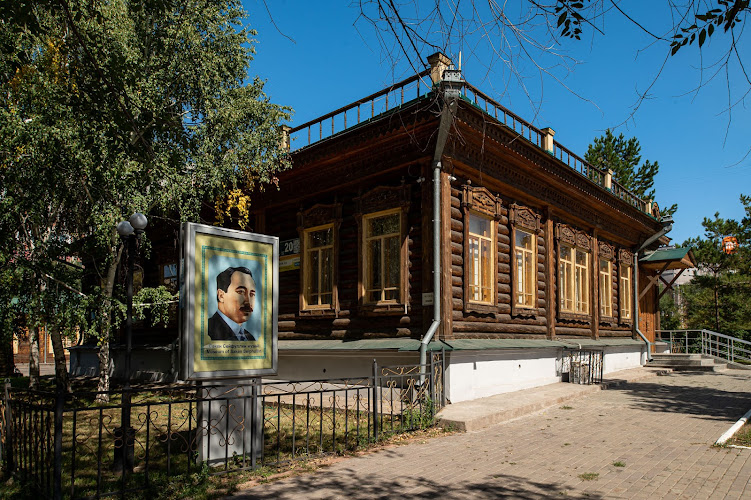
The museum is housed in a traditional wooden building, and the moment you step inside, you’re greeted by that distinct scent of old books and polished wood. It’s cozy, almost homey, which makes sense because it’s not just about showcasing artifacts — it’s about telling the story of a man who shaped Kazakhstan’s cultural identity. The exhibits include personal belongings, manuscripts, letters, and photographs that piece together Seifullin’s life from his early days to his political struggles. You can almost imagine him sitting at his desk, scribbling ideas that would later become part of the nation’s literary legacy.

What’s interesting is that the museum doesn’t shy away from the darker chapters of history. It touches on Seifullin’s imprisonment and tragic end, which gives the whole experience a kind of emotional weight. But it’s not all somber — there’s pride here too. Pride in his courage, his intellect, and his lasting influence. For travelers who enjoy cultural depth and storytelling, this place offers a meaningful glimpse into Kazakhstan’s soul.

I remember visiting on a chilly afternoon, and a kind guide — who was clearly passionate about Seifullin’s work — shared anecdotes that made the exhibits come alive. That personal touch made all the difference. It’s not the biggest museum in the city, and yes, some displays could use a bit of modernization, but that’s part of its charm. It feels genuine. You leave with a sense that you’ve connected with a real piece of history, not just seen it through glass.

Key Features

  • Extensive collection of over 5,000 items, including personal belongings, manuscripts, and rare photographs of Saken Seifullin and his family
  • Authentic early 20th-century architecture, offering a glimpse into Kazakhstan’s cultural heritage
  • Guided tours available in multiple languages, often led by knowledgeable local historians
  • Interactive exhibits that explore Seifullin’s literary contributions and political journey
  • Restrooms on-site for visitor convenience
  • Family-friendly environment, making it suitable for children and school groups
  • Quiet, reflective atmosphere ideal for those who appreciate literature, art, and history

Best Time to Visit

If you ask me, the best time to visit the Saken Seifullin Museum is during the spring or early autumn months. The weather in Astana can be pretty extreme — freezing winters and hot summers — so these shoulder seasons make walking around the city much more pleasant. In spring, the streets start to come alive again after the long winter, and there’s something poetic about exploring a literary museum when everything outside feels like it’s coming back to life.

Autumn, on the other hand, gives the museum an entirely different vibe. The golden leaves and crisp air somehow make the experience more nostalgic. It’s also less crowded during these times, which means you can take your time reading the exhibit descriptions and soaking in the atmosphere without feeling rushed.

If you’re lucky, you might even catch a local cultural event or a small exhibition dedicated to Seifullin’s works — they occasionally organize these around his birthday or national holidays. And if you’re visiting in winter, just be prepared for the cold; the museum itself is warm and cozy, but you’ll definitely want a good coat for the walk there.

How to Get There

Getting to the Saken Seifullin Museum is pretty straightforward once you’re in Astana. The city’s public transport system is reliable, with several bus routes stopping near the museum area. If you’re staying in the city center, a short taxi ride will get you there in about ten minutes. And honestly, taxis in Astana are quite affordable compared to other capitals — plus, most drivers are friendly and familiar with the museum’s location.

For those who prefer walking, it’s a pleasant stroll from some of the nearby landmarks. The streets around the museum are peaceful, lined with old buildings and local shops that give you a sense of the city’s quieter side. If you’re using a navigation app, make sure to double-check the address spelling — I learned that the hard way when I took a wrong turn and ended up at a completely different museum!

If you’re visiting as part of a guided city tour, the museum is often included in cultural itineraries, especially those focusing on Astana’s literary and historical sites. That’s a great option if you want context and commentary from a local expert who can share stories you might not find in guidebooks.

Tips for Visiting

Here’s where a little insider advice can go a long way. First off, plan to spend at least an hour here — it’s not huge, but there’s a lot to read and absorb. If you’re the kind of traveler who likes to linger over details (like me), you might even want to budget closer to two hours.

The museum staff are incredibly friendly, though not all of them speak fluent English. Still, they go out of their way to help, and a smile or a few words in Kazakh or Russian (even if you butcher them a bit) go a long way. If you can, join a guided tour — it really adds depth to the experience.

Photography is usually allowed, but be respectful about flash use, especially near older documents or photographs. And since there’s no on-site café or restaurant, it’s smart to grab a coffee or snack before you go. There’s a small restroom available, which is handy, especially if you’re traveling with kids.

One thing I always tell fellow travelers: don’t rush this one. It’s not a “check-the-box” attraction. It’s a place to slow down, reflect, and maybe even feel inspired. Bring a notebook if you’re into journaling — you might find yourself jotting down a few thoughts or quotes after reading about Seifullin’s life.

Lastly, if you’re traveling with children, this museum is surprisingly good for them. The exhibits are visually engaging, and the staff often tailor their explanations to younger visitors. It’s a great way to introduce kids to Kazakhstan’s history in a way that feels personal and relatable.

In the end, the Saken Seifullin Museum isn’t just about one man’s story — it’s about resilience, creativity, and the power of words. It’s a quiet gem in Astana’s cultural landscape, and if you take the time to explore it fully, you’ll walk away with more than just photos — you’ll carry a piece of Kazakhstan’s spirit with you.

Key Features

  • Extensive collection of over 5,000 items, including personal belongings, manuscripts, and rare photographs of Saken Seifullin and his family
  • Authentic early 20th-century architecture, offering a glimpse into Kazakhstan’s cultural heritage
  • Guided tours available in multiple languages, often led by knowledgeable local historians
  • Interactive exhibits that explore Seifullin’s literary contributions and political journey
  • Restrooms on-site for visitor convenience
  • Family-friendly environment, making it suitable for children and school groups
  • Quiet, reflective atmosphere ideal for those who appreciate literature, art, and history

More Details

Updated October 10, 2025


Description

The Saken Seifullin Museum in Astana feels like stepping into a storybook of Kazakhstan’s literary and cultural past. It’s not one of those flashy, modern museums with digital screens everywhere — instead, it’s got a quiet charm that makes you slow down and actually feel the history around you. The museum is dedicated to Saken Seifullin, one of Kazakhstan’s most influential writers, poets, and political figures — a man whose life was as dramatic as the times he lived in. Walking through the museum, you get a sense of his deep passion for his country and his people, and honestly, it’s kind of moving.

The museum is housed in a traditional wooden building, and the moment you step inside, you’re greeted by that distinct scent of old books and polished wood. It’s cozy, almost homey, which makes sense because it’s not just about showcasing artifacts — it’s about telling the story of a man who shaped Kazakhstan’s cultural identity. The exhibits include personal belongings, manuscripts, letters, and photographs that piece together Seifullin’s life from his early days to his political struggles. You can almost imagine him sitting at his desk, scribbling ideas that would later become part of the nation’s literary legacy.

What’s interesting is that the museum doesn’t shy away from the darker chapters of history. It touches on Seifullin’s imprisonment and tragic end, which gives the whole experience a kind of emotional weight. But it’s not all somber — there’s pride here too. Pride in his courage, his intellect, and his lasting influence. For travelers who enjoy cultural depth and storytelling, this place offers a meaningful glimpse into Kazakhstan’s soul.

I remember visiting on a chilly afternoon, and a kind guide — who was clearly passionate about Seifullin’s work — shared anecdotes that made the exhibits come alive. That personal touch made all the difference. It’s not the biggest museum in the city, and yes, some displays could use a bit of modernization, but that’s part of its charm. It feels genuine. You leave with a sense that you’ve connected with a real piece of history, not just seen it through glass.

Key Features

  • Extensive collection of over 5,000 items, including personal belongings, manuscripts, and rare photographs of Saken Seifullin and his family
  • Authentic early 20th-century architecture, offering a glimpse into Kazakhstan’s cultural heritage
  • Guided tours available in multiple languages, often led by knowledgeable local historians
  • Interactive exhibits that explore Seifullin’s literary contributions and political journey
  • Restrooms on-site for visitor convenience
  • Family-friendly environment, making it suitable for children and school groups
  • Quiet, reflective atmosphere ideal for those who appreciate literature, art, and history

Best Time to Visit

If you ask me, the best time to visit the Saken Seifullin Museum is during the spring or early autumn months. The weather in Astana can be pretty extreme — freezing winters and hot summers — so these shoulder seasons make walking around the city much more pleasant. In spring, the streets start to come alive again after the long winter, and there’s something poetic about exploring a literary museum when everything outside feels like it’s coming back to life.

Autumn, on the other hand, gives the museum an entirely different vibe. The golden leaves and crisp air somehow make the experience more nostalgic. It’s also less crowded during these times, which means you can take your time reading the exhibit descriptions and soaking in the atmosphere without feeling rushed.

If you’re lucky, you might even catch a local cultural event or a small exhibition dedicated to Seifullin’s works — they occasionally organize these around his birthday or national holidays. And if you’re visiting in winter, just be prepared for the cold; the museum itself is warm and cozy, but you’ll definitely want a good coat for the walk there.

How to Get There

Getting to the Saken Seifullin Museum is pretty straightforward once you’re in Astana. The city’s public transport system is reliable, with several bus routes stopping near the museum area. If you’re staying in the city center, a short taxi ride will get you there in about ten minutes. And honestly, taxis in Astana are quite affordable compared to other capitals — plus, most drivers are friendly and familiar with the museum’s location.

For those who prefer walking, it’s a pleasant stroll from some of the nearby landmarks. The streets around the museum are peaceful, lined with old buildings and local shops that give you a sense of the city’s quieter side. If you’re using a navigation app, make sure to double-check the address spelling — I learned that the hard way when I took a wrong turn and ended up at a completely different museum!

If you’re visiting as part of a guided city tour, the museum is often included in cultural itineraries, especially those focusing on Astana’s literary and historical sites. That’s a great option if you want context and commentary from a local expert who can share stories you might not find in guidebooks.

Tips for Visiting

Here’s where a little insider advice can go a long way. First off, plan to spend at least an hour here — it’s not huge, but there’s a lot to read and absorb. If you’re the kind of traveler who likes to linger over details (like me), you might even want to budget closer to two hours.

The museum staff are incredibly friendly, though not all of them speak fluent English. Still, they go out of their way to help, and a smile or a few words in Kazakh or Russian (even if you butcher them a bit) go a long way. If you can, join a guided tour — it really adds depth to the experience.

Photography is usually allowed, but be respectful about flash use, especially near older documents or photographs. And since there’s no on-site café or restaurant, it’s smart to grab a coffee or snack before you go. There’s a small restroom available, which is handy, especially if you’re traveling with kids.

One thing I always tell fellow travelers: don’t rush this one. It’s not a “check-the-box” attraction. It’s a place to slow down, reflect, and maybe even feel inspired. Bring a notebook if you’re into journaling — you might find yourself jotting down a few thoughts or quotes after reading about Seifullin’s life.

Lastly, if you’re traveling with children, this museum is surprisingly good for them. The exhibits are visually engaging, and the staff often tailor their explanations to younger visitors. It’s a great way to introduce kids to Kazakhstan’s history in a way that feels personal and relatable.

In the end, the Saken Seifullin Museum isn’t just about one man’s story — it’s about resilience, creativity, and the power of words. It’s a quiet gem in Astana’s cultural landscape, and if you take the time to explore it fully, you’ll walk away with more than just photos — you’ll carry a piece of Kazakhstan’s spirit with you.

Key Highlights

  • Extensive collection of over 5,000 items, including personal belongings, manuscripts, and rare photographs of Saken Seifullin and his family
  • Authentic early 20th-century architecture, offering a glimpse into Kazakhstan’s cultural heritage
  • Guided tours available in multiple languages, often led by knowledgeable local historians
  • Interactive exhibits that explore Seifullin’s literary contributions and political journey
  • Restrooms on-site for visitor convenience
  • Family-friendly environment, making it suitable for children and school groups
  • Quiet, reflective atmosphere ideal for those who appreciate literature, art, and history

Location

Places to Stay Near Saken Seifullin Museum

Find and Book a Tour

Explore More Travel Guides

No reviews found! Be the first to review!

Traveler Reviews for Saken Seifullin Museum

There are no reviews yet. Be the first one to write one.

Share Your Experience

Have you visited Saken Seifullin Museum? Help other travelers by sharing your review.

Find Accommodations Nearby

Recommended Tours & Activities

Visitor Reviews

There are no reviews yet. Be the first one to write one.

Share Your Experience

Have you visited Saken Seifullin Museum? Help other travelers by leaving a review.