
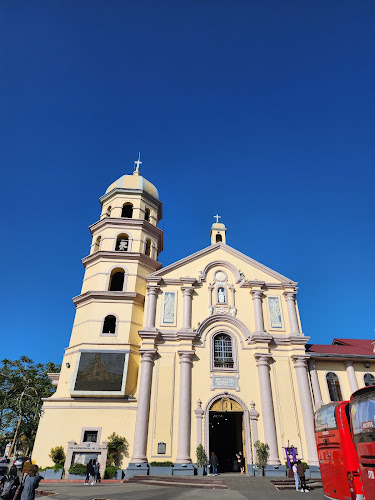
Metropolitan Cathedral of San Sebastian (The Roman Catholic Archdiocese of Lipa)
About Metropolitan Cathedral of San Sebastian (The Roman Catholic Archdiocese of Lipa)
The Metropolitan Cathedral of San Sebastian, home of the Roman Catholic Archdiocese of Lipa, carries itself with a quiet confidence. It doesn’t try to impress you with gimmicks or flashy tricks. Instead, it stands there, calm and steady, as if saying, take your time. Travelers who wander into Lipa City often come for errands, family visits, or a quick stopover. And then, almost accidentally, they find themselves standing in front of this cathedral, pausing longer than planned. That happens a lot here.
Description
This cathedral is first and foremost a working church. That matters. You don’t feel like you’re walking into a museum where silence is forced and ropes keep you at arm’s length. You feel like you’ve stepped into a living place of faith where daily Masses, quiet prayers, and the occasional crying baby all coexist. And honestly, that’s part of its charm.
Architecturally, the Metropolitan Cathedral of San Sebastian leans toward classic Roman Catholic design with a local Filipino sensibility. The façade is dignified, not overdone. Inside, the space opens up in a way that makes you instinctively slow your steps. The ceiling draws the eyes upward, the altar commands attention without shouting, and the light—especially in the late afternoon—has this warm, forgiving glow. I remember once slipping in just before sunset, sweaty from walking around town, slightly annoyed at the heat. Ten minutes inside, that irritation melted away. Maybe it was the quiet, maybe the echo of prayer, or maybe I was just tired. Still counts.
Historically, the cathedral plays a central role in the religious life of Batangas province. As the seat of the Archdiocese of Lipa, it’s not just another parish church. Major religious celebrations happen here. Important decisions in church life are marked here. For travelers, that means you’re not just seeing a pretty building—you’re stepping into a place that continues to shape local culture and identity.
Now, is it perfect? No. And that’s okay. Some visitors notice wear and tear, others find it less ornate than expected. But many more appreciate its sincerity. It feels real. And in a world where tourist attractions often feel staged, that authenticity is refreshing.
Key Features
- Spacious interior designed to accommodate large congregations without feeling overwhelming
- Prominent main altar that reflects traditional Catholic aesthetics with local craftsmanship
- Wheelchair accessible entrance, making it easier for elderly visitors and travelers with mobility needs
- Wheelchair accessible parking area nearby, which is not as common as it should be in older churches
- On-site restrooms, a small but very practical detail travelers appreciate
- Peaceful atmosphere even during busy hours, especially on weekdays
- Acts as the central church of the Archdiocese of Lipa, giving it religious and cultural weight
One thing that doesn’t get mentioned enough is how welcoming the space feels. You don’t feel judged for being a tourist, or for not knowing when to stand or kneel. I’ve seen people wander in wearing backpacks and sneakers, quietly sit at the back, and no one bats an eye. That kind of openness sticks with you.
Best Time to Visit
Timing matters here, depending on what kind of experience you want. If you’re after quiet reflection or photography without too many people in the frame, weekday mornings are ideal. The cathedral is calm, the light is soft, and there’s space to breathe. It’s the kind of place where you can sit for five minutes and accidentally stay for thirty.
Late afternoons are another favorite, especially if you enjoy natural light filtering through the windows. The heat outside eases up a bit, and the interior feels cooler. Just be aware that you may catch the tail end of preparations for evening Mass.
Sundays are a different story. The cathedral becomes busy, sometimes very busy. If you want to observe local religious life in full swing, then Sunday is the day. Families arrive early, choirs rehearse, vendors linger outside. But if you’re not comfortable with crowds, you might feel overwhelmed. Personally, I like visiting once on a weekday and once on a Sunday. You get two very different impressions of the same place.
Holy Week and major Catholic feasts bring in even larger crowds. These times can be intense, emotional, and deeply moving. They’re not exactly tourist-friendly, but they are unforgettable if you’re prepared.
How to Get There
The cathedral is located right in Lipa City, which makes it fairly easy to reach if you’re already in Batangas. Public transportation options are plentiful. Jeepneys, tricycles, and local rides know the place well. You can simply mention the cathedral, and most drivers won’t need further explanation.
If you’re coming from nearby cities or Metro Manila, buses bound for Lipa City are frequent. From the main transport terminals, getting to the cathedral is straightforward and inexpensive. For travelers who prefer driving, the roads leading into the city are well-used, though traffic can slow things down during peak hours. Patience is part of the journey here.
One small piece of advice from experience: allow extra time if you’re navigating during rush hour. Lipa City has grown quickly, and traffic patterns can surprise you. But arriving a little late isn’t the worst thing. The cathedral has a way of making you feel like you’re right on time anyway.
Tips for Visiting
Dress modestly. This is still a functioning Catholic cathedral, not just a sightseeing stop. You don’t need to be overly formal, but shoulders covered and shorts at a reasonable length go a long way. You’ll feel more comfortable, and so will everyone else.
Be mindful of ongoing services. If Mass or a prayer service is happening, move quietly and avoid wandering around taking photos. I’ve made the mistake of assuming a quiet moment was free time, only to realize I had walked into the middle of a sacred rite. Lesson learned.
Photography is generally allowed, but use common sense. Skip the flash, especially during services. Sometimes it’s better to put the camera down and just look. I say that as someone who loves taking photos.
Take advantage of the amenities. Having restrooms on-site is a blessing, especially if you’ve been walking around town all day. And the wheelchair accessibility features make this cathedral more inclusive than many older churches, which is worth acknowledging.
Finally, give yourself permission to linger. Don’t rush through just to check it off a list. Sit down. Listen. Watch the way locals interact with the space. You might notice an elderly woman whispering prayers, a young couple holding hands, or a tired traveler closing their eyes for a moment. Those quiet details are what make a visit here memorable.
The Metropolitan Cathedral of San Sebastian doesn’t demand your attention. It earns it slowly. And if you let it, it might just become one of those places you remember long after the trip is over, for reasons you can’t fully explain. That’s usually how the best travel moments work, anyway.
Key Features
- Spacious interior designed to accommodate large congregations without feeling overwhelming
- Prominent main altar that reflects traditional Catholic aesthetics with local craftsmanship
- Wheelchair accessible entrance, making it easier for elderly visitors and travelers with mobility needs
- Wheelchair accessible parking area nearby, which is not as common as it should be in older churches
- On-site restrooms, a small but very practical detail travelers appreciate
- Peaceful atmosphere even during busy hours, especially on weekdays
- Acts as the central church of the Archdiocese of Lipa, giving it religious and cultural weight
More Details
Updated December 31, 2025
The Metropolitan Cathedral of San Sebastian, home of the Roman Catholic Archdiocese of Lipa, carries itself with a quiet confidence. It doesn’t try to impress you with gimmicks or flashy tricks. Instead, it stands there, calm and steady, as if saying, take your time. Travelers who wander into Lipa City often come for errands, family visits, or a quick stopover. And then, almost accidentally, they find themselves standing in front of this cathedral, pausing longer than planned. That happens a lot here.
Table of Contents
- Description
- Key Features
- Best Time to Visit
- How to Get There
- Tips for Visiting
- Key Highlights
- Location
- Places to Stay Near Metropolitan Cathedral of San Sebastian (The Roman Catholic Archdiocese of Lipa)
- Find and Book a Tour
- Explore More Travel Guides
- Nearby Places You Might Like
- Traveler Reviews for Metropolitan Cathedral of San Sebastian (The Roman Catholic Archdiocese of Lipa)
- Share Your Experience
Description
This cathedral is first and foremost a working church. That matters. You don’t feel like you’re walking into a museum where silence is forced and ropes keep you at arm’s length. You feel like you’ve stepped into a living place of faith where daily Masses, quiet prayers, and the occasional crying baby all coexist. And honestly, that’s part of its charm.
Architecturally, the Metropolitan Cathedral of San Sebastian leans toward classic Roman Catholic design with a local Filipino sensibility. The façade is dignified, not overdone. Inside, the space opens up in a way that makes you instinctively slow your steps. The ceiling draws the eyes upward, the altar commands attention without shouting, and the light—especially in the late afternoon—has this warm, forgiving glow. I remember once slipping in just before sunset, sweaty from walking around town, slightly annoyed at the heat. Ten minutes inside, that irritation melted away. Maybe it was the quiet, maybe the echo of prayer, or maybe I was just tired. Still counts.
Historically, the cathedral plays a central role in the religious life of Batangas province. As the seat of the Archdiocese of Lipa, it’s not just another parish church. Major religious celebrations happen here. Important decisions in church life are marked here. For travelers, that means you’re not just seeing a pretty building—you’re stepping into a place that continues to shape local culture and identity.
Now, is it perfect? No. And that’s okay. Some visitors notice wear and tear, others find it less ornate than expected. But many more appreciate its sincerity. It feels real. And in a world where tourist attractions often feel staged, that authenticity is refreshing.
Key Features
- Spacious interior designed to accommodate large congregations without feeling overwhelming
- Prominent main altar that reflects traditional Catholic aesthetics with local craftsmanship
- Wheelchair accessible entrance, making it easier for elderly visitors and travelers with mobility needs
- Wheelchair accessible parking area nearby, which is not as common as it should be in older churches
- On-site restrooms, a small but very practical detail travelers appreciate
- Peaceful atmosphere even during busy hours, especially on weekdays
- Acts as the central church of the Archdiocese of Lipa, giving it religious and cultural weight
One thing that doesn’t get mentioned enough is how welcoming the space feels. You don’t feel judged for being a tourist, or for not knowing when to stand or kneel. I’ve seen people wander in wearing backpacks and sneakers, quietly sit at the back, and no one bats an eye. That kind of openness sticks with you.
Best Time to Visit
Timing matters here, depending on what kind of experience you want. If you’re after quiet reflection or photography without too many people in the frame, weekday mornings are ideal. The cathedral is calm, the light is soft, and there’s space to breathe. It’s the kind of place where you can sit for five minutes and accidentally stay for thirty.
Late afternoons are another favorite, especially if you enjoy natural light filtering through the windows. The heat outside eases up a bit, and the interior feels cooler. Just be aware that you may catch the tail end of preparations for evening Mass.
Sundays are a different story. The cathedral becomes busy, sometimes very busy. If you want to observe local religious life in full swing, then Sunday is the day. Families arrive early, choirs rehearse, vendors linger outside. But if you’re not comfortable with crowds, you might feel overwhelmed. Personally, I like visiting once on a weekday and once on a Sunday. You get two very different impressions of the same place.
Holy Week and major Catholic feasts bring in even larger crowds. These times can be intense, emotional, and deeply moving. They’re not exactly tourist-friendly, but they are unforgettable if you’re prepared.
How to Get There
The cathedral is located right in Lipa City, which makes it fairly easy to reach if you’re already in Batangas. Public transportation options are plentiful. Jeepneys, tricycles, and local rides know the place well. You can simply mention the cathedral, and most drivers won’t need further explanation.
If you’re coming from nearby cities or Metro Manila, buses bound for Lipa City are frequent. From the main transport terminals, getting to the cathedral is straightforward and inexpensive. For travelers who prefer driving, the roads leading into the city are well-used, though traffic can slow things down during peak hours. Patience is part of the journey here.
One small piece of advice from experience: allow extra time if you’re navigating during rush hour. Lipa City has grown quickly, and traffic patterns can surprise you. But arriving a little late isn’t the worst thing. The cathedral has a way of making you feel like you’re right on time anyway.
Tips for Visiting
Dress modestly. This is still a functioning Catholic cathedral, not just a sightseeing stop. You don’t need to be overly formal, but shoulders covered and shorts at a reasonable length go a long way. You’ll feel more comfortable, and so will everyone else.
Be mindful of ongoing services. If Mass or a prayer service is happening, move quietly and avoid wandering around taking photos. I’ve made the mistake of assuming a quiet moment was free time, only to realize I had walked into the middle of a sacred rite. Lesson learned.
Photography is generally allowed, but use common sense. Skip the flash, especially during services. Sometimes it’s better to put the camera down and just look. I say that as someone who loves taking photos.
Take advantage of the amenities. Having restrooms on-site is a blessing, especially if you’ve been walking around town all day. And the wheelchair accessibility features make this cathedral more inclusive than many older churches, which is worth acknowledging.
Finally, give yourself permission to linger. Don’t rush through just to check it off a list. Sit down. Listen. Watch the way locals interact with the space. You might notice an elderly woman whispering prayers, a young couple holding hands, or a tired traveler closing their eyes for a moment. Those quiet details are what make a visit here memorable.
The Metropolitan Cathedral of San Sebastian doesn’t demand your attention. It earns it slowly. And if you let it, it might just become one of those places you remember long after the trip is over, for reasons you can’t fully explain. That’s usually how the best travel moments work, anyway.
Key Highlights
- Spacious interior designed to accommodate large congregations without feeling overwhelming
- Prominent main altar that reflects traditional Catholic aesthetics with local craftsmanship
- Wheelchair accessible entrance, making it easier for elderly visitors and travelers with mobility needs
- Wheelchair accessible parking area nearby, which is not as common as it should be in older churches
- On-site restrooms, a small but very practical detail travelers appreciate
- Peaceful atmosphere even during busy hours, especially on weekdays
- Acts as the central church of the Archdiocese of Lipa, giving it religious and cultural weight
Location
Places to Stay Near Metropolitan Cathedral of San Sebastian (The Roman Catholic Archdiocese of Lipa)
Find and Book a Tour
Explore More Travel Guides
No reviews found! Be the first to review!
Traveler Reviews for Metropolitan Cathedral of San Sebastian (The Roman Catholic Archdiocese of Lipa)
There are no reviews yet. Be the first one to write one.
Have you visited Metropolitan Cathedral of San Sebastian (The Roman Catholic Archdiocese of Lipa)? Help other travelers by sharing your review.
You Might Also Like
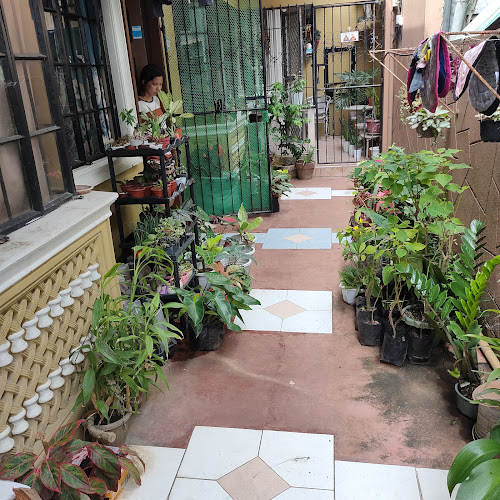
Loverari's Plants
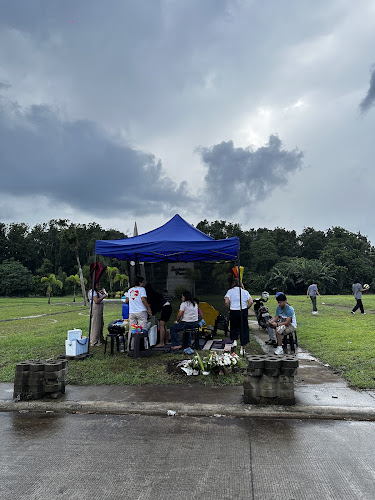
Santuario De La Paz Memorial Park
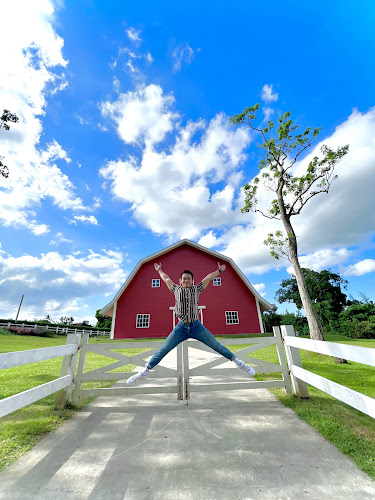
The Old Grove Farmstead
Find Accommodations Nearby
Recommended Tours & Activities
Visitor Reviews
There are no reviews yet. Be the first one to write one.
Share Your Experience
Have you visited Metropolitan Cathedral of San Sebastian (The Roman Catholic Archdiocese of Lipa)? Help other travelers by leaving a review.