
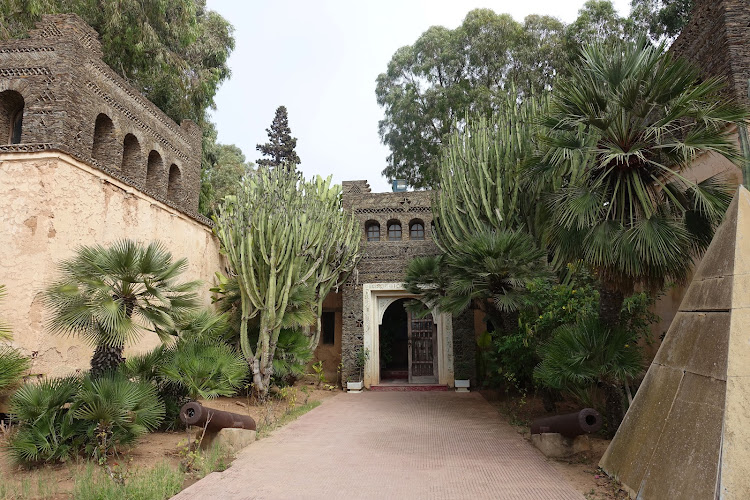
Memory Agadir Museum
About Memory Agadir Museum
Description
The Memory Agadir Museum, tucked inside the peaceful Jardin d’Olhao, is one of those places that quietly leaves a mark on you. It’s not a flashy museum with endless halls of artifacts, but rather a thoughtful space that tells the story of Agadir’s past, especially the devastating earthquake of 1960 that nearly wiped the city off the map. Through photographs, newspaper clippings, and carefully preserved documents, visitors get a raw look at the city before the quake, the immediate aftermath, and the resilience of the people who rebuilt it from the ground up.
What makes this museum special is its intimacy. It feels personal, almost like stepping into a family album, except the family is an entire city. The adjacent garden adds to the experience—after walking through images of destruction, sitting among the greenery gives you a moment to reflect on how far Agadir has come. It’s not a huge attraction, and some might even call it modest, but that’s part of its charm. It doesn’t overwhelm you; it invites you to slow down, pay attention, and really feel the story being told. Families often find it approachable, and kids can connect to the visuals even if they don’t fully grasp the history.
Of course, not everyone walks away equally impressed. Some visitors expect a larger collection or more high-tech exhibits, and they might feel the museum is too small. But others argue that its simplicity is exactly what makes it powerful. Personally, I’d say it’s worth a stop if you’re curious about Agadir’s roots or if you just want a deeper understanding of the city beyond its beaches and resorts. It’s one of those places that won’t take hours of your time but will stay with you far longer than you expect.
Key Features
- Historic photographs showing Agadir before and after the 1960 earthquake
- Original newspaper clippings and documents from the time of the disaster
- A peaceful garden (Jardin d’Olhao) right outside the museum for reflection
- Compact and easy to explore in under an hour
- Family-friendly environment suitable for children
- Affordable entry fee, making it accessible to most travelers
Best Time to Visit
The museum can be visited year-round, but mornings tend to be the most pleasant. The light filtering into the garden is softer, and the museum is usually quieter then. If you’re visiting during summer, the midday heat in Agadir can be intense, so pairing a morning museum visit with a shaded stroll in the garden is a smart move. Winter months are also lovely since the weather is mild, and you can linger outdoors comfortably. Personally, I find that going earlier in the day sets a reflective tone and avoids the occasional small crowd that comes in the afternoons.
How to Get There
Reaching the Memory Agadir Museum is straightforward if you’re staying in the city. It’s centrally located, so you can walk from many hotels in the downtown area. For those a bit farther away, a short taxi ride will get you there quickly and at a reasonable cost. Public buses also pass nearby, though taxis are often easier if you’re not familiar with the routes. The museum is inside Jardin d’Olhao, so once you arrive at the park, you’ll find it tucked in one corner. It’s not a place you’ll stumble upon by accident—you’ll want to plan for it—but that makes it feel even more intentional when you finally step inside.
Tips for Visiting
If you’re planning a visit, here are a few things I’ve learned that might help:
- Allow at least 30–45 minutes: The museum is small, but you’ll want time to really look at the photographs and read the clippings without rushing.
- Bring a curious mindset: It’s not about flashy displays; it’s about piecing together the city’s story. The more attention you give, the more rewarding it feels.
- Pair it with the garden: Don’t skip the Jardin d’Olhao—it’s part of the experience. Take a seat, let the history sink in, and enjoy the greenery.
- Good for families: Kids may not understand the full gravity of the earthquake, but the visuals can spark conversations about resilience and change.
- Check opening hours: They can vary, and it would be frustrating to show up and find the doors closed. A quick check before heading out saves you the trouble.
- Keep expectations balanced: This isn’t a massive national museum, but it’s an honest and heartfelt space. Go in knowing that, and you’ll appreciate it more.
One last thought—if you’re the kind of traveler who likes to connect with the soul of a place, this museum is a gem. It’s not about ticking a box on your itinerary; it’s about understanding the city you’re walking through today. And honestly, that’s the kind of experience that makes travel memorable.
Key Features
- Historic photographs showing Agadir before and after the 1960 earthquake
- Original newspaper clippings and documents from the time of the disaster
- A peaceful garden (Jardin d’Olhao) right outside the museum for reflection
- Compact and easy to explore in under an hour
- Family-friendly environment suitable for children
- Affordable entry fee, making it accessible to most travelers
More Details
Updated September 9, 2025
Table of Contents
Description
The Memory Agadir Museum, tucked inside the peaceful Jardin d’Olhao, is one of those places that quietly leaves a mark on you. It’s not a flashy museum with endless halls of artifacts, but rather a thoughtful space that tells the story of Agadir’s past, especially the devastating earthquake of 1960 that nearly wiped the city off the map. Through photographs, newspaper clippings, and carefully preserved documents, visitors get a raw look at the city before the quake, the immediate aftermath, and the resilience of the people who rebuilt it from the ground up.
What makes this museum special is its intimacy. It feels personal, almost like stepping into a family album, except the family is an entire city. The adjacent garden adds to the experience—after walking through images of destruction, sitting among the greenery gives you a moment to reflect on how far Agadir has come. It’s not a huge attraction, and some might even call it modest, but that’s part of its charm. It doesn’t overwhelm you; it invites you to slow down, pay attention, and really feel the story being told. Families often find it approachable, and kids can connect to the visuals even if they don’t fully grasp the history.
Of course, not everyone walks away equally impressed. Some visitors expect a larger collection or more high-tech exhibits, and they might feel the museum is too small. But others argue that its simplicity is exactly what makes it powerful. Personally, I’d say it’s worth a stop if you’re curious about Agadir’s roots or if you just want a deeper understanding of the city beyond its beaches and resorts. It’s one of those places that won’t take hours of your time but will stay with you far longer than you expect.
Key Features
- Historic photographs showing Agadir before and after the 1960 earthquake
- Original newspaper clippings and documents from the time of the disaster
- A peaceful garden (Jardin d’Olhao) right outside the museum for reflection
- Compact and easy to explore in under an hour
- Family-friendly environment suitable for children
- Affordable entry fee, making it accessible to most travelers
Best Time to Visit
The museum can be visited year-round, but mornings tend to be the most pleasant. The light filtering into the garden is softer, and the museum is usually quieter then. If you’re visiting during summer, the midday heat in Agadir can be intense, so pairing a morning museum visit with a shaded stroll in the garden is a smart move. Winter months are also lovely since the weather is mild, and you can linger outdoors comfortably. Personally, I find that going earlier in the day sets a reflective tone and avoids the occasional small crowd that comes in the afternoons.
How to Get There
Reaching the Memory Agadir Museum is straightforward if you’re staying in the city. It’s centrally located, so you can walk from many hotels in the downtown area. For those a bit farther away, a short taxi ride will get you there quickly and at a reasonable cost. Public buses also pass nearby, though taxis are often easier if you’re not familiar with the routes. The museum is inside Jardin d’Olhao, so once you arrive at the park, you’ll find it tucked in one corner. It’s not a place you’ll stumble upon by accident—you’ll want to plan for it—but that makes it feel even more intentional when you finally step inside.
Tips for Visiting
If you’re planning a visit, here are a few things I’ve learned that might help:
- Allow at least 30–45 minutes: The museum is small, but you’ll want time to really look at the photographs and read the clippings without rushing.
- Bring a curious mindset: It’s not about flashy displays; it’s about piecing together the city’s story. The more attention you give, the more rewarding it feels.
- Pair it with the garden: Don’t skip the Jardin d’Olhao—it’s part of the experience. Take a seat, let the history sink in, and enjoy the greenery.
- Good for families: Kids may not understand the full gravity of the earthquake, but the visuals can spark conversations about resilience and change.
- Check opening hours: They can vary, and it would be frustrating to show up and find the doors closed. A quick check before heading out saves you the trouble.
- Keep expectations balanced: This isn’t a massive national museum, but it’s an honest and heartfelt space. Go in knowing that, and you’ll appreciate it more.
One last thought—if you’re the kind of traveler who likes to connect with the soul of a place, this museum is a gem. It’s not about ticking a box on your itinerary; it’s about understanding the city you’re walking through today. And honestly, that’s the kind of experience that makes travel memorable.
Key Highlights
- Historic photographs showing Agadir before and after the 1960 earthquake
- Original newspaper clippings and documents from the time of the disaster
- A peaceful garden (Jardin d’Olhao) right outside the museum for reflection
- Compact and easy to explore in under an hour
- Family-friendly environment suitable for children
- Affordable entry fee, making it accessible to most travelers
Location
Places to Stay Near Memory Agadir Museum
Find and Book a Tour
Explore More Travel Guides
No reviews found! Be the first to review!
Traveler Reviews for Memory Agadir Museum
There are no reviews yet. Be the first one to write one.
Have you visited Memory Agadir Museum? Help other travelers by sharing your review.
You Might Also Like

Xtreme Park
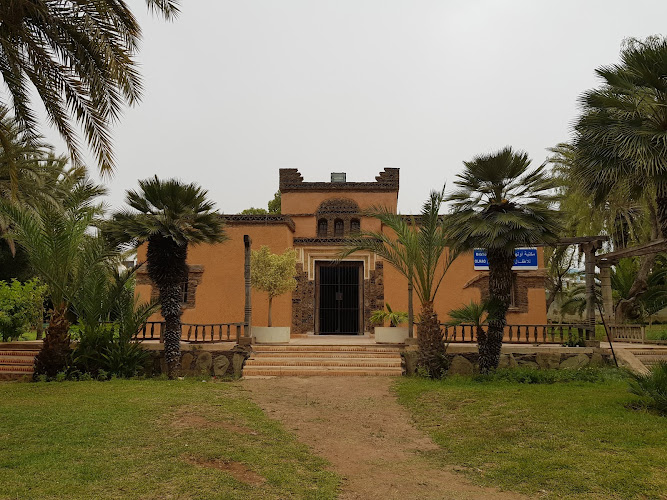
Jardin Olhao Agadir
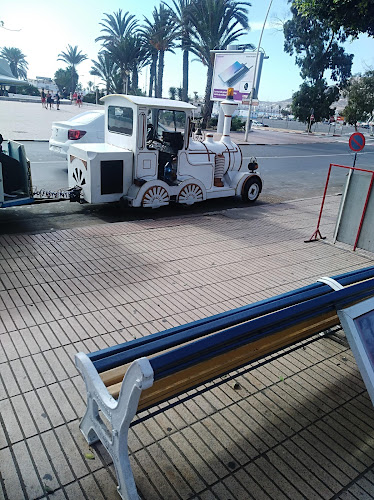
Train Touristique
Find Accommodations Nearby
Recommended Tours & Activities
Visitor Reviews
There are no reviews yet. Be the first one to write one.
Share Your Experience
Have you visited Memory Agadir Museum? Help other travelers by leaving a review.