Place of worship 3.6 Touba, SenegalCommunity Guide

Mausolèe de Serigne Saliou MBACKÉ

Mosquée de Same Lâ, Touba, Sénégal

Mausolèe de Serigne Saliou MBACKÉ
12 Photos

About & Overview

Description

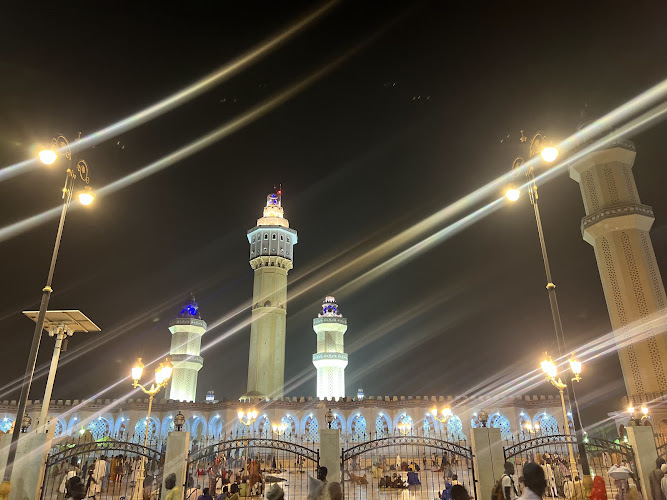
Perched within the spiritual heart of Touba, the Mausolèe de Serigne Saliou MBACKÉ is a solemn, luminous shrine honoring Serigne Saliou Mbacké, a revered khalifa of the Mouride brotherhood. Visitors arrive to find an atmosphere of quiet devotion punctuated by the rhythms of daily prayer and the flow of pilgrims who come to pay their respects. The mausoleum’s architecture echoes the larger aesthetic of Touba’s sacred complex — whitewashed facades, domes and minarets — while intimate courtyards and shaded alcoves offer moments for reflection. Historically, the site marks the legacy of Serigne Saliou’s spiritual leadership and social projects that strengthened Mouride life; it sits within the living urban-religious landscape founded by Ahmadou Bamba. Travelers should visit to experience a major center of Senegalese Sufism, witness traditional devotional practices, and appreciate the city’s devotional urbanism. Respectful observation provides insight into Mouride values of work, devotion and community that shape daily life in Touba.

Highlights & Key Features

  • Shrine of Serigne Saliou Mbacké with devotional spaces and tomb
  • Proximity to the Great Mosque of Touba and other Mouride landmarks
  • Traditional Wolof and Arabic calligraphy and simple, luminous architecture
  • Regular flow of pilgrims and ritual gatherings providing cultural immersion
  • Quiet courtyards and shaded areas for contemplation and photography (where permitted)

Visitor Guide & Information

Description

The Mausolèe de Serigne Saliou MBACKÉ stands as one of Senegal’s most spiritually significant destinations, drawing pilgrims and curious travelers from across West Africa and beyond. This sacred site commemorates Serigne Saliou MBACKÉ, the second Khalifa General of the Mouride Brotherhood, who served from 1968 to 1990 and left an indelible mark on Senegalese religious and cultural life.

When you approach the mausoleum, there’s this immediate sense of peace that washes over you. I’ve visited many religious sites throughout my travels, but there’s something distinctly powerful about the atmosphere here. The architecture blends traditional Senegalese design with Islamic influences, creating a structure that feels both timeless and deeply rooted in local tradition. The white facade catches the Sahel sunlight in a way that makes the entire complex seem to glow during certain times of day.

What makes this place particularly special for travelers isn’t just its religious significance—though that’s certainly paramount—but the way it serves as a window into the Mouride Brotherhood’s profound influence on Senegalese society. The Mourides represent one of the four major Sufi orders in Senegal, and their emphasis on work, discipline, and spiritual devotion has shaped everything from agricultural practices to social structures throughout the country.

Visitors who take time to observe will notice the constant flow of devotees who come to pay their respects, pray, and seek blessings. And honestly, even if you’re not Muslim or particularly religious yourself, witnessing this devotion offers something rare in our often-disconnected world—a glimpse of faith in action, community in practice, and tradition being actively maintained rather than just remembered.

The grounds surrounding the mausoleum are meticulously maintained, reflecting the Mouride principle of cleanliness and order. You’ll find that the space invites contemplation, whether you’re there for spiritual reasons or simply to understand a crucial aspect of Senegalese culture. The complex serves not just as a final resting place but as a living center of faith where daily prayers, special ceremonies, and important religious dates bring the community together.

Key Features

The Mausoleum offers several notable features that enhance the visitor experience:

• Complete wheelchair accessibility throughout the entire complex, including the entrance, parking areas, and restroom facilities—a thoughtful consideration that’s unfortunately rare in many historic religious sites

• Restroom facilities available on-site, making extended visits more comfortable for travelers and pilgrims alike

• A welcoming atmosphere where respectful visitors of all backgrounds are generally received with warmth and patience

• Stunning architectural details that blend Islamic geometric patterns with Senegalese artistic traditions, creating photo opportunities that capture the essence of West African Muslim aesthetics

• Regular prayer times when visitors can observe (from a respectful distance) the devotional practices of Mouride followers

• Clean, well-maintained grounds that reflect the Mouride emphasis on dignity and order in all things

• Parking facilities that accommodate both individual travelers and larger groups, particularly important during religious celebrations when crowds swell considerably

• A generally peaceful environment that allows for personal reflection, even during busier periods

• The presence of knowledgeable community members who, if approached respectfully, often share insights about Serigne Saliou MBACKÉ’s life and teachings

• Proximity to other important Mouride sites, allowing travelers to create a more comprehensive cultural and spiritual itinerary

Best Time to Visit

Timing your visit to the Mausolèe de Serigne Saliou MBACKÉ can significantly impact your experience. The site remains open year-round, but certain periods offer distinct advantages depending on what you’re hoping to experience.

For those seeking a quieter, more contemplative visit, weekday mornings typically see fewer crowds. You’ll have more space to explore, photograph, and absorb the atmosphere without feeling rushed or overwhelmed. The temperature during early morning hours is also considerably more pleasant, especially if you’re visiting during Senegal’s hot season between March and June.

But here’s where it gets interesting—if you want to witness the full spiritual and cultural significance of the site, visiting during major Mouride celebrations transforms the experience entirely. The Grand Magal of Touba, which commemorates the exile of Cheikh Ahmadou Bamba (founder of the Mouride Brotherhood), brings millions of pilgrims to the region. While the main celebrations occur in Touba, the energy extends to all significant Mouride sites including this mausoleum.

Personally, I’d suggest considering the cooler months between November and February. The weather is far more forgiving for travelers not accustomed to the Sahel climate, and you’ll find yourself able to spend more time exploring without being completely exhausted by the heat. During these months, afternoon visits become actually enjoyable rather than endurance tests.

Friday holds special significance as the Muslim holy day, so you might encounter larger crowds but also more active prayer gatherings. This can be fascinating to observe, though you should be prepared for the mausoleum to feel busier and more energetic than on other days.

Avoid visiting during Senegal’s rainy season (July through October) if possible, not because the site closes but because transportation can become challenging and the grounds may be muddy. And let’s be honest—nobody enjoys slogging through mud when trying to have a meaningful cultural experience.

One thing travelers often overlook is checking the Islamic calendar for specific commemorative dates related to Serigne Saliou MBACKÉ himself. These occasions draw particularly devoted followers and offer unique insights into Mouride traditions, though they also mean reduced accessibility for casual visitors.

How to Get There

Getting to the Mausolèe de Serigne Saliou MBACKÉ requires some planning, but it’s definitely manageable for most travelers with a reasonable sense of adventure.

The site is located in Senegal, and most international visitors will fly into Dakar’s Blaise Diagne International Airport. From there, your journey depends on your budget, comfort level, and sense of adventure. The most straightforward option involves hiring a private car with a driver who knows the region. Yes, it costs more than public transport, but the convenience and local knowledge you gain makes the investment worthwhile, especially if this is your first time in Senegal.

Local taxi-brousses (shared minivans) offer a more authentic and budget-friendly alternative. These vehicles leave when full rather than on a fixed schedule, so patience becomes essential. The journey can feel cramped and unpredictable, but you’ll share space with locals going about their daily lives, which provides its own kind of education. Just prepare yourself for some creative interpretations of personal space and time management.

If you’re staying in nearby cities or towns, ask your accommodation for specific directions and current transportation options. Road conditions and available routes can change, and local knowledge proves invaluable. Many hotels and guesthouses can arrange transportation, though you’ll typically pay a premium for this convenience.

Once you arrive in the general area, the mausoleum’s significance means most residents can point you in the right direction. Don’t hesitate to ask for help—Senegalese hospitality is genuine, and people generally appreciate visitors showing interest in their sacred sites.

The wheelchair-accessible parking lot means those traveling with mobility devices or concerns can access the site relatively easily once you arrive. This accessibility represents significant thoughtfulness in design and maintenance.

Renting a car offers maximum flexibility, though driving in Senegal requires confidence and adaptability. Traffic patterns differ significantly from Western norms, and road conditions vary dramatically. GPS doesn’t always reflect ground reality, so downloading offline maps and having backup navigation methods is smart.

Tips for Visiting

Visiting the Mausolèe de Serigne Saliou MBACKÉ successfully requires both practical preparation and cultural sensitivity. Let me share some insights that’ll help you make the most of your experience.

First and foremost—dress modestly. This isn’t just a suggestion; it’s essential. Women should cover their shoulders, chest, and knees at minimum. A headscarf is respectful though not always strictly required for non-Muslim visitors. Men should wear long pants and shirts that cover the shoulders. When in doubt, dress more conservatively. You’re visiting a sacred space that holds profound meaning for many people, and your clothing choices demonstrate respect for that significance.

Remove your shoes before entering any interior spaces. This is standard practice at mosques and Islamic holy sites, so expect to go barefoot or in socks. Wearing shoes that slip on and off easily makes this process much smoother.

Photography deserves careful consideration. While exterior shots are generally acceptable, always ask permission before photographing people, and be especially cautious about taking pictures during prayer times or of devotees engaged in worship. Some visitors feel that photographing sacred spaces at all is disrespectful, so use your judgment and err on the side of caution.

Bring cash for any donations. Many religious sites appreciate (or expect) contributions from visitors, which help maintain the complex and support community activities. Small denomination bills work best.

Hydration matters more than most travelers anticipate, especially during warmer months. Bring water and drink regularly, but be discreet about eating or drinking in highly visible areas, particularly during Ramadan when Muslims fast from dawn to sunset.

Learn a few basic phrases in Wolof, Senegal’s most widely spoken language. Simple greetings like “Salaam aleekum” (peace be upon you) and “Jërëjëf” (thank you) go surprisingly far in establishing goodwill and showing respect for local culture.

Visit with an open mind and genuine curiosity rather than as merely checking something off a tourist list. The Mouride Brotherhood’s teachings and practices might differ from what you’re familiar with, but approaching with respect and willingness to learn transforms the visit from simple sightseeing into genuine cultural exchange.

Don’t rush. Western travelers especially tend to operate on tight schedules, wanting to maximize every moment. But this mindset misses the point of visiting a place like this. Allow time for quiet observation, for absorbing the atmosphere, for simply being present in the space.

If you’re visiting during busy periods or religious celebrations, prepare for crowds and potentially longer waits. Patience becomes not just a virtue but a practical necessity.

Consider hiring a local guide if you want deeper understanding of the site’s significance, Serigne Saliou MBACKÉ’s life and teachings, and the Mouride Brotherhood’s role in Senegalese society. Guides can provide context that transforms architectural features and religious practices from mysterious curiosities into meaningful cultural expressions.

Respect prayer times and active worship. If prayers are happening when you arrive, wait at a respectful distance until they conclude. Your desire to explore never takes precedence over practitioners’ right to worship without distraction.

Finally, approach the visit with humility. You’re entering a space that holds profound significance for millions of people. Your experience as a visitor, while valuable, is secondary to the site’s primary purpose as a place of devotion, remembrance, and spiritual connection. This mindset not only shows respect but typically results in a more meaningful and memorable experience for you as well.

Community & Insider Notes

Last modified August 17, 2026

Description

The Mausolèe de Serigne Saliou MBACKÉ stands as one of Senegal’s most spiritually significant destinations, drawing pilgrims and curious travelers from across West Africa and beyond. This sacred site commemorates Serigne Saliou MBACKÉ, the second Khalifa General of the Mouride Brotherhood, who served from 1968 to 1990 and left an indelible mark on Senegalese religious and cultural life.

When you approach the mausoleum, there’s this immediate sense of peace that washes over you. I’ve visited many religious sites throughout my travels, but there’s something distinctly powerful about the atmosphere here. The architecture blends traditional Senegalese design with Islamic influences, creating a structure that feels both timeless and deeply rooted in local tradition. The white facade catches the Sahel sunlight in a way that makes the entire complex seem to glow during certain times of day.

What makes this place particularly special for travelers isn’t just its religious significance—though that’s certainly paramount—but the way it serves as a window into the Mouride Brotherhood’s profound influence on Senegalese society. The Mourides represent one of the four major Sufi orders in Senegal, and their emphasis on work, discipline, and spiritual devotion has shaped everything from agricultural practices to social structures throughout the country.

Visitors who take time to observe will notice the constant flow of devotees who come to pay their respects, pray, and seek blessings. And honestly, even if you’re not Muslim or particularly religious yourself, witnessing this devotion offers something rare in our often-disconnected world—a glimpse of faith in action, community in practice, and tradition being actively maintained rather than just remembered.

The grounds surrounding the mausoleum are meticulously maintained, reflecting the Mouride principle of cleanliness and order. You’ll find that the space invites contemplation, whether you’re there for spiritual reasons or simply to understand a crucial aspect of Senegalese culture. The complex serves not just as a final resting place but as a living center of faith where daily prayers, special ceremonies, and important religious dates bring the community together.

Key Features

The Mausoleum offers several notable features that enhance the visitor experience:

• Complete wheelchair accessibility throughout the entire complex, including the entrance, parking areas, and restroom facilities—a thoughtful consideration that’s unfortunately rare in many historic religious sites

• Restroom facilities available on-site, making extended visits more comfortable for travelers and pilgrims alike

• A welcoming atmosphere where respectful visitors of all backgrounds are generally received with warmth and patience

• Stunning architectural details that blend Islamic geometric patterns with Senegalese artistic traditions, creating photo opportunities that capture the essence of West African Muslim aesthetics

• Regular prayer times when visitors can observe (from a respectful distance) the devotional practices of Mouride followers

• Clean, well-maintained grounds that reflect the Mouride emphasis on dignity and order in all things

• Parking facilities that accommodate both individual travelers and larger groups, particularly important during religious celebrations when crowds swell considerably

• A generally peaceful environment that allows for personal reflection, even during busier periods

• The presence of knowledgeable community members who, if approached respectfully, often share insights about Serigne Saliou MBACKÉ’s life and teachings

• Proximity to other important Mouride sites, allowing travelers to create a more comprehensive cultural and spiritual itinerary

Best Time to Visit

Timing your visit to the Mausolèe de Serigne Saliou MBACKÉ can significantly impact your experience. The site remains open year-round, but certain periods offer distinct advantages depending on what you’re hoping to experience.

For those seeking a quieter, more contemplative visit, weekday mornings typically see fewer crowds. You’ll have more space to explore, photograph, and absorb the atmosphere without feeling rushed or overwhelmed. The temperature during early morning hours is also considerably more pleasant, especially if you’re visiting during Senegal’s hot season between March and June.

But here’s where it gets interesting—if you want to witness the full spiritual and cultural significance of the site, visiting during major Mouride celebrations transforms the experience entirely. The Grand Magal of Touba, which commemorates the exile of Cheikh Ahmadou Bamba (founder of the Mouride Brotherhood), brings millions of pilgrims to the region. While the main celebrations occur in Touba, the energy extends to all significant Mouride sites including this mausoleum.

Personally, I’d suggest considering the cooler months between November and February. The weather is far more forgiving for travelers not accustomed to the Sahel climate, and you’ll find yourself able to spend more time exploring without being completely exhausted by the heat. During these months, afternoon visits become actually enjoyable rather than endurance tests.

Friday holds special significance as the Muslim holy day, so you might encounter larger crowds but also more active prayer gatherings. This can be fascinating to observe, though you should be prepared for the mausoleum to feel busier and more energetic than on other days.

Avoid visiting during Senegal’s rainy season (July through October) if possible, not because the site closes but because transportation can become challenging and the grounds may be muddy. And let’s be honest—nobody enjoys slogging through mud when trying to have a meaningful cultural experience.

One thing travelers often overlook is checking the Islamic calendar for specific commemorative dates related to Serigne Saliou MBACKÉ himself. These occasions draw particularly devoted followers and offer unique insights into Mouride traditions, though they also mean reduced accessibility for casual visitors.

How to Get There

Getting to the Mausolèe de Serigne Saliou MBACKÉ requires some planning, but it’s definitely manageable for most travelers with a reasonable sense of adventure.

The site is located in Senegal, and most international visitors will fly into Dakar’s Blaise Diagne International Airport. From there, your journey depends on your budget, comfort level, and sense of adventure. The most straightforward option involves hiring a private car with a driver who knows the region. Yes, it costs more than public transport, but the convenience and local knowledge you gain makes the investment worthwhile, especially if this is your first time in Senegal.

Local taxi-brousses (shared minivans) offer a more authentic and budget-friendly alternative. These vehicles leave when full rather than on a fixed schedule, so patience becomes essential. The journey can feel cramped and unpredictable, but you’ll share space with locals going about their daily lives, which provides its own kind of education. Just prepare yourself for some creative interpretations of personal space and time management.

If you’re staying in nearby cities or towns, ask your accommodation for specific directions and current transportation options. Road conditions and available routes can change, and local knowledge proves invaluable. Many hotels and guesthouses can arrange transportation, though you’ll typically pay a premium for this convenience.

Once you arrive in the general area, the mausoleum’s significance means most residents can point you in the right direction. Don’t hesitate to ask for help—Senegalese hospitality is genuine, and people generally appreciate visitors showing interest in their sacred sites.

The wheelchair-accessible parking lot means those traveling with mobility devices or concerns can access the site relatively easily once you arrive. This accessibility represents significant thoughtfulness in design and maintenance.

Renting a car offers maximum flexibility, though driving in Senegal requires confidence and adaptability. Traffic patterns differ significantly from Western norms, and road conditions vary dramatically. GPS doesn’t always reflect ground reality, so downloading offline maps and having backup navigation methods is smart.

Tips for Visiting

Visiting the Mausolèe de Serigne Saliou MBACKÉ successfully requires both practical preparation and cultural sensitivity. Let me share some insights that’ll help you make the most of your experience.

First and foremost—dress modestly. This isn’t just a suggestion; it’s essential. Women should cover their shoulders, chest, and knees at minimum. A headscarf is respectful though not always strictly required for non-Muslim visitors. Men should wear long pants and shirts that cover the shoulders. When in doubt, dress more conservatively. You’re visiting a sacred space that holds profound meaning for many people, and your clothing choices demonstrate respect for that significance.

Remove your shoes before entering any interior spaces. This is standard practice at mosques and Islamic holy sites, so expect to go barefoot or in socks. Wearing shoes that slip on and off easily makes this process much smoother.

Photography deserves careful consideration. While exterior shots are generally acceptable, always ask permission before photographing people, and be especially cautious about taking pictures during prayer times or of devotees engaged in worship. Some visitors feel that photographing sacred spaces at all is disrespectful, so use your judgment and err on the side of caution.

Bring cash for any donations. Many religious sites appreciate (or expect) contributions from visitors, which help maintain the complex and support community activities. Small denomination bills work best.

Hydration matters more than most travelers anticipate, especially during warmer months. Bring water and drink regularly, but be discreet about eating or drinking in highly visible areas, particularly during Ramadan when Muslims fast from dawn to sunset.

Learn a few basic phrases in Wolof, Senegal’s most widely spoken language. Simple greetings like “Salaam aleekum” (peace be upon you) and “Jërëjëf” (thank you) go surprisingly far in establishing goodwill and showing respect for local culture.

Visit with an open mind and genuine curiosity rather than as merely checking something off a tourist list. The Mouride Brotherhood’s teachings and practices might differ from what you’re familiar with, but approaching with respect and willingness to learn transforms the visit from simple sightseeing into genuine cultural exchange.

Don’t rush. Western travelers especially tend to operate on tight schedules, wanting to maximize every moment. But this mindset misses the point of visiting a place like this. Allow time for quiet observation, for absorbing the atmosphere, for simply being present in the space.

If you’re visiting during busy periods or religious celebrations, prepare for crowds and potentially longer waits. Patience becomes not just a virtue but a practical necessity.

Consider hiring a local guide if you want deeper understanding of the site’s significance, Serigne Saliou MBACKÉ’s life and teachings, and the Mouride Brotherhood’s role in Senegalese society. Guides can provide context that transforms architectural features and religious practices from mysterious curiosities into meaningful cultural expressions.

Respect prayer times and active worship. If prayers are happening when you arrive, wait at a respectful distance until they conclude. Your desire to explore never takes precedence over practitioners’ right to worship without distraction.

Finally, approach the visit with humility. You’re entering a space that holds profound significance for millions of people. Your experience as a visitor, while valuable, is secondary to the site’s primary purpose as a place of devotion, remembrance, and spiritual connection. This mindset not only shows respect but typically results in a more meaningful and memorable experience for you as well.

Key Highlights

  • Shrine of Serigne Saliou Mbacké with devotional spaces and tomb
  • Proximity to the Great Mosque of Touba and other Mouride landmarks
  • Traditional Wolof and Arabic calligraphy and simple, luminous architecture
  • Regular flow of pilgrims and ritual gatherings providing cultural immersion
  • Quiet courtyards and shaded areas for contemplation and photography (where permitted)

Location

Places to Stay Near Mausolèe de Serigne Saliou MBACKÉ

Find and Book a Tour

Explore More Travel Guides

No reviews found! Be the first to review!

Select a Rating5 Stars4 Stars3 Stars2 Stars1 Star

Mausolèe de Serigne Saliou MBACKÉ is a prominent Lieu de culte located in Touba.

Visit us at: Mosquée de Same Lâ, Touba, Sénégal.

Nearby Attractions (Within 5 km)

Explore verified points of interest within walking or short transit distance.

No neighboring places mapped within 5 km yet.

Find Places to Stay Nearby

Stay22 provides this accommodation search. We may earn a commission if you book through it; verify current prices and terms with the provider.

Recommended Experiences & Activities

GetYourGuide provides this tour inventory. We may earn a commission if you book through it; verify current availability, prices, and terms with the provider.

Top Viator Experiences & Guided Tours in Touba

We may earn a commission if you book through links on this page at no extra cost to you. All tours feature verified customer reviews and flexible cancellation options.

Traveler Reviews & Community Q&A

No traveler reviews yet. Share your experience below!

No traveler questions yet. Be the first to ask a local!

Real Journey Travels Community

Reset your password · Create an account