Mary Immaculate Parish Nature Church
About Mary Immaculate Parish Nature Church
Description
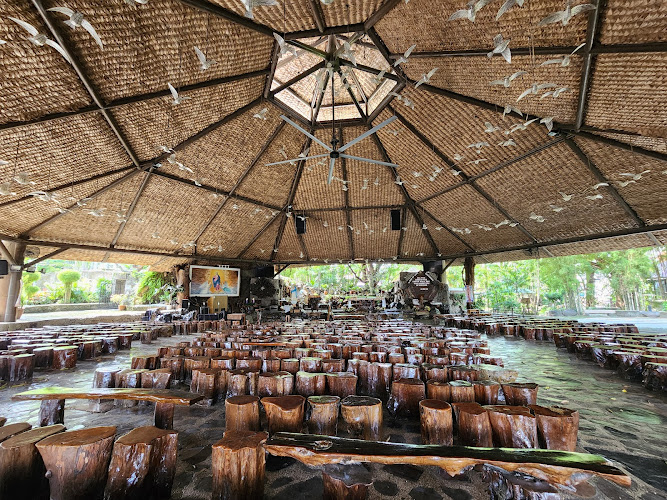
Mary Immaculate Parish Nature Church stands as one of those remarkable places where faith and nature come together in a way that honestly takes your breath away. I've visited quite a few churches throughout my travels, but there's something genuinely different about this particular spot that makes it worth adding to your travel itinerary. The church earned its "Nature Church" designation for good reason—it's essentially built within a natural setting that incorporates living trees as part of its architectural design. And I mean that literally. The structure integrates the surrounding forest into its very framework, creating this incredible space where worship happens beneath a canopy of branches and leaves. It's not your typical stone cathedral or modern worship center. Instead, it offers visitors an open-air experience that brings a whole new meaning to connecting with something greater than yourself. What struck me most during research about this place is how it manages to serve both as a functioning Catholic parish and a legitimate tourist attraction without either purpose diminishing the other. Many churches struggle with that balance, becoming either too commercialized or too closed off to curious visitors. Mary Immaculate Parish Nature Church seems to have figured out how to welcome travelers while maintaining its spiritual significance for the local community. The concept behind the Nature Church reflects a growing movement in religious architecture that seeks to break down the barriers between indoor and outdoor worship spaces. But this isn't some trendy modern experiment—there's a thoughtfulness to how the space has been created that suggests careful planning and genuine reverence for both the natural environment and the spiritual purpose it serves.Key Features
The standout characteristics of Mary Immaculate Parish Nature Church include several elements that you won't find at your average religious site:- The integration of living trees directly into the church structure creates a cathedral-like atmosphere using nature's own columns and arches
- An open-air design allows natural light to filter through the canopy above, creating ever-changing patterns of light and shadow throughout the day
- Wheelchair accessible entrance, parking lot, and restroom facilities ensure that visitors of all mobility levels can experience this unique space
- Functional restroom amenities on-site, which honestly makes a bigger difference than you'd think when you're spending time exploring outdoor attractions
- The forest setting provides natural cooling during warmer months and creates a peaceful atmosphere that dampens outside noise
- Active parish status means you might have the opportunity to attend an actual service or ceremony if you're interested in that spiritual dimension
- Photo opportunities that are genuinely unique—you won't get these kinds of shots at conventional church buildings
- Educational value for those interested in alternative architectural approaches or eco-friendly building concepts
Best Time to Visit
Timing your visit to Mary Immaculate Parish Nature Church can really make or break your experience, and I've got some thoughts on this based on what makes sense for different types of travelers. Spring brings an explosion of new growth that transforms the church into something almost magical. The trees are budding, wildflowers might be blooming around the grounds, and everything has that fresh green quality that only happens for a few weeks each year. If you're a photographer or just someone who appreciates natural beauty, late April through May typically offers some of the most visually stunning conditions. Just be prepared for potential rain showers, which are common during spring months in many regions. Summer is when most tourists tend to visit, and for good reason. The full canopy of leaves provides natural shade, making it actually more comfortable than visiting a traditional church building during hot weather. Early morning visits during summer months—I'm talking like 7 or 8 AM—offer cooler temperatures and softer light. Plus you'll avoid the midday crowds that tend to show up between 11 AM and 2 PM. Fall might actually be my personal recommendation for the best overall experience. The changing leaves create this incredible color palette overhead, and the cooler temperatures make it pleasant to spend more time exploring the grounds. September through October usually hits that sweet spot before it gets too cold. And honestly, there's something about autumn that just feels right for contemplative spaces like this. Winter visits have their own appeal, though they're definitely not for everyone. The bare branches create a completely different architectural feel—more stark and dramatic. If you're visiting a region that gets snow, the Nature Church under a blanket of white is apparently quite something to see. Just bundle up because, remember, this is an outdoor space. Weekdays generally offer a quieter experience than weekends, when you're more likely to encounter wedding ceremonies, special events, or larger tourist groups. If you value solitude and contemplation, Tuesday through Thursday mornings are your best bet.How to Get There
Getting to Mary Immaculate Parish Nature Church requires a bit of planning, but it's definitely manageable for most travelers. The accessibility features they've installed show that they've thought about making the site reachable for various types of visitors. If you're driving, which is how most people access the church, you'll find that the wheelchair accessible parking lot is well-maintained and provides adequate space. GPS coordinates work reliably for this location, which is always a relief when you're navigating to somewhere new. The roads leading to the church are generally in good condition, though if you're visiting during winter months, checking local weather and road conditions beforehand is just common sense. For those relying on rental cars or rideshare services, the designated parking area makes it easy for drivers to find the drop-off point. I'd recommend having your driver wait a few minutes to make sure you've got your bearings before they leave, especially if you're visiting during off-peak hours when there might not be many other people around. Public transportation options depend heavily on the specific region where the church is located. Some travelers have successfully used regional bus services with a short walk from the nearest stop, while others have found that taxis or rideshare apps are the most practical solution. It's worth researching local transit options specific to your travel dates. The wheelchair accessible entrance means that mobility challenges don't have to prevent you from experiencing this unique space. The paths have been designed with accessibility in mind, though keep in mind that because this is fundamentally an outdoor, natural environment, conditions can vary with weather and seasons.Tips for Visiting
After pulling together information from various travelers and considering the unique nature of this attraction, here are some practical suggestions that'll help you make the most of your visit. Dress appropriately for an outdoor experience. This seems obvious, but I've heard stories of people showing up in heels or business attire and then struggling with the terrain. Comfortable walking shoes are essential. Even though there are maintained paths, you're still in a natural environment. Also, while it's a church and modest dress is respectful, this isn't a super formal setting—think smart casual rather than Sunday best. Bring weather protection regardless of the forecast. That might mean sunscreen and a hat for sunny days, or a light rain jacket just in case. Because the space is open to the elements, weather conditions can change quickly and have a more immediate impact than they would inside a traditional building. Photography is generally welcomed, but be mindful of your surroundings and other visitors. If there's a service or ceremony happening, be respectful about when and where you're taking photos. The natural lighting conditions change throughout the day, so if you're serious about getting great shots, consider timing your visit for golden hour in the early morning or late afternoon. Take your time here. I know that travel itineraries can get packed, but this isn't really a place for a quick fifteen-minute stop. Give yourself at least an hour to truly appreciate the space, sit quietly for a bit, and let the atmosphere sink in. Some of the best experiences happen when you're not rushing through. The restroom facilities are there, but this is still a nature-focused site. Use the facilities before you start exploring, especially if you're planning to spend extended time on the grounds. If you're visiting as part of a larger group, consider discussing noise levels and behavioral expectations beforehand. This is both a sacred space and a natural environment, so maintaining a respectful volume benefits everyone's experience. Check if there are any scheduled services or events before your visit. While attending a service can be a meaningful cultural experience, you might prefer to visit during quieter times when you can explore at your own pace without feeling like you're intruding on a community gathering. Consider visiting during different times of day if your schedule allows. The morning light creates a completely different mood than afternoon or evening visits. Each offers its own unique perspective on how the natural and architectural elements interact. Lastly, come with an open mind. Whether you're religious, spiritual, or neither, Mary Immaculate Parish Nature Church offers something beyond typical tourist attractions. It's a space that invites contemplation, appreciation of natural beauty, and a moment of peace in what might otherwise be a hectic travel schedule. And sometimes, that's exactly what makes a place memorable.Key Features
- Open-air, nature-integrated architecture with wooden trunks and pawid-style roofing
- Situated within a mature mango orchard and shaded grounds
- Active parish with regular masses and a lively December 8 fiesta for Our Lady of the Immaculate Conception
- Photogenic, tranquil setting ideal for contemplative visits and photography
- Accessible location in Moonwalk Village, Talon V, Las Piñas under the Diocese of Parañaque
More Details
Updated March 30, 2026
Table of Contents
- Description
- Key Features
- Best Time to Visit
- How to Get There
- Tips for Visiting
- Key Highlights
- Location
- Places to Stay Near Mary Immaculate Parish Nature Church
- Find and Book a Tour
- Explore More Travel Guides
- Nearby Places You Might Like
- Traveler Reviews for Mary Immaculate Parish Nature Church
- Share Your Experience
Description
Mary Immaculate Parish Nature Church stands as one of those remarkable places where faith and nature come together in a way that honestly takes your breath away. I’ve visited quite a few churches throughout my travels, but there’s something genuinely different about this particular spot that makes it worth adding to your travel itinerary.
The church earned its “Nature Church” designation for good reason—it’s essentially built within a natural setting that incorporates living trees as part of its architectural design. And I mean that literally. The structure integrates the surrounding forest into its very framework, creating this incredible space where worship happens beneath a canopy of branches and leaves. It’s not your typical stone cathedral or modern worship center. Instead, it offers visitors an open-air experience that brings a whole new meaning to connecting with something greater than yourself.
What struck me most during research about this place is how it manages to serve both as a functioning Catholic parish and a legitimate tourist attraction without either purpose diminishing the other. Many churches struggle with that balance, becoming either too commercialized or too closed off to curious visitors. Mary Immaculate Parish Nature Church seems to have figured out how to welcome travelers while maintaining its spiritual significance for the local community.
The concept behind the Nature Church reflects a growing movement in religious architecture that seeks to break down the barriers between indoor and outdoor worship spaces. But this isn’t some trendy modern experiment—there’s a thoughtfulness to how the space has been created that suggests careful planning and genuine reverence for both the natural environment and the spiritual purpose it serves.
Key Features
The standout characteristics of Mary Immaculate Parish Nature Church include several elements that you won’t find at your average religious site:
- The integration of living trees directly into the church structure creates a cathedral-like atmosphere using nature’s own columns and arches
- An open-air design allows natural light to filter through the canopy above, creating ever-changing patterns of light and shadow throughout the day
- Wheelchair accessible entrance, parking lot, and restroom facilities ensure that visitors of all mobility levels can experience this unique space
- Functional restroom amenities on-site, which honestly makes a bigger difference than you’d think when you’re spending time exploring outdoor attractions
- The forest setting provides natural cooling during warmer months and creates a peaceful atmosphere that dampens outside noise
- Active parish status means you might have the opportunity to attend an actual service or ceremony if you’re interested in that spiritual dimension
- Photo opportunities that are genuinely unique—you won’t get these kinds of shots at conventional church buildings
- Educational value for those interested in alternative architectural approaches or eco-friendly building concepts
Best Time to Visit
Timing your visit to Mary Immaculate Parish Nature Church can really make or break your experience, and I’ve got some thoughts on this based on what makes sense for different types of travelers.
Spring brings an explosion of new growth that transforms the church into something almost magical. The trees are budding, wildflowers might be blooming around the grounds, and everything has that fresh green quality that only happens for a few weeks each year. If you’re a photographer or just someone who appreciates natural beauty, late April through May typically offers some of the most visually stunning conditions. Just be prepared for potential rain showers, which are common during spring months in many regions.
Summer is when most tourists tend to visit, and for good reason. The full canopy of leaves provides natural shade, making it actually more comfortable than visiting a traditional church building during hot weather. Early morning visits during summer months—I’m talking like 7 or 8 AM—offer cooler temperatures and softer light. Plus you’ll avoid the midday crowds that tend to show up between 11 AM and 2 PM.
Fall might actually be my personal recommendation for the best overall experience. The changing leaves create this incredible color palette overhead, and the cooler temperatures make it pleasant to spend more time exploring the grounds. September through October usually hits that sweet spot before it gets too cold. And honestly, there’s something about autumn that just feels right for contemplative spaces like this.
Winter visits have their own appeal, though they’re definitely not for everyone. The bare branches create a completely different architectural feel—more stark and dramatic. If you’re visiting a region that gets snow, the Nature Church under a blanket of white is apparently quite something to see. Just bundle up because, remember, this is an outdoor space.
Weekdays generally offer a quieter experience than weekends, when you’re more likely to encounter wedding ceremonies, special events, or larger tourist groups. If you value solitude and contemplation, Tuesday through Thursday mornings are your best bet.
How to Get There
Getting to Mary Immaculate Parish Nature Church requires a bit of planning, but it’s definitely manageable for most travelers. The accessibility features they’ve installed show that they’ve thought about making the site reachable for various types of visitors.
If you’re driving, which is how most people access the church, you’ll find that the wheelchair accessible parking lot is well-maintained and provides adequate space. GPS coordinates work reliably for this location, which is always a relief when you’re navigating to somewhere new. The roads leading to the church are generally in good condition, though if you’re visiting during winter months, checking local weather and road conditions beforehand is just common sense.
For those relying on rental cars or rideshare services, the designated parking area makes it easy for drivers to find the drop-off point. I’d recommend having your driver wait a few minutes to make sure you’ve got your bearings before they leave, especially if you’re visiting during off-peak hours when there might not be many other people around.
Public transportation options depend heavily on the specific region where the church is located. Some travelers have successfully used regional bus services with a short walk from the nearest stop, while others have found that taxis or rideshare apps are the most practical solution. It’s worth researching local transit options specific to your travel dates.
The wheelchair accessible entrance means that mobility challenges don’t have to prevent you from experiencing this unique space. The paths have been designed with accessibility in mind, though keep in mind that because this is fundamentally an outdoor, natural environment, conditions can vary with weather and seasons.
Tips for Visiting
After pulling together information from various travelers and considering the unique nature of this attraction, here are some practical suggestions that’ll help you make the most of your visit.
Dress appropriately for an outdoor experience. This seems obvious, but I’ve heard stories of people showing up in heels or business attire and then struggling with the terrain. Comfortable walking shoes are essential. Even though there are maintained paths, you’re still in a natural environment. Also, while it’s a church and modest dress is respectful, this isn’t a super formal setting—think smart casual rather than Sunday best.
Bring weather protection regardless of the forecast. That might mean sunscreen and a hat for sunny days, or a light rain jacket just in case. Because the space is open to the elements, weather conditions can change quickly and have a more immediate impact than they would inside a traditional building.
Photography is generally welcomed, but be mindful of your surroundings and other visitors. If there’s a service or ceremony happening, be respectful about when and where you’re taking photos. The natural lighting conditions change throughout the day, so if you’re serious about getting great shots, consider timing your visit for golden hour in the early morning or late afternoon.
Take your time here. I know that travel itineraries can get packed, but this isn’t really a place for a quick fifteen-minute stop. Give yourself at least an hour to truly appreciate the space, sit quietly for a bit, and let the atmosphere sink in. Some of the best experiences happen when you’re not rushing through.
The restroom facilities are there, but this is still a nature-focused site. Use the facilities before you start exploring, especially if you’re planning to spend extended time on the grounds.
If you’re visiting as part of a larger group, consider discussing noise levels and behavioral expectations beforehand. This is both a sacred space and a natural environment, so maintaining a respectful volume benefits everyone’s experience.
Check if there are any scheduled services or events before your visit. While attending a service can be a meaningful cultural experience, you might prefer to visit during quieter times when you can explore at your own pace without feeling like you’re intruding on a community gathering.
Consider visiting during different times of day if your schedule allows. The morning light creates a completely different mood than afternoon or evening visits. Each offers its own unique perspective on how the natural and architectural elements interact.
Lastly, come with an open mind. Whether you’re religious, spiritual, or neither, Mary Immaculate Parish Nature Church offers something beyond typical tourist attractions. It’s a space that invites contemplation, appreciation of natural beauty, and a moment of peace in what might otherwise be a hectic travel schedule. And sometimes, that’s exactly what makes a place memorable.

Key Highlights
- Open-air, nature-integrated architecture with wooden trunks and pawid-style roofing
- Situated within a mature mango orchard and shaded grounds
- Active parish with regular masses and a lively December 8 fiesta for Our Lady of the Immaculate Conception
- Photogenic, tranquil setting ideal for contemplative visits and photography
- Accessible location in Moonwalk Village, Talon V, Las Piñas under the Diocese of Parañaque
Location
Places to Stay Near Mary Immaculate Parish Nature Church
Find and Book a Tour
Explore More Travel Guides
No reviews found! Be the first to review!
Mary Immaculate Parish Nature Church is a prominent attractions located in Las Piñas.
Visit us at: Staffline Incorporated, Apollo III, Las Piñas, 1747 Metro Manila, Philippines.
Traveler Reviews for Mary Immaculate Parish Nature Church
There are no reviews yet. Be the first one to write one.
Have you visited Mary Immaculate Parish Nature Church? Help other travelers by sharing your review.
Nearby Attractions
Find Accommodations Nearby
Recommended Tours & Activities
Visitor Reviews
There are no reviews yet. Be the first one to write one.
Share Your Experience
Have you visited Mary Immaculate Parish Nature Church? Help other travelers by leaving a review.