
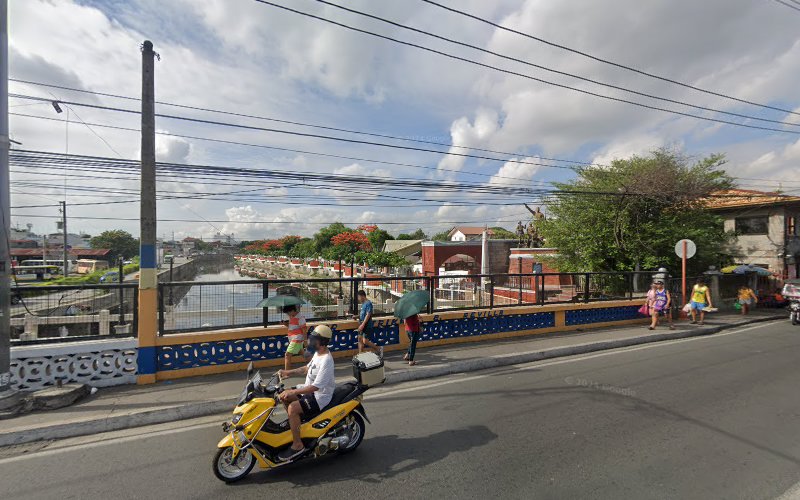
Labanan Sa Zapote Historical Marker
About Labanan Sa Zapote Historical Marker
Description
Standing quietly along the historic Zapote Bridge is the Labanan sa Zapote Historical Marker, a solemn reminder of the fierce courage and unyielding spirit of the Filipino revolutionaries. This landmark, recognized as a Level I National Historical Landmark by the National Historical Commission of the Philippines, commemorates two pivotal battles that unfolded here — one against the Spaniards in 1897 and another against the Americans in 1899. Each clash shaped the course of Philippine independence, and walking near the marker today feels like stepping through the echoes of history itself.
There’s something deeply humbling about being in a place where the past feels so close. The air around Zapote Bridge carries a quiet dignity, and the marker itself, though modest in size, holds an enormous story. It honors not just the leaders like General Emilio Aguinaldo and General Edilberto Evangelista, but also the countless unnamed soldiers who fought bravely for freedom. For travelers who appreciate history, this spot offers more than just a photo opportunity — it’s a chance to reflect on the sacrifices that carved the country’s path to independence.
What I personally love about visiting this site is how it fuses the old and the new. The bridge still serves modern traffic, yet the marker stands firm, like a sentinel guarding the past. You might hear the hum of vehicles passing by, but if you pause for a moment, you can almost imagine the thunder of gunfire and the cries of revolution echoing through the air more than a century ago. It’s surreal, honestly. And it makes you realize how far the nation has come since those turbulent days.
Families often stop by here, especially those introducing their kids to Philippine history beyond textbooks. It’s a good place for children to see history come alive, to feel it rather than just read about it. The marker’s simplicity makes it approachable, while the story behind it gives weight and meaning to the visit. It’s not a flashy tourist attraction — it’s something better: a genuine piece of the Filipino story, standing right where it all happened.
Key Features
- Historical significance: Marks the site of two major battles — the 1897 fight against Spanish forces and the 1899 clash with American troops during the Philippine-American War.
- National recognition: Declared a National Historical Landmark by the National Historical Commission of the Philippines in 2013.
- Educational value: Ideal for students, history buffs, and families wanting to learn about the country’s revolutionary past.
- Accessibility: Located along a major highway, making it easy to include in a Cavite or Las Piñas heritage tour.
- Commemorative marker: Features an official NHCP plaque detailing the events that took place at the site.
- Nearby attractions: Close to other historical and cultural sites, allowing visitors to explore more of Cavite’s revolutionary landmarks in one trip.
While the marker itself might seem simple, it’s the story it tells that makes it powerful. You can feel the weight of history pressing softly on your shoulders as you stand there. I remember visiting once on a cloudy afternoon — the kind of day where everything feels muted — and it hit me how much courage it must have taken to fight here, with so little and against so much. It’s not just a monument; it’s a memory carved in stone.
Best Time to Visit
If you’re planning a trip, mornings or late afternoons are the best times to visit. The light is softer then, perfect for photos, and the area tends to be less busy. The dry months from November to May are ideal since you won’t have to worry about sudden rain showers. I once went during the rainy season, and while the drizzle added a kind of poetic touch to the experience, it also made it tricky to linger and read the marker comfortably. So, unless you’re a fan of moody weather and damp shoes, stick to the sunnier months.
Visiting early also lets you pair your stop here with other nearby attractions — maybe a side trip to Kawit or a food crawl in Bacoor. There’s something special about starting your day with a bit of history before diving into the livelier parts of Cavite. It sets the tone, you know? Like you’re grounding yourself in the stories that shaped everything else you see that day.
How to Get There
Getting to the Labanan sa Zapote Historical Marker is pretty straightforward. If you’re coming from Metro Manila, you can take a bus or jeepney bound for Bacoor or Dasmariñas — just tell the driver you’re getting off near Zapote Bridge. For those driving, the route along Aguinaldo Highway is direct and well-marked. Parking can be a bit limited, so it’s best to plan your stop as part of a short walking tour or a quick detour on your way to another Cavite destination.
Public transport is frequent, especially during the day. And honestly, there’s a certain charm in commuting there. You get to see the everyday life of the locals — the vendors, the tricycles, the little eateries tucked beside the road. It’s a slice of Filipino life that makes the historical visit feel even more grounded. If you’re using a navigation app, just type in “Labanan sa Zapote Historical Marker” and you’ll find it easily. The marker stands prominently near the bridge, so you can’t really miss it once you’re close.
Tips for Visiting
Here are a few things I’ve learned from my visits — little details that can make your trip smoother and more meaningful:
- Take your time. Don’t just snap a photo and leave. Read the marker, breathe in the atmosphere, and let the history sink in. It’s worth those extra minutes.
- Bring water. The area can get hot, especially around noon. A small bottle of water goes a long way.
- Pair it with nearby sites. The marker is close to other historical landmarks in Cavite, so you can easily turn this into a mini heritage day trip.
- Be respectful. Remember, this is a memorial site. Keep noise to a minimum and avoid leaning or sitting on the marker.
- Teach the kids. If you’re traveling with children, tell them about the battles that took place here. It’s a great way to make history come alive for them.
- Check the weather. Rain can make the area slippery. A quick weather check before heading out can save you from a soggy experience.
And here’s one more tip from personal experience — bring a small notebook or jot down a few thoughts on your phone right after your visit. There’s something about reflecting on what you just saw that helps you remember it better. I still have my notes from my first visit years ago, and reading them now brings back the same sense of awe and gratitude I felt standing there.
The Labanan sa Zapote Historical Marker might not be the grandest or most photographed site in Cavite, but it’s one of those places that quietly stays with you. It’s a reminder of bravery, resilience, and the price of freedom. For travelers who seek meaning in their journeys, this marker is more than a stop — it’s a story waiting to be felt.
Key Features
- Key Features
- Best Time to Visit
- How to Get There
- Tips for Visiting
More Details
Updated November 7, 2025
Table of Contents
- Description
- Key Features
- Best Time to Visit
- How to Get There
- Tips for Visiting
- Key Highlights
- Location
- Places to Stay Near Labanan Sa Zapote Historical Marker
- Find and Book a Tour
- Explore More Travel Guides
- Nearby Places You Might Like
- Traveler Reviews for Labanan Sa Zapote Historical Marker
- Share Your Experience
Description
Standing quietly along the historic Zapote Bridge is the Labanan sa Zapote Historical Marker, a solemn reminder of the fierce courage and unyielding spirit of the Filipino revolutionaries. This landmark, recognized as a Level I National Historical Landmark by the National Historical Commission of the Philippines, commemorates two pivotal battles that unfolded here — one against the Spaniards in 1897 and another against the Americans in 1899. Each clash shaped the course of Philippine independence, and walking near the marker today feels like stepping through the echoes of history itself.
There’s something deeply humbling about being in a place where the past feels so close. The air around Zapote Bridge carries a quiet dignity, and the marker itself, though modest in size, holds an enormous story. It honors not just the leaders like General Emilio Aguinaldo and General Edilberto Evangelista, but also the countless unnamed soldiers who fought bravely for freedom. For travelers who appreciate history, this spot offers more than just a photo opportunity — it’s a chance to reflect on the sacrifices that carved the country’s path to independence.
What I personally love about visiting this site is how it fuses the old and the new. The bridge still serves modern traffic, yet the marker stands firm, like a sentinel guarding the past. You might hear the hum of vehicles passing by, but if you pause for a moment, you can almost imagine the thunder of gunfire and the cries of revolution echoing through the air more than a century ago. It’s surreal, honestly. And it makes you realize how far the nation has come since those turbulent days.
Families often stop by here, especially those introducing their kids to Philippine history beyond textbooks. It’s a good place for children to see history come alive, to feel it rather than just read about it. The marker’s simplicity makes it approachable, while the story behind it gives weight and meaning to the visit. It’s not a flashy tourist attraction — it’s something better: a genuine piece of the Filipino story, standing right where it all happened.
Key Features
- Historical significance: Marks the site of two major battles — the 1897 fight against Spanish forces and the 1899 clash with American troops during the Philippine-American War.
- National recognition: Declared a National Historical Landmark by the National Historical Commission of the Philippines in 2013.
- Educational value: Ideal for students, history buffs, and families wanting to learn about the country’s revolutionary past.
- Accessibility: Located along a major highway, making it easy to include in a Cavite or Las Piñas heritage tour.
- Commemorative marker: Features an official NHCP plaque detailing the events that took place at the site.
- Nearby attractions: Close to other historical and cultural sites, allowing visitors to explore more of Cavite’s revolutionary landmarks in one trip.
While the marker itself might seem simple, it’s the story it tells that makes it powerful. You can feel the weight of history pressing softly on your shoulders as you stand there. I remember visiting once on a cloudy afternoon — the kind of day where everything feels muted — and it hit me how much courage it must have taken to fight here, with so little and against so much. It’s not just a monument; it’s a memory carved in stone.
Best Time to Visit
If you’re planning a trip, mornings or late afternoons are the best times to visit. The light is softer then, perfect for photos, and the area tends to be less busy. The dry months from November to May are ideal since you won’t have to worry about sudden rain showers. I once went during the rainy season, and while the drizzle added a kind of poetic touch to the experience, it also made it tricky to linger and read the marker comfortably. So, unless you’re a fan of moody weather and damp shoes, stick to the sunnier months.
Visiting early also lets you pair your stop here with other nearby attractions — maybe a side trip to Kawit or a food crawl in Bacoor. There’s something special about starting your day with a bit of history before diving into the livelier parts of Cavite. It sets the tone, you know? Like you’re grounding yourself in the stories that shaped everything else you see that day.
How to Get There
Getting to the Labanan sa Zapote Historical Marker is pretty straightforward. If you’re coming from Metro Manila, you can take a bus or jeepney bound for Bacoor or Dasmariñas — just tell the driver you’re getting off near Zapote Bridge. For those driving, the route along Aguinaldo Highway is direct and well-marked. Parking can be a bit limited, so it’s best to plan your stop as part of a short walking tour or a quick detour on your way to another Cavite destination.
Public transport is frequent, especially during the day. And honestly, there’s a certain charm in commuting there. You get to see the everyday life of the locals — the vendors, the tricycles, the little eateries tucked beside the road. It’s a slice of Filipino life that makes the historical visit feel even more grounded. If you’re using a navigation app, just type in “Labanan sa Zapote Historical Marker” and you’ll find it easily. The marker stands prominently near the bridge, so you can’t really miss it once you’re close.
Tips for Visiting
Here are a few things I’ve learned from my visits — little details that can make your trip smoother and more meaningful:
- Take your time. Don’t just snap a photo and leave. Read the marker, breathe in the atmosphere, and let the history sink in. It’s worth those extra minutes.
- Bring water. The area can get hot, especially around noon. A small bottle of water goes a long way.
- Pair it with nearby sites. The marker is close to other historical landmarks in Cavite, so you can easily turn this into a mini heritage day trip.
- Be respectful. Remember, this is a memorial site. Keep noise to a minimum and avoid leaning or sitting on the marker.
- Teach the kids. If you’re traveling with children, tell them about the battles that took place here. It’s a great way to make history come alive for them.
- Check the weather. Rain can make the area slippery. A quick weather check before heading out can save you from a soggy experience.
And here’s one more tip from personal experience — bring a small notebook or jot down a few thoughts on your phone right after your visit. There’s something about reflecting on what you just saw that helps you remember it better. I still have my notes from my first visit years ago, and reading them now brings back the same sense of awe and gratitude I felt standing there.
The Labanan sa Zapote Historical Marker might not be the grandest or most photographed site in Cavite, but it’s one of those places that quietly stays with you. It’s a reminder of bravery, resilience, and the price of freedom. For travelers who seek meaning in their journeys, this marker is more than a stop — it’s a story waiting to be felt.
Key Highlights
- Key Features
- Best Time to Visit
- How to Get There
- Tips for Visiting
Location
Places to Stay Near Labanan Sa Zapote Historical Marker
Find and Book a Tour
Explore More Travel Guides
No reviews found! Be the first to review!
Traveler Reviews for Labanan Sa Zapote Historical Marker
There are no reviews yet. Be the first one to write one.
Have you visited Labanan Sa Zapote Historical Marker? Help other travelers by sharing your review.
You Might Also Like

Sionil Builders Corporation

Golden Haven Memorial Park - Las Piñas

Santuario de San Ezekiel Moreno
Find Accommodations Nearby
Recommended Tours & Activities
Visitor Reviews
There are no reviews yet. Be the first one to write one.
Share Your Experience
Have you visited Labanan Sa Zapote Historical Marker? Help other travelers by leaving a review.