About Marlin Statue

Description

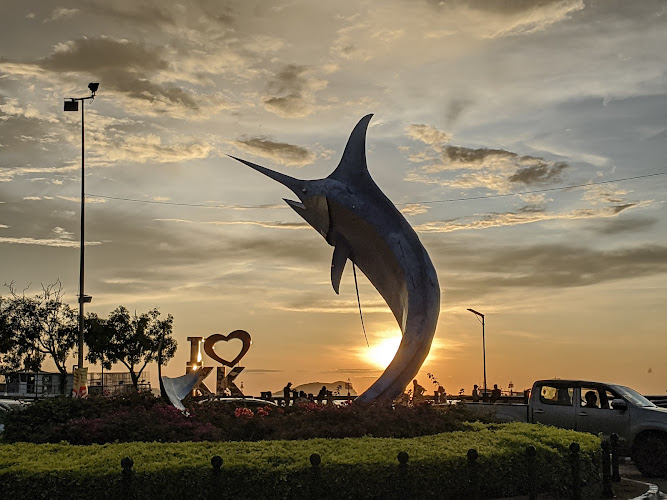
The Marlin Statue has become one of those roadside attractions that manages to capture something essential about coastal culture and the relationship between people and the sea. Standing proudly with its distinctive metallic sheen catching the light, this oversized sculpture pays tribute to one of the ocean's most magnificent gamefish. And honestly, there's something wonderfully unpretentious about it – it doesn't try to be more than what it is, which is a celebration of fishing heritage and maritime tradition. When you first catch sight of the statue, you'll likely be struck by its impressive size. The sculpture depicts a marlin in mid-leap, frozen in that spectacular moment when these powerful fish break through the water's surface. The craftsmanship shows real attention to the marlin's distinctive features – that elongated bill, the powerful body, the dorsal fin that makes these creatures so recognizable. I've always thought there's something almost poetic about preserving that split-second of athletic grace in permanent form. What makes this attraction particularly appealing is its accessibility. The site features wheelchair-accessible entrances, making it welcoming for visitors of all mobility levels. Families with young children will find it an easy stop that doesn't require extensive walking or complicated navigation. Sometimes the best attractions are the ones that don't demand too much from you – you can simply show up, appreciate what's there, and move on with your day feeling like you've seen something worthwhile. The statue serves as more than just a photo opportunity, though plenty of visitors certainly treat it that way (and there's nothing wrong with that). It represents the deep connection coastal communities have with sportfishing and ocean conservation. Marlin fishing has been part of maritime culture for generations, and this monument acknowledges that heritage while also serving as a reminder of why we need to protect ocean ecosystems.

Key Features

The Marlin Statue offers several distinctive characteristics that make it worth adding to your travel itinerary:
  • Impressive scale that captures the power and majesty of these remarkable gamefish in a way that photographs don't quite do justice
  • Wheelchair accessible entrance ensuring all visitors can experience the attraction without barriers or complications
  • Family-friendly environment that works well for travelers with children who need quick, engaging stops during longer journeys
  • Excellent photography opportunities particularly during golden hour when the light interacts beautifully with the statue's surface
  • Educational value for kids and adults who want to learn more about marlin species and their importance to marine ecosystems
  • Quick visit timeframe that respects your schedule – you can appreciate everything the statue offers in 15-30 minutes
  • Free admission making it an budget-friendly addition to any travel itinerary
  • Minimal crowds compared to major tourist attractions, giving you space to take photos without fighting through throngs of other visitors
  • Sunset viewing opportunities that transform the statue into a striking silhouette against colorful evening skies
  • Connection to local fishing culture providing insight into the community's relationship with the ocean

Best Time to Visit

Timing your visit to the Marlin Statue can make a significant difference in your experience. The absolute best time to see this attraction is during sunset hours. I can't stress this enough – the way the fading light plays across the statue's surface creates this almost magical quality. The marlin becomes a dramatic silhouette against the sky, and if you're lucky enough to catch one of those spectacular sunset displays with oranges and purples streaking across the horizon, you'll understand why photographers make special trips just for this moment. Early morning visits offer their own advantages, particularly if you're someone who appreciates quieter experiences. You'll likely have the place mostly to yourself, which is perfect for contemplative viewing or getting those unobstructed photos. The morning light has a different quality – softer, more diffused – that brings out the statue's details rather than creating dramatic contrasts. Weekdays generally see fewer visitors than weekends, which matters if you prefer not sharing your experience with large groups. But honestly, the Marlin Statue rarely gets overwhelmingly crowded even during peak times. That's part of its charm – it hasn't been discovered to the point of becoming a victim of its own popularity. Weather considerations matter too. Clear days obviously provide better visibility and photo opportunities, though I've seen some compelling images taken during overcast conditions when the clouds add mood and atmosphere. Just maybe avoid visiting during active rainstorms unless you're really committed to the experience. Summer months bring more tourists to coastal areas generally, so expect slightly higher visitor numbers during June through August. Spring and fall offer pleasant weather with fewer crowds, making them ideal if you want a more relaxed visit. Winter can be perfectly fine depending on the local climate – just check weather forecasts and dress accordingly. If you're planning your visit around other activities in the area, consider making the Marlin Statue your sunset destination after spending the day at nearby attractions. It works beautifully as a contemplative end to a busy day of sightseeing.

How to Get There

Getting to the Marlin Statue is refreshingly straightforward, which honestly feels like a relief when you've dealt with attractions that require complicated navigation through confusing streets or poorly marked routes. Most visitors arrive by personal vehicle, and parking is generally available nearby without the hassle of expensive fees or limited spaces. If you're driving, your GPS should get you there without issues – just search for the Marlin Statue and follow the directions. The statue is typically visible from the road, so you'll know when you're getting close. Look for other vehicles parked in the area, which usually indicates you've found the right spot. For those relying on rideshare services like Uber or Lyft, the statue makes an easy destination. Drivers familiar with the area will know exactly where to take you. Just be aware that you might want to arrange your return ride in advance, particularly if you're visiting during off-peak hours when fewer drivers might be circulating in the area. Public transportation options depend entirely on the local transit system, which varies by location. Some areas have bus routes that stop within reasonable walking distance, while others might require a longer walk or combination of transit methods. Check local transit apps or websites for specific route information. Walking or biking to the statue can be pleasant if you're staying nearby. The wheelchair-accessible entrance indicates that pathways are well-maintained and manageable for various mobility devices. And there's something nice about approaching at a slower pace, building anticipation as the statue comes into view. Tour buses occasionally include the Marlin Statue as a brief stop on coastal sightseeing routes. While this limits your time at the attraction, it's a convenient option if you're already booked on one of these tours and want to see multiple destinations without arranging separate transportation.

Tips for Visiting

After considering what makes visits to the Marlin Statue most successful, a few practical suggestions can help you make the most of your time there. First thing – bring your camera or make sure your phone is charged. Yeah, I know that sounds obvious, but you'd be surprised how many people arrive at photo-worthy locations with dead batteries. The statue photographs well from multiple angles, so take time to walk around it rather than snapping one quick shot and leaving. Sunset visits require a bit more planning. Arrive at least 20-30 minutes before the sun actually sets. This gives you time to scout the best vantage points and set up your shots before the light starts changing rapidly. Those pre-sunset minutes often produce the most interesting light anyway, with that warm golden glow that photographers call the magic hour. For families with kids, bring along some information about marlins beforehand. A quick conversation about these fish – how big they grow, how fast they swim, why they're important to ocean health – transforms the visit from "looking at a statue" into an educational experience. Children respond well to concrete facts like "marlins can swim up to 50 miles per hour" or "they can weigh over 1,000 pounds." Dress appropriately for coastal weather, which can be unpredictable. Even on warm days, bring a light jacket for evening visits when temperatures drop. Comfortable walking shoes make sense even though you won't be hiking miles – you'll want to move around the statue to see it from different perspectives. The wheelchair accessibility is genuine, not just technically compliant. Visitors using mobility devices can fully experience the attraction without assistance, though having a companion along never hurts if you want someone to help with photography or provide company. Don't rush your visit. Sure, you can see everything in ten minutes if you're pressed for time, but giving yourself a full half hour allows for a more contemplative experience. Sit for a few minutes. Think about the ocean and the creatures that inhabit it. Let your mind wander a bit. These moments of quiet reflection are valuable, and the Marlin Statue provides a surprisingly good setting for them. Check the weather forecast before heading out, particularly if you're making a special trip primarily to see the statue. While it's viewable in various conditions, your experience will be significantly better on clear days when visibility is good. Respect the site and surrounding area. This should go without saying, but leave no trace of your visit except footprints and photographs. The statue's continued accessibility depends on visitors treating it and the area around it with care. Consider combining your visit with other nearby attractions or activities to make a fuller day of it. The Marlin Statue works well as part of a coastal exploration itinerary rather than as a standalone destination, though it certainly holds its own if you're in the area and looking for a quick, interesting stop. Finally, manage your expectations appropriately. This is a statue of a fish – a well-executed, impressively sized statue, but still fundamentally a single monument. If you approach it expecting a full-scale theme park experience, you'll be disappointed. But if you appreciate it for what it actually is – a tribute to maritime heritage, a photo opportunity, a brief connection to ocean culture – you'll likely come away satisfied.

Key Features

  • Prominent waterfront location with views of Pulau Gaya and nearby islands
  • Distinctive leaping marlin sculpture with metallic finish
  • Easy access from Jesselton Point ferry terminal and central market
  • Popular sunset and photo spot for tourists and locals
  • Symbolic tribute to Kota Kinabalu’s maritime and fishing heritage

More Details

Updated January 17, 2026

Description

The Marlin Statue has become one of those roadside attractions that manages to capture something essential about coastal culture and the relationship between people and the sea. Standing proudly with its distinctive metallic sheen catching the light, this oversized sculpture pays tribute to one of the ocean’s most magnificent gamefish. And honestly, there’s something wonderfully unpretentious about it – it doesn’t try to be more than what it is, which is a celebration of fishing heritage and maritime tradition.

When you first catch sight of the statue, you’ll likely be struck by its impressive size. The sculpture depicts a marlin in mid-leap, frozen in that spectacular moment when these powerful fish break through the water’s surface. The craftsmanship shows real attention to the marlin’s distinctive features – that elongated bill, the powerful body, the dorsal fin that makes these creatures so recognizable. I’ve always thought there’s something almost poetic about preserving that split-second of athletic grace in permanent form.

What makes this attraction particularly appealing is its accessibility. The site features wheelchair-accessible entrances, making it welcoming for visitors of all mobility levels. Families with young children will find it an easy stop that doesn’t require extensive walking or complicated navigation. Sometimes the best attractions are the ones that don’t demand too much from you – you can simply show up, appreciate what’s there, and move on with your day feeling like you’ve seen something worthwhile.

The statue serves as more than just a photo opportunity, though plenty of visitors certainly treat it that way (and there’s nothing wrong with that). It represents the deep connection coastal communities have with sportfishing and ocean conservation. Marlin fishing has been part of maritime culture for generations, and this monument acknowledges that heritage while also serving as a reminder of why we need to protect ocean ecosystems.

Key Features

The Marlin Statue offers several distinctive characteristics that make it worth adding to your travel itinerary:

  • Impressive scale that captures the power and majesty of these remarkable gamefish in a way that photographs don’t quite do justice
  • Wheelchair accessible entrance ensuring all visitors can experience the attraction without barriers or complications
  • Family-friendly environment that works well for travelers with children who need quick, engaging stops during longer journeys
  • Excellent photography opportunities particularly during golden hour when the light interacts beautifully with the statue’s surface
  • Educational value for kids and adults who want to learn more about marlin species and their importance to marine ecosystems
  • Quick visit timeframe that respects your schedule – you can appreciate everything the statue offers in 15-30 minutes
  • Free admission making it an budget-friendly addition to any travel itinerary
  • Minimal crowds compared to major tourist attractions, giving you space to take photos without fighting through throngs of other visitors
  • Sunset viewing opportunities that transform the statue into a striking silhouette against colorful evening skies
  • Connection to local fishing culture providing insight into the community’s relationship with the ocean

Best Time to Visit

Timing your visit to the Marlin Statue can make a significant difference in your experience. The absolute best time to see this attraction is during sunset hours. I can’t stress this enough – the way the fading light plays across the statue’s surface creates this almost magical quality. The marlin becomes a dramatic silhouette against the sky, and if you’re lucky enough to catch one of those spectacular sunset displays with oranges and purples streaking across the horizon, you’ll understand why photographers make special trips just for this moment.

Early morning visits offer their own advantages, particularly if you’re someone who appreciates quieter experiences. You’ll likely have the place mostly to yourself, which is perfect for contemplative viewing or getting those unobstructed photos. The morning light has a different quality – softer, more diffused – that brings out the statue’s details rather than creating dramatic contrasts.

Weekdays generally see fewer visitors than weekends, which matters if you prefer not sharing your experience with large groups. But honestly, the Marlin Statue rarely gets overwhelmingly crowded even during peak times. That’s part of its charm – it hasn’t been discovered to the point of becoming a victim of its own popularity.

Weather considerations matter too. Clear days obviously provide better visibility and photo opportunities, though I’ve seen some compelling images taken during overcast conditions when the clouds add mood and atmosphere. Just maybe avoid visiting during active rainstorms unless you’re really committed to the experience.

Summer months bring more tourists to coastal areas generally, so expect slightly higher visitor numbers during June through August. Spring and fall offer pleasant weather with fewer crowds, making them ideal if you want a more relaxed visit. Winter can be perfectly fine depending on the local climate – just check weather forecasts and dress accordingly.

If you’re planning your visit around other activities in the area, consider making the Marlin Statue your sunset destination after spending the day at nearby attractions. It works beautifully as a contemplative end to a busy day of sightseeing.

How to Get There

Getting to the Marlin Statue is refreshingly straightforward, which honestly feels like a relief when you’ve dealt with attractions that require complicated navigation through confusing streets or poorly marked routes. Most visitors arrive by personal vehicle, and parking is generally available nearby without the hassle of expensive fees or limited spaces.

If you’re driving, your GPS should get you there without issues – just search for the Marlin Statue and follow the directions. The statue is typically visible from the road, so you’ll know when you’re getting close. Look for other vehicles parked in the area, which usually indicates you’ve found the right spot.

For those relying on rideshare services like Uber or Lyft, the statue makes an easy destination. Drivers familiar with the area will know exactly where to take you. Just be aware that you might want to arrange your return ride in advance, particularly if you’re visiting during off-peak hours when fewer drivers might be circulating in the area.

Public transportation options depend entirely on the local transit system, which varies by location. Some areas have bus routes that stop within reasonable walking distance, while others might require a longer walk or combination of transit methods. Check local transit apps or websites for specific route information.

Walking or biking to the statue can be pleasant if you’re staying nearby. The wheelchair-accessible entrance indicates that pathways are well-maintained and manageable for various mobility devices. And there’s something nice about approaching at a slower pace, building anticipation as the statue comes into view.

Tour buses occasionally include the Marlin Statue as a brief stop on coastal sightseeing routes. While this limits your time at the attraction, it’s a convenient option if you’re already booked on one of these tours and want to see multiple destinations without arranging separate transportation.

Tips for Visiting

After considering what makes visits to the Marlin Statue most successful, a few practical suggestions can help you make the most of your time there. First thing – bring your camera or make sure your phone is charged. Yeah, I know that sounds obvious, but you’d be surprised how many people arrive at photo-worthy locations with dead batteries. The statue photographs well from multiple angles, so take time to walk around it rather than snapping one quick shot and leaving.

Sunset visits require a bit more planning. Arrive at least 20-30 minutes before the sun actually sets. This gives you time to scout the best vantage points and set up your shots before the light starts changing rapidly. Those pre-sunset minutes often produce the most interesting light anyway, with that warm golden glow that photographers call the magic hour.

For families with kids, bring along some information about marlins beforehand. A quick conversation about these fish – how big they grow, how fast they swim, why they’re important to ocean health – transforms the visit from “looking at a statue” into an educational experience. Children respond well to concrete facts like “marlins can swim up to 50 miles per hour” or “they can weigh over 1,000 pounds.”

Dress appropriately for coastal weather, which can be unpredictable. Even on warm days, bring a light jacket for evening visits when temperatures drop. Comfortable walking shoes make sense even though you won’t be hiking miles – you’ll want to move around the statue to see it from different perspectives.

The wheelchair accessibility is genuine, not just technically compliant. Visitors using mobility devices can fully experience the attraction without assistance, though having a companion along never hurts if you want someone to help with photography or provide company.

Don’t rush your visit. Sure, you can see everything in ten minutes if you’re pressed for time, but giving yourself a full half hour allows for a more contemplative experience. Sit for a few minutes. Think about the ocean and the creatures that inhabit it. Let your mind wander a bit. These moments of quiet reflection are valuable, and the Marlin Statue provides a surprisingly good setting for them.

Check the weather forecast before heading out, particularly if you’re making a special trip primarily to see the statue. While it’s viewable in various conditions, your experience will be significantly better on clear days when visibility is good.

Respect the site and surrounding area. This should go without saying, but leave no trace of your visit except footprints and photographs. The statue’s continued accessibility depends on visitors treating it and the area around it with care.

Consider combining your visit with other nearby attractions or activities to make a fuller day of it. The Marlin Statue works well as part of a coastal exploration itinerary rather than as a standalone destination, though it certainly holds its own if you’re in the area and looking for a quick, interesting stop.

Finally, manage your expectations appropriately. This is a statue of a fish – a well-executed, impressively sized statue, but still fundamentally a single monument. If you approach it expecting a full-scale theme park experience, you’ll be disappointed. But if you appreciate it for what it actually is – a tribute to maritime heritage, a photo opportunity, a brief connection to ocean culture – you’ll likely come away satisfied.

Key Highlights

  • Prominent waterfront location with views of Pulau Gaya and nearby islands
  • Distinctive leaping marlin sculpture with metallic finish
  • Easy access from Jesselton Point ferry terminal and central market
  • Popular sunset and photo spot for tourists and locals
  • Symbolic tribute to Kota Kinabalu’s maritime and fishing heritage

Location

Places to Stay Near Marlin Statue

Find and Book a Tour

Explore More Travel Guides

No reviews found! Be the first to review!

Traveler Reviews for Marlin Statue

There are no reviews yet. Be the first one to write one.

Share Your Experience

Have you visited Marlin Statue? Help other travelers by sharing your review.

Nearby Attractions

Jesselton Point Ferry Terminal Kota Kinabalu Central Market (Filipino Market) Waterfront promenade and nearby cafés

Find Accommodations Nearby

Recommended Tours & Activities

Visitor Reviews

There are no reviews yet. Be the first one to write one.

Share Your Experience

Have you visited Marlin Statue? Help other travelers by leaving a review.