

Marc Chagall National Museum
About Marc Chagall National Museum
Description
The Marc Chagall National Museum in Nice feels less like a traditional museum and more like a quiet conversation between art, faith, and imagination. Dedicated to the Russian-born French painter Marc Chagall, this museum is one of those rare places where you sense the artist’s spirit lingering in the air. It opened in 1973, and Chagall himself had a hand in its design—a fact that makes the experience feel deeply personal. The museum primarily showcases his “Biblical Message” series, a collection of monumental paintings inspired by stories from the Old Testament. But it’s not just about religion; it’s about color, emotion, and the human condition.
Walking through the museum, you can almost feel Chagall’s love for storytelling. His paintings seem to float, filled with dreamlike figures—angels, lovers, animals, and musicians—all swirling in a kaleidoscope of blues, reds, and golds. The natural light filtering through the stained-glass windows gives the space a soft, almost sacred glow. I remember sitting on one of the benches, just staring at the “Song of Songs” panels, realizing how Chagall managed to blend love and spirituality so seamlessly. It’s one of those rare art experiences that lingers long after you leave.
The museum’s atmosphere is calm and contemplative. It’s not overly crowded, even in peak season, and the staff are genuinely passionate about Chagall’s work. You’ll find that visitors often whisper as if they’re in a chapel—which, in a way, they are. The permanent collection includes over 400 works: paintings, gouaches, drawings, pastels, and even ceramics. Every piece tells a story, and together they form a visual autobiography of Chagall’s lifelong dialogue with faith and creativity.
What makes this museum stand out is how it balances grandeur with intimacy. It’s not massive or overwhelming like some national museums. Instead, it invites you to slow down, breathe, and reflect. And while most people come for the Biblical series, the museum also hosts temporary exhibitions that explore other facets of Chagall’s art and his contemporaries. If you’re lucky, you might catch a small concert or lecture in the auditorium—a space Chagall personally designed to combine art and music.
Key Features
- Home to the world’s largest public collection of Marc Chagall’s works, including 12 monumental Biblical paintings.
- Features stunning stained-glass windows created by Chagall himself, bathing the museum in luminous color.
- Offers an audio guide in multiple languages, providing fascinating insights into Chagall’s life and artistic vision.
- Includes a serene garden with Mediterranean flora—perfect for a quiet pause between exhibits.
- Wheelchair accessible throughout, with accessible restrooms and parking available.
- Family-friendly environment with interactive materials designed for children.
- On-site café offering light snacks and drinks, ideal for a relaxed break after exploring the galleries.
One of my favorite little details is the garden. It’s not huge, but it’s peaceful, filled with olive trees and lavender. You can sit there with a coffee from the café and just let your mind wander. It’s easy to imagine Chagall himself walking through those paths, sketchbook in hand. The museum’s architecture, designed by André Hermant, is intentionally simple—white walls, clean lines—so that the art takes center stage. It’s a space that breathes.
Best Time to Visit
If you’re planning a trip, timing can make a big difference. The museum is open year-round, but the best time to visit is definitely in spring or early autumn. The weather in Nice is mild then, and the light—oh, the light!—is perfect for appreciating Chagall’s luminous colors. Summer can get busy, especially on weekends, though it’s still manageable compared to larger attractions on the Riviera.
Morning visits are ideal if you want to enjoy the museum at a slower pace. The galleries are quieter, and you can take your time with each painting. I once visited on a rainy day in February, and honestly, it was magical. The gray sky outside made the colors inside seem even more vibrant. Plus, the café feels extra cozy when it’s drizzling outside.
If you’re into photography, late afternoon light creates beautiful shadows across the white walls and enhances the glow of the stained glass. But remember, flash photography isn’t allowed inside. So, you’ll want to rely on natural light and your own eye for detail.
How to Get There
Reaching the Marc Chagall National Museum is quite straightforward. It’s located in the Cimiez district of Nice, a peaceful area known for its gardens and Roman ruins. From the city center, it’s about a 20-minute walk uphill, though you might prefer taking public transport if it’s hot. Several local buses stop nearby, and taxis or rideshares are easy to find. If you’re driving, there’s a small parking lot close to the entrance, and it’s wheelchair accessible.
For travelers coming from outside Nice, the museum is about a 15-minute drive from the Nice-Ville train station. It’s also well connected by tram and bus routes from the Promenade des Anglais area. Personally, I recommend walking if you can—it’s a lovely route through residential streets, and you’ll pass some charming bakeries and cafés along the way. I once grabbed a croissant and coffee from a corner shop before heading up, and it made the walk feel like part of the experience.
Tips for Visiting
A few tips can make your visit smoother—and more memorable. First, take advantage of the audio guide. It’s well done, with thoughtful commentary that helps you understand Chagall’s symbolism and recurring themes. Even if you’re not a huge art buff, it makes the experience richer.
Second, give yourself at least an hour and a half. The museum isn’t large, but the art invites contemplation. You’ll want time to sit, absorb, and maybe even revisit a few rooms. The central room with the “Biblical Message” series deserves at least two visits during your stay—morning and afternoon light make it feel completely different.
If you’re traveling with kids, don’t worry—the museum is surprisingly family-friendly. There are educational materials and interactive activities that keep younger visitors engaged. And if you’re someone who appreciates accessibility, you’ll be glad to know the museum is fully wheelchair accessible, from the entrance to the restrooms.
Photography is allowed (without flash), so bring your camera, but remember that this is a place for reflection, not selfies. The staff are friendly but appreciate when visitors respect the calm atmosphere. If you’re sensitive to crowds, weekdays are best. And do check the museum’s schedule before you go—sometimes the exhibition rooms close a bit earlier for special events.
Lastly, don’t rush off when you’re done. Step outside into the garden, sit for a moment, and let the experience sink in. There’s something grounding about being surrounded by nature after immersing yourself in Chagall’s dreamlike world. It’s a reminder that art, like life, is about balance—between color and silence, imagination and faith.
In the end, the Marc Chagall National Museum isn’t just a stop on a sightseeing itinerary—it’s a quiet, soulful encounter with one of the 20th century’s most poetic artists. Whether you’re an art lover, a traveler seeking calm, or just curious about what makes Chagall’s work so special, this museum offers something that’s hard to put into words. Maybe that’s the beauty of it—you don’t need to understand everything; you just need to feel it.
Key Features
- Home to the world’s largest public collection of Marc Chagall’s works, including 12 monumental Biblical paintings.
- Features stunning stained-glass windows created by Chagall himself, bathing the museum in luminous color.
- Offers an audio guide in multiple languages, providing fascinating insights into Chagall’s life and artistic vision.
- Includes a serene garden with Mediterranean flora—perfect for a quiet pause between exhibits.
- Wheelchair accessible throughout, with accessible restrooms and parking available.
- Family-friendly environment with interactive materials designed for children.
- On-site café offering light snacks and drinks, ideal for a relaxed break after exploring the galleries.
You Might Also Like
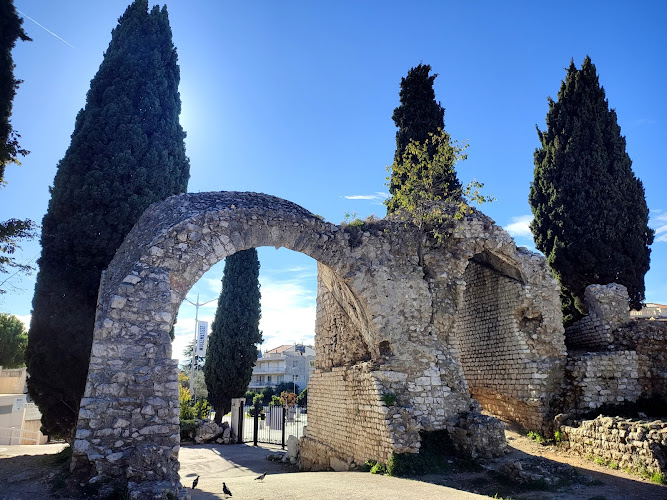
Arènes de Cimiez
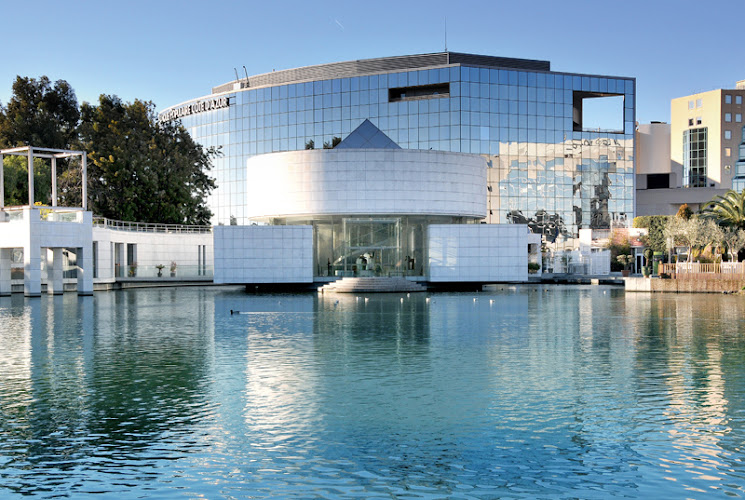
Asian Arts Museum

Basilique Notre-Dame de l’Assomption
Tours & Activities
GetYourGuide provides this tour inventory. We may earn a commission if you book through it; verify current availability, prices, and terms with the provider.
Visitor Reviews
There are no reviews yet. Be the first one to write one.
Share Your Experience
Have you visited Marc Chagall National Museum? Help other travelers by leaving a review.