
Lion of Judah Statue
About Lion of Judah Statue
Description
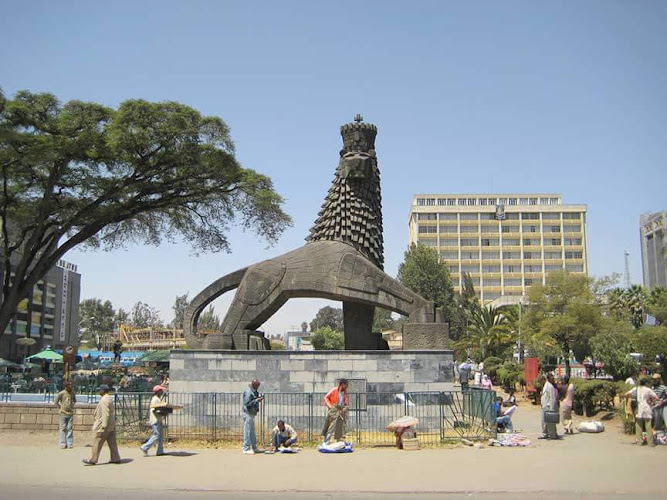
Anyone heading to Addis Ababa for the first time is bound to hear locals and travelers alike talk about the Lion of Judah statue. Now, let’s be honest—plenty of cities have big sculptures, but few carry the punch of history, pride, and meaning this monument brings to Ethiopia. We’re talking about a gigantic bronze lion, glistening gold in the sunshine, perched atop a black granite pedestal right by the city’s vintage railway station. It’s so intertwined with the soul of Addis Ababa, you’d think it was part of the city’s DNA.
First off, the Lion of Judah isn’t just a fancy symbol randomly dreamed up. For Ethiopians, it’s as crucial as coffee in the mornings. The lion harks back to the Tribe of Judah, tracing lineage to King Solomon and the Queen of Sheba—yes, those grand biblical figures! Through centuries, the motif has become the emblem of Ethiopian monarchy and independence. No surprise, then, that Emperor Haile Selassie adopted it wholeheartedly. Every time I’ve visited, there’s this electric sense—almost like the statue is quietly roaring tales of sovereignty, resistance, and unity right into the city’s daily hustle.
The monument itself? Majestic as ever, it’s a gilded bronze lion with a crown and scepter, facing forward with deliberate dignity. You’ll spot this landmark right at the square in front of Addis Ababa’s historic railway station—think of it as an ever-watchful guardian, greeting travelers from near and far. The pedestal is decorated with relief portraits of Ethiopian powerhouses: Emperor Menelik II (famed for the victory at Adwa), Haile Selassie I (the modernizer and reformer), Empress Zewditu (a rare female monarch), and Ras Makonnen (military genius and father of Haile Selassie). For history buffs, this is like a condensed illustrated guide to modern Ethiopian leadership, only sculpted in metal and stone, not drawn in a book.
And I’ve gotta say, the statue is no dusty relic. It’s lively, inspiring, and emotional—especially for those who know what it endured. If it could speak, it’d probably recount surviving occupation, theft by Italian forces in the 1930s, a grand return from Rome on the heels of victory, and almost getting torn down during the 1974 revolution. But even revolutionary governments had to respect what the Lion meant to everyday Ethiopians. Its survival is a testament to national resilience and is a point of genuine pride for the city. In that way, it’s not just a tourist attraction; it’s a banner of hope, memory, and enduring national identity.
The vibe around the statue is honestly distinct from many other landmarks in Addis Ababa. Locals use the square as a meeting point, kids scamper around playing, and every so often, you’ll find storytellers recounting moments from Ethiopia’s fight for independence. Unlike way-too-polished monuments that feel out of touch, the Lion of Judah invites you in. I’ve even wandered through on quieter afternoons, enjoying the spontaneity of finding families taking photos, street artists sketching the lion, and Rastafarian pilgrims having spiritual moments beneath its gaze. Sure, there are a handful of folks who might grumble about crowds or the occasional chipped stone, but that’s all part of the character you find in a spot that’s truly lived in.
Accessibility matters here too, and I appreciate that the entrance and parking are wheelchair-friendly, and restrooms are nearby. It’s a breeze for families; my own niece spent her seventh birthday here, and she’s still talking about how “the Lion stared at her like a king.” That’s the magic—young or old, you’ll leave this spot feeling a bit more connected to Ethiopia’s heart.
Key Features
- Epic Symbolism: The Lion of Judah symbolizes the Ethiopian monarchy, national resistance, and lineage from the biblical Tribe of Judah. It’s a powerhouse of meaning in Ethiopian heritage.
- Imposing Sculpture: The main monument is a gilded bronze lion adorned with a crown, holding a scepter and displaying a solemn, powerful pose. Crafted by the French sculptor Georges Gardet in 1930 for the coronation of Emperor Haile Selassie.
- Granite Pedestal with Relief Portraits: The statue rests upon a black granite pedestal, expertly decorated with the faces of four iconic Ethiopian figures—Menelik II, Haile Selassie I, Empress Zewditu, and Ras Makonnen Wolde Mikael—each telling a different chapter of the nation’s royal and revolutionary past.
- Historical Survival: The Lion of Judah statue was stolen by Italian forces in 1935, displayed in Rome as colonial loot, and triumphantly returned in 1960, making it not just art but a survivor of war, pride, and political upheaval—including near-removal by the Derg after the revolution.
- Location: The monument is strategically placed outside the Addis Ababa railway station, at the lively Legehar Square—one of the city’s historic hubs.
- Community Heart: Functions as a true gathering place for locals, visitors, and children, doubling as a popular backdrop for photos, storytelling, or even a casual hangout.
- Accessible for All: Wheelchair accessible entrances and parking, on top of kid-friendly amenities and clean restroom facilities nearby.
Best Time to Visit
You know how some monuments feel kind of the same no matter when you visit? Not this one. Personally, I’ve found the Lion of Judah statue and its square take on different moods throughout the year. Addis Ababa sits at a high altitude and has two main seasons: wet and dry. The best time to visit—the gold standard for weather and lively atmosphere—is between October and May. The rains (June to September) can make for muddy walks and gray skies, so unless you love umbrellas, I say skip it.
Another tip? Aim for late mornings or early afternoons. The sunlight catches the lion’s gilded mane just right—it almost glows—while the crowd hasn’t swelled to its midday peak. If you’re a photographer or Instagrammer, you’ll appreciate that unique light. Mornings during Orthodox holidays (think Timket or Meskel) bring more activity, with folks in traditional dress using the square as a crossroads. It’s a spectacular, authentic scene.
I once caught a Saturday market there too—unexpected, a bit chaotic, but bursting with local life. Weekends hum with even more energy, and while there are more visitors, the people-watching (and snack carts) are worth it. There’s a special electricity in the air during national milestones or significant dates in Haile Selassie’s legacy. If timing aligns, you’ll witness spontaneous celebrations or tributes.
How to Get There
Getting to the Lion of Judah statue in Addis Ababa is impressively straightforward, even for navigationally challenged folks like me who once got lost in New York’s subway for hours. Central Addis isn’t sprawling, so whether you’re coming from the airport, a hotel, or another tourist attraction (like the National Museum), you’ll find yourself surprisingly close.
The monument is located in the square right in front of Addis Ababa’s main railway station—Legehar, as locals call it. You can hop into a local taxi or minibus; nearly every driver knows the Lion of Judah statue by heart. For a more atmospheric journey, try out the city’s light rail system, which is efficient and inexpensive. The Legehar stop spits you out within a stone’s throw (not that I advocate stone-throwing at historical monuments—you’ll get serious side-eye).
For walkers, the area around the Lion of Judah is relatively safe and bustling throughout the day. I love wandering down from Piassa or Churchill Avenue—Addis’s main arteries—because you catch slices of daily life: shoeshine boys, newspaper sellers, fruit vendors hawking mangoes. If you’re the “see it all” type, bundle your visit with a stroll to the nearby National Theatre or Menelik II Square.
Parking is available and designed to accommodate wheelchairs, so if you’re driving or arranging a private car, you won't have to worry about accessibility. If, like me, you’re occasionally guilty of losing your bearings after a good cup of Ethiopian coffee, just ask any local or nearby vendor; you’re usually no more than a short walk or quick drive away.
Tips for Visiting
A little real talk makes for better travel. The Lion of Judah monument is an inviting attraction, but a few nuggets of wisdom will help you get the most out of your experience. First, remember that while it’s a prominent tourist spot, it isn’t fenced off or locked away like a precious relic inside a glass case. That means you can get up close—perfect for carefully framed photos—but don’t climb the statue, as tempting as it may be. It’s been through enough over the decades without more wear and tear.
Secondly, it pays to come prepared for a bit of bustle, especially during holidays or weekends. School groups, birthday parties (seriously, it’s a favorite family spot), and tour guides all converge here. But in all honesty, that’s part of the charm—a living monument, not a dusty, empty square. Don’t forget to glance around the base for the relief portraits and read the commemorative inscriptions; they’re packed with stories and symbolism you’ll later brag about understanding.
Bring small cash for local snacks or a quick coffee from nearby vendors. If you’re coming with kids (or adventurous adults), let them roam, but keep a gentle eye—city traffic is nearby, and excitement plus car horns can make for wandering feet. During my last visit, I saw a group of students putting red flowers at the foot of the lion. They told me it’s become a spot for marking important civic moments—if you see this, take a moment and soak in the collective pride.
Photography is welcome, and the best angles are from the slightly elevated walkway near the front of the Addis Ababa railway station. Early afternoon sun can be dazzling (wear a hat), and mornings tend to be less crowded if you want a solo moment with the monument. Look for impromptu street artists or guitar players; they’ll often capture the mood of the square better than any official guide.
Security is standard for a public area: keep your valuables secure, as with any popular tourist attraction. There are restroom facilities available, a small but much-appreciated bonus on longer city days. And accessibility is good—if you’re traveling with friends or family who need assistance, ramps and parking make life easier.
Finally, take your time. The Lion of Judah statue isn’t just a checkmark on a tourist map—it’s a reminder of a nation’s resilience, artistry, and persistence. Leave a little space in your itinerary for people-watching and quiet reflection; it’s a spot that’ll stick with you long after the trip home. I’ve been lucky enough to visit more than once, and each time I walk away with something new, whether it’s admiration, historical curiosity, or just a sense of how symbols shape identity. Addis Ababa offers plenty to see, for sure, but the Lion of Judah always roars just a little louder.
Key Features
- Bronze statue symbolizing the Solomonic dynasty and Ethiopian sovereignty
- Historic journey: created under Haile Selassie, taken to Rome, returned in the 1960s
- Central location near Unity Square and the National Theatre
- Good photo vantage points and easy pedestrian access
- Interpretive plaques and nearby cultural sites for combined visits
More Details
Updated September 16, 2025
Table of Contents
Description
Anyone heading to Addis Ababa for the first time is bound to hear locals and travelers alike talk about the Lion of Judah statue. Now, let’s be honest—plenty of cities have big sculptures, but few carry the punch of history, pride, and meaning this monument brings to Ethiopia. We’re talking about a gigantic bronze lion, glistening gold in the sunshine, perched atop a black granite pedestal right by the city’s vintage railway station. It’s so intertwined with the soul of Addis Ababa, you’d think it was part of the city’s DNA.
First off, the Lion of Judah isn’t just a fancy symbol randomly dreamed up. For Ethiopians, it’s as crucial as coffee in the mornings. The lion harks back to the Tribe of Judah, tracing lineage to King Solomon and the Queen of Sheba—yes, those grand biblical figures! Through centuries, the motif has become the emblem of Ethiopian monarchy and independence. No surprise, then, that Emperor Haile Selassie adopted it wholeheartedly. Every time I’ve visited, there’s this electric sense—almost like the statue is quietly roaring tales of sovereignty, resistance, and unity right into the city’s daily hustle.
The monument itself? Majestic as ever, it’s a gilded bronze lion with a crown and scepter, facing forward with deliberate dignity. You’ll spot this landmark right at the square in front of Addis Ababa’s historic railway station—think of it as an ever-watchful guardian, greeting travelers from near and far. The pedestal is decorated with relief portraits of Ethiopian powerhouses: Emperor Menelik II (famed for the victory at Adwa), Haile Selassie I (the modernizer and reformer), Empress Zewditu (a rare female monarch), and Ras Makonnen (military genius and father of Haile Selassie). For history buffs, this is like a condensed illustrated guide to modern Ethiopian leadership, only sculpted in metal and stone, not drawn in a book.
And I’ve gotta say, the statue is no dusty relic. It’s lively, inspiring, and emotional—especially for those who know what it endured. If it could speak, it’d probably recount surviving occupation, theft by Italian forces in the 1930s, a grand return from Rome on the heels of victory, and almost getting torn down during the 1974 revolution. But even revolutionary governments had to respect what the Lion meant to everyday Ethiopians. Its survival is a testament to national resilience and is a point of genuine pride for the city. In that way, it’s not just a tourist attraction; it’s a banner of hope, memory, and enduring national identity.
The vibe around the statue is honestly distinct from many other landmarks in Addis Ababa. Locals use the square as a meeting point, kids scamper around playing, and every so often, you’ll find storytellers recounting moments from Ethiopia’s fight for independence. Unlike way-too-polished monuments that feel out of touch, the Lion of Judah invites you in. I’ve even wandered through on quieter afternoons, enjoying the spontaneity of finding families taking photos, street artists sketching the lion, and Rastafarian pilgrims having spiritual moments beneath its gaze. Sure, there are a handful of folks who might grumble about crowds or the occasional chipped stone, but that’s all part of the character you find in a spot that’s truly lived in.
Accessibility matters here too, and I appreciate that the entrance and parking are wheelchair-friendly, and restrooms are nearby. It’s a breeze for families; my own niece spent her seventh birthday here, and she’s still talking about how “the Lion stared at her like a king.” That’s the magic—young or old, you’ll leave this spot feeling a bit more connected to Ethiopia’s heart.
Key Features
- Epic Symbolism: The Lion of Judah symbolizes the Ethiopian monarchy, national resistance, and lineage from the biblical Tribe of Judah. It’s a powerhouse of meaning in Ethiopian heritage.
- Imposing Sculpture: The main monument is a gilded bronze lion adorned with a crown, holding a scepter and displaying a solemn, powerful pose. Crafted by the French sculptor Georges Gardet in 1930 for the coronation of Emperor Haile Selassie.
- Granite Pedestal with Relief Portraits: The statue rests upon a black granite pedestal, expertly decorated with the faces of four iconic Ethiopian figures—Menelik II, Haile Selassie I, Empress Zewditu, and Ras Makonnen Wolde Mikael—each telling a different chapter of the nation’s royal and revolutionary past.
- Historical Survival: The Lion of Judah statue was stolen by Italian forces in 1935, displayed in Rome as colonial loot, and triumphantly returned in 1960, making it not just art but a survivor of war, pride, and political upheaval—including near-removal by the Derg after the revolution.
- Location: The monument is strategically placed outside the Addis Ababa railway station, at the lively Legehar Square—one of the city’s historic hubs.
- Community Heart: Functions as a true gathering place for locals, visitors, and children, doubling as a popular backdrop for photos, storytelling, or even a casual hangout.
- Accessible for All: Wheelchair accessible entrances and parking, on top of kid-friendly amenities and clean restroom facilities nearby.
Best Time to Visit
You know how some monuments feel kind of the same no matter when you visit? Not this one. Personally, I’ve found the Lion of Judah statue and its square take on different moods throughout the year. Addis Ababa sits at a high altitude and has two main seasons: wet and dry. The best time to visit—the gold standard for weather and lively atmosphere—is between October and May. The rains (June to September) can make for muddy walks and gray skies, so unless you love umbrellas, I say skip it.
Another tip? Aim for late mornings or early afternoons. The sunlight catches the lion’s gilded mane just right—it almost glows—while the crowd hasn’t swelled to its midday peak. If you’re a photographer or Instagrammer, you’ll appreciate that unique light. Mornings during Orthodox holidays (think Timket or Meskel) bring more activity, with folks in traditional dress using the square as a crossroads. It’s a spectacular, authentic scene.
I once caught a Saturday market there too—unexpected, a bit chaotic, but bursting with local life. Weekends hum with even more energy, and while there are more visitors, the people-watching (and snack carts) are worth it. There’s a special electricity in the air during national milestones or significant dates in Haile Selassie’s legacy. If timing aligns, you’ll witness spontaneous celebrations or tributes.
How to Get There
Getting to the Lion of Judah statue in Addis Ababa is impressively straightforward, even for navigationally challenged folks like me who once got lost in New York’s subway for hours. Central Addis isn’t sprawling, so whether you’re coming from the airport, a hotel, or another tourist attraction (like the National Museum), you’ll find yourself surprisingly close.
The monument is located in the square right in front of Addis Ababa’s main railway station—Legehar, as locals call it. You can hop into a local taxi or minibus; nearly every driver knows the Lion of Judah statue by heart. For a more atmospheric journey, try out the city’s light rail system, which is efficient and inexpensive. The Legehar stop spits you out within a stone’s throw (not that I advocate stone-throwing at historical monuments—you’ll get serious side-eye).
For walkers, the area around the Lion of Judah is relatively safe and bustling throughout the day. I love wandering down from Piassa or Churchill Avenue—Addis’s main arteries—because you catch slices of daily life: shoeshine boys, newspaper sellers, fruit vendors hawking mangoes. If you’re the “see it all” type, bundle your visit with a stroll to the nearby National Theatre or Menelik II Square.
Parking is available and designed to accommodate wheelchairs, so if you’re driving or arranging a private car, you won’t have to worry about accessibility. If, like me, you’re occasionally guilty of losing your bearings after a good cup of Ethiopian coffee, just ask any local or nearby vendor; you’re usually no more than a short walk or quick drive away.
Tips for Visiting
A little real talk makes for better travel. The Lion of Judah monument is an inviting attraction, but a few nuggets of wisdom will help you get the most out of your experience. First, remember that while it’s a prominent tourist spot, it isn’t fenced off or locked away like a precious relic inside a glass case. That means you can get up close—perfect for carefully framed photos—but don’t climb the statue, as tempting as it may be. It’s been through enough over the decades without more wear and tear.
Secondly, it pays to come prepared for a bit of bustle, especially during holidays or weekends. School groups, birthday parties (seriously, it’s a favorite family spot), and tour guides all converge here. But in all honesty, that’s part of the charm—a living monument, not a dusty, empty square. Don’t forget to glance around the base for the relief portraits and read the commemorative inscriptions; they’re packed with stories and symbolism you’ll later brag about understanding.
Bring small cash for local snacks or a quick coffee from nearby vendors. If you’re coming with kids (or adventurous adults), let them roam, but keep a gentle eye—city traffic is nearby, and excitement plus car horns can make for wandering feet. During my last visit, I saw a group of students putting red flowers at the foot of the lion. They told me it’s become a spot for marking important civic moments—if you see this, take a moment and soak in the collective pride.
Photography is welcome, and the best angles are from the slightly elevated walkway near the front of the Addis Ababa railway station. Early afternoon sun can be dazzling (wear a hat), and mornings tend to be less crowded if you want a solo moment with the monument. Look for impromptu street artists or guitar players; they’ll often capture the mood of the square better than any official guide.
Security is standard for a public area: keep your valuables secure, as with any popular tourist attraction. There are restroom facilities available, a small but much-appreciated bonus on longer city days. And accessibility is good—if you’re traveling with friends or family who need assistance, ramps and parking make life easier.
Finally, take your time. The Lion of Judah statue isn’t just a checkmark on a tourist map—it’s a reminder of a nation’s resilience, artistry, and persistence. Leave a little space in your itinerary for people-watching and quiet reflection; it’s a spot that’ll stick with you long after the trip home. I’ve been lucky enough to visit more than once, and each time I walk away with something new, whether it’s admiration, historical curiosity, or just a sense of how symbols shape identity. Addis Ababa offers plenty to see, for sure, but the Lion of Judah always roars just a little louder.
Key Highlights
- Bronze statue symbolizing the Solomonic dynasty and Ethiopian sovereignty
- Historic journey: created under Haile Selassie, taken to Rome, returned in the 1960s
- Central location near Unity Square and the National Theatre
- Good photo vantage points and easy pedestrian access
- Interpretive plaques and nearby cultural sites for combined visits
Location
Places to Stay Near Lion of Judah Statue
Find and Book a Tour
Explore More Travel Guides
No reviews found! Be the first to review!
Traveler Reviews for Lion of Judah Statue
There are no reviews yet. Be the first one to write one.
Have you visited Lion of Judah Statue? Help other travelers by sharing your review.
Nearby Attractions
You Might Also Like

Entoto Park

Bole Addis Ababa International Airport
Gulele Botanical Garden
Find Accommodations Nearby
Recommended Tours & Activities
Visitor Reviews
There are no reviews yet. Be the first one to write one.
Share Your Experience
Have you visited Lion of Judah Statue? Help other travelers by leaving a review.