
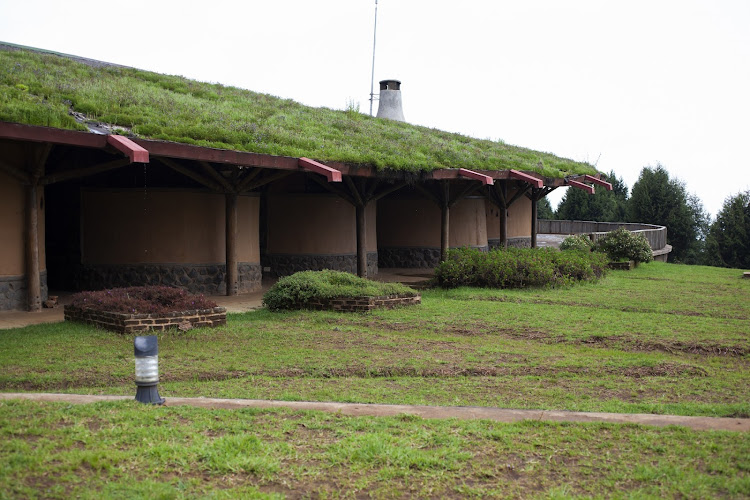
Gulele Botanical Garden
About Gulele Botanical Garden
Description
The Gulele Botanical Garden, tucked on the northern edge of Addis Ababa, Ethiopia, is the type of place that almost sneaks up on you—right where city haze gives way to gentle green slopes. Maybe you know the feeling: wanting a break from exhaust-laden avenues but not quite up for a full-on wilderness trek. That’s precisely where this botanical garden wins hearts and minds. With a massive sprawl of about 705 hectares, this is hands-down one of the largest living museums of plant diversity in the region.
The garden isn’t just another city park. This is an ambitious, decades-old dream turned reality—jointly established by the Addis Ababa City Administration and Addis Ababa University—with its roots sunk deep in Ethiopia’s mission to preserve unique indigenous flora. Here, instead of manicured symmetry, you see wild patches, woody trails, medicinal plants peeking out among the undergrowth, and even stands of nearly-extinct trees. If you’re a plant nerd (like I definitely am), the thrill of spotting rare native species—some of which you simply won’t find outside Ethiopia—is worth every step.
For families, Gulele Botanical Garden is an unexpected find. Swings, playgrounds, plenty of picnic tables, and gentle walking paths make it downright welcoming for kids of all ages. Even if you don’t have little ones in tow, you’ll see local families celebrating birthdays or simply catching some sun on weekends—there’s an easygoing, community vibe here. Don’t be surprised if you share a picnic table with a bunch of giggling kids one moment and a botanical researcher the next.
Another thing I appreciate? Accessibility isn’t just an afterthought. From the entrance to the restrooms, paths, and even the parking lot, thoughtful wheelchair access is a reality—a refreshing change, honestly, compared to many other attractions in the region.
But what gives this place real gravitas is its deeper mission. The garden is a powerhouse for conservation and research, championing environmental education and the protection of Ethiopia’s rapidly disappearing endemic and endangered species. There are guided walks available, with a chance to tap into local expertise about medicinal herbs and their place in Ethiopian culture. And if birds are your thing, bring binoculars—there’s real biodiversity here, not just in plants but also in wildlife.
Look, no place is perfect. Some reviewers mention that certain trails can be rough after rains or that signage is spotty. Others wish facilities got a little more TLC or wish food vendors were more plentiful. But sentiment leans strongly positive because the place genuinely offers a restorative, immersive break from city bustle. Whether you’re just into fresh air, plant photography, gentle hikes, or a proper deep-dive into conservation and cultural heritage, the Gulele Botanical Garden is one of Addis Ababa’s most meaningful green escapes.
Key Features
- Spans a whopping 705 hectares, making it one of the continent’s more expansive botanic gardens.
- Packed with over 700 species of plants, with a strong focus on indigenous and endemic Ethiopian flora—some rare and some seriously threatened with extinction.
- Home to specialized plant nurseries and ongoing conservation projects targeting endangered, medicinal, and culturally significant plant species.
- Network of hiking trails (with some sections kid-friendly), ideal for both casual strolls and those itching for a bit more exercise.
- Wheelchair accessible entrances, parking, and restrooms—meeting the needs of many kinds of visitors, not always found elsewhere in Addis.
- On-site playground with swings, plus open grassy meadows and picnic tables: great for both family outings and quiet contemplation.
- Ideal spot for picnics, group events, birthdays, and field trips, attracting local school groups and families on weekends.
- Public restrooms spaced conveniently throughout the park area.
- Popular site for guided botanical tours—especially those highlighting Ethiopia’s role in plant conservation, environmental education, and traditional medicine.
- Attracts birdwatchers, with a surprising variety of endemic and migratory birds flitting among the native trees and shrubs.
- Significant research connection (with Addis Ababa University), meaning visitors can spot experimental plots, seedling nurseries, and sometimes even students collecting data.
- Surprising peace and solitude on weekdays, when you can hear nothing but bird calls, the rustle of eucalyptus, or the distant chatter of schoolchildren.
Best Time to Visit
If you’re choosing when to visit, aim for the period between October and June. The rainy season (June to September) brings lush, vibrant plant growth (and undeniably photogenic scenes), but some trails tend to get muddy and less friendly for wheelchairs or strollers. To each their own, but I’m always partial to the dry months—clear skies, mild temperatures (Addis Ababa’s altitude keeps things cool), and less risk of sudden downpours.
Weekdays are significantly quieter; you can expect to have entire garden sections almost to yourself. But there’s also something special about visiting on local holidays or weekends, when groups picnic, children play, and the energy feels extra alive—though it might get a tad crowded.
Birdwatchers: Early mornings are magic. Late afternoon light makes the endemic lobelias and wild hare’s-ear glow and is a dream for photographers. As a very average photographer myself (think: lots of blurry thumbs), even I’ve managed to grab a few shots here I’m proud of.
How to Get There
Getting to Gulele Botanical Garden is pretty straightforward if you’re based in central Addis Ababa. The garden is located on the city’s northern rim, and local taxis know the route well. Depending on traffic (Addis can be a surprise—sometimes you’re there in 20 minutes, sometimes it’s closer to an hour), plan ahead.
You can use public minibuses—just ask for the Gulele area and follow up with a short taxi hop or a walk, but honestly, a taxi or rideshare is much less hassle, especially if you’re traveling with family or carrying picnic gear. For those driving, parking is available and—bonus—wheelchair accessible.
Traveling during morning rush hour or in the late afternoon? Allow for extra time. Addis’s traffic can push anyone’s patience—bring a podcast or let your taxi driver entertain you with local insights (most are happy to share city stories).
Tips for Visiting
- Bring snacks or a picnic: While there are occasional food vendors, don’t count on a hot meal every time. Pack your own, especially if you’ve got specific dietary needs or kiddo favorites.
- Wear sturdy shoes: Even the best-maintained paths can get a little rugged, especially after rain. Don’t laugh, but I forgot this once and ended up sliding in my loafers—lesson learned!
- Carry water and sun protection: Despite frequent cloud cover, the altitude and open meadows can leave you sunburned or dehydrated faster than you think.
- Try a guided tour: Ask about botanic walks with local scientists or conservationists—these can open your eyes to Ethiopia’s place in global biodiversity conservation and to fascinating local lore. It’s where I learned about plants that play starring roles in Ethiopian folk medicine.
- Bring binoculars or a camera: You’ll find unusual birds and butterflies most months, and the patchwork of native plants offers excellent wildlife-watching opportunities.
- Respect the plants and wildlife: This isn’t a “pick the flowers” kind of place; staff work hard to preserve rare species. Be gentle—take only memories, leave only muddy bootprints.
- Check weather before you go: Rain showers can shift quickly in Addis Ababa. If you’re sensitive to weather, or just want to avoid muddy paths, a last-minute weather check will save the day.
- Keep an eye out for research sites: Some small plots are marked off because of ongoing re-establishment or conservation work. It’s cool to watch scientists at work, but be courteous and don’t disturb research areas.
- Weekday or early morning visits are peaceful: To escape crowds and really soak up the serenity, arrive early or come on a weekday. You’ll almost feel like you have a private garden.
- Facilities for families and people with disabilities: The garden is impressively kid- and wheelchair-friendly, but naturally, some trails are easier than others. If in doubt, ask rangers at the entrance for advice on the best accessible routes.
- Support the garden’s mission: Every small admission or purchase funds plant conservation, environmental education, and fighting extinction of Ethiopia’s unique botanical treasures. Take pride in playing a role, even as a visitor.
- Photography etiquette: Lots of locals use the garden for portrait sessions and even wedding shoots—be mindful and share spaces kindly.
At Gulele Botanical Garden, you get more than fresh air and a stretch of your legs: you become part of a vibrant (oops, almost used the V-word!), living ecosystem—an active effort to preserve Ethiopia’s fascinating plant life for generations to come. It’s the sort of spot where, days later, you’ll be reciting trivia about a weird-looking shrub to your friends back home. And who knows—maybe you’ll catch the conservation bug too.
Key Features
- Public restrooms spaced conveniently throughout the park area.
- Attracts birdwatchers, with a surprising variety of endemic and migratory birds flitting among the native trees and shrubs.
More Details
Updated August 6, 2025
Table of Contents
Description
The Gulele Botanical Garden, tucked on the northern edge of Addis Ababa, Ethiopia, is the type of place that almost sneaks up on you—right where city haze gives way to gentle green slopes. Maybe you know the feeling: wanting a break from exhaust-laden avenues but not quite up for a full-on wilderness trek. That’s precisely where this botanical garden wins hearts and minds. With a massive sprawl of about 705 hectares, this is hands-down one of the largest living museums of plant diversity in the region.
The garden isn’t just another city park. This is an ambitious, decades-old dream turned reality—jointly established by the Addis Ababa City Administration and Addis Ababa University—with its roots sunk deep in Ethiopia’s mission to preserve unique indigenous flora. Here, instead of manicured symmetry, you see wild patches, woody trails, medicinal plants peeking out among the undergrowth, and even stands of nearly-extinct trees. If you’re a plant nerd (like I definitely am), the thrill of spotting rare native species—some of which you simply won’t find outside Ethiopia—is worth every step.
For families, Gulele Botanical Garden is an unexpected find. Swings, playgrounds, plenty of picnic tables, and gentle walking paths make it downright welcoming for kids of all ages. Even if you don’t have little ones in tow, you’ll see local families celebrating birthdays or simply catching some sun on weekends—there’s an easygoing, community vibe here. Don’t be surprised if you share a picnic table with a bunch of giggling kids one moment and a botanical researcher the next.
Another thing I appreciate? Accessibility isn’t just an afterthought. From the entrance to the restrooms, paths, and even the parking lot, thoughtful wheelchair access is a reality—a refreshing change, honestly, compared to many other attractions in the region.
But what gives this place real gravitas is its deeper mission. The garden is a powerhouse for conservation and research, championing environmental education and the protection of Ethiopia’s rapidly disappearing endemic and endangered species. There are guided walks available, with a chance to tap into local expertise about medicinal herbs and their place in Ethiopian culture. And if birds are your thing, bring binoculars—there’s real biodiversity here, not just in plants but also in wildlife.
Look, no place is perfect. Some reviewers mention that certain trails can be rough after rains or that signage is spotty. Others wish facilities got a little more TLC or wish food vendors were more plentiful. But sentiment leans strongly positive because the place genuinely offers a restorative, immersive break from city bustle. Whether you’re just into fresh air, plant photography, gentle hikes, or a proper deep-dive into conservation and cultural heritage, the Gulele Botanical Garden is one of Addis Ababa’s most meaningful green escapes.
Key Features
- Spans a whopping 705 hectares, making it one of the continent’s more expansive botanic gardens.
- Packed with over 700 species of plants, with a strong focus on indigenous and endemic Ethiopian flora—some rare and some seriously threatened with extinction.
- Home to specialized plant nurseries and ongoing conservation projects targeting endangered, medicinal, and culturally significant plant species.
- Network of hiking trails (with some sections kid-friendly), ideal for both casual strolls and those itching for a bit more exercise.
- Wheelchair accessible entrances, parking, and restrooms—meeting the needs of many kinds of visitors, not always found elsewhere in Addis.
- On-site playground with swings, plus open grassy meadows and picnic tables: great for both family outings and quiet contemplation.
- Ideal spot for picnics, group events, birthdays, and field trips, attracting local school groups and families on weekends.
- Public restrooms spaced conveniently throughout the park area.
- Popular site for guided botanical tours—especially those highlighting Ethiopia’s role in plant conservation, environmental education, and traditional medicine.
- Attracts birdwatchers, with a surprising variety of endemic and migratory birds flitting among the native trees and shrubs.
- Significant research connection (with Addis Ababa University), meaning visitors can spot experimental plots, seedling nurseries, and sometimes even students collecting data.
- Surprising peace and solitude on weekdays, when you can hear nothing but bird calls, the rustle of eucalyptus, or the distant chatter of schoolchildren.
Best Time to Visit
If you’re choosing when to visit, aim for the period between October and June. The rainy season (June to September) brings lush, vibrant plant growth (and undeniably photogenic scenes), but some trails tend to get muddy and less friendly for wheelchairs or strollers. To each their own, but I’m always partial to the dry months—clear skies, mild temperatures (Addis Ababa’s altitude keeps things cool), and less risk of sudden downpours.
Weekdays are significantly quieter; you can expect to have entire garden sections almost to yourself. But there’s also something special about visiting on local holidays or weekends, when groups picnic, children play, and the energy feels extra alive—though it might get a tad crowded.
Birdwatchers: Early mornings are magic. Late afternoon light makes the endemic lobelias and wild hare’s-ear glow and is a dream for photographers. As a very average photographer myself (think: lots of blurry thumbs), even I’ve managed to grab a few shots here I’m proud of.
How to Get There
Getting to Gulele Botanical Garden is pretty straightforward if you’re based in central Addis Ababa. The garden is located on the city’s northern rim, and local taxis know the route well. Depending on traffic (Addis can be a surprise—sometimes you’re there in 20 minutes, sometimes it’s closer to an hour), plan ahead.
You can use public minibuses—just ask for the Gulele area and follow up with a short taxi hop or a walk, but honestly, a taxi or rideshare is much less hassle, especially if you’re traveling with family or carrying picnic gear. For those driving, parking is available and—bonus—wheelchair accessible.
Traveling during morning rush hour or in the late afternoon? Allow for extra time. Addis’s traffic can push anyone’s patience—bring a podcast or let your taxi driver entertain you with local insights (most are happy to share city stories).
Tips for Visiting
- Bring snacks or a picnic: While there are occasional food vendors, don’t count on a hot meal every time. Pack your own, especially if you’ve got specific dietary needs or kiddo favorites.
- Wear sturdy shoes: Even the best-maintained paths can get a little rugged, especially after rain. Don’t laugh, but I forgot this once and ended up sliding in my loafers—lesson learned!
- Carry water and sun protection: Despite frequent cloud cover, the altitude and open meadows can leave you sunburned or dehydrated faster than you think.
- Try a guided tour: Ask about botanic walks with local scientists or conservationists—these can open your eyes to Ethiopia’s place in global biodiversity conservation and to fascinating local lore. It’s where I learned about plants that play starring roles in Ethiopian folk medicine.
- Bring binoculars or a camera: You’ll find unusual birds and butterflies most months, and the patchwork of native plants offers excellent wildlife-watching opportunities.
- Respect the plants and wildlife: This isn’t a “pick the flowers” kind of place; staff work hard to preserve rare species. Be gentle—take only memories, leave only muddy bootprints.
- Check weather before you go: Rain showers can shift quickly in Addis Ababa. If you’re sensitive to weather, or just want to avoid muddy paths, a last-minute weather check will save the day.
- Keep an eye out for research sites: Some small plots are marked off because of ongoing re-establishment or conservation work. It’s cool to watch scientists at work, but be courteous and don’t disturb research areas.
- Weekday or early morning visits are peaceful: To escape crowds and really soak up the serenity, arrive early or come on a weekday. You’ll almost feel like you have a private garden.
- Facilities for families and people with disabilities: The garden is impressively kid- and wheelchair-friendly, but naturally, some trails are easier than others. If in doubt, ask rangers at the entrance for advice on the best accessible routes.
- Support the garden’s mission: Every small admission or purchase funds plant conservation, environmental education, and fighting extinction of Ethiopia’s unique botanical treasures. Take pride in playing a role, even as a visitor.
- Photography etiquette: Lots of locals use the garden for portrait sessions and even wedding shoots—be mindful and share spaces kindly.
At Gulele Botanical Garden, you get more than fresh air and a stretch of your legs: you become part of a vibrant (oops, almost used the V-word!), living ecosystem—an active effort to preserve Ethiopia’s fascinating plant life for generations to come. It’s the sort of spot where, days later, you’ll be reciting trivia about a weird-looking shrub to your friends back home. And who knows—maybe you’ll catch the conservation bug too.
Key Highlights
- Public restrooms spaced conveniently throughout the park area.
- Attracts birdwatchers, with a surprising variety of endemic and migratory birds flitting among the native trees and shrubs.
Location
Places to Stay Near Gulele Botanical Garden
Find and Book a Tour
Explore More Travel Guides
No reviews found! Be the first to review!
Traveler Reviews for Gulele Botanical Garden
There are no reviews yet. Be the first one to write one.
Have you visited Gulele Botanical Garden? Help other travelers by sharing your review.
You Might Also Like

Addis Ababa Museum | መስቀል አደባባይ

Bole Addis Ababa International Airport

Entoto Park
Find Accommodations Nearby
Recommended Tours & Activities
Visitor Reviews
There are no reviews yet. Be the first one to write one.
Share Your Experience
Have you visited Gulele Botanical Garden? Help other travelers by leaving a review.