

Private Museum of Yirgawesen ይርጋወሰን የግል ሙዚየም
About Private Museum of Yirgawesen ይርጋወሰን የግል ሙዚየም
Description
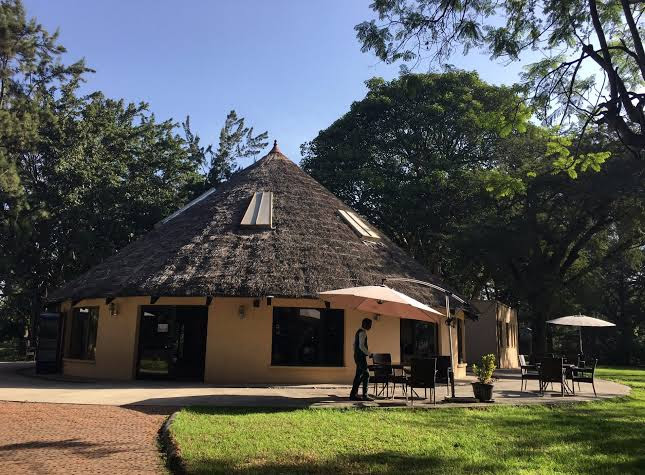
The Private Museum of Yirgawesen ይርጋወሰን የግል ሙዚየም sits within the green sweep of Hawassa University Main Campus in Hawassa, Ethiopia, and feels like a quiet conversation between place, people, and objects. Visitors who step through its doors discover a small but thoughtfully curated collection that speaks to regional history, everyday life, and academic curiosity. It is not a blockbuster museum with flashy installations; rather, it is the sort of intimate space where a single object — a worn farming tool, a hand-stitched textile, a child's wooden toy — can reveal whole stories about craft, survival, and community. That intimacy is one of its strongest draws.
What makes this museum stand out is its distinctly personal origin. The collection reflects the tastes and memories of local collectors and scholars who wanted to preserve and interpret local heritage in a way that larger institutions sometimes overlook. That means the displays often highlight items with strong provenance, explained in plain, direct language. And because it sits on a university campus, there is a subtle academic energy: students, researchers, and professors pass through, sometimes pausing mid-tour to nerd out over a detail, other times to photograph a pattern or take notes for a class. It can feel oddly refreshing to be among people who genuinely care about context and stories rather than just spectacle.
Accessibility is clearly considered here. The museum provides a wheelchair accessible parking lot and a wheelchair accessible restroom, which is a notable convenience in the region. There are basic amenities like restrooms available to visitors, and the layout tends to be compact and navigable, so those with limited mobility usually find it manageable. Families often comment that the space is easy to move through with strollers or prams, and the overall pace of the museum encourages slow looking rather than hurried passing.
Families and children do well here. The museum has an atmosphere that invites curiosity rather than strict reverence, so young visitors are welcome — and respected. Displays tend to be labeled clearly, with approachable language that helps kids understand what they are seeing. While the museum does not boast a full-scale interactive children's gallery, the way objects are presented often invites questions and hands-on conversation led by guides or volunteers. Parents will appreciate that the space feels safe and calm; children can explore in short bursts without the sensory overload found in bigger institutions.
One should know that this is a private museum with limited exhibition space. That limitation is actually a strength because it forces the curators to choose objects with intent. The experience is deliberately concentrated: each case, each panel, each small diorama tends to offer a particular lens into local life — whether it is agricultural cycles, textile traditions, household tools, or oral history extracts. The visitor is encouraged to linger. Many people end up spending more time than they had planned, which is a nice admission of the museum doing what it means to do: create engagement rather than churn visitors through.
There is also a subtle bilingual element to the experience. Labels and interpretive notes often appear in both English and Amharic, which helps international travelers and local students alike. That bilingual presentation is not only practical; it also reinforces the museum's mission to act as a bridge between academic study and community memory. Expect to encounter short explanatory texts, some photographs, and a handful of multimedia elements that provide context without overloading the senses. The multimedia, when present, is mostly simple — recorded interviews, a short looping slide show — but they add color and voice to the objects on display.
Practicalities matter here. The museum's hours tend to align with the academic schedule, so it is best to check ahead before assuming it will be open late or on holidays. Because the museum is modest in size, peak campus hours can lead to a gentle buzz rather than loud crowds, which suits travelers who prefer thoughtful, low-key cultural experiences. Photography policies are usually relaxed for casual hand-held cameras, though tripods and professional setups may require permission. Visitors who like to take notes or sketch will find the lighting decent and the atmosphere welcoming for that sort of slow study.
There is a palpable connection between the museum and Hawassa's local craftspeople. Some displays highlight contemporary artisans whose work draws on traditional techniques, and visitors sometimes leave thinking about where to find authentic local weaving, pottery, or woodwork. The museum does not operate like a tourist market, but it can point you toward makers and workshops if you ask. That kind of practical direction is exactly what independent travelers often appreciate: a little insider knowledge without pressure to buy.
One small but memorable feature is the way stories are woven throughout the rooms. Instead of sterile checklist labels, many objects are accompanied by short narratives: a farmer's recollection of a season, a grandmother's note about a ritual, a student's recollection of learning a craft from an elder. Those micro-narratives give a human scale to the collection and often linger after the visit, long after the shapes of the objects fade from memory. If the museum has a specialty, it is listening — collecting voices as much as objects, and setting them beside one another in ways that prompt reflection.
Visitors who enjoy academic contexts will appreciate the museum's occasional collaborations with university departments. These can take the form of temporary exhibits, guest lectures, or student-curated displays that rotate through the space. That dynamic means a return visit can feel quite different from the first; the museum evolves in small ways that reward repeat visits. And because the museum sits inside the campus, one can easily pair a museum stop with a walk through the grounds, a coffee at a campus café, or a chat with a student who knows the local scene.
For travelers who like to plan, the museum is a manageable stop in a half-day itinerary. It is the kind of place that pairs well with other Hawassa attractions — wetlands, markets, lakeside promenades — without competing for time. Bring comfortable shoes, a notebook if you like to record details, and a patient mindset. The museum does not rush; it invites curiosity. Expect to come away with a clearer sense of local heritage and perhaps a desire to seek out the makers and storytellers who keep these traditions alive.
At its best, the Private Museum of Yirgawesen ይርጋወሰን የግል ሙዚየም feels less like a static repository and more like a living conversation. It rewards the visitor who listens. Travelers who appreciate context, who enjoy the company of curious students and kindly volunteers, and who prefer depth over spectacle will find this a quietly rewarding stop on their Hawassa itinerary. There is nothing flashy about it — and that is part of its charm. It is a place to slow down, look closely, and leave with a few thoughtful impressions rather than a shelf full of postcards.
Key Features
More Details
Updated August 29, 2025
Table of Contents
Description
The Private Museum of Yirgawesen ይርጋወሰን የግል ሙዚየም sits within the green sweep of Hawassa University Main Campus in Hawassa, Ethiopia, and feels like a quiet conversation between place, people, and objects. Visitors who step through its doors discover a small but thoughtfully curated collection that speaks to regional history, everyday life, and academic curiosity. It is not a blockbuster museum with flashy installations; rather, it is the sort of intimate space where a single object — a worn farming tool, a hand-stitched textile, a child’s wooden toy — can reveal whole stories about craft, survival, and community. That intimacy is one of its strongest draws.
What makes this museum stand out is its distinctly personal origin. The collection reflects the tastes and memories of local collectors and scholars who wanted to preserve and interpret local heritage in a way that larger institutions sometimes overlook. That means the displays often highlight items with strong provenance, explained in plain, direct language. And because it sits on a university campus, there is a subtle academic energy: students, researchers, and professors pass through, sometimes pausing mid-tour to nerd out over a detail, other times to photograph a pattern or take notes for a class. It can feel oddly refreshing to be among people who genuinely care about context and stories rather than just spectacle.
Accessibility is clearly considered here. The museum provides a wheelchair accessible parking lot and a wheelchair accessible restroom, which is a notable convenience in the region. There are basic amenities like restrooms available to visitors, and the layout tends to be compact and navigable, so those with limited mobility usually find it manageable. Families often comment that the space is easy to move through with strollers or prams, and the overall pace of the museum encourages slow looking rather than hurried passing.
Families and children do well here. The museum has an atmosphere that invites curiosity rather than strict reverence, so young visitors are welcome — and respected. Displays tend to be labeled clearly, with approachable language that helps kids understand what they are seeing. While the museum does not boast a full-scale interactive children’s gallery, the way objects are presented often invites questions and hands-on conversation led by guides or volunteers. Parents will appreciate that the space feels safe and calm; children can explore in short bursts without the sensory overload found in bigger institutions.
One should know that this is a private museum with limited exhibition space. That limitation is actually a strength because it forces the curators to choose objects with intent. The experience is deliberately concentrated: each case, each panel, each small diorama tends to offer a particular lens into local life — whether it is agricultural cycles, textile traditions, household tools, or oral history extracts. The visitor is encouraged to linger. Many people end up spending more time than they had planned, which is a nice admission of the museum doing what it means to do: create engagement rather than churn visitors through.
There is also a subtle bilingual element to the experience. Labels and interpretive notes often appear in both English and Amharic, which helps international travelers and local students alike. That bilingual presentation is not only practical; it also reinforces the museum’s mission to act as a bridge between academic study and community memory. Expect to encounter short explanatory texts, some photographs, and a handful of multimedia elements that provide context without overloading the senses. The multimedia, when present, is mostly simple — recorded interviews, a short looping slide show — but they add color and voice to the objects on display.
Practicalities matter here. The museum’s hours tend to align with the academic schedule, so it is best to check ahead before assuming it will be open late or on holidays. Because the museum is modest in size, peak campus hours can lead to a gentle buzz rather than loud crowds, which suits travelers who prefer thoughtful, low-key cultural experiences. Photography policies are usually relaxed for casual hand-held cameras, though tripods and professional setups may require permission. Visitors who like to take notes or sketch will find the lighting decent and the atmosphere welcoming for that sort of slow study.
There is a palpable connection between the museum and Hawassa’s local craftspeople. Some displays highlight contemporary artisans whose work draws on traditional techniques, and visitors sometimes leave thinking about where to find authentic local weaving, pottery, or woodwork. The museum does not operate like a tourist market, but it can point you toward makers and workshops if you ask. That kind of practical direction is exactly what independent travelers often appreciate: a little insider knowledge without pressure to buy.
One small but memorable feature is the way stories are woven throughout the rooms. Instead of sterile checklist labels, many objects are accompanied by short narratives: a farmer’s recollection of a season, a grandmother’s note about a ritual, a student’s recollection of learning a craft from an elder. Those micro-narratives give a human scale to the collection and often linger after the visit, long after the shapes of the objects fade from memory. If the museum has a specialty, it is listening — collecting voices as much as objects, and setting them beside one another in ways that prompt reflection.
Visitors who enjoy academic contexts will appreciate the museum’s occasional collaborations with university departments. These can take the form of temporary exhibits, guest lectures, or student-curated displays that rotate through the space. That dynamic means a return visit can feel quite different from the first; the museum evolves in small ways that reward repeat visits. And because the museum sits inside the campus, one can easily pair a museum stop with a walk through the grounds, a coffee at a campus café, or a chat with a student who knows the local scene.
For travelers who like to plan, the museum is a manageable stop in a half-day itinerary. It is the kind of place that pairs well with other Hawassa attractions — wetlands, markets, lakeside promenades — without competing for time. Bring comfortable shoes, a notebook if you like to record details, and a patient mindset. The museum does not rush; it invites curiosity. Expect to come away with a clearer sense of local heritage and perhaps a desire to seek out the makers and storytellers who keep these traditions alive.
At its best, the Private Museum of Yirgawesen ይርጋወሰን የግል ሙዚየም feels less like a static repository and more like a living conversation. It rewards the visitor who listens. Travelers who appreciate context, who enjoy the company of curious students and kindly volunteers, and who prefer depth over spectacle will find this a quietly rewarding stop on their Hawassa itinerary. There is nothing flashy about it — and that is part of its charm. It is a place to slow down, look closely, and leave with a few thoughtful impressions rather than a shelf full of postcards.
Key Highlights
Private Museum of Yirgawesen ይርጋወሰን የግል ሙዚየም
Location
Places to Stay Near Private Museum of Yirgawesen ይርጋወሰን የግል ሙዚየም
Find and Book a Tour
Explore More Travel Guides
No reviews found! Be the first to review!
Traveler Reviews for Private Museum of Yirgawesen ይርጋወሰን የግል ሙዚየም
There are no reviews yet. Be the first one to write one.
Have you visited Private Museum of Yirgawesen ይርጋወሰን የግል ሙዚየም? Help other travelers by sharing your review.
You Might Also Like
United Africa Group Hotel

Heron International Hotel Hawassa | ሄሮን ሆቴል

Yshrun
Find Accommodations Nearby
Recommended Tours & Activities
Visitor Reviews
There are no reviews yet. Be the first one to write one.
Share Your Experience
Have you visited Private Museum of Yirgawesen ይርጋወሰን የግል ሙዚየም? Help other travelers by leaving a review.