

Linh Sơn Pagoda
About Linh Sơn Pagoda
Description
Linh Sơn Pagoda in Da Lat is one of those places that quietly works its way into your heart. It’s not flashy or overrun by tourists, but rather a peaceful retreat where time seems to slow down. The pagoda sits gracefully on a gentle hill, surrounded by pine trees and the soft hum of the city in the distance. You can almost feel the calm in the air before you even step through the gate. It’s the kind of spot that makes you want to take a deep breath and just... be.
Built between 1938 and 1940, Linh Sơn Pagoda carries a deep sense of history and spirituality. It was founded with the support of Mrs. Từ Cung, the mother of King Bảo Đại, which already gives it a royal connection. The architecture follows traditional Vietnamese Buddhist design, with curved roofs, dragon motifs, and intricate carvings that tell stories of faith and devotion. The main hall houses a large bronze Buddha statue that feels both majestic and grounding at the same time. I remember standing there once, the smell of incense drifting through the air, and for a moment, everything else just faded away.
Despite its age, the pagoda is well maintained and still functions as a living place of worship. You’ll often find monks in saffron robes tending to the gardens or local residents stopping by to offer prayers. It’s not just a tourist attraction—it’s a part of daily life in Da Lat. And that authenticity, that quiet rhythm of devotion, is what makes it truly special.
The gardens here are another highlight. They’re not manicured to perfection like some temple grounds, but rather feel natural and alive. There are lotus ponds, bonsai trees, and stone pathways that lead you to smaller shrines tucked away behind flowering bushes. If you’re lucky, you might catch the soft ringing of the temple bell echoing across the hillside. It’s a sound that stays with you long after you leave.
Key Features
- Traditional Vietnamese Buddhist architecture with ornate roof carvings and dragon details
- A large bronze Buddha statue in the main hall, symbolizing serenity and enlightenment
- Peaceful gardens featuring lotus ponds, bonsai trees, and shaded walking paths
- Active monastery with resident monks and daily rituals open to respectful visitors
- Panoramic views of Da Lat’s rolling hills and pine forests
- Wheelchair-accessible entrance and restroom facilities for visitors
- Free entry, though small donations are appreciated to support temple upkeep
Best Time to Visit
Da Lat’s cool mountain climate makes Linh Sơn Pagoda a pleasant destination year-round, but there are a few times when it feels extra special. Personally, I love visiting in the early morning, around sunrise. The air is crisp, the city is still waking up, and you can hear the faint chanting of monks as the first light spills across the rooftops. It’s pure magic.
If you’re planning your trip around the seasons, December through March is ideal. The weather is dry, the skies are clear, and the flowers in the gardens are usually in full bloom. This is also when Da Lat feels most alive, with local festivals and travelers exploring the city’s many attractions. Avoid midday visits if possible—the sun can get surprisingly strong, even in the highlands, and the crowds tend to be thicker then.
That said, there’s something beautiful about coming here during a light drizzle too. The mist curls around the pagoda roofs, and the scent of wet pine fills the air. It feels almost otherworldly, like stepping into an old Vietnamese folktale.
How to Get There
Reaching Linh Sơn Pagoda is quite straightforward, especially if you’re staying near the city center of Da Lat. It’s only a short ride away—about five to ten minutes by motorbike or taxi. Some travelers prefer to walk, which takes around 20 minutes depending on your pace. The route winds through quiet residential streets, giving you a glimpse of local life beyond the usual tourist spots.
If you’re renting a motorbike (which I’d recommend if you’re comfortable driving in Vietnam), the ride is easy and scenic. Parking is available near the entrance, and there’s usually someone around to keep an eye on your bike for a small fee. Taxis and ride-hailing apps also work well in Da Lat, and most drivers will know exactly where to take you if you simply say “Linh Sơn Pagoda.”
Public transport isn’t really a thing here, so private transport or walking are your best bets. But honestly, the walk itself can be part of the experience. You’ll pass flower shops, small cafés, and locals selling fresh produce—tiny glimpses of daily life that make Da Lat so charming.
Tips for Visiting
Here’s the thing about Linh Sơn Pagoda—it’s not just a sightseeing spot; it’s a sacred space. So if you’re planning to visit, a little mindfulness goes a long way. Dress modestly—shoulders and knees covered—and avoid loud conversations or phone calls inside the temple grounds. You’ll notice that most people move quietly and respectfully, and it really helps preserve the peaceful atmosphere.
Photography is allowed in most areas, but it’s polite to ask before taking photos of monks or worshippers. I once saw a traveler snapping selfies right in front of someone praying, and let’s just say it didn’t go over well. Respect the rituals, and you’ll find that the monks are actually quite welcoming if you show genuine interest in their way of life.
Bring a small donation if you can—it’s not required, but it supports temple maintenance and community activities. There’s usually a box near the main altar for offerings. And if you’re sensitive to incense smoke, maybe bring a mask or step outside periodically; the scent can be quite strong during ceremonies.
One more thing: take your time. It’s easy to rush through, snap a few photos, and move on to the next attraction. But Linh Sơn Pagoda rewards patience. Sit on one of the stone benches under the trees, listen to the rustling leaves, and just soak in the atmosphere. You’ll leave feeling lighter, calmer, maybe even a little wiser.
For travelers looking to experience the spiritual side of Da Lat, Linh Sơn Pagoda offers a perfect balance of tranquility, culture, and authenticity. It’s a place that doesn’t try too hard to impress—and that’s exactly why it does.
Key Features
- Traditional Vietnamese Buddhist architecture with ornate roof carvings and dragon details
- A large bronze Buddha statue in the main hall, symbolizing serenity and enlightenment
- Peaceful gardens featuring lotus ponds, bonsai trees, and shaded walking paths
- Active monastery with resident monks and daily rituals open to respectful visitors
- Panoramic views of Da Lat’s rolling hills and pine forests
- Wheelchair-accessible entrance and restroom facilities for visitors
- Free entry, though small donations are appreciated to support temple upkeep
More Details
Updated December 1, 2025
Table of Contents
Description
Linh Sơn Pagoda in Da Lat is one of those places that quietly works its way into your heart. It’s not flashy or overrun by tourists, but rather a peaceful retreat where time seems to slow down. The pagoda sits gracefully on a gentle hill, surrounded by pine trees and the soft hum of the city in the distance. You can almost feel the calm in the air before you even step through the gate. It’s the kind of spot that makes you want to take a deep breath and just… be.
Built between 1938 and 1940, Linh Sơn Pagoda carries a deep sense of history and spirituality. It was founded with the support of Mrs. Từ Cung, the mother of King Bảo Đại, which already gives it a royal connection. The architecture follows traditional Vietnamese Buddhist design, with curved roofs, dragon motifs, and intricate carvings that tell stories of faith and devotion. The main hall houses a large bronze Buddha statue that feels both majestic and grounding at the same time. I remember standing there once, the smell of incense drifting through the air, and for a moment, everything else just faded away.
Despite its age, the pagoda is well maintained and still functions as a living place of worship. You’ll often find monks in saffron robes tending to the gardens or local residents stopping by to offer prayers. It’s not just a tourist attraction—it’s a part of daily life in Da Lat. And that authenticity, that quiet rhythm of devotion, is what makes it truly special.
The gardens here are another highlight. They’re not manicured to perfection like some temple grounds, but rather feel natural and alive. There are lotus ponds, bonsai trees, and stone pathways that lead you to smaller shrines tucked away behind flowering bushes. If you’re lucky, you might catch the soft ringing of the temple bell echoing across the hillside. It’s a sound that stays with you long after you leave.
Key Features
- Traditional Vietnamese Buddhist architecture with ornate roof carvings and dragon details
- A large bronze Buddha statue in the main hall, symbolizing serenity and enlightenment
- Peaceful gardens featuring lotus ponds, bonsai trees, and shaded walking paths
- Active monastery with resident monks and daily rituals open to respectful visitors
- Panoramic views of Da Lat’s rolling hills and pine forests
- Wheelchair-accessible entrance and restroom facilities for visitors
- Free entry, though small donations are appreciated to support temple upkeep
Best Time to Visit
Da Lat’s cool mountain climate makes Linh Sơn Pagoda a pleasant destination year-round, but there are a few times when it feels extra special. Personally, I love visiting in the early morning, around sunrise. The air is crisp, the city is still waking up, and you can hear the faint chanting of monks as the first light spills across the rooftops. It’s pure magic.
If you’re planning your trip around the seasons, December through March is ideal. The weather is dry, the skies are clear, and the flowers in the gardens are usually in full bloom. This is also when Da Lat feels most alive, with local festivals and travelers exploring the city’s many attractions. Avoid midday visits if possible—the sun can get surprisingly strong, even in the highlands, and the crowds tend to be thicker then.
That said, there’s something beautiful about coming here during a light drizzle too. The mist curls around the pagoda roofs, and the scent of wet pine fills the air. It feels almost otherworldly, like stepping into an old Vietnamese folktale.
How to Get There
Reaching Linh Sơn Pagoda is quite straightforward, especially if you’re staying near the city center of Da Lat. It’s only a short ride away—about five to ten minutes by motorbike or taxi. Some travelers prefer to walk, which takes around 20 minutes depending on your pace. The route winds through quiet residential streets, giving you a glimpse of local life beyond the usual tourist spots.
If you’re renting a motorbike (which I’d recommend if you’re comfortable driving in Vietnam), the ride is easy and scenic. Parking is available near the entrance, and there’s usually someone around to keep an eye on your bike for a small fee. Taxis and ride-hailing apps also work well in Da Lat, and most drivers will know exactly where to take you if you simply say “Linh Sơn Pagoda.”
Public transport isn’t really a thing here, so private transport or walking are your best bets. But honestly, the walk itself can be part of the experience. You’ll pass flower shops, small cafés, and locals selling fresh produce—tiny glimpses of daily life that make Da Lat so charming.
Tips for Visiting
Here’s the thing about Linh Sơn Pagoda—it’s not just a sightseeing spot; it’s a sacred space. So if you’re planning to visit, a little mindfulness goes a long way. Dress modestly—shoulders and knees covered—and avoid loud conversations or phone calls inside the temple grounds. You’ll notice that most people move quietly and respectfully, and it really helps preserve the peaceful atmosphere.
Photography is allowed in most areas, but it’s polite to ask before taking photos of monks or worshippers. I once saw a traveler snapping selfies right in front of someone praying, and let’s just say it didn’t go over well. Respect the rituals, and you’ll find that the monks are actually quite welcoming if you show genuine interest in their way of life.
Bring a small donation if you can—it’s not required, but it supports temple maintenance and community activities. There’s usually a box near the main altar for offerings. And if you’re sensitive to incense smoke, maybe bring a mask or step outside periodically; the scent can be quite strong during ceremonies.
One more thing: take your time. It’s easy to rush through, snap a few photos, and move on to the next attraction. But Linh Sơn Pagoda rewards patience. Sit on one of the stone benches under the trees, listen to the rustling leaves, and just soak in the atmosphere. You’ll leave feeling lighter, calmer, maybe even a little wiser.
For travelers looking to experience the spiritual side of Da Lat, Linh Sơn Pagoda offers a perfect balance of tranquility, culture, and authenticity. It’s a place that doesn’t try too hard to impress—and that’s exactly why it does.
Key Highlights
- Traditional Vietnamese Buddhist architecture with ornate roof carvings and dragon details
- A large bronze Buddha statue in the main hall, symbolizing serenity and enlightenment
- Peaceful gardens featuring lotus ponds, bonsai trees, and shaded walking paths
- Active monastery with resident monks and daily rituals open to respectful visitors
- Panoramic views of Da Lat’s rolling hills and pine forests
- Wheelchair-accessible entrance and restroom facilities for visitors
- Free entry, though small donations are appreciated to support temple upkeep
Location
Places to Stay Near Linh Sơn Pagoda
Find and Book a Tour
Explore More Travel Guides
No reviews found! Be the first to review!
Traveler Reviews for Linh Sơn Pagoda
There are no reviews yet. Be the first one to write one.
Have you visited Linh Sơn Pagoda? Help other travelers by sharing your review.
You Might Also Like

Bao Dai Palace 3
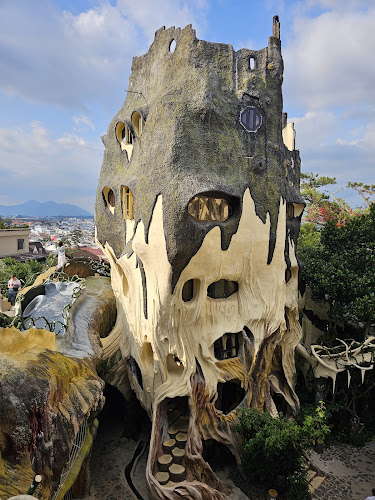
Crazy House - Hang Nga Villa
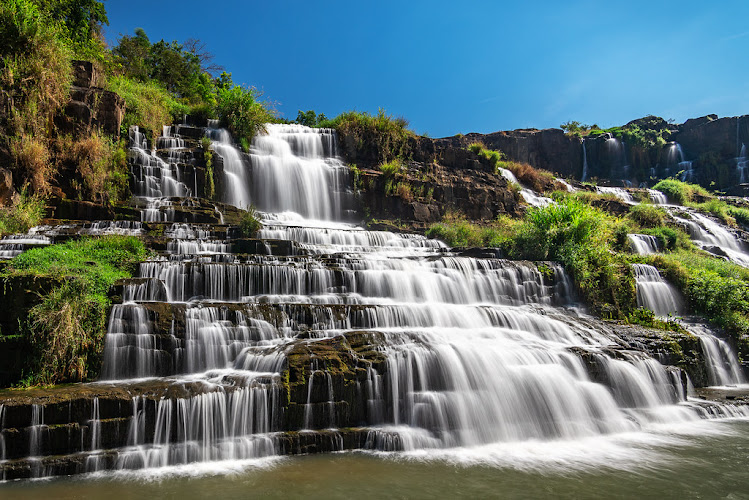
Pongour Waterfall
Find Accommodations Nearby
Recommended Tours & Activities
Visitor Reviews
There are no reviews yet. Be the first one to write one.
Share Your Experience
Have you visited Linh Sơn Pagoda? Help other travelers by leaving a review.