
Pongour Waterfall
About Pongour Waterfall
Description
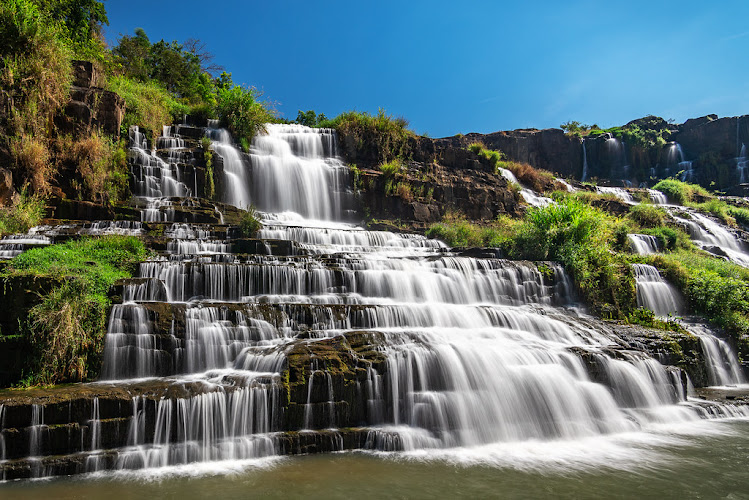
There’s something quietly magical about Pongour Waterfall. It’s not just another stop on a checklist of Vietnam’s natural wonders—it’s the kind of place that makes you slow down, breathe deeply, and actually feel where you are. Located in the Đức Trọng District of Lam Dong Province, Pongour is often called the “Seven-Level Waterfall” because of its cascading terraces that stretch wide across ancient rock formations. When you first catch sight of it, you’ll probably do what I did: just stand there for a moment, letting the roar of the water and the mist on your face sink in.
Unlike some waterfalls that feel a bit too manicured or crowded, Pongour manages to balance accessibility with raw, natural beauty. The falls tumble down roughly 40 meters, spreading out over 100 meters in width, creating a wide, curtain-like cascade that photographs never quite do justice. The surrounding area has been thoughtfully landscaped with stone pathways and gardens, but it still feels wild enough to remind you that nature is in charge here. And that’s part of its charm—you’ll see locals picnicking under the trees, kids skipping stones, and travelers (like me) trying to find the perfect angle for a photo that captures even half the grandeur.
Now, I’ll be honest—Pongour isn’t perfect. Sometimes, especially during the dry season, the flow can be a bit underwhelming, and the area can get busy on weekends. But even then, there’s something peaceful about it. You can sit back with a coffee from one of the small kiosks nearby, watch the sunlight play on the water, and just… be. It’s a place that doesn’t demand your attention—it earns it.
Key Features
- Seven-tier cascade: The waterfall flows over seven distinct levels of rock, creating a natural amphitheater of water and sound.
- Scenic surroundings: Lush greenery, landscaped gardens, and shaded picnic areas make it ideal for a relaxed visit.
- Photogenic views: The wide rock terraces and misty spray offer incredible photo opportunities, especially at sunrise or after rainfall.
- Local culture: The site is tied to local legends about a powerful K’ho tribe woman, adding a layer of myth and history to the visit.
- Accessibility: Well-maintained paths and steps make it easier to reach the base of the falls, though a moderate level of fitness helps.
- Peaceful atmosphere: Despite its popularity, it’s still possible to find quiet corners for reflection or a picnic.
Best Time to Visit
Timing can make all the difference when it comes to Pongour. The best months are from September to March, right after the rainy season when the falls are at their most powerful. The water gushes down in thick, white ribbons, and the surrounding vegetation is lush and vibrant. I once visited in late October, and honestly, it felt like the whole place was alive—the air was cool, the sound of the water was thunderous, and the mist caught the sunlight in tiny rainbows.
During the dry months, roughly from April to August, the flow can slow to a gentle trickle. If you’re into photography or just prefer a quieter experience, that might actually be the perfect time. You’ll have fewer crowds, easier access to the rocks, and clearer skies. Just remember to bring sunscreen and plenty of water—it can get hot out there.
Weekdays are generally calmer than weekends, especially in the morning. If you can, try to arrive early before the tour buses roll in. There’s something special about being there when it’s just you, the sound of the falls, and maybe a few birds calling from the trees above.
How to Get There
Pongour Waterfall sits about 45 kilometers south of Da Lat, so it’s an easy day trip if you’re based there. Most travelers either rent a motorbike or hire a private car for the journey. Personally, I’d recommend the motorbike option if you’re comfortable riding—it’s a scenic route that winds through pine forests, coffee plantations, and small rural villages. You’ll want to stop more than once just to take in the views.
The road is mostly paved and in good condition, though there are a few bumpy patches near the entrance. Once you arrive, there’s a parking area where you’ll pay a small fee, and from there it’s about a 10- to 15-minute walk down a well-marked path to reach the base of the falls. The walk back uphill can be a bit of a workout, especially in the heat, so take your time and bring some water. If you prefer, local electric carts are sometimes available to shuttle visitors part of the way.
For those who prefer organized travel, many Da Lat-based tour companies offer half-day or full-day excursions that include Pongour along with other nearby attractions like Elephant Falls or Linh An Pagoda. It’s a good option if you’d rather not worry about navigation or parking.
Tips for Visiting
Having been there a couple of times now, I’ve learned a few things that can make your visit smoother—and more enjoyable. So here’s my personal cheat sheet:
- Go early: The light is softer, the crowds are thinner, and the air feels fresher in the morning. Plus, it’s the best time for photography.
- Wear proper footwear: The rocks can be slippery, especially after rain. I made the rookie mistake of wearing sandals once—big regret.
- Bring snacks or a picnic: There are a few kiosks selling drinks and instant noodles, but if you want something more substantial, pack your own. The shaded gardens are perfect for a laid-back lunch.
- Respect the environment: It sounds obvious, but it’s worth saying—don’t litter, and avoid climbing on areas marked as restricted. The site is beautiful because it’s cared for.
- Stay hydrated: The walk back up can be tiring, especially under the midday sun. Carry a bottle of water or two.
- Check the weather: Heavy rains can make the rocks slippery and the paths muddy. On the flip side, that’s when the waterfall looks its most dramatic.
- Take your time: Don’t rush through. Sit by the water, listen to the falls, maybe even dip your feet in the cool stream below. That’s when you really feel the magic of the place.
One small personal note—I remember sitting on a flat rock near the base one afternoon, just watching the water tumble down in endless sheets. A local family nearby was laughing, sharing fruit, and offering me some. It struck me that Pongour isn’t just a tourist spot; it’s part of everyday life here. People come to relax, to connect, to breathe. And that’s what makes it special. It’s not just about the waterfall—it’s about the feeling it leaves you with.
So if you’re planning a trip to Da Lat or anywhere in Vietnam’s Central Highlands, make time for Pongour Waterfall. It’s not the loudest or the tallest waterfall in the world, but it has a quiet strength that stays with you. Go once, and you’ll see what I mean.
Key Features
- Key Features
- Best Time to Visit
- How to Get There
- Tips for Visiting
More Details
Updated October 9, 2025
Description
There’s something quietly magical about Pongour Waterfall. It’s not just another stop on a checklist of Vietnam’s natural wonders—it’s the kind of place that makes you slow down, breathe deeply, and actually feel where you are. Located in the Đức Trọng District of Lam Dong Province, Pongour is often called the “Seven-Level Waterfall” because of its cascading terraces that stretch wide across ancient rock formations. When you first catch sight of it, you’ll probably do what I did: just stand there for a moment, letting the roar of the water and the mist on your face sink in.
Unlike some waterfalls that feel a bit too manicured or crowded, Pongour manages to balance accessibility with raw, natural beauty. The falls tumble down roughly 40 meters, spreading out over 100 meters in width, creating a wide, curtain-like cascade that photographs never quite do justice. The surrounding area has been thoughtfully landscaped with stone pathways and gardens, but it still feels wild enough to remind you that nature is in charge here. And that’s part of its charm—you’ll see locals picnicking under the trees, kids skipping stones, and travelers (like me) trying to find the perfect angle for a photo that captures even half the grandeur.
Now, I’ll be honest—Pongour isn’t perfect. Sometimes, especially during the dry season, the flow can be a bit underwhelming, and the area can get busy on weekends. But even then, there’s something peaceful about it. You can sit back with a coffee from one of the small kiosks nearby, watch the sunlight play on the water, and just… be. It’s a place that doesn’t demand your attention—it earns it.
Key Features
- Seven-tier cascade: The waterfall flows over seven distinct levels of rock, creating a natural amphitheater of water and sound.
- Scenic surroundings: Lush greenery, landscaped gardens, and shaded picnic areas make it ideal for a relaxed visit.
- Photogenic views: The wide rock terraces and misty spray offer incredible photo opportunities, especially at sunrise or after rainfall.
- Local culture: The site is tied to local legends about a powerful K’ho tribe woman, adding a layer of myth and history to the visit.
- Accessibility: Well-maintained paths and steps make it easier to reach the base of the falls, though a moderate level of fitness helps.
- Peaceful atmosphere: Despite its popularity, it’s still possible to find quiet corners for reflection or a picnic.
Best Time to Visit
Timing can make all the difference when it comes to Pongour. The best months are from September to March, right after the rainy season when the falls are at their most powerful. The water gushes down in thick, white ribbons, and the surrounding vegetation is lush and vibrant. I once visited in late October, and honestly, it felt like the whole place was alive—the air was cool, the sound of the water was thunderous, and the mist caught the sunlight in tiny rainbows.
During the dry months, roughly from April to August, the flow can slow to a gentle trickle. If you’re into photography or just prefer a quieter experience, that might actually be the perfect time. You’ll have fewer crowds, easier access to the rocks, and clearer skies. Just remember to bring sunscreen and plenty of water—it can get hot out there.
Weekdays are generally calmer than weekends, especially in the morning. If you can, try to arrive early before the tour buses roll in. There’s something special about being there when it’s just you, the sound of the falls, and maybe a few birds calling from the trees above.
How to Get There
Pongour Waterfall sits about 45 kilometers south of Da Lat, so it’s an easy day trip if you’re based there. Most travelers either rent a motorbike or hire a private car for the journey. Personally, I’d recommend the motorbike option if you’re comfortable riding—it’s a scenic route that winds through pine forests, coffee plantations, and small rural villages. You’ll want to stop more than once just to take in the views.
The road is mostly paved and in good condition, though there are a few bumpy patches near the entrance. Once you arrive, there’s a parking area where you’ll pay a small fee, and from there it’s about a 10- to 15-minute walk down a well-marked path to reach the base of the falls. The walk back uphill can be a bit of a workout, especially in the heat, so take your time and bring some water. If you prefer, local electric carts are sometimes available to shuttle visitors part of the way.
For those who prefer organized travel, many Da Lat-based tour companies offer half-day or full-day excursions that include Pongour along with other nearby attractions like Elephant Falls or Linh An Pagoda. It’s a good option if you’d rather not worry about navigation or parking.
Tips for Visiting
Having been there a couple of times now, I’ve learned a few things that can make your visit smoother—and more enjoyable. So here’s my personal cheat sheet:
- Go early: The light is softer, the crowds are thinner, and the air feels fresher in the morning. Plus, it’s the best time for photography.
- Wear proper footwear: The rocks can be slippery, especially after rain. I made the rookie mistake of wearing sandals once—big regret.
- Bring snacks or a picnic: There are a few kiosks selling drinks and instant noodles, but if you want something more substantial, pack your own. The shaded gardens are perfect for a laid-back lunch.
- Respect the environment: It sounds obvious, but it’s worth saying—don’t litter, and avoid climbing on areas marked as restricted. The site is beautiful because it’s cared for.
- Stay hydrated: The walk back up can be tiring, especially under the midday sun. Carry a bottle of water or two.
- Check the weather: Heavy rains can make the rocks slippery and the paths muddy. On the flip side, that’s when the waterfall looks its most dramatic.
- Take your time: Don’t rush through. Sit by the water, listen to the falls, maybe even dip your feet in the cool stream below. That’s when you really feel the magic of the place.
One small personal note—I remember sitting on a flat rock near the base one afternoon, just watching the water tumble down in endless sheets. A local family nearby was laughing, sharing fruit, and offering me some. It struck me that Pongour isn’t just a tourist spot; it’s part of everyday life here. People come to relax, to connect, to breathe. And that’s what makes it special. It’s not just about the waterfall—it’s about the feeling it leaves you with.
So if you’re planning a trip to Da Lat or anywhere in Vietnam’s Central Highlands, make time for Pongour Waterfall. It’s not the loudest or the tallest waterfall in the world, but it has a quiet strength that stays with you. Go once, and you’ll see what I mean.
Key Highlights
- Key Features
- Best Time to Visit
- How to Get There
- Tips for Visiting
Location
Places to Stay Near Pongour Waterfall
Find and Book a Tour
Explore More Travel Guides
No reviews found! Be the first to review!
Traveler Reviews for Pongour Waterfall
There are no reviews yet. Be the first one to write one.
Have you visited Pongour Waterfall? Help other travelers by sharing your review.
You Might Also Like
Valley Of Love

Bao Dai Palace 3

Cau Dat Tea Village
Find Accommodations Nearby
Recommended Tours & Activities
Visitor Reviews
There are no reviews yet. Be the first one to write one.
Share Your Experience
Have you visited Pongour Waterfall? Help other travelers by leaving a review.