
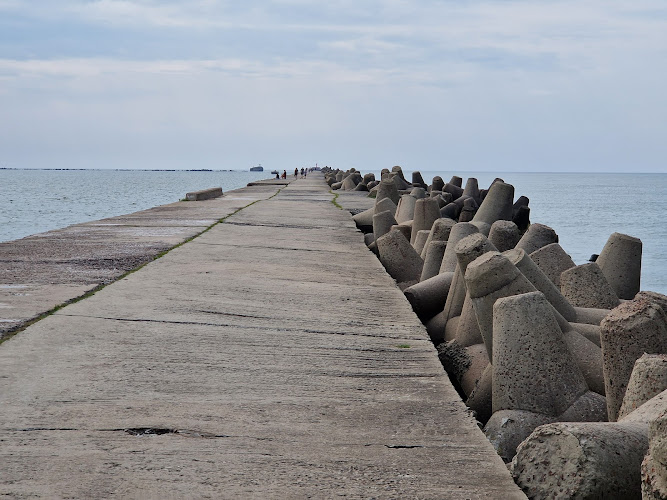
Liepāja Northern Breakwater
About Liepāja Northern Breakwater
Description
The Liepāja Northern Breakwater stands as Latvia’s longest breakwater, stretching an impressive 1800 meters into the Baltic Sea like a concrete finger pointing toward the horizon. Built at the end of the 19th century, this massive structure wasn’t just thrown together for show – it served as a crucial component of Liepāja’s fortress and military port system, protecting the harbor from the relentless Baltic waves.
What makes this place special isn’t just its historical significance, though that’s certainly part of the charm. Walking along this 7.35-meter-wide concrete pathway feels like taking a journey into the sea itself. You’re literally standing on a piece of engineering that has withstood over a century of storms, wars, and changing political landscapes. And honestly, there’s something pretty humbling about that.
The breakwater has evolved from its military origins into one of the most beloved spots for both locals and visitors. It’s become a sort of communal gathering place where people come to fish, watch sunsets, and experience the raw power of the Baltic Sea during storms. The structure extends from the Karosta area of Liepāja, offering unobstructed views of the sea on one side and the busy Liepāja Freeport on the other.
But here’s what most travel guides won’t tell you – this isn’t your typical Instagram-friendly tourist spot with perfect conditions year-round. The weather can be unpredictable, the waves can be intimidating, and sometimes you’ll find yourself sharing the space with serious anglers who’ve claimed their spots at dawn. That’s exactly what makes it authentic, though.
Key Features
The Northern Breakwater offers several distinctive features that set it apart from typical coastal attractions:
• Historic Military Architecture – The breakwater represents 19th-century fortress engineering, constructed as part of the Naval Fortress system to protect the military port and Karosta Canal
• Record-Breaking Length – At 1800 meters long, it holds the distinction of being Latvia’s longest breakwater, providing an extended walking experience into the Baltic Sea
• Prime Fishing Location – The deep waters at the breakwater’s end attract various fish species, making it a favored spot for both amateur and experienced anglers
• Sunset Viewing Platform – The western orientation and elevated position create ideal conditions for watching the sun set over the Baltic Sea
• Storm Watching Opportunities – During rough weather, the breakwater becomes a dramatic vantage point for observing the sea’s power (though safety precautions are essential)
• Dual Harbor Views – Visitors can observe both the natural Baltic coastline and the industrial operations of Liepāja Freeport
• Accessible Design – The wide, flat surface accommodates wheelchair users and families with strollers
• Year-Round Access – Unlike seasonal attractions, the breakwater remains open throughout the year, offering different experiences in each season
Best Time to Visit
Timing your visit to the Northern Breakwater can make the difference between a mediocre experience and an unforgettable one. Each season brings its own character to this concrete giant stretching into the Baltic.
Summer months from June through August offer the most comfortable walking conditions, with longer daylight hours that extend well into the evening. This is prime sunset-watching season, when you’ll find yourself sharing the breakwater with couples, photographers, and families. The sea tends to be calmer during these months, making it easier to walk the full length without getting soaked by spray. However, this is also when you’ll encounter the most crowds, particularly on weekends.
Late spring and early autumn present some of the most dramatic conditions. May and September often bring those magnificent storms that transform the breakwater into nature’s theater. Watching waves crash against the structure during these months can be absolutely spectacular, though you’ll want to dress appropriately and keep a safe distance from the edge.
Winter visits require a different kind of preparation, but they reward hardy visitors with a completely transformed landscape. Ice formations along the breakwater create surreal scenes, and the reduced visitor numbers mean you might have this massive structure largely to yourself. Just remember that Baltic winters don’t mess around – proper winter gear is non-negotiable.
For fishing enthusiasts, early morning visits regardless of season often yield the best results. Many locals swear by the pre-dawn hours when the fish are most active and the breakwater hasn’t yet filled with casual visitors.
The golden hour before sunset remains consistently magical throughout the year, though the timing shifts dramatically between summer’s late evening light and winter’s early afternoon glow.
How to Get There
Getting to the Northern Breakwater is refreshingly straightforward, though like many things in this part of Latvia, it requires a bit of local knowledge to navigate efficiently.
The breakwater is located in Liepāja’s Karosta district, which itself has a fascinating history as a former military town. If you’re driving, head toward Karosta and look for signs directing you to the harbor area. There’s adequate parking near the breakwater entrance, including designated spaces for visitors with disabilities.
Public transportation in Liepāja connects the city center with Karosta, though schedules can be somewhat unpredictable, especially during off-peak hours. The local bus system serves the area, but having your own transportation certainly provides more flexibility, particularly if you want to time your visit for sunrise or sunset.
For international visitors, Liepāja itself is accessible by bus from Riga, Latvia’s capital, with several daily connections. The journey takes approximately 3.5 hours by bus or just under 3 hours by car. Some visitors combine their breakwater visit with exploration of other Karosta attractions, including the former military prison and the Orthodox Cathedral.
If you’re staying in central Liepāja, the breakwater is roughly a 15-minute drive to the north. Cycling is also possible, though the distance and potential weather conditions make this more suitable for experienced cyclists.
Walking from the parking area to the breakwater entrance takes just a few minutes, and the path is clearly marked. Once you’re on the breakwater itself, it’s a straight shot toward the sea – you literally can’t get lost.
Tips for Visiting
After spending considerable time at the Northern Breakwater across different seasons, certain practical insights can significantly enhance your experience.
Weather preparation cannot be overstated. The Baltic Sea creates its own microclimate, and conditions on the breakwater can be dramatically different from those just a few hundred meters inland. Wind speeds increase as you walk toward the sea, and what feels like a gentle breeze at the base can become quite forceful at the breakwater’s end. Layered clothing works best, allowing you to adjust as conditions change during your walk.
Footwear deserves special attention. The concrete surface can become slippery when wet, which happens more often than you might expect from sea spray. Proper grip is essential, particularly if you plan to walk the entire length. And speaking of walking the full distance – it’s longer than most people anticipate. That 1800-meter journey to the end and back represents nearly 4 kilometers of walking, much of it exposed to wind and weather.
For photography enthusiasts, the lighting conditions change dramatically as you move along the breakwater. The industrial port creates interesting backdrops, but the real magic happens at the far end where it’s just you, the sea, and the horizon. Protecting camera equipment from salt spray becomes crucial, especially during rougher conditions.
Fishing from the breakwater requires some local knowledge about regulations and seasonal patterns. Many experienced anglers are surprisingly willing to share advice, particularly during the quieter early morning hours. However, respect their space – some spots along the breakwater are clearly claimed by regulars who’ve been coming here for decades.
Timing your visit around sunset sounds obvious, but the actual timing can be tricky. The sun doesn’t set directly at the end of the breakwater year-round, so checking sunset direction for your specific date prevents disappointment.
Safety considerations become more important during storm seasons. While watching powerful waves is part of the breakwater’s appeal, the structure can become genuinely dangerous during severe weather. Local authorities occasionally restrict access during extreme conditions, and it’s worth respecting these limitations.
Finally, bringing snacks and water makes sense for longer visits, as there aren’t facilities along the breakwater itself. The nearest amenities are back toward the parking area, and once you’ve walked to the far end, returning for forgotten items means repeating that entire journey.
Key Features
- Key Features
- Best Time to Visit
- How to Get There
- Tips for Visiting
Tours & Activities
GetYourGuide provides this tour inventory. We may earn a commission if you book through it; verify current availability, prices, and terms with the provider.
Visitor Reviews
There are no reviews yet. Be the first one to write one.
Share Your Experience
Have you visited Liepāja Northern Breakwater? Help other travelers by leaving a review.