
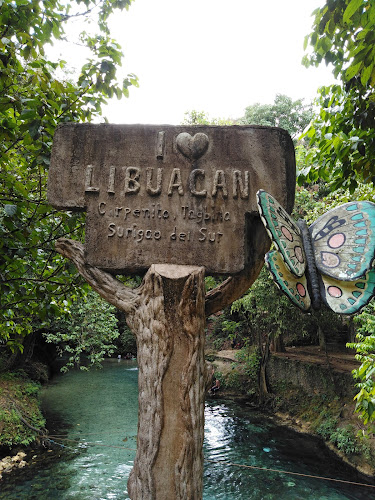
Libuacan Cold Spring
About Libuacan Cold Spring
Description
If you’re the sort who’s always after a genuine escape, you’ll probably dig Libuacan Cold Spring in Surigao del Sur as much as I did. It’s where you actually start to understand what “refreshingly cold” means—because, let me tell you, Libuacan’s waters don’t mess around. They’re the type that make your toes tingle in the best way. I’ve been to plenty of mountain springs in the Philippines, but honestly, this one stands out for its laid-back, “take-off-your-shoes-and-stay-awhile” charm.
The place calls itself a nature preserve, but don’t go expecting anything stiff or overbuilt—no manicured trails or pretentious eco-signage here. Instead, you’re looking at something pretty raw and simple, dotted with barbecue grills and a few shaded picnic huts (which, honestly, are lifesavers after a long swim). It’s got a vibe that’s perfect for families, barkada road trips, or anyone who likes to trade their screen time for waterfall white noise and silly laughter echoing through the trees.
The cold spring itself is surprisingly clear—like, almost mirror-like in the morning—and you can easily spot darting fish and pebbles underfoot. It’s deep enough for a solid swim but not so massive that you ever feel lost. And dogs? Bring them along! Libuacan’s the kind of place where furry family members are absolutely part of the experience. But heads up: no wheelchair access yet. Like a lot of rural gems across the islands, they haven’t added those amenities, so it can be a bit of a scramble for those who need it. Still, for most able-bodied visitors, it’s a real treat.
The honest truth? It’s not “perfect.” Weekends can be a little crowded and, sure, sometimes the facilities have seen better days. But if you’re in search of an honest-to-goodness local hangout, where you can barbecue your own lunch, watch kids cannonball into chilly water, and maybe swap stories with friendly locals, Libuacan Cold Spring feels almost like time travel—just you, fresh water, and laughter drifting in the air.
Key Features
- Invigorating Cold Spring: Water temperatures that rarely inch beyond “brisk”—expect a refreshing dip, summer or not.
- Crystal-Clear Waters: See your toes, or the fish nibbling at them. Actually, it’s a bit of both.
- Family-Friendly Atmosphere: Kids can splash all day, adults can grill and chill just steps away.
- Pet-Friendly: Dogs are not only allowed—they’re welcomed. Just keep yours on a leash if they like to yap at strangers.
- Barbecue Grills & Picnic Huts: DIY your lunch. Locals will often bring marinated chicken, fresh tilapia, or pork. The grills are ready for action, and sharing is kind of a tradition.
- Accessible (but Not Wheelchair-Ready): The site’s terrain is natural and a little uneven. Not ideal for everyone, but fine if you’re steady on your feet.
- Public Restrooms: Functional, not fancy. Bring your own toiletries and maybe a pack of tissue; you’ll thank yourself later.
- Unspoiled Nature: No piped-in music, no massive signs, just the sounds of running water, chirping insects, and laughter. Sometimes, it’s all you need.
Best Time to Visit
Let’s not kid ourselves: the Philippines is hot most of the year, so a cold spring like Libuacan is tempting whenever you roll through Surigao del Sur. But—and this comes from a lot of sweaty, sunscreen-slathered afternoons—the spring is pure bliss between February and June. Water’s at its coldest, and the sunlight filtering through the trees makes for postcard-perfect photos (or at least some killer Instagram stories).
If you prefer it a bit quieter, I’d lean toward weekday mornings. The place fills up fast on weekends and during school breaks, so if you want that “all-the-place-to-yourself” feeling, set your alarm a bit earlier—totally worth it. I once went right after a summer rain, and let me tell you, there’s something extra magical about the spring when a little mist’s still curling up off the surface. Dry season (January to early June) is prime time for hassle-free access; during the rainy months, do check local conditions as the paths can get tricky and the water’s sometimes silty.
How to Get There
Getting to Libuacan Cold Spring means a bit of adventure, which—honestly?—kind of adds to the charm. Most folks start their trip from Tagbina town proper or nearby Bislig, which is a familiar jumping-off point for travelers hitting Surigao del Sur’s highlights. If you’re like me (directionally challenged), here’s a quick mental map:
- By Private Vehicle: Easiest way, really. Just hop in a car or rented multicab, enjoy the winding provincial roads (think scenic fields, glimpses of hills), and ask locals if you’re not sure—you’d be surprised how willing people are to give you directions, sometimes even hopping on their bikes to show you the way. There’s parking onsite, but it’s not massive, so plan accordingly.
- By Public Transit: Buses and vans to Tagbina from major cities like Butuan, Davao, or even Bislig run all day. From Tagbina, hire a local habal-habal (motorbike taxi) for the final stretch. Hold tight; that last ride’s sometimes a bit bumpy but honestly, looking out at the rice paddies and coconut trees is half the fun. If you love chatting with drivers, they usually have stories and aren’t shy to share them.
- Walking the Last Leg: If you get dropped before the entrance, the walk is lovely—cool under the trees, damp earth underfoot, and the distant echo of kids already splashing up ahead.
And hey, Google Maps works, but expect a few spots where cell service drops off. Bring a screenshot or just embrace the adventure; you’ll find your way.
Tips for Visiting
- Pack Light, but Pack Smart: Extra dry clothes, towels, and a hat go a long way. Don’t forget swimwear—obviously—but a snug pair of aqua shoes is a lifesaver for those slippery river stones.
- Arrive Early: If you want the best picnic spot (hint: next to the shallow end, under the big acacia), aim to get there before 9AM. Trust me, the morning peace here is addictive.
- Mind the Weather: Sudden downpours happen. Bring a light raincoat or umbrella just in case. And a plastic bag for wet clothes never hurts, either.
- Respect the Place: This is a nature preserve, so carry out what you carry in. Local families take pride in the spring—let’s help them keep it beautiful. And maybe lend a hand if you spot any litter.
- Grill Like a Local: Marinate your meat ahead. Set your charcoal early, so you’re not fighting smoke when you're already hungry. Some of my favorite memories are grilling tilapia over the open fire while my friends floated lazily in the chilly water.
- Expect Minimal Frills: Don’t come for five-star bathrooms or fancy changing rooms—they’re basic and sometimes run out of toilet paper. Bring your own toiletries and don’t hold back on the hand sanitizer.
- Listen for Stories: If you chat up the locals (and you should!), ask about old stories or legends. Last time, a kuya told us how Libuacan supposedly got its ice-cold water from a hidden mountain spirit—who knows, maybe you’ll hear a new version.
- Obey Swim Safety: Even if you’re a decent swimmer, keep an eye on strong undercurrents in the deeper parts, especially during the rainy months. Life vests for kids are a good idea.
- Leave Your Worries Behind: There’s spotty cell service, and you won’t find Wi-Fi. Take it as permission to unplug, just for a little while. Sometimes you need that memory file in your head rather than just your phone.
So here’s the bottom line—Libuacan Cold Spring’s charm isn’t hidden in luxury or grandeur; it’s in the honest simplicity, the chilly rush of water, and the stories passed around at picnic tables. If you
Key Features
- Key Features
- Best Time to Visit
- How to Get There
- Tips for Visiting
More Details
Updated June 7, 2025
Table of Contents
Description
If you’re the sort who’s always after a genuine escape, you’ll probably dig Libuacan Cold Spring in Surigao del Sur as much as I did. It’s where you actually start to understand what “refreshingly cold” means—because, let me tell you, Libuacan’s waters don’t mess around. They’re the type that make your toes tingle in the best way. I’ve been to plenty of mountain springs in the Philippines, but honestly, this one stands out for its laid-back, “take-off-your-shoes-and-stay-awhile” charm.
The place calls itself a nature preserve, but don’t go expecting anything stiff or overbuilt—no manicured trails or pretentious eco-signage here. Instead, you’re looking at something pretty raw and simple, dotted with barbecue grills and a few shaded picnic huts (which, honestly, are lifesavers after a long swim). It’s got a vibe that’s perfect for families, barkada road trips, or anyone who likes to trade their screen time for waterfall white noise and silly laughter echoing through the trees.
The cold spring itself is surprisingly clear—like, almost mirror-like in the morning—and you can easily spot darting fish and pebbles underfoot. It’s deep enough for a solid swim but not so massive that you ever feel lost. And dogs? Bring them along! Libuacan’s the kind of place where furry family members are absolutely part of the experience. But heads up: no wheelchair access yet. Like a lot of rural gems across the islands, they haven’t added those amenities, so it can be a bit of a scramble for those who need it. Still, for most able-bodied visitors, it’s a real treat.
The honest truth? It’s not “perfect.” Weekends can be a little crowded and, sure, sometimes the facilities have seen better days. But if you’re in search of an honest-to-goodness local hangout, where you can barbecue your own lunch, watch kids cannonball into chilly water, and maybe swap stories with friendly locals, Libuacan Cold Spring feels almost like time travel—just you, fresh water, and laughter drifting in the air.
Key Features
- Invigorating Cold Spring: Water temperatures that rarely inch beyond “brisk”—expect a refreshing dip, summer or not.
- Crystal-Clear Waters: See your toes, or the fish nibbling at them. Actually, it’s a bit of both.
- Family-Friendly Atmosphere: Kids can splash all day, adults can grill and chill just steps away.
- Pet-Friendly: Dogs are not only allowed—they’re welcomed. Just keep yours on a leash if they like to yap at strangers.
- Barbecue Grills & Picnic Huts: DIY your lunch. Locals will often bring marinated chicken, fresh tilapia, or pork. The grills are ready for action, and sharing is kind of a tradition.
- Accessible (but Not Wheelchair-Ready): The site’s terrain is natural and a little uneven. Not ideal for everyone, but fine if you’re steady on your feet.
- Public Restrooms: Functional, not fancy. Bring your own toiletries and maybe a pack of tissue; you’ll thank yourself later.
- Unspoiled Nature: No piped-in music, no massive signs, just the sounds of running water, chirping insects, and laughter. Sometimes, it’s all you need.
Best Time to Visit
Let’s not kid ourselves: the Philippines is hot most of the year, so a cold spring like Libuacan is tempting whenever you roll through Surigao del Sur. But—and this comes from a lot of sweaty, sunscreen-slathered afternoons—the spring is pure bliss between February and June. Water’s at its coldest, and the sunlight filtering through the trees makes for postcard-perfect photos (or at least some killer Instagram stories).
If you prefer it a bit quieter, I’d lean toward weekday mornings. The place fills up fast on weekends and during school breaks, so if you want that “all-the-place-to-yourself” feeling, set your alarm a bit earlier—totally worth it. I once went right after a summer rain, and let me tell you, there’s something extra magical about the spring when a little mist’s still curling up off the surface. Dry season (January to early June) is prime time for hassle-free access; during the rainy months, do check local conditions as the paths can get tricky and the water’s sometimes silty.
How to Get There
Getting to Libuacan Cold Spring means a bit of adventure, which—honestly?—kind of adds to the charm. Most folks start their trip from Tagbina town proper or nearby Bislig, which is a familiar jumping-off point for travelers hitting Surigao del Sur’s highlights. If you’re like me (directionally challenged), here’s a quick mental map:
- By Private Vehicle: Easiest way, really. Just hop in a car or rented multicab, enjoy the winding provincial roads (think scenic fields, glimpses of hills), and ask locals if you’re not sure—you’d be surprised how willing people are to give you directions, sometimes even hopping on their bikes to show you the way. There’s parking onsite, but it’s not massive, so plan accordingly.
- By Public Transit: Buses and vans to Tagbina from major cities like Butuan, Davao, or even Bislig run all day. From Tagbina, hire a local habal-habal (motorbike taxi) for the final stretch. Hold tight; that last ride’s sometimes a bit bumpy but honestly, looking out at the rice paddies and coconut trees is half the fun. If you love chatting with drivers, they usually have stories and aren’t shy to share them.
- Walking the Last Leg: If you get dropped before the entrance, the walk is lovely—cool under the trees, damp earth underfoot, and the distant echo of kids already splashing up ahead.
And hey, Google Maps works, but expect a few spots where cell service drops off. Bring a screenshot or just embrace the adventure; you’ll find your way.
Tips for Visiting
- Pack Light, but Pack Smart: Extra dry clothes, towels, and a hat go a long way. Don’t forget swimwear—obviously—but a snug pair of aqua shoes is a lifesaver for those slippery river stones.
- Arrive Early: If you want the best picnic spot (hint: next to the shallow end, under the big acacia), aim to get there before 9AM. Trust me, the morning peace here is addictive.
- Mind the Weather: Sudden downpours happen. Bring a light raincoat or umbrella just in case. And a plastic bag for wet clothes never hurts, either.
- Respect the Place: This is a nature preserve, so carry out what you carry in. Local families take pride in the spring—let’s help them keep it beautiful. And maybe lend a hand if you spot any litter.
- Grill Like a Local: Marinate your meat ahead. Set your charcoal early, so you’re not fighting smoke when you’re already hungry. Some of my favorite memories are grilling tilapia over the open fire while my friends floated lazily in the chilly water.
- Expect Minimal Frills: Don’t come for five-star bathrooms or fancy changing rooms—they’re basic and sometimes run out of toilet paper. Bring your own toiletries and don’t hold back on the hand sanitizer.
- Listen for Stories: If you chat up the locals (and you should!), ask about old stories or legends. Last time, a kuya told us how Libuacan supposedly got its ice-cold water from a hidden mountain spirit—who knows, maybe you’ll hear a new version.
- Obey Swim Safety: Even if you’re a decent swimmer, keep an eye on strong undercurrents in the deeper parts, especially during the rainy months. Life vests for kids are a good idea.
- Leave Your Worries Behind: There’s spotty cell service, and you won’t find Wi-Fi. Take it as permission to unplug, just for a little while. Sometimes you need that memory file in your head rather than just your phone.
So here’s the bottom line—Libuacan Cold Spring’s charm isn’t hidden in luxury or grandeur; it’s in the honest simplicity, the chilly rush of water, and the stories passed around at picnic tables. If you
Key Highlights
- Key Features
- Best Time to Visit
- How to Get There
- Tips for Visiting
Location
Places to Stay Near Libuacan Cold Spring
Find and Book a Tour
Explore More Travel Guides
No reviews found! Be the first to review!
Traveler Reviews for Libuacan Cold Spring
There are no reviews yet. Be the first one to write one.
Have you visited Libuacan Cold Spring? Help other travelers by sharing your review.
You Might Also Like

Prosperidad Riverside Park
Kalidongan

El triunfo Beach
Find Accommodations Nearby
Recommended Tours & Activities
Visitor Reviews
There are no reviews yet. Be the first one to write one.
Share Your Experience
Have you visited Libuacan Cold Spring? Help other travelers by leaving a review.