
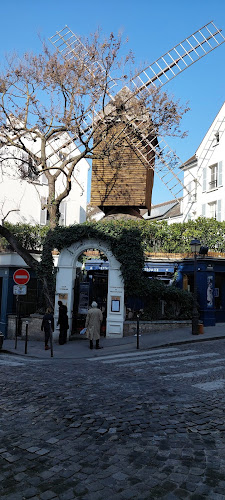
Le Moulin Blute-Fin
About Le Moulin Blute-Fin
Description
If you ever find yourself wandering through Montmartre—maybe with a fresh croissant in hand and a slightly cricked neck from gazing at Sacré-Cœur—then stumbling upon Le Moulin Blute-Fin is a real treat, I can promise you that. Forget the postcard-perfect windmills you might expect from cheesy movie scenes; this is the genuine old-timer, a rare survivor from the era when Montmartre was covered in fields, not cafés. Built way back in the 17th century, Le Moulin Blute-Fin is the oldest standing windmill in Paris (yep, even older than its more famous cousin, Moulin Rouge). It’s the lone guardian of stories and secrets, quietly perched above the city, still reminding you that this hill was once the breadbasket of Paris and not just an Instagram hot spot.
What catches folks off guard (in the best way, if you ask me) is the authenticity that just radiates from its every creaking beam. Sure, it might not have glitzy signage or dazzle you with museum modernity—but that’s sort of the point. This windmill is unpretentious, proud, and full of personality. It’s seen centuries pass: from artists lugging up their canvases to wild bohemians dancing under its shadow, and now, families snapping photos or sketching pictures with their kids. I remember my own first visit—I expected ten minutes, tops, but ended up lingering close to an hour, lost in the quirky history and the incredibly photogenic views. (And let's be honest: I definitely daydreamed about being a painter on the lam for a little while.)
If you’re keen on peeling back the layers of Paris and want something that doesn’t feel mass-produced, this is the spot. It's a living, breathing slice of Montmartre. And you just might walk away feeling like you’ve discovered your very own Parisian secret—even if a few other explorers beat you to it.
Key Features
- Historic authenticity — Dating from the early 1600s, Le Moulin Blute-Fin is the oldest remaining windmill in Paris. You’re brushing shoulders with real, tangible history here.
- Artist magnet — The windmill was immortalized by legends like Renoir and van Gogh. You can literally match up the view with famous Impressionist paintings (which always feels wonderfully surreal).
- Superb panoramic views — Rising above most rooftops, the windmill offers arguably some of the best lesser-known vantage points of Montmartre and Paris beyond—no need to elbow tour groups for a selfie.
- Kid-friendly vibes — Open air, plenty of room to wander safely, and stories that even the youngest visitors (and their not-so-young parents) will get a kick out of. If your child’s got a flair for drama, tell them about the historic battles fought right here!
- Quieter than you’d expect — Away from the bustling heart of Montmartre, it’s a real breath of fresh air. I’ve found you can almost always find a peaceful moment even on busy weekends.
- Historical anecdotes — Ask locals or guides about its more raucous, rebellious past. Allegedly, Napoleon’s troops once had a dramatic showdown involving this windmill. That always spices up any visit, if you enjoy a bit of drama in your sightseeing.
- Photo ops galore — Between the picturesque sails, ivy-draped walls, and backdrop of Montmartre rooftops, you can capture some of your favorite Paris moments here (no filter needed, trust me).
Best Time to Visit
Let me spill the beans—there isn’t really a wrong time to wander up to Le Moulin Blute-Fin. That being said, a little timing magic does make your visit extra special. I always swear by weekday mornings or late afternoons: the light’s softer, crowds are sparser, and you’ll probably spot a local or two sketching quietly nearby. Spring and fall steal the crown for best seasons—think cherry blossoms dusting the cobbles or autumn leaves giving the hills a warm golden glow.
If you’re hoping to avoid those gathering tour groups, sidestep weekends and opt for a mid-week jaunt. Honestly, Paris’s weather is famously unpredictable (I've spun my umbrella like a windmill more times than I can count), but that just adds character. Carry a light raincoat, keep your coffee close, and enjoy the changing sky; the windmill looks just as romantic against gray clouds as in gleaming sunshine.
How to Get There
Montmartre can be a maze of winding lanes and abrupt staircases—unpredictable and entirely charming, but a bit confusing at first blush. If you don’t embrace a little getting lost, are you even doing Paris right? My favorite approach is on foot, weaving up the hilly streets from Pigalle or Abbesses metro stations. Take it slow! You’ll stumble across all sorts of hidden cafés, doodled street art, and—if you’re like me—possibly pause too long at a particularly decadent pâtisserie.
Public transport is your friend. Metro Line 12 (get out at Abbesses) or Line 2 (from Blanche) get you reasonably close. From there, you’ll have to leg it up the slopes. Don’t be shy about getting your bearings from the delightful locals; the French are much friendlier than the stereotypes let on, especially in Montmartre. Oh, and if you spot the tiny Montmartrobus trundling past, hop on—those mini-busses wind through the narrowest streets, saving your knees all the while.
Driving, though? Not recommended unless you’re a glutton for punishment (or just adore parallel parking on hairpin turns). Stick to metro, bus, or your own two feet.
Tips for Visiting
Here's where I spill some insider wisdom. First, wear sturdy shoes. I know, I know—Paris tempts you with every sort of chic footwear, but Montmartre’s cobblestones have ended many a fashionista’s day early. Trust me, your ankles will thank you.
If you really want to dodge the busier times, plan your visit early in the morning or late in the afternoon. That’s when the windmill and hill have this hush about them, and you’ll snag some truly breathtaking photos. Don’t just rush to snap your picture and split—spend a few moments soaking in the vibe. Bring a sketchbook, a notebook, your partner’s hand, or just your own curious spirit. There's a certain magic in letting your thoughts drift just as the artists did.
Families—bring the kids! The open area gives younger visitors space to move without stress, and if you tell them the stories of artists and rebels who once occupied the spot, they’ll get caught up in the fun. Maybe pack a snack, though—the food options right by the windmill are limited, and a hungry toddler doesn’t care about historic landmarks (that was a rookie mistake of mine!).
And, remember, Le Moulin Blute-Fin is still on private land. Please be respectful of residents—no clambering over fences, no loud music, and definitely no drone photography (unless you ask, and then ask again).
Finally, be open to the unexpected. Montmartre is a living, breathing neighborhood. Yesterday’s quiet corner could be tomorrow’s impromptu accordion concert. Use your visit to Le Moulin Blute-Fin not just as a stopover, but as a springboard into the creative, slightly eccentric spirit of Paris itself. There are still hidden corners to find, even in the age of online reviews and mapping apps.
If you make it here, you’ll leave touched by a different side of Paris—one rooted above the crowds, steeped in layers of history, and full of the color, quiet, and chaos that make the city irresistible. In other words, don’t skip it.
Key Features
- Key Features
- Best Time to Visit
- How to Get There
- Tips for Visiting
More Details
Updated June 8, 2025
Table of Contents
Description
If you ever find yourself wandering through Montmartre—maybe with a fresh croissant in hand and a slightly cricked neck from gazing at Sacré-Cœur—then stumbling upon Le Moulin Blute-Fin is a real treat, I can promise you that. Forget the postcard-perfect windmills you might expect from cheesy movie scenes; this is the genuine old-timer, a rare survivor from the era when Montmartre was covered in fields, not cafés. Built way back in the 17th century, Le Moulin Blute-Fin is the oldest standing windmill in Paris (yep, even older than its more famous cousin, Moulin Rouge). It’s the lone guardian of stories and secrets, quietly perched above the city, still reminding you that this hill was once the breadbasket of Paris and not just an Instagram hot spot.
What catches folks off guard (in the best way, if you ask me) is the authenticity that just radiates from its every creaking beam. Sure, it might not have glitzy signage or dazzle you with museum modernity—but that’s sort of the point. This windmill is unpretentious, proud, and full of personality. It’s seen centuries pass: from artists lugging up their canvases to wild bohemians dancing under its shadow, and now, families snapping photos or sketching pictures with their kids. I remember my own first visit—I expected ten minutes, tops, but ended up lingering close to an hour, lost in the quirky history and the incredibly photogenic views. (And let’s be honest: I definitely daydreamed about being a painter on the lam for a little while.)
If you’re keen on peeling back the layers of Paris and want something that doesn’t feel mass-produced, this is the spot. It’s a living, breathing slice of Montmartre. And you just might walk away feeling like you’ve discovered your very own Parisian secret—even if a few other explorers beat you to it.
Key Features
- Historic authenticity — Dating from the early 1600s, Le Moulin Blute-Fin is the oldest remaining windmill in Paris. You’re brushing shoulders with real, tangible history here.
- Artist magnet — The windmill was immortalized by legends like Renoir and van Gogh. You can literally match up the view with famous Impressionist paintings (which always feels wonderfully surreal).
- Superb panoramic views — Rising above most rooftops, the windmill offers arguably some of the best lesser-known vantage points of Montmartre and Paris beyond—no need to elbow tour groups for a selfie.
- Kid-friendly vibes — Open air, plenty of room to wander safely, and stories that even the youngest visitors (and their not-so-young parents) will get a kick out of. If your child’s got a flair for drama, tell them about the historic battles fought right here!
- Quieter than you’d expect — Away from the bustling heart of Montmartre, it’s a real breath of fresh air. I’ve found you can almost always find a peaceful moment even on busy weekends.
- Historical anecdotes — Ask locals or guides about its more raucous, rebellious past. Allegedly, Napoleon’s troops once had a dramatic showdown involving this windmill. That always spices up any visit, if you enjoy a bit of drama in your sightseeing.
- Photo ops galore — Between the picturesque sails, ivy-draped walls, and backdrop of Montmartre rooftops, you can capture some of your favorite Paris moments here (no filter needed, trust me).
Best Time to Visit
Let me spill the beans—there isn’t really a wrong time to wander up to Le Moulin Blute-Fin. That being said, a little timing magic does make your visit extra special. I always swear by weekday mornings or late afternoons: the light’s softer, crowds are sparser, and you’ll probably spot a local or two sketching quietly nearby. Spring and fall steal the crown for best seasons—think cherry blossoms dusting the cobbles or autumn leaves giving the hills a warm golden glow.
If you’re hoping to avoid those gathering tour groups, sidestep weekends and opt for a mid-week jaunt. Honestly, Paris’s weather is famously unpredictable (I’ve spun my umbrella like a windmill more times than I can count), but that just adds character. Carry a light raincoat, keep your coffee close, and enjoy the changing sky; the windmill looks just as romantic against gray clouds as in gleaming sunshine.
How to Get There
Montmartre can be a maze of winding lanes and abrupt staircases—unpredictable and entirely charming, but a bit confusing at first blush. If you don’t embrace a little getting lost, are you even doing Paris right? My favorite approach is on foot, weaving up the hilly streets from Pigalle or Abbesses metro stations. Take it slow! You’ll stumble across all sorts of hidden cafés, doodled street art, and—if you’re like me—possibly pause too long at a particularly decadent pâtisserie.
Public transport is your friend. Metro Line 12 (get out at Abbesses) or Line 2 (from Blanche) get you reasonably close. From there, you’ll have to leg it up the slopes. Don’t be shy about getting your bearings from the delightful locals; the French are much friendlier than the stereotypes let on, especially in Montmartre. Oh, and if you spot the tiny Montmartrobus trundling past, hop on—those mini-busses wind through the narrowest streets, saving your knees all the while.
Driving, though? Not recommended unless you’re a glutton for punishment (or just adore parallel parking on hairpin turns). Stick to metro, bus, or your own two feet.
Tips for Visiting
Here’s where I spill some insider wisdom. First, wear sturdy shoes. I know, I know—Paris tempts you with every sort of chic footwear, but Montmartre’s cobblestones have ended many a fashionista’s day early. Trust me, your ankles will thank you.
If you really want to dodge the busier times, plan your visit early in the morning or late in the afternoon. That’s when the windmill and hill have this hush about them, and you’ll snag some truly breathtaking photos. Don’t just rush to snap your picture and split—spend a few moments soaking in the vibe. Bring a sketchbook, a notebook, your partner’s hand, or just your own curious spirit. There’s a certain magic in letting your thoughts drift just as the artists did.
Families—bring the kids! The open area gives younger visitors space to move without stress, and if you tell them the stories of artists and rebels who once occupied the spot, they’ll get caught up in the fun. Maybe pack a snack, though—the food options right by the windmill are limited, and a hungry toddler doesn’t care about historic landmarks (that was a rookie mistake of mine!).
And, remember, Le Moulin Blute-Fin is still on private land. Please be respectful of residents—no clambering over fences, no loud music, and definitely no drone photography (unless you ask, and then ask again).
Finally, be open to the unexpected. Montmartre is a living, breathing neighborhood. Yesterday’s quiet corner could be tomorrow’s impromptu accordion concert. Use your visit to Le Moulin Blute-Fin not just as a stopover, but as a springboard into the creative, slightly eccentric spirit of Paris itself. There are still hidden corners to find, even in the age of online reviews and mapping apps.
If you make it here, you’ll leave touched by a different side of Paris—one rooted above the crowds, steeped in layers of history, and full of the color, quiet, and chaos that make the city irresistible. In other words, don’t skip it.
Key Highlights
- Key Features
- Best Time to Visit
- How to Get There
- Tips for Visiting
Location
Places to Stay Near Le Moulin Blute-Fin
Find and Book a Tour
Explore More Travel Guides
No reviews found! Be the first to review!
Traveler Reviews for Le Moulin Blute-Fin
There are no reviews yet. Be the first one to write one.
Have you visited Le Moulin Blute-Fin? Help other travelers by sharing your review.
You Might Also Like

Luxembourg Palace

National Archives Museum - Hôtel de Soubise
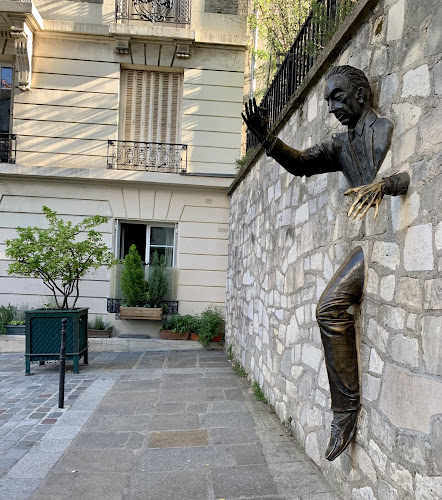
Le Passe-Muraille
Find Accommodations Nearby
Recommended Tours & Activities
Visitor Reviews
There are no reviews yet. Be the first one to write one.
Share Your Experience
Have you visited Le Moulin Blute-Fin? Help other travelers by leaving a review.