Description
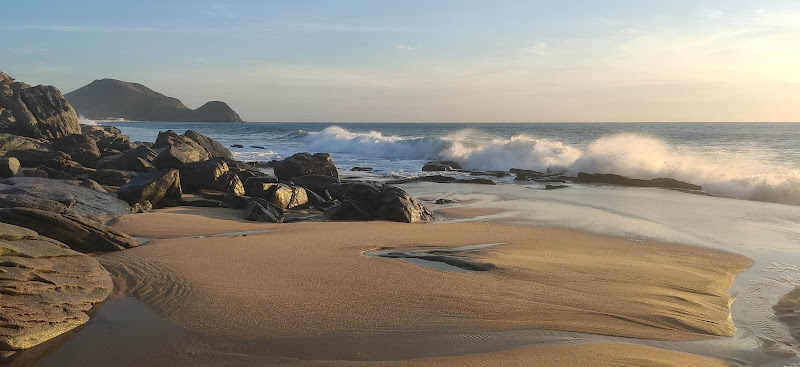
La Poza offers travelers one of those magical swimming experiences that feels like stumbling upon a secret even though it’s been there forever. This natural pool, carved by the ocean’s persistent work against coastal rock, creates a protected swimming area where you can actually relax without worrying about getting pummeled by waves. The water inside stays remarkably calm while the Pacific does its thing just beyond the rock barrier, sending up dramatic sprays that remind you you’re still connected to something wild.
I’ve always found that the best swimming holes are the ones locals use, and La Poza definitely fits that bill. You’ll see families setting up for the day, kids splashing around without their parents having minor heart attacks every thirty seconds, and people who clearly make this part of their regular routine. There’s something reassuring about that—when you see someone’s grandmother wading in, you know you’ve found a good spot.
The pool itself sits right where land meets sea in a way that feels both dramatic and accessible. The rock formations around it aren’t just functional barriers—they’re genuinely beautiful in that weathered, sculptural way that only ocean-worked stone can achieve. And the water clarity on a good day? You can see straight to the bottom, watching small fish dart around your feet while you float on your back staring up at the sky.
What makes La Poza special isn’t just the swimming though. It’s the whole atmosphere of the place. This isn’t some resort pool with regulations and lifeguards blowing whistles. It’s real, it’s natural, and yeah, that means you need to use your own judgment about conditions and safety. But that freedom is exactly what draws people here.
Key Features
- Natural rock-enclosed pool formation that provides protection from strong ocean currents and waves while maintaining a connection to the sea
- Crystal-clear water visibility on calm days, perfect for observing marine life and underwater rock formations up close
- Multiple entry points around the pool’s perimeter, allowing swimmers to choose their preferred depth and access location
- Dramatic wave spray displays when ocean swells hit the outer rocks—spectacular to watch but you stay safe inside the protected area
- Relatively shallow areas suitable for less confident swimmers and children, alongside deeper sections for proper swimming
- Surrounding flat rock surfaces that work perfectly as natural sunbathing platforms and picnic spots with ocean views
- Tidal influences that change the pool’s character throughout the day, making each visit slightly different from the last
- Minimal commercial development nearby, preserving the natural beauty and peaceful atmosphere that makes this spot special
- Accessible for various fitness levels without requiring difficult hikes or specialized equipment to enjoy
- Free admission—just show up and enjoy, which feels increasingly rare these days
Best Time to Visit
Timing really matters with La Poza, and I can’t stress this enough. The pool’s personality changes dramatically based on weather, tide, and season. Your experience could range from absolutely perfect to genuinely disappointing if you don’t plan accordingly.
The warmest and calmest conditions typically happen during summer months, roughly from June through September. During this period, you’ll find the most pleasant water temperatures and generally calmer seas, which means clearer water inside the pool and less dramatic wave action against the rocks. This is prime time for families with young kids or anyone who prefers their ocean swimming on the mellow side.
But here’s where it gets interesting—winter brings bigger swells and more dramatic conditions. From November through March, the ocean shows up with more attitude. The wave spray becomes more spectacular, the pool’s character turns a bit more adventurous, and you’ll probably encounter fewer crowds. Some people (myself included) actually prefer this time. The water’s colder, sure, but there’s something exhilarating about swimming in a natural pool while the ocean rages just beyond your safe zone.
Tide timing deserves serious consideration too. Low tide generally provides better access to the pool and more space to set up around the edges. High tide can reduce the swimming area and sometimes makes entry and exit more challenging. Check tide charts before heading out—this small bit of planning makes a huge difference.
As for time of day, mornings often bring the calmest conditions and best visibility. By afternoon, winds typically pick up, which can churn up sediment and reduce that gorgeous clarity. Plus, morning visits mean you might have the place mostly to yourself for an hour or two. There’s something special about arriving early, having your coffee on the rocks, then being first in the water before anyone else shows up.
Weekdays beat weekends if you’re looking to avoid crowds. La Poza gets notably busier on Saturdays and Sundays when locals have time off. Not that crowds here ever reach unmanageable levels—this isn’t a theme park—but a Tuesday morning in July offers a very different experience than a Sunday afternoon.
How to Get There
Getting to La Poza is straightforward enough that you shouldn’t need a detailed navigation system, though having one doesn’t hurt. The location sits along the coast in an area accessible by standard vehicles—you won’t need four-wheel drive or any special transportation equipment.
If you’re driving, you’ll want to follow the coastal road and watch for the area where locals park near the rocks. There isn’t a massive parking lot with clear signage and painted lines. Instead, you’ll find an informal parking area where people pull off and leave their vehicles. This can be slightly confusing on first visit, but once you see a few parked cars, you’ll understand the system. Follow the crowd, basically.
The walk from parking to the pool takes just a couple minutes over relatively flat terrain. You’re not embarking on a hike here—more like a short stroll across rocky ground. Wear shoes you don’t mind getting wet or can easily remove, because you might encounter water before reaching the main pool depending on tide conditions.
Public transportation options exist in the surrounding area, though routes and schedules vary. If you’re staying nearby without a rental car, asking your accommodation host about the best transport method makes sense. Taxis and ride-sharing services can work too, though you’ll want to arrange pickup times since this isn’t exactly a spot where cars just circle looking for fares.
For international travelers, the nearest airport is within reasonable driving distance—typically an hour or two depending on traffic. Many visitors make La Poza part of a larger coastal exploration rather than a standalone destination, which makes sense given the area’s other attractions.
One practical note about directions: street addresses work differently in various parts of the world, and this area isn’t always precision-mapped on every navigation app. If your GPS seems confused, look for local landmarks or simply ask. People in the area know La Poza and can point you in the right direction. Don’t be shy about asking—I’ve found that locals generally appreciate when visitors actually stop to ask rather than driving in circles looking increasingly frustrated.
Tips for Visiting
The single most important tip I can give you: respect the ocean. Yes, La Poza is protected, but it’s still connected to the sea, and conditions can change. If waves are crashing over the rocks into the pool, maybe reconsider your swimming plans. Nature doesn’t care about your vacation schedule.
Bring water shoes or reef shoes. The bottom isn’t soft sand—it’s rock, and it can be slippery with algae in spots. I learned this the hard way during my first visit, nearly doing an ungraceful belly flop while entering. Regular flip-flops don’t cut it here. You want something that stays on your feet and provides grip.
Pack more fresh water than you think you’ll need. The sun reflects off the rocks and water, intensifying its effects, and you’ll get thirsty faster than expected. There aren’t vendors selling cold drinks right there, so whatever you bring is what you’ve got. I typically bring double what I’d normally pack for a beach day.
Speaking of sun—don’t underestimate it. The reflection from water and white rocks creates a tanning situation that can quickly become a burning situation. Reef-safe sunscreen is the way to go here, both for your protection and to minimize environmental impact. Reapply more often than the bottle suggests, especially after swimming.
Bring a bag for trash and actually take everything out with you. La Poza stays beautiful because visitors respect it. There aren’t trash cans or cleaning crews. The place relies on people not being jerks, basically. Pack it in, pack it out—simple but critical.
Timing your visit around tides isn’t optional if you want the best experience. Low to mid-tide is ideal. At very high tide, the pool might not even be safely accessible. Quick check of tide charts before leaving your accommodation saves disappointment.
Snorkel gear can be fun here, but isn’t necessary. The water’s clear enough to see plenty just swimming around with your eyes open. If you’ve got a waterproof camera or phone case, definitely bring it—the underwater rock formations and fish make for great photos.
Don’t bring valuables. There’s no security, no lockers, no nothing. Leave expensive jewelry, extra cash, and irreplaceable items at your hotel. Bring only what you need for a few hours at a natural swimming spot.
Check weather forecasts before going. If storms are predicted or winds look strong, consider rescheduling. La Poza in calm conditions is delightful. In rough conditions, it’s potentially dangerous and definitely less enjoyable.
Finally, arrive with reasonable expectations. This isn’t a resort amenity—it’s a natural feature that happens to be swimmable. There are no facilities, no restaurants, no attendants. Its lack of development is precisely what makes it special, but that means you need to be self-sufficient. Bring what you need, respect the environment, use common sense about safety, and you’ll have an amazing time at one of the coast’s genuine natural treasures.
 Real Journey Travels