
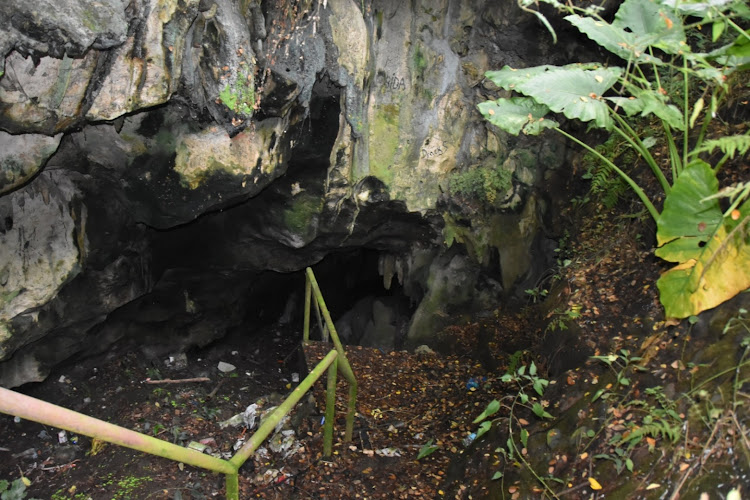
Kutawato Cave
About Kutawato Cave
Description
Kutawato Cave, tucked right under the heart of Cotabato City, is one of those places that makes you stop and think, “Wow, nature really outdid itself here.” It’s not every day you find a natural cave system sitting smack in the middle of a bustling city. The name “Kutawato” actually means “stone fort,” a nod to its solid limestone formations that have stood the test of time and history. The cave has played many roles over the centuries—from a refuge during wars to a quiet sanctuary for explorers, locals, and curious travelers alike.
Walking into Kutawato Cave feels like stepping into another world. The temperature drops, the noise of the city fades, and suddenly you’re surrounded by cool stone walls that seem to whisper stories of the past. It’s a bit eerie, sure, but in the best possible way. The air smells faintly of earth and minerals, and you can almost hear the slow drip of water echoing through the chambers. Some parts of the cave are dimly lit, while others open up into surprisingly spacious caverns that make you feel tiny in comparison.
What makes Kutawato Cave stand out isn’t just its natural beauty—it’s the way it’s woven into the city’s identity. Locals often talk about it with a mix of pride and nostalgia. Some remember school field trips here, others recall family picnics near the entrance. And while a few visitors might find the cave’s lighting or maintenance a bit rough around the edges, that rawness is part of its charm. It’s not a polished tourist trap—it’s authentic, rugged, and deeply rooted in local history.
If you’re the kind of traveler who likes places that tell stories, Kutawato Cave will definitely speak to you. It’s not just about stalactites and rock formations—it’s about the feeling of being connected to something ancient and real. I remember the first time I went down into its shadowy corridors. The guide’s flashlight flickered across the walls, revealing faint carvings and natural patterns that looked almost like art. I caught myself grinning like a kid on a treasure hunt. That’s the kind of magic this place gives you.
Key Features
- Historical Significance: Kutawato Cave has served as a natural fortress and refuge throughout Cotabato’s history, particularly during times of conflict.
- Urban Location: It’s one of the few cave systems in the Philippines located right beneath a city center, making it incredibly accessible.
- Natural Formations: Expect to see intricate limestone walls, stalactites, and stalagmites sculpted by centuries of dripping water.
- Multiple Entrances: The cave features several entry points that lead to interconnected chambers, each with its own unique layout and atmosphere.
- Cultural Value: Locals consider the cave a symbol of resilience and a reminder of the city’s deep-rooted heritage.
- Guided Tours: Local guides share fascinating stories and legends tied to the cave’s history and spiritual significance.
Best Time to Visit
The best time to visit Kutawato Cave is during the dry season, roughly from December to May. The cave can get slippery during the rainy months, and some sections may even be closed off for safety. Morning visits are ideal if you want to avoid the midday heat and have the place mostly to yourself. Plus, the light filtering through the cave entrance in the early hours gives everything a golden hue—it’s pretty spectacular if you’re into photography.
That said, there’s something oddly beautiful about visiting after a light rain too. The air feels fresher, and the sound of water dripping from the ceiling adds to the cave’s mysterious vibe. Just make sure to wear shoes with good grip; the rocks can get tricky when wet. Locals will often tell you the cave “comes alive” during this time, and honestly, they’re not wrong.
How to Get There
Getting to Kutawato Cave is surprisingly easy, which is part of its appeal. Since it’s located right within Cotabato City, you won’t need to trek through forests or climb steep trails. Most travelers take a tricycle or a local jeepney from the city center—it’s a short ride, and the drivers usually know the spot well. If you’re coming from farther away, Cotabato City is accessible by bus from Davao, General Santos, or even Cagayan de Oro. There’s also an airport nearby for those flying in.
Once you arrive, you’ll find a small staging area near the entrance where local guides usually wait. Don’t skip hiring one—they know the cave like the back of their hand, and they’ll point out details you’d probably miss on your own. Some guides even share stories about how the cave was used as a hideout during World War II or as a spiritual site long before that. It’s these little snippets of history that make the visit more meaningful.
And if you’re driving, there’s parking nearby, though it can get crowded on weekends and holidays. I learned that the hard way when I had to squeeze my car between two tricycles and a fruit vendor’s cart—but hey, that’s part of the local charm.
Tips for Visiting
Visiting Kutawato Cave isn’t complicated, but a few tips can make your experience smoother (and safer). First off, wear comfortable clothes and sturdy shoes. The cave floor can be uneven, and you’ll want good traction. Bring a flashlight or headlamp, even if you’re going with a guide—the extra light helps you appreciate the rock details better.
If you’re into photography, bring a camera that handles low light well. The cave’s natural textures and shadows make for stunning shots, but flash can wash out the details. A tripod helps too, though space can be limited in some sections. Also, be mindful of your noise level. The cave’s acoustics are incredible, and even a whisper can echo for what feels like forever. It’s kind of eerie but also amazing.
Another thing: respect the site. Kutawato Cave isn’t just a tourist attraction—it’s a cultural landmark. Avoid touching delicate rock formations, and definitely don’t leave any trash behind. Locals take pride in this place, and it deserves that respect.
If you’re claustrophobic, you might want to stick to the larger chambers. Some tunnels can get narrow, and while they’re safe, they can feel tight. I remember squeezing through one section and thinking, “Okay, maybe I should’ve skipped that extra serving of rice.” But once you get through, the sense of accomplishment—and the view—makes it worth it.
Lastly, take your time. Don’t rush the experience. Kutawato Cave isn’t just about sightseeing; it’s about feeling that blend of nature, history, and mystery all at once. It’s one of those rare places where you can literally walk through layers of time. Whether you’re an adventure seeker, a history buff, or just someone looking for a quiet escape from city noise, this cave offers something that sticks with you long after you’ve left.
So if you ever find yourself in Cotabato City, carve out a couple of hours for Kutawato Cave. It’s not fancy or overly commercialized, but that’s exactly why it’s worth visiting. It’s real, raw, and quietly powerful—the kind of place that reminds you why travel is more than just ticking boxes on a map.
Key Features
- Key Features
- Best Time to Visit
- How to Get There
- Tips for Visiting
More Details
Updated December 1, 2025
Table of Contents
Description
Kutawato Cave, tucked right under the heart of Cotabato City, is one of those places that makes you stop and think, “Wow, nature really outdid itself here.” It’s not every day you find a natural cave system sitting smack in the middle of a bustling city. The name “Kutawato” actually means “stone fort,” a nod to its solid limestone formations that have stood the test of time and history. The cave has played many roles over the centuries—from a refuge during wars to a quiet sanctuary for explorers, locals, and curious travelers alike.
Walking into Kutawato Cave feels like stepping into another world. The temperature drops, the noise of the city fades, and suddenly you’re surrounded by cool stone walls that seem to whisper stories of the past. It’s a bit eerie, sure, but in the best possible way. The air smells faintly of earth and minerals, and you can almost hear the slow drip of water echoing through the chambers. Some parts of the cave are dimly lit, while others open up into surprisingly spacious caverns that make you feel tiny in comparison.
What makes Kutawato Cave stand out isn’t just its natural beauty—it’s the way it’s woven into the city’s identity. Locals often talk about it with a mix of pride and nostalgia. Some remember school field trips here, others recall family picnics near the entrance. And while a few visitors might find the cave’s lighting or maintenance a bit rough around the edges, that rawness is part of its charm. It’s not a polished tourist trap—it’s authentic, rugged, and deeply rooted in local history.
If you’re the kind of traveler who likes places that tell stories, Kutawato Cave will definitely speak to you. It’s not just about stalactites and rock formations—it’s about the feeling of being connected to something ancient and real. I remember the first time I went down into its shadowy corridors. The guide’s flashlight flickered across the walls, revealing faint carvings and natural patterns that looked almost like art. I caught myself grinning like a kid on a treasure hunt. That’s the kind of magic this place gives you.
Key Features
- Historical Significance: Kutawato Cave has served as a natural fortress and refuge throughout Cotabato’s history, particularly during times of conflict.
- Urban Location: It’s one of the few cave systems in the Philippines located right beneath a city center, making it incredibly accessible.
- Natural Formations: Expect to see intricate limestone walls, stalactites, and stalagmites sculpted by centuries of dripping water.
- Multiple Entrances: The cave features several entry points that lead to interconnected chambers, each with its own unique layout and atmosphere.
- Cultural Value: Locals consider the cave a symbol of resilience and a reminder of the city’s deep-rooted heritage.
- Guided Tours: Local guides share fascinating stories and legends tied to the cave’s history and spiritual significance.
Best Time to Visit
The best time to visit Kutawato Cave is during the dry season, roughly from December to May. The cave can get slippery during the rainy months, and some sections may even be closed off for safety. Morning visits are ideal if you want to avoid the midday heat and have the place mostly to yourself. Plus, the light filtering through the cave entrance in the early hours gives everything a golden hue—it’s pretty spectacular if you’re into photography.
That said, there’s something oddly beautiful about visiting after a light rain too. The air feels fresher, and the sound of water dripping from the ceiling adds to the cave’s mysterious vibe. Just make sure to wear shoes with good grip; the rocks can get tricky when wet. Locals will often tell you the cave “comes alive” during this time, and honestly, they’re not wrong.
How to Get There
Getting to Kutawato Cave is surprisingly easy, which is part of its appeal. Since it’s located right within Cotabato City, you won’t need to trek through forests or climb steep trails. Most travelers take a tricycle or a local jeepney from the city center—it’s a short ride, and the drivers usually know the spot well. If you’re coming from farther away, Cotabato City is accessible by bus from Davao, General Santos, or even Cagayan de Oro. There’s also an airport nearby for those flying in.
Once you arrive, you’ll find a small staging area near the entrance where local guides usually wait. Don’t skip hiring one—they know the cave like the back of their hand, and they’ll point out details you’d probably miss on your own. Some guides even share stories about how the cave was used as a hideout during World War II or as a spiritual site long before that. It’s these little snippets of history that make the visit more meaningful.
And if you’re driving, there’s parking nearby, though it can get crowded on weekends and holidays. I learned that the hard way when I had to squeeze my car between two tricycles and a fruit vendor’s cart—but hey, that’s part of the local charm.
Tips for Visiting
Visiting Kutawato Cave isn’t complicated, but a few tips can make your experience smoother (and safer). First off, wear comfortable clothes and sturdy shoes. The cave floor can be uneven, and you’ll want good traction. Bring a flashlight or headlamp, even if you’re going with a guide—the extra light helps you appreciate the rock details better.
If you’re into photography, bring a camera that handles low light well. The cave’s natural textures and shadows make for stunning shots, but flash can wash out the details. A tripod helps too, though space can be limited in some sections. Also, be mindful of your noise level. The cave’s acoustics are incredible, and even a whisper can echo for what feels like forever. It’s kind of eerie but also amazing.
Another thing: respect the site. Kutawato Cave isn’t just a tourist attraction—it’s a cultural landmark. Avoid touching delicate rock formations, and definitely don’t leave any trash behind. Locals take pride in this place, and it deserves that respect.
If you’re claustrophobic, you might want to stick to the larger chambers. Some tunnels can get narrow, and while they’re safe, they can feel tight. I remember squeezing through one section and thinking, “Okay, maybe I should’ve skipped that extra serving of rice.” But once you get through, the sense of accomplishment—and the view—makes it worth it.
Lastly, take your time. Don’t rush the experience. Kutawato Cave isn’t just about sightseeing; it’s about feeling that blend of nature, history, and mystery all at once. It’s one of those rare places where you can literally walk through layers of time. Whether you’re an adventure seeker, a history buff, or just someone looking for a quiet escape from city noise, this cave offers something that sticks with you long after you’ve left.
So if you ever find yourself in Cotabato City, carve out a couple of hours for Kutawato Cave. It’s not fancy or overly commercialized, but that’s exactly why it’s worth visiting. It’s real, raw, and quietly powerful—the kind of place that reminds you why travel is more than just ticking boxes on a map.
Key Highlights
- Key Features
- Best Time to Visit
- How to Get There
- Tips for Visiting
Location
Places to Stay Near Kutawato Cave
Find and Book a Tour
Explore More Travel Guides
No reviews found! Be the first to review!
Traveler Reviews for Kutawato Cave
There are no reviews yet. Be the first one to write one.
Have you visited Kutawato Cave? Help other travelers by sharing your review.
You Might Also Like

Antonio Mendez
Cotabato City

Himlayan ni Dayang Mapait
Find Accommodations Nearby
Recommended Tours & Activities
Visitor Reviews
There are no reviews yet. Be the first one to write one.
Share Your Experience
Have you visited Kutawato Cave? Help other travelers by leaving a review.