
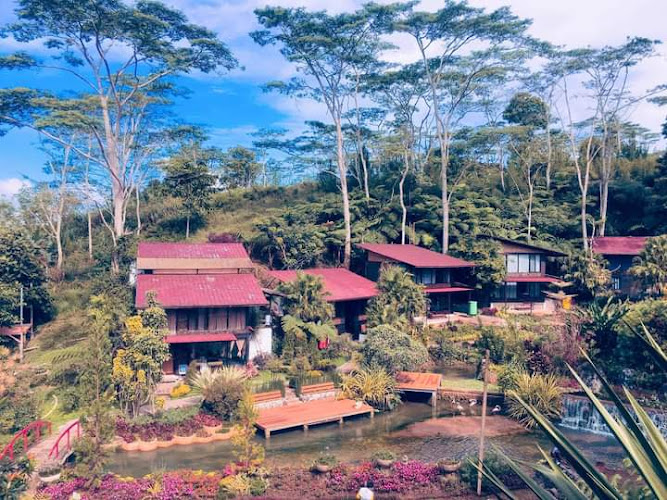
Cotabato City
About Cotabato City
Description
Cotabato City is one of those places that quietly surprises you the longer you stay. Sitting along the banks of the Rio Grande de Mindanao in Maguindanao del Norte, this independent city is a patchwork of stories, cultures, and flavors that don’t always make it into glossy travel brochures. It’s got grit, grace, and a kind of everyday rhythm that feels refreshingly real. You won’t find the usual touristy chaos here, but what you’ll get instead is an honest glimpse into southern Philippine life—colorful markets, centuries-old mosques, and people who’ll chat with you like an old friend before you even finish your coffee.
The city’s population of over 380,000 tells you something—it’s bustling, but not overwhelming. It’s a place where tricycles hum through narrow streets, and the scent of grilled fish and freshly baked pastil fills the air. There’s a mix of Muslim and Christian influences, and that blend shows up in everything from architecture to food. Some folks might say Cotabato City feels a bit rough around the edges, but that’s part of its charm. It’s authentic. It’s proud. And it’s got a heartbeat that’s distinctly Mindanaoan.
I remember walking through the old city center one humid afternoon, camera in hand, when a local vendor waved me over to try something called tinagtag—a crispy, golden rice snack that looked like a coiled ribbon. I didn’t even know what it was, but I tried it, and it was delicious. That’s Cotabato for you—unexpected, generous, and always ready to share a piece of itself.
Key Features
- Rich Cultural Heritage: Cotabato City is home to the Grand Mosque, also known as the Sultan Haji Hassanal Bolkiah Mosque—one of the largest in the Philippines. It’s a breathtaking sight, especially at sunset when the golden domes catch the last light of day.
- Local Cuisine: Try local favorites like piaparan, sinina kambing, and pastil. The food here is a reflection of its people—spicy, flavorful, and full of character.
- Festivals and Traditions: The Shariff Kabunsuan Festival celebrates the city’s Islamic roots with parades, river processions, and cultural performances that fill the streets with energy and color.
- Historical Landmarks: Visit the old Kutawato Caves, which are said to have sheltered early settlers. They’re right in the heart of the city, a reminder that Cotabato’s history runs deep—literally.
- Warm Locals: People here are genuinely friendly. They’ll help you find your way, share stories, and maybe even invite you for a meal if you’re lucky.
- Natural Beauty: The Rio Grande de Mindanao, the Philippines’ second-longest river, flows through the city. You can take a river cruise or just sit by the banks and watch daily life unfold.
Best Time to Visit
If you ask me, the best time to visit Cotabato City is between December and March. The weather’s a bit cooler, the air less sticky, and the skies clearer for exploring. Plus, this period often aligns with local festivals, so you’ll get to experience the city at its most lively.
Avoid the heavy rains from June to September if you can—roads can get muddy, and some outdoor activities may be limited. But if you don’t mind the occasional downpour, you’ll find that the city takes on a slower, more relaxed pace during the rainy season. I once visited in July, and while I got drenched more than once, I also got to see the Rio Grande at its fullest—wide, calm, and absolutely stunning.
How to Get There
Getting to Cotabato City is easier than most people think. The Awang Airport in nearby Datu Odin Sinsuat handles daily flights from Manila and other major cities in Mindanao. From the airport, it’s just a short ride—about 20 minutes—to the city center.
If you’re coming from Davao or General Santos, you can take a bus or van that travels along the Mindanao highway. The trip takes around six to eight hours depending on traffic and weather, but the scenery along the way—rolling hills, rice fields, and glimpses of rural life—makes it worth the ride.
Once you’re in the city, getting around is easy. Tricycles and motorcycles are the main modes of transport. You can also rent a private car if you prefer more comfort, but honestly, hopping on a tricycle gives you the best feel of local life. Just make sure to agree on the fare before you start the ride—it’s part of the fun of traveling here.
Tips for Visiting
Here’s the thing about Cotabato City: it rewards those who travel with an open mind and a sense of curiosity. It’s not your typical tourist destination, and that’s exactly why it’s worth your time.
- Respect Local Customs: Cotabato City has a strong Muslim community, so dress modestly, especially when visiting mosques or public spaces. A light scarf or shawl can go a long way in showing respect.
- Try the Street Food: Don’t skip the small stalls near the city plaza. You’ll find everything from grilled skewers to sweet rice cakes. And if someone offers you tinagtag, say yes—it’s crunchy, sweet, and addictive.
- Stay Connected: Wi-Fi can be spotty in some areas, so grab a local SIM card for better connectivity. It’s cheap and practical, especially if you’re planning to explore beyond the city.
- Bring Cash: While there are ATMs, not all establishments accept cards. It’s best to carry some cash for markets, tricycle rides, and small eateries.
- Safety First: Like any destination, stay aware of your surroundings. Cotabato City has improved a lot over the years, but it’s still smart to travel with a local guide if it’s your first time.
- Learn a Few Words: A simple “Salam” (peace) or “Salamat” (thank you) goes a long way. Locals appreciate the effort, and it often leads to warmer interactions.
One last thing—don’t rush it. Cotabato City isn’t the kind of place you “do” in a day. It’s a city that reveals itself slowly, through small moments: a smile from a sari-sari store owner, the call to prayer echoing at dusk, the taste of freshly cooked piaparan shared by a family you just met.
And maybe that’s what makes Cotabato City special. It’s not trying to impress you—it just is. If you let yourself slow down and listen, you’ll find that this city has a lot to say. And when you leave, you’ll carry a piece of it with you, tucked somewhere between your memories and your heart.
Key Features
- Key Features
- Best Time to Visit
- How to Get There
- Tips for Visiting
More Details
Updated December 1, 2025
Table of Contents
Description
Cotabato City is one of those places that quietly surprises you the longer you stay. Sitting along the banks of the Rio Grande de Mindanao in Maguindanao del Norte, this independent city is a patchwork of stories, cultures, and flavors that don’t always make it into glossy travel brochures. It’s got grit, grace, and a kind of everyday rhythm that feels refreshingly real. You won’t find the usual touristy chaos here, but what you’ll get instead is an honest glimpse into southern Philippine life—colorful markets, centuries-old mosques, and people who’ll chat with you like an old friend before you even finish your coffee.
The city’s population of over 380,000 tells you something—it’s bustling, but not overwhelming. It’s a place where tricycles hum through narrow streets, and the scent of grilled fish and freshly baked pastil fills the air. There’s a mix of Muslim and Christian influences, and that blend shows up in everything from architecture to food. Some folks might say Cotabato City feels a bit rough around the edges, but that’s part of its charm. It’s authentic. It’s proud. And it’s got a heartbeat that’s distinctly Mindanaoan.
I remember walking through the old city center one humid afternoon, camera in hand, when a local vendor waved me over to try something called tinagtag—a crispy, golden rice snack that looked like a coiled ribbon. I didn’t even know what it was, but I tried it, and it was delicious. That’s Cotabato for you—unexpected, generous, and always ready to share a piece of itself.
Key Features
- Rich Cultural Heritage: Cotabato City is home to the Grand Mosque, also known as the Sultan Haji Hassanal Bolkiah Mosque—one of the largest in the Philippines. It’s a breathtaking sight, especially at sunset when the golden domes catch the last light of day.
- Local Cuisine: Try local favorites like piaparan, sinina kambing, and pastil. The food here is a reflection of its people—spicy, flavorful, and full of character.
- Festivals and Traditions: The Shariff Kabunsuan Festival celebrates the city’s Islamic roots with parades, river processions, and cultural performances that fill the streets with energy and color.
- Historical Landmarks: Visit the old Kutawato Caves, which are said to have sheltered early settlers. They’re right in the heart of the city, a reminder that Cotabato’s history runs deep—literally.
- Warm Locals: People here are genuinely friendly. They’ll help you find your way, share stories, and maybe even invite you for a meal if you’re lucky.
- Natural Beauty: The Rio Grande de Mindanao, the Philippines’ second-longest river, flows through the city. You can take a river cruise or just sit by the banks and watch daily life unfold.
Best Time to Visit
If you ask me, the best time to visit Cotabato City is between December and March. The weather’s a bit cooler, the air less sticky, and the skies clearer for exploring. Plus, this period often aligns with local festivals, so you’ll get to experience the city at its most lively.
Avoid the heavy rains from June to September if you can—roads can get muddy, and some outdoor activities may be limited. But if you don’t mind the occasional downpour, you’ll find that the city takes on a slower, more relaxed pace during the rainy season. I once visited in July, and while I got drenched more than once, I also got to see the Rio Grande at its fullest—wide, calm, and absolutely stunning.
How to Get There
Getting to Cotabato City is easier than most people think. The Awang Airport in nearby Datu Odin Sinsuat handles daily flights from Manila and other major cities in Mindanao. From the airport, it’s just a short ride—about 20 minutes—to the city center.
If you’re coming from Davao or General Santos, you can take a bus or van that travels along the Mindanao highway. The trip takes around six to eight hours depending on traffic and weather, but the scenery along the way—rolling hills, rice fields, and glimpses of rural life—makes it worth the ride.
Once you’re in the city, getting around is easy. Tricycles and motorcycles are the main modes of transport. You can also rent a private car if you prefer more comfort, but honestly, hopping on a tricycle gives you the best feel of local life. Just make sure to agree on the fare before you start the ride—it’s part of the fun of traveling here.
Tips for Visiting
Here’s the thing about Cotabato City: it rewards those who travel with an open mind and a sense of curiosity. It’s not your typical tourist destination, and that’s exactly why it’s worth your time.
- Respect Local Customs: Cotabato City has a strong Muslim community, so dress modestly, especially when visiting mosques or public spaces. A light scarf or shawl can go a long way in showing respect.
- Try the Street Food: Don’t skip the small stalls near the city plaza. You’ll find everything from grilled skewers to sweet rice cakes. And if someone offers you tinagtag, say yes—it’s crunchy, sweet, and addictive.
- Stay Connected: Wi-Fi can be spotty in some areas, so grab a local SIM card for better connectivity. It’s cheap and practical, especially if you’re planning to explore beyond the city.
- Bring Cash: While there are ATMs, not all establishments accept cards. It’s best to carry some cash for markets, tricycle rides, and small eateries.
- Safety First: Like any destination, stay aware of your surroundings. Cotabato City has improved a lot over the years, but it’s still smart to travel with a local guide if it’s your first time.
- Learn a Few Words: A simple “Salam” (peace) or “Salamat” (thank you) goes a long way. Locals appreciate the effort, and it often leads to warmer interactions.
One last thing—don’t rush it. Cotabato City isn’t the kind of place you “do” in a day. It’s a city that reveals itself slowly, through small moments: a smile from a sari-sari store owner, the call to prayer echoing at dusk, the taste of freshly cooked piaparan shared by a family you just met.
And maybe that’s what makes Cotabato City special. It’s not trying to impress you—it just is. If you let yourself slow down and listen, you’ll find that this city has a lot to say. And when you leave, you’ll carry a piece of it with you, tucked somewhere between your memories and your heart.
Key Highlights
- Key Features
- Best Time to Visit
- How to Get There
- Tips for Visiting
Location
Places to Stay Near Cotabato City
Find and Book a Tour
Explore More Travel Guides
No reviews found! Be the first to review!
Traveler Reviews for Cotabato City
There are no reviews yet. Be the first one to write one.
Have you visited Cotabato City? Help other travelers by sharing your review.
You Might Also Like

I Love Cotabato City Marker
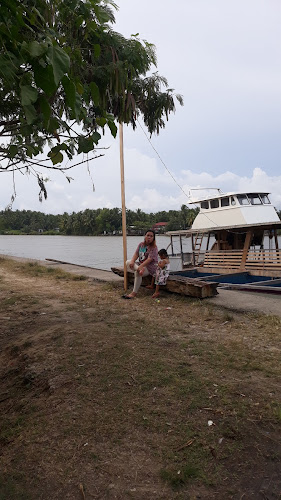
Seaside

Bormaheco cotabato city
Find Accommodations Nearby
Recommended Tours & Activities
Visitor Reviews
There are no reviews yet. Be the first one to write one.
Share Your Experience
Have you visited Cotabato City? Help other travelers by leaving a review.