
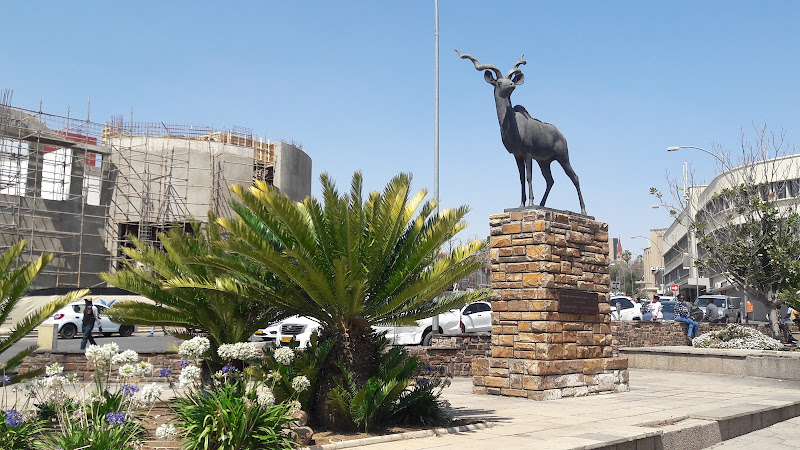
Kudu Statue
About Kudu Statue
Description
The Kudu Statue stands proudly in the heart of Windhoek, Namibia, and it’s one of those landmarks that just seems to command attention without trying too hard. It’s a life-size sculpture of a kudu — that elegant African antelope with spiraling horns — cast in metal and gleaming under the Namibian sun. The statue isn’t massive or flashy, but it carries a quiet dignity that somehow captures the essence of Namibia itself: resilient, graceful, and deeply connected to the land. Travelers often stop here for a quick photo, but those who linger a bit longer tend to notice the finer details — the texture of the metal, the way the kudu’s stance conveys both strength and alertness, and how it almost feels alive if you catch it from the right angle.
There’s a certain charm to this plaza where the statue stands. It’s not grand or overly polished, but it has character. Locals sometimes rest on the benches nearby, chatting or watching the city move around them. Street vendors occasionally set up close by, selling crafts or snacks, giving the area a casual, authentic vibe. It’s the kind of place where you can pause for a few minutes, breathe, and feel like you’ve caught a glimpse of the city’s soul. The Kudu Statue isn’t just an object of beauty — it’s a piece of Namibia’s story, a tribute to the wildlife that defines so much of the country’s identity.
Now, not everyone is blown away by it — some visitors expect something grander or more interactive — but most agree that it’s worth a stop, especially if you’re exploring downtown Windhoek. It’s one of those simple, meaningful landmarks that grows on you the more you think about it. And honestly, it’s hard not to be impressed by the craftsmanship and symbolism once you know what it represents: courage, endurance, and the spirit of the Namibian wilderness.
Key Features
- A life-size cast metal kudu sculpture symbolizing strength, grace, and heritage
- Located in a small public plaza surrounded by city life and local culture
- Accessible to all visitors, including those using wheelchairs
- Kid-friendly environment with open space for families to enjoy
- Great spot for photography, especially during golden hour
- Represents an important piece of Namibian history and national pride
Best Time to Visit
If you ask me, the best time to visit the Kudu Statue is in the early morning or late afternoon. That’s when the sunlight hits the metal just right — it glows with this warm bronze hue that feels almost magical. The plaza is quieter then too, so you can take your time, snap a few photos, and actually enjoy the moment without dodging too many cars or pedestrians. Midday can get a bit hot, especially in the Namibian summer, and the glare can make photography tricky.
For those visiting during the dry season (roughly May to October), the weather is usually mild and pleasant — perfect for walking around the city. The rainy season, on the other hand, can bring quick showers, but honestly, even that has its charm. There’s something about the statue glistening under a fresh drizzle that gives it a whole new personality. So really, any time works — it just depends on the kind of experience you’re after.
How to Get There
Reaching the Kudu Statue is pretty straightforward. It’s right in central Windhoek, so if you’re staying anywhere near the city center, you can easily walk there. The area is well-connected by taxis and ride-hailing services too, which makes it convenient even if you’re not familiar with the city layout. If you’re driving, parking is available nearby, and the location is easy to spot — the statue stands proudly at a busy intersection, so you can’t really miss it.
For those who love exploring on foot, I’d actually recommend strolling through the surrounding streets. You’ll find some interesting old buildings, local cafés, and street art that add context to the experience. It’s a great way to get a feel for Windhoek’s rhythm before or after your visit to the statue. And if you’re into photography, walking gives you more angles and perspectives to play with — trust me, the kudu looks different from every side.
Tips for Visiting
Here’s the thing about the Kudu Statue — it’s not an all-day attraction, but it’s definitely worth a thoughtful stop. Give yourself at least 20–30 minutes to really take it in, especially if you’re the kind of traveler who appreciates art and symbolism. If you’re traveling with kids, they’ll probably enjoy running around the small plaza while you take photos. And since it’s in a public area, it’s free to visit — no tickets, no queues, no fuss.
A few quick tips from experience: bring water, especially if you’re walking around during the warmer months. The Namibian sun can be intense, and shade is limited. If you’re into photography, go during the golden hour — early morning or late afternoon light makes the metal shine beautifully. And don’t forget to look around; the statue might be the main attraction, but the surrounding cityscape tells its own story.
Safety-wise, the area is generally fine during the day, but like anywhere in a city, keep an eye on your belongings. Locals are friendly and used to tourists snapping photos, so you’ll likely get a few smiles or even a friendly chat if you linger. And if you’re lucky, you might catch a local guide or resident willing to share a bit of history or personal insight about the statue — those little conversations often end up being the most memorable part of the visit.
On a personal note, I remember my first time seeing the Kudu Statue — I’d been wandering around Windhoek on a lazy afternoon, camera in hand, not expecting much. Then I turned a corner and there it was, standing tall and proud against the city backdrop. Something about its stillness contrasted beautifully with the movement of traffic and people around it. It felt like a quiet reminder of Namibia’s wild heart beating right there in the middle of the city. That moment stuck with me, and I think it’s what makes this statue special: it connects the urban with the untamed, the modern with the timeless.
So if you find yourself in Windhoek, don’t rush past it. Stop, take a breath, and let the kudu’s calm strength sink in for a moment. It’s one of those small yet powerful experiences that remind you why travel is so rewarding — it’s not always about the biggest or most famous sites, but the ones that surprise you in the simplest, most human ways.
Key Features
- A life-size cast metal kudu sculpture symbolizing strength, grace, and heritage
- Located in a small public plaza surrounded by city life and local culture
- Accessible to all visitors, including those using wheelchairs
- Kid-friendly environment with open space for families to enjoy
- Great spot for photography, especially during golden hour
- Represents an important piece of Namibian history and national pride
More Details
Updated October 8, 2025
Table of Contents
Description
The Kudu Statue stands proudly in the heart of Windhoek, Namibia, and it’s one of those landmarks that just seems to command attention without trying too hard. It’s a life-size sculpture of a kudu — that elegant African antelope with spiraling horns — cast in metal and gleaming under the Namibian sun. The statue isn’t massive or flashy, but it carries a quiet dignity that somehow captures the essence of Namibia itself: resilient, graceful, and deeply connected to the land. Travelers often stop here for a quick photo, but those who linger a bit longer tend to notice the finer details — the texture of the metal, the way the kudu’s stance conveys both strength and alertness, and how it almost feels alive if you catch it from the right angle.
There’s a certain charm to this plaza where the statue stands. It’s not grand or overly polished, but it has character. Locals sometimes rest on the benches nearby, chatting or watching the city move around them. Street vendors occasionally set up close by, selling crafts or snacks, giving the area a casual, authentic vibe. It’s the kind of place where you can pause for a few minutes, breathe, and feel like you’ve caught a glimpse of the city’s soul. The Kudu Statue isn’t just an object of beauty — it’s a piece of Namibia’s story, a tribute to the wildlife that defines so much of the country’s identity.
Now, not everyone is blown away by it — some visitors expect something grander or more interactive — but most agree that it’s worth a stop, especially if you’re exploring downtown Windhoek. It’s one of those simple, meaningful landmarks that grows on you the more you think about it. And honestly, it’s hard not to be impressed by the craftsmanship and symbolism once you know what it represents: courage, endurance, and the spirit of the Namibian wilderness.
Key Features
- A life-size cast metal kudu sculpture symbolizing strength, grace, and heritage
- Located in a small public plaza surrounded by city life and local culture
- Accessible to all visitors, including those using wheelchairs
- Kid-friendly environment with open space for families to enjoy
- Great spot for photography, especially during golden hour
- Represents an important piece of Namibian history and national pride
Best Time to Visit
If you ask me, the best time to visit the Kudu Statue is in the early morning or late afternoon. That’s when the sunlight hits the metal just right — it glows with this warm bronze hue that feels almost magical. The plaza is quieter then too, so you can take your time, snap a few photos, and actually enjoy the moment without dodging too many cars or pedestrians. Midday can get a bit hot, especially in the Namibian summer, and the glare can make photography tricky.
For those visiting during the dry season (roughly May to October), the weather is usually mild and pleasant — perfect for walking around the city. The rainy season, on the other hand, can bring quick showers, but honestly, even that has its charm. There’s something about the statue glistening under a fresh drizzle that gives it a whole new personality. So really, any time works — it just depends on the kind of experience you’re after.
How to Get There
Reaching the Kudu Statue is pretty straightforward. It’s right in central Windhoek, so if you’re staying anywhere near the city center, you can easily walk there. The area is well-connected by taxis and ride-hailing services too, which makes it convenient even if you’re not familiar with the city layout. If you’re driving, parking is available nearby, and the location is easy to spot — the statue stands proudly at a busy intersection, so you can’t really miss it.
For those who love exploring on foot, I’d actually recommend strolling through the surrounding streets. You’ll find some interesting old buildings, local cafés, and street art that add context to the experience. It’s a great way to get a feel for Windhoek’s rhythm before or after your visit to the statue. And if you’re into photography, walking gives you more angles and perspectives to play with — trust me, the kudu looks different from every side.
Tips for Visiting
Here’s the thing about the Kudu Statue — it’s not an all-day attraction, but it’s definitely worth a thoughtful stop. Give yourself at least 20–30 minutes to really take it in, especially if you’re the kind of traveler who appreciates art and symbolism. If you’re traveling with kids, they’ll probably enjoy running around the small plaza while you take photos. And since it’s in a public area, it’s free to visit — no tickets, no queues, no fuss.
A few quick tips from experience: bring water, especially if you’re walking around during the warmer months. The Namibian sun can be intense, and shade is limited. If you’re into photography, go during the golden hour — early morning or late afternoon light makes the metal shine beautifully. And don’t forget to look around; the statue might be the main attraction, but the surrounding cityscape tells its own story.
Safety-wise, the area is generally fine during the day, but like anywhere in a city, keep an eye on your belongings. Locals are friendly and used to tourists snapping photos, so you’ll likely get a few smiles or even a friendly chat if you linger. And if you’re lucky, you might catch a local guide or resident willing to share a bit of history or personal insight about the statue — those little conversations often end up being the most memorable part of the visit.
On a personal note, I remember my first time seeing the Kudu Statue — I’d been wandering around Windhoek on a lazy afternoon, camera in hand, not expecting much. Then I turned a corner and there it was, standing tall and proud against the city backdrop. Something about its stillness contrasted beautifully with the movement of traffic and people around it. It felt like a quiet reminder of Namibia’s wild heart beating right there in the middle of the city. That moment stuck with me, and I think it’s what makes this statue special: it connects the urban with the untamed, the modern with the timeless.
So if you find yourself in Windhoek, don’t rush past it. Stop, take a breath, and let the kudu’s calm strength sink in for a moment. It’s one of those small yet powerful experiences that remind you why travel is so rewarding — it’s not always about the biggest or most famous sites, but the ones that surprise you in the simplest, most human ways.
Key Highlights
- A life-size cast metal kudu sculpture symbolizing strength, grace, and heritage
- Located in a small public plaza surrounded by city life and local culture
- Accessible to all visitors, including those using wheelchairs
- Kid-friendly environment with open space for families to enjoy
- Great spot for photography, especially during golden hour
- Represents an important piece of Namibian history and national pride
Location
Places to Stay Near Kudu Statue
Find and Book a Tour
Explore More Travel Guides
No reviews found! Be the first to review!
Traveler Reviews for Kudu Statue
There are no reviews yet. Be the first one to write one.
Have you visited Kudu Statue? Help other travelers by sharing your review.
You Might Also Like

Botanical Garden Walking Path

Bluecrane Safaris Namibia
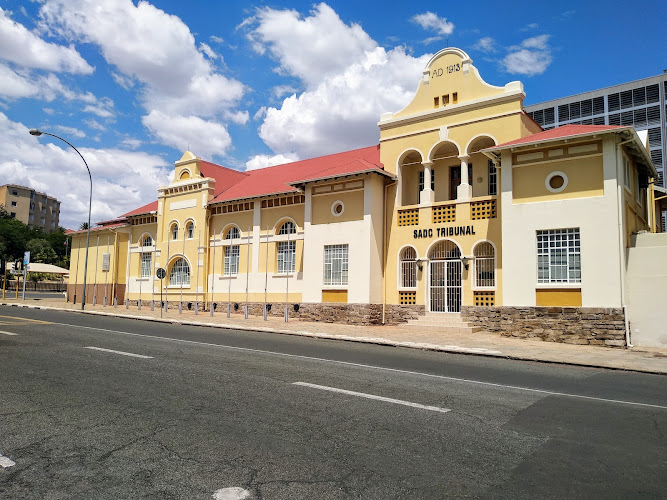
Turnhalle
Find Accommodations Nearby
Recommended Tours & Activities
Visitor Reviews
There are no reviews yet. Be the first one to write one.
Share Your Experience
Have you visited Kudu Statue? Help other travelers by leaving a review.