
Komiya Park
About Komiya Park
Description
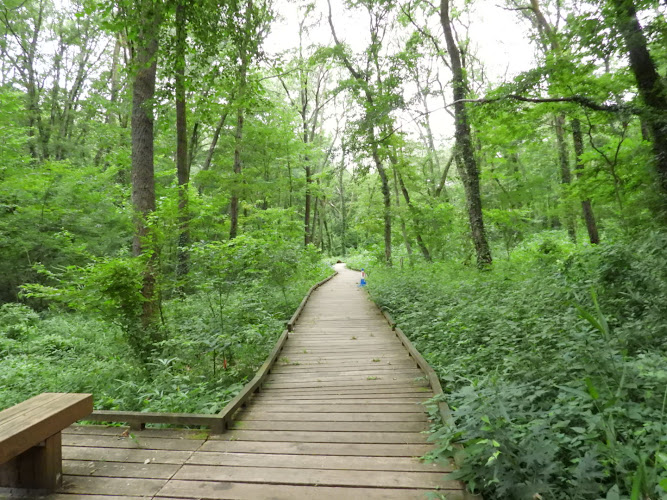
Step into Komiya Park and you’re in for a little taste of Tokyo’s quieter, greener side—it’s actually one of those places I return to when I need to dodge the city buzz and trade it for birdsong and temple bells. Imagine winding woodland trails dappled with sunlight, a tranquil pond flickered with dragonflies, all laced together by the worn paths that locals and travelers alike seem to adore. Seriously, this park has more personality than most of my first dates. Komiya Park isn’t a giant, showy slice of natural drama, but that, weirdly, is what makes it stand out. I remember the first time I wandered through: there was this gentle hush, broken up only by kids giggling on the playground slides, a few joggers huffing cheerfully, and, off in the distance, those faint chimes from a nearby Shinto shrine. (If you ever end up there on a misty morning, you know what I mean—the whole place gets this almost magical hush.) This place is a kind of secret handshake with Mother Nature in the middle of Hachioji. The park’s winding paths hug an honest-to-goodness pond that mirrors the sky. On lucky days, you might spot a blue heron stalking the shore or catch a glimpse of wild turtles sunbathing. And would you believe, tucked right in among all those trees and wildflowers, there’s a blend of Shinto shrines and a Buddhist temple—probably the only spot you’ll find spiritual serenity just a hop and skip from a noisy playground. Komiya Park has an easy-going, friendly vibe. I’ve chatted with plenty of dog walkers, nature buffs, and giggling schoolkids on hikes. Surprisingly, it’s refreshingly inclusive—think wheelchair accessible paths and restrooms, playgrounds for all ages, picnic corners that beg for a lazy afternoon, and even dog-friendly spaces so nobody’s left behind. Sure, there are tiny imperfections (like the occasional muddy trail after rain, or the odd, overzealous crow who fancies your snack), but honestly, that’s all just part of the adventure. My two cents: If you’re curious about a woodland park that winks at history while feeling alive with today’s visitors, Komiya Park delivers—peaceful, wholesome, sometimes muddy, always welcoming.Key Features
- Woodland hiking trails—some wide, some winding, but all filled with the aroma of fresh earth and green leaves.
- A peaceful pond, home to ducks, turtles, and the rare heron (with dragonflies like tiny, buzzing helicopters on summer afternoons).
- Historic Shinto shrines and a tranquil Buddhist temple, lending a blend of history and spirituality to your wanderings.
- Playground equipment for the younger crowd (the slides get quite a bit of love, in my experience).
- Wheelchair-friendly entrances and restrooms, plus designated parking—everyone’s welcome, really.
- Picnic tables scattered in cozy shady spots—perfect for that homemade bento or, let’s be honest, an impromptu convenience store feast.
- Open, grassy lawns and benches tucked under cherry blossoms in spring, ideal for a lazy nap or a good book.
- On-site parking—so you’re not trekking across half of Tokyo just to get there.
- Good spot for hiking practice with the kids. Even teenagers seem to enjoy getting “lost” here (with just enough phone reception to Snap it, of course).
- Leashed dogs allowed, so your four-legged buddy can stretch their legs right alongside you.
Best Time to Visit
Let’s be straight: Komiya Park is an all-seasons affair, but there are definitely standout times to make the most of it. If you’re a cherry blossom chaser (and who isn’t, honestly?), late March to early April is when the park flirts outrageously with color. Folks spread their tartan mats under the trees, snapping photos or just dozing off under soft pink petals. Pure magic, no exaggeration. Summer leans into green—humid sometimes, but the woods do a good job of filtering the heat. There’s this secret loveliness about early mornings; the air smells sharp and alive, with dragonflies and frogs doing their thing. I’m partial to autumn, when even the most camera-shy trees flaunt their golds and reds. Fewer picnickers, cooler air, and frankly, the shrines look twice as dignified surrounded by fiery maple leaves. Even winter’s not too shabby, especially when the air gets that clear, brisk quality unique to Tokyo’s outer neighborhoods. Sure, maybe not as lush—but the park’s quiet in January feels almost meditative. (I've definitely stomped through here on a sunny, frosty weekend, coffee in hand, just to let my thoughts wander.) Weekdays are quieter—school’s in, most dog walkers are at work—so you'll practically have the woods to yourself. Weekends pulse with life: families, joggers, bird watchers. It’s a vibe all its own, so pick your mood and go for it.How to Get There
Getting to Komiya Park is honestly half the adventure, and, believe me, you’ve got choices. If you’re riding the train (which, let’s face it, is the quintessential Tokyo move), get yourself to the nearby Komiya Station. From there, you can roll straight into the action with a short walk—less than fifteen minutes, even if you’re distracted by the local bakeries or noodle shops along the way. I recommend comfy shoes, mostly because I have yet to meet a park worth its salt that didn’t try to blister my heels. Drivers, rejoice: the on-site parking is a lifesaver, especially if you’re wrangling kids, strollers, or the usual mountain of family gear. Even better, there are designated accessible parking spots, so don’t stress if you have special needs or mobility constraints. I once managed to snag a spot during Hanami season (yes, it actually happens), and the convenience is hard to beat. Cycling here is popular, too. A handful of the more active Tokyoites treat the trip as their daily workout. The park itself is big enough to ride through but with enough foot traffic and wandering kids that you’ll want to go slow and steady once you’re there. If you happen to be relying on local buses, routes serving the Hachioji area often stop within a reasonable walk of the park. It’s Tokyo, after all—somehow it always feels like everywhere is both close and far at the same time, depending on the shoes you’re wearing.Tips for Visiting
First tip—and, wow, do I wish someone had told me this the first time—bring some bug spray if you’re heading here in warmer months. The wooded bits are beautiful but home to some cheeky mosquitos who see picnickers as a buffet. Trust me: one summer evening without repellent and I was slapping my ankles all the way home. Second, don’t skip the temples and shrines even if you’re not big on history. Pause a second, read the little signboards, soak in the scent of old wood and incense. Even cynics can’t help feeling a little lighter afterward. Oh, and be respectful—don’t march through snapping selfies. Sit a bit. Take it slow. There’s something about those places that untangles even the knottiest traveler’s mind. Picnic food’s a must, and there are plenty of shaded tables. Sometimes, on weekends, you’ll find local families grilling up treats or laying out elaborate picnics like it’s a competitive sport. My tip? Stop at a nearby bakery or convenience store for snacks. Or go full “park pro” and bring a thermos of coffee or tea. Nothing beats sipping something warm while you watch koi chase each other in the pond. Bathrooms: there are public restrooms, pretty clean by park standards, and accessible. But, okay, I’m so not above stashing some wet wipes in my backpack just in case—the kid in me still wants sticky hands after playground slides. If you’re a bird watcher or amateur photographer, don’t forget your camera. You never know what you’ll spot—maybe a fox if you’re patient, or cheeky crows who frankly act like they own the place. Let the kids run wild. There’s an actual sense of freedom here; the trails are just long enough to tire them out but not big enough to get truly lost. I’ve seen more than one family use Komiya Park as a training ground for future hiking adventures. Accessibility is solid. Even if you or someone in your group uses a wheelchair or stroller, the park’s paths and entrances are wide, smooth, and gentle—a small but mighty detail that earns Komiya Park real points in my book. One last thing. Weather can change fast, and while the park’s canopy offers decent cover, you’ll want an umbrella or raincoat stashed in your bag, especially during Japan’s rainy season (which, let me tell you, will test your love of outdoors). So, in short? Charge your phone, clear your mind, pack that snack, and set out for a day that might just remind you how fun it is to do, well, nothing in particular—except maybe make a few birds jealous of your lunch. If you ask me, that’s more than enough.Key Features
- Woodland hiking trails—some wide, some winding, but all filled with the aroma of fresh earth and green leaves.
- A peaceful pond, home to ducks, turtles, and the rare heron (with dragonflies like tiny, buzzing helicopters on summer afternoons).
- Historic Shinto shrines and a tranquil Buddhist temple, lending a blend of history and spirituality to your wanderings.
- Playground equipment for the younger crowd (the slides get quite a bit of love, in my experience).
- Wheelchair-friendly entrances and restrooms, plus designated parking—everyone’s welcome, really.
- Picnic tables scattered in cozy shady spots—perfect for that homemade bento or, let’s be honest, an impromptu convenience store feast.
- Open, grassy lawns and benches tucked under cherry blossoms in spring, ideal for a lazy nap or a good book.
- On-site parking—so you’re not trekking across half of Tokyo just to get there.
More Details
Updated June 8, 2025
Table of Contents
Description
Step into Komiya Park and you’re in for a little taste of Tokyo’s quieter, greener side—it’s actually one of those places I return to when I need to dodge the city buzz and trade it for birdsong and temple bells. Imagine winding woodland trails dappled with sunlight, a tranquil pond flickered with dragonflies, all laced together by the worn paths that locals and travelers alike seem to adore. Seriously, this park has more personality than most of my first dates.
Komiya Park isn’t a giant, showy slice of natural drama, but that, weirdly, is what makes it stand out. I remember the first time I wandered through: there was this gentle hush, broken up only by kids giggling on the playground slides, a few joggers huffing cheerfully, and, off in the distance, those faint chimes from a nearby Shinto shrine. (If you ever end up there on a misty morning, you know what I mean—the whole place gets this almost magical hush.)
This place is a kind of secret handshake with Mother Nature in the middle of Hachioji. The park’s winding paths hug an honest-to-goodness pond that mirrors the sky. On lucky days, you might spot a blue heron stalking the shore or catch a glimpse of wild turtles sunbathing. And would you believe, tucked right in among all those trees and wildflowers, there’s a blend of Shinto shrines and a Buddhist temple—probably the only spot you’ll find spiritual serenity just a hop and skip from a noisy playground.
Komiya Park has an easy-going, friendly vibe. I’ve chatted with plenty of dog walkers, nature buffs, and giggling schoolkids on hikes. Surprisingly, it’s refreshingly inclusive—think wheelchair accessible paths and restrooms, playgrounds for all ages, picnic corners that beg for a lazy afternoon, and even dog-friendly spaces so nobody’s left behind. Sure, there are tiny imperfections (like the occasional muddy trail after rain, or the odd, overzealous crow who fancies your snack), but honestly, that’s all just part of the adventure.
My two cents: If you’re curious about a woodland park that winks at history while feeling alive with today’s visitors, Komiya Park delivers—peaceful, wholesome, sometimes muddy, always welcoming.
Key Features
- Woodland hiking trails—some wide, some winding, but all filled with the aroma of fresh earth and green leaves.
- A peaceful pond, home to ducks, turtles, and the rare heron (with dragonflies like tiny, buzzing helicopters on summer afternoons).
- Historic Shinto shrines and a tranquil Buddhist temple, lending a blend of history and spirituality to your wanderings.
- Playground equipment for the younger crowd (the slides get quite a bit of love, in my experience).
- Wheelchair-friendly entrances and restrooms, plus designated parking—everyone’s welcome, really.
- Picnic tables scattered in cozy shady spots—perfect for that homemade bento or, let’s be honest, an impromptu convenience store feast.
- Open, grassy lawns and benches tucked under cherry blossoms in spring, ideal for a lazy nap or a good book.
- On-site parking—so you’re not trekking across half of Tokyo just to get there.
- Good spot for hiking practice with the kids. Even teenagers seem to enjoy getting “lost” here (with just enough phone reception to Snap it, of course).
- Leashed dogs allowed, so your four-legged buddy can stretch their legs right alongside you.
Best Time to Visit
Let’s be straight: Komiya Park is an all-seasons affair, but there are definitely standout times to make the most of it. If you’re a cherry blossom chaser (and who isn’t, honestly?), late March to early April is when the park flirts outrageously with color. Folks spread their tartan mats under the trees, snapping photos or just dozing off under soft pink petals. Pure magic, no exaggeration.
Summer leans into green—humid sometimes, but the woods do a good job of filtering the heat. There’s this secret loveliness about early mornings; the air smells sharp and alive, with dragonflies and frogs doing their thing. I’m partial to autumn, when even the most camera-shy trees flaunt their golds and reds. Fewer picnickers, cooler air, and frankly, the shrines look twice as dignified surrounded by fiery maple leaves.
Even winter’s not too shabby, especially when the air gets that clear, brisk quality unique to Tokyo’s outer neighborhoods. Sure, maybe not as lush—but the park’s quiet in January feels almost meditative. (I’ve definitely stomped through here on a sunny, frosty weekend, coffee in hand, just to let my thoughts wander.)
Weekdays are quieter—school’s in, most dog walkers are at work—so you’ll practically have the woods to yourself. Weekends pulse with life: families, joggers, bird watchers. It’s a vibe all its own, so pick your mood and go for it.
How to Get There
Getting to Komiya Park is honestly half the adventure, and, believe me, you’ve got choices. If you’re riding the train (which, let’s face it, is the quintessential Tokyo move), get yourself to the nearby Komiya Station. From there, you can roll straight into the action with a short walk—less than fifteen minutes, even if you’re distracted by the local bakeries or noodle shops along the way. I recommend comfy shoes, mostly because I have yet to meet a park worth its salt that didn’t try to blister my heels.
Drivers, rejoice: the on-site parking is a lifesaver, especially if you’re wrangling kids, strollers, or the usual mountain of family gear. Even better, there are designated accessible parking spots, so don’t stress if you have special needs or mobility constraints. I once managed to snag a spot during Hanami season (yes, it actually happens), and the convenience is hard to beat.
Cycling here is popular, too. A handful of the more active Tokyoites treat the trip as their daily workout. The park itself is big enough to ride through but with enough foot traffic and wandering kids that you’ll want to go slow and steady once you’re there.
If you happen to be relying on local buses, routes serving the Hachioji area often stop within a reasonable walk of the park. It’s Tokyo, after all—somehow it always feels like everywhere is both close and far at the same time, depending on the shoes you’re wearing.
Tips for Visiting
First tip—and, wow, do I wish someone had told me this the first time—bring some bug spray if you’re heading here in warmer months. The wooded bits are beautiful but home to some cheeky mosquitos who see picnickers as a buffet. Trust me: one summer evening without repellent and I was slapping my ankles all the way home.
Second, don’t skip the temples and shrines even if you’re not big on history. Pause a second, read the little signboards, soak in the scent of old wood and incense. Even cynics can’t help feeling a little lighter afterward. Oh, and be respectful—don’t march through snapping selfies. Sit a bit. Take it slow. There’s something about those places that untangles even the knottiest traveler’s mind.
Picnic food’s a must, and there are plenty of shaded tables. Sometimes, on weekends, you’ll find local families grilling up treats or laying out elaborate picnics like it’s a competitive sport. My tip? Stop at a nearby bakery or convenience store for snacks. Or go full “park pro” and bring a thermos of coffee or tea. Nothing beats sipping something warm while you watch koi chase each other in the pond.
Bathrooms: there are public restrooms, pretty clean by park standards, and accessible. But, okay, I’m so not above stashing some wet wipes in my backpack just in case—the kid in me still wants sticky hands after playground slides.
If you’re a bird watcher or amateur photographer, don’t forget your camera. You never know what you’ll spot—maybe a fox if you’re patient, or cheeky crows who frankly act like they own the place.
Let the kids run wild. There’s an actual sense of freedom here; the trails are just long enough to tire them out but not big enough to get truly lost. I’ve seen more than one family use Komiya Park as a training ground for future hiking adventures.
Accessibility is solid. Even if you or someone in your group uses a wheelchair or stroller, the park’s paths and entrances are wide, smooth, and gentle—a small but mighty detail that earns Komiya Park real points in my book.
One last thing. Weather can change fast, and while the park’s canopy offers decent cover, you’ll want an umbrella or raincoat stashed in your bag, especially during Japan’s rainy season (which, let me tell you, will test your love of outdoors).
So, in short? Charge your phone, clear your mind, pack that snack, and set out for a day that might just remind you how fun it is to do, well, nothing in particular—except maybe make a few birds jealous of your lunch. If you ask me, that’s more than enough.
Key Highlights
- Woodland hiking trails—some wide, some winding, but all filled with the aroma of fresh earth and green leaves.
- A peaceful pond, home to ducks, turtles, and the rare heron (with dragonflies like tiny, buzzing helicopters on summer afternoons).
- Historic Shinto shrines and a tranquil Buddhist temple, lending a blend of history and spirituality to your wanderings.
- Playground equipment for the younger crowd (the slides get quite a bit of love, in my experience).
- Wheelchair-friendly entrances and restrooms, plus designated parking—everyone’s welcome, really.
- Picnic tables scattered in cozy shady spots—perfect for that homemade bento or, let’s be honest, an impromptu convenience store feast.
- Open, grassy lawns and benches tucked under cherry blossoms in spring, ideal for a lazy nap or a good book.
- On-site parking—so you’re not trekking across half of Tokyo just to get there.
Location
Places to Stay Near Komiya Park
Find and Book a Tour
Explore More Travel Guides
No reviews found! Be the first to review!
Traveler Reviews for Komiya Park
There are no reviews yet. Be the first one to write one.
Have you visited Komiya Park? Help other travelers by sharing your review.
You Might Also Like

TAKAO 599 MUSEUM
Takiyama Castle Ruins
Metropolitan Takiyama Nature Park
Find Accommodations Nearby
Recommended Tours & Activities
Visitor Reviews
There are no reviews yet. Be the first one to write one.
Share Your Experience
Have you visited Komiya Park? Help other travelers by leaving a review.