
Kollam
About Kollam
Description
Kollam sits on the Malabar Coast of Kerala and carries itself like a place that knows it has history but doesn’t feel the need to shout about it. It’s one of those cities where trade, water, religion, and daily life have been overlapping for centuries, and you can feel that layering when you walk around. The port once connected Kerala to ancient Rome, China, and the Arab world, and that long memory still shows up in the food, the faces, and the slow confidence of the town.
This isn’t a polished postcard destination, and honestly, that’s part of its charm. Kollam feels lived-in. Fishermen pull in their nets at dawn, buses groan along coastal roads, and the smell of salt mixes with spices in the air. Travelers who expect manicured tourist zones sometimes feel confused at first. But give it a day, maybe two, and the city starts making sense in its own quiet, practical way.
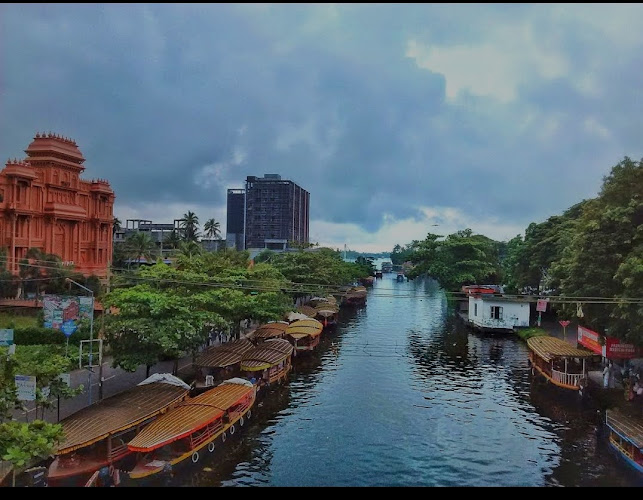
The beaches here don’t perform. Kollam Beach is lively and sometimes chaotic, especially in the evenings when locals come out for snacks and sunset chats. Thirumullavaram Beach, on the other hand, is where you go when you want space and fewer people asking you questions. And then there’s Ashtamudi Lake, which isn’t just a scenic body of water but a working ecosystem. Boats move people, coconuts, fish, and stories across its eight arms every single day.
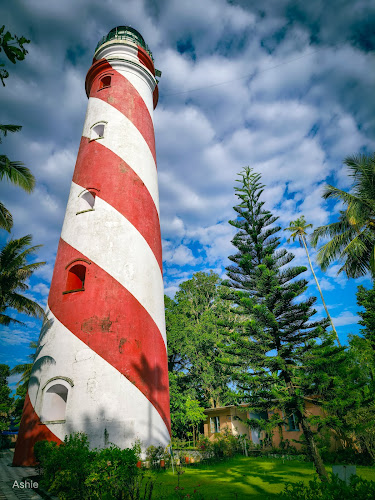
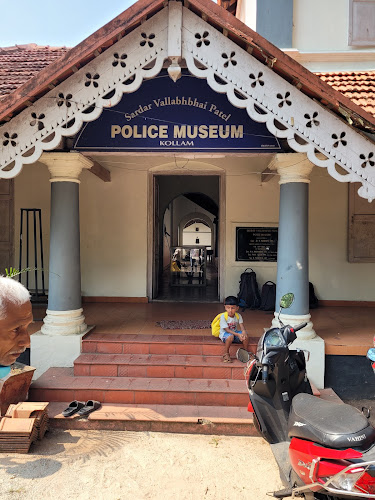
One detail that sticks with many visitors is how Kollam balances old institutions with everyday life. The Sardar Vallabhbhai Patel Police Museum, for example, sounds niche until you step inside and realize how much colonial and post-independence history is wrapped up in those uniforms, radios, and photographs. And the Tangasseri Lighthouse, with its red-and-white stripes from 1902, still watches over the coast like it’s been doing this job forever, which it basically has.
Key Features
- Ashtamudi Lake: The gateway to Kerala’s backwaters, with houseboats, local ferries, and mangrove-lined canals that feel real, not staged.
- Kollam Beach: A social hub where evenings mean street food, families, noise, and honest local life.
- Thirumullavaram Beach: Quieter, less crowded, and better for long walks and thinking too much.
- Tangasseri Lighthouse: Built in 1902, offering wide ocean views and a reminder of Kollam’s maritime past.
- Sardar Vallabhbhai Patel Police Museum: A surprisingly engaging look at the evolution of policing in India.
- Historic Trade Legacy: Kollam was a major spice trading port long before modern borders existed.
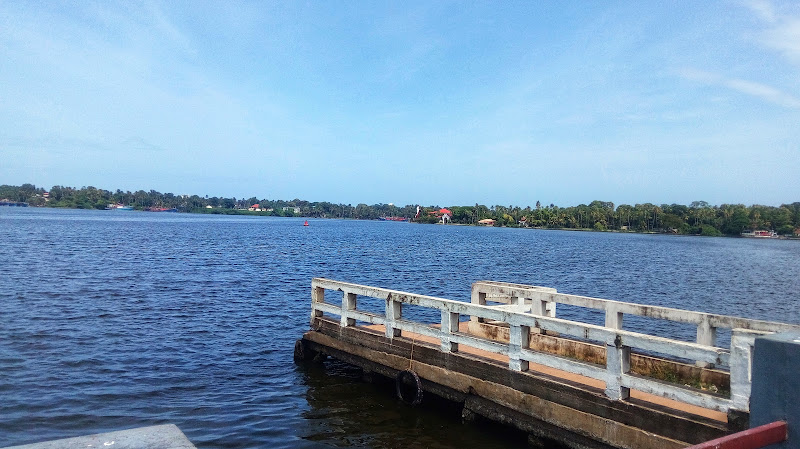
- Local Ferry System: Cheap, efficient, and a very local way to see daily life on the water.
Best Time to Visit
The most comfortable time to visit Kollam is between October and March. The heat backs off a little, humidity becomes manageable, and you can actually enjoy walking around without constantly hunting for shade. This is when the lake looks its best too, with clearer skies and calmer waters.
April and May can be intense. Hot, sticky, and not forgiving if you’re not used to tropical weather. But there’s a strange upside. Fewer tourists, cheaper stays, and a more unfiltered experience. If you’re the kind of traveler who doesn’t mind sweating through a shirt by noon, this period shows Kollam as it really is.
The monsoon months from June to September divide opinions. Heavy rains can disrupt plans, sure. But they also turn the landscape into something lush and dramatic. I once took a ferry during light rain here and it felt like the entire lake was breathing. Not ideal for packed itineraries, but great if you’re okay with slowing down.
How to Get There
Kollam is well connected, though it doesn’t make a fuss about it. The city has its own major railway station on the coastal route, with regular trains from Thiruvananthapuram, Kochi, and other big cities in Kerala and beyond. Train travel here isn’t just transport, it’s part of the experience. Vendors, conversations, chaos. All of it.
The nearest airport is Thiruvananthapuram International Airport, about 65 kilometers away. From there, taxis and buses run frequently. The drive is straightforward and gives you a gradual introduction to Kerala’s coastal scenery. Coconut trees, narrow roads, sudden temples. You’ll know you’re close when the air starts smelling more like salt than exhaust.
Road connections are solid, with state-run and private buses linking Kollam to nearby towns and cities. If you’re already exploring Kerala, adding Kollam into your route is easy and logical, especially if backwaters are on your list.
Tips for Visiting
First thing, don’t rush Kollam. It’s tempting to treat it as a quick stop before heading deeper into the backwaters, but that misses the point. Give it at least two full days. Walk without a plan. Sit by the lake. Watch how people use the city.
Houseboats on Ashtamudi Lake vary wildly in quality. Some are excellent, others… not so much. Ask to see the boat before booking and don’t be shy about asking questions. Locals respect that. And if a full houseboat feels like too much, try the public ferries. Cheap, authentic, and surprisingly scenic.
Food here deserves attention. Seafood is the obvious star, but don’t ignore small vegetarian eateries. Some of my best meals in Kollam were unplanned lunches where nobody spoke English and the menu didn’t exist. Pointing works fine.
Be mindful of dress, especially near religious sites and in quieter neighborhoods. Kollam isn’t conservative in a strict sense, but modest clothing earns respect and fewer stares. And yes, people will stare anyway. It’s curiosity, not judgment. Smile back.
Evenings at Kollam Beach can get crowded. If that’s not your scene, head to Thirumullavaram instead or find a lakeside spot to sit quietly. The lighthouse is best visited earlier in the day to avoid queues and heat.
Finally, manage expectations. Kollam isn’t glossy. Roads have potholes. Things run late. Plans change. But if you travel with patience and curiosity, the city gives back more than you expect. It’s a place that rewards attention, not checklists.
For travelers who want Kerala beyond curated experiences, Kollam makes sense. It’s imperfect, layered, and honest. And honestly, those are the places that stay with you longest, long after the photos stop getting likes.
Key Features
- Key Features
- Best Time to Visit
- How to Get There
- Tips for Visiting
More Details
Updated December 31, 2025
Table of Contents
Description
Kollam sits on the Malabar Coast of Kerala and carries itself like a place that knows it has history but doesn’t feel the need to shout about it. It’s one of those cities where trade, water, religion, and daily life have been overlapping for centuries, and you can feel that layering when you walk around. The port once connected Kerala to ancient Rome, China, and the Arab world, and that long memory still shows up in the food, the faces, and the slow confidence of the town.
This isn’t a polished postcard destination, and honestly, that’s part of its charm. Kollam feels lived-in. Fishermen pull in their nets at dawn, buses groan along coastal roads, and the smell of salt mixes with spices in the air. Travelers who expect manicured tourist zones sometimes feel confused at first. But give it a day, maybe two, and the city starts making sense in its own quiet, practical way.
The beaches here don’t perform. Kollam Beach is lively and sometimes chaotic, especially in the evenings when locals come out for snacks and sunset chats. Thirumullavaram Beach, on the other hand, is where you go when you want space and fewer people asking you questions. And then there’s Ashtamudi Lake, which isn’t just a scenic body of water but a working ecosystem. Boats move people, coconuts, fish, and stories across its eight arms every single day.
One detail that sticks with many visitors is how Kollam balances old institutions with everyday life. The Sardar Vallabhbhai Patel Police Museum, for example, sounds niche until you step inside and realize how much colonial and post-independence history is wrapped up in those uniforms, radios, and photographs. And the Tangasseri Lighthouse, with its red-and-white stripes from 1902, still watches over the coast like it’s been doing this job forever, which it basically has.
Key Features
- Ashtamudi Lake: The gateway to Kerala’s backwaters, with houseboats, local ferries, and mangrove-lined canals that feel real, not staged.
- Kollam Beach: A social hub where evenings mean street food, families, noise, and honest local life.
- Thirumullavaram Beach: Quieter, less crowded, and better for long walks and thinking too much.
- Tangasseri Lighthouse: Built in 1902, offering wide ocean views and a reminder of Kollam’s maritime past.
- Sardar Vallabhbhai Patel Police Museum: A surprisingly engaging look at the evolution of policing in India.
- Historic Trade Legacy: Kollam was a major spice trading port long before modern borders existed.
- Local Ferry System: Cheap, efficient, and a very local way to see daily life on the water.
Best Time to Visit
The most comfortable time to visit Kollam is between October and March. The heat backs off a little, humidity becomes manageable, and you can actually enjoy walking around without constantly hunting for shade. This is when the lake looks its best too, with clearer skies and calmer waters.
April and May can be intense. Hot, sticky, and not forgiving if you’re not used to tropical weather. But there’s a strange upside. Fewer tourists, cheaper stays, and a more unfiltered experience. If you’re the kind of traveler who doesn’t mind sweating through a shirt by noon, this period shows Kollam as it really is.
The monsoon months from June to September divide opinions. Heavy rains can disrupt plans, sure. But they also turn the landscape into something lush and dramatic. I once took a ferry during light rain here and it felt like the entire lake was breathing. Not ideal for packed itineraries, but great if you’re okay with slowing down.
How to Get There
Kollam is well connected, though it doesn’t make a fuss about it. The city has its own major railway station on the coastal route, with regular trains from Thiruvananthapuram, Kochi, and other big cities in Kerala and beyond. Train travel here isn’t just transport, it’s part of the experience. Vendors, conversations, chaos. All of it.
The nearest airport is Thiruvananthapuram International Airport, about 65 kilometers away. From there, taxis and buses run frequently. The drive is straightforward and gives you a gradual introduction to Kerala’s coastal scenery. Coconut trees, narrow roads, sudden temples. You’ll know you’re close when the air starts smelling more like salt than exhaust.
Road connections are solid, with state-run and private buses linking Kollam to nearby towns and cities. If you’re already exploring Kerala, adding Kollam into your route is easy and logical, especially if backwaters are on your list.
Tips for Visiting
First thing, don’t rush Kollam. It’s tempting to treat it as a quick stop before heading deeper into the backwaters, but that misses the point. Give it at least two full days. Walk without a plan. Sit by the lake. Watch how people use the city.
Houseboats on Ashtamudi Lake vary wildly in quality. Some are excellent, others… not so much. Ask to see the boat before booking and don’t be shy about asking questions. Locals respect that. And if a full houseboat feels like too much, try the public ferries. Cheap, authentic, and surprisingly scenic.
Food here deserves attention. Seafood is the obvious star, but don’t ignore small vegetarian eateries. Some of my best meals in Kollam were unplanned lunches where nobody spoke English and the menu didn’t exist. Pointing works fine.
Be mindful of dress, especially near religious sites and in quieter neighborhoods. Kollam isn’t conservative in a strict sense, but modest clothing earns respect and fewer stares. And yes, people will stare anyway. It’s curiosity, not judgment. Smile back.
Evenings at Kollam Beach can get crowded. If that’s not your scene, head to Thirumullavaram instead or find a lakeside spot to sit quietly. The lighthouse is best visited earlier in the day to avoid queues and heat.
Finally, manage expectations. Kollam isn’t glossy. Roads have potholes. Things run late. Plans change. But if you travel with patience and curiosity, the city gives back more than you expect. It’s a place that rewards attention, not checklists.
For travelers who want Kerala beyond curated experiences, Kollam makes sense. It’s imperfect, layered, and honest. And honestly, those are the places that stay with you longest, long after the photos stop getting likes.
Key Highlights
- Key Features
- Best Time to Visit
- How to Get There
- Tips for Visiting
Location
Places to Stay Near Kollam
Find and Book a Tour
Explore More Travel Guides
No reviews found! Be the first to review!
Traveler Reviews for Kollam
There are no reviews yet. Be the first one to write one.
Have you visited Kollam? Help other travelers by sharing your review.
You Might Also Like
Thangassery Light House
Sardar Vallabhai Patel Police Museum
Thevally
Find Accommodations Nearby
Recommended Tours & Activities
Visitor Reviews
There are no reviews yet. Be the first one to write one.
Share Your Experience
Have you visited Kollam? Help other travelers by leaving a review.